
REVIEW · ALBERTA AUDIO TOURS
Lake Louise & Moraine Self-Guided Driving Audio Tour
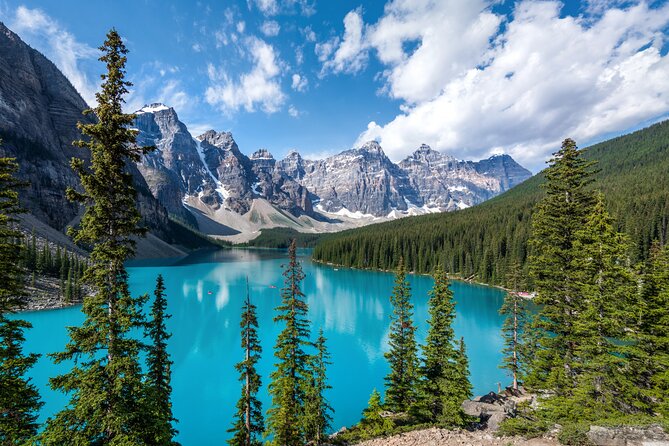
The Rockies do the talking here. This self-guided drive links Lake Louise, Moraine Lake, Banff viewpoints, waterfalls, and trailheads with more than 39 location-triggered audio stories across a route of over 56 miles. I like the freedom to stop for photos, skip a hike, or pause the tour for lunch without keeping up with a guide.
I also like the price: $14.99 covers a group of up to four people, not each passenger. The main consideration is that you must download the Action Tour Guide app, maps, audio, and password before leaving reliable Wi-Fi or cellular service. If the app setup is rushed, the mountain scenery will not be your only challenge.
Key things to know before you go
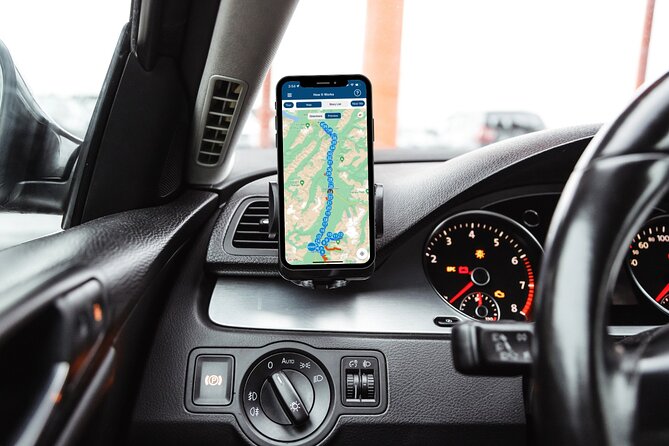
- Moraine Lake begins the scenic story: Walk the short rockpile trail for one of the area’s best-known views.
- The route covers more than 56 miles: Plan on roughly two to three hours of driving and listening, not counting long hikes or extended photo stops.
- You get 39-plus audio stories: The narration begins automatically as you approach each location.
- One purchase covers four people: At $14.99 per group, this can be far cheaper than a guided excursion for a small party.
- The tour works offline: Download everything in advance, then use GPS without Wi-Fi or mobile data.
- You control the day: Start, pause, replay, skip, or return to the tour on another trip with lifetime access.
A flexible route through Banff’s best-known sights
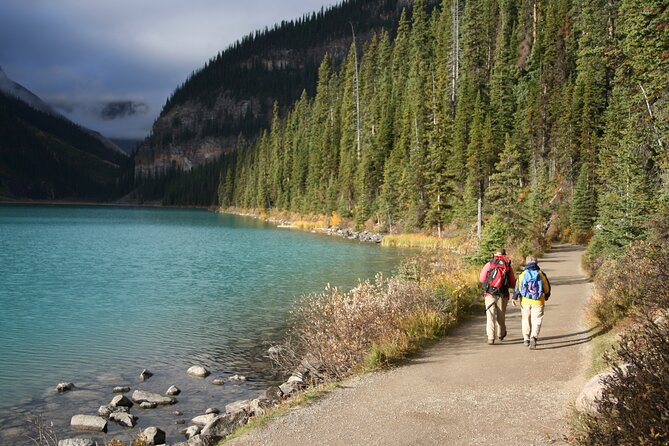
This is not a bus tour with a fixed departure time. No guide meets you at the starting point, and nobody tells you when to move on. You begin at the Lake Louise Ski Resort and Summer Gondola parking area at 1 Whitehorn Road, then follow the audio prompts toward Lake Louise, Moraine Lake, Banff viewpoints, and the route’s finish at Vermilion Lakes.
That freedom is the main reason I would choose this experience over a standard guided drive. You can stop for ten minutes at a viewpoint or spend much longer on a trail. You can also skip a hike if weather, fitness, or timing gets in the way.
The tour is designed for hands-free use. After you reach the first story point, audio starts automatically, and the next story plays as you continue. You should still keep your attention on the road, follow local speed limits, and let a passenger manage the phone if possible.
The listed drive takes about two to three hours. That estimate does not include the Castle Lookout hike, Ink Pots hike, Johnston Canyon walk, or long stops at either lake. If you try to do several trails, plan for a much longer day.
More Driving Audio Tours in Canada
- Icefields Parkway: a Smartphone Audio Driving Tour
★ 4.0 · 118 reviews - Cabot Trail: a Smartphone Audio Driving Tour
★ 4.5 · 118 reviews - Smartphone Audio Driving Tour between Banff and Calgary
★ 4.0 · 25 reviews
Starting at Lake Louise Ski Resort
The official starting point is not the lakeshore. It is the Lake Louise Ski Resort and Summer Gondola at 1 Whitehorn Road. That matters because you should arrive with the app ready and know which direction the tour version follows.
The opening stories set up Lake Louise and the surrounding wilderness. You hear that the lake covers 222 acres and reaches depths of 230 feet. The narration also connects the place to the Stoney Nakoda name Horâ Juthin Îmne, meaning Lake of Little Fishes.
That detail gives the famous lake a longer story than the usual postcard version. The Stoney Nakoda used the lake for fishing before the Canadian Pacific Railway arrived, so you get a reminder that this is not simply a scenic stop created for modern sightseers.
One practical point: the tour is offered in English only. The app is best suited to an iPhone running iOS 15 or later, an Android device using version 9 or later, or an iPad or tablet with GPS and cellular capability.
Moraine Lake and the short rockpile walk
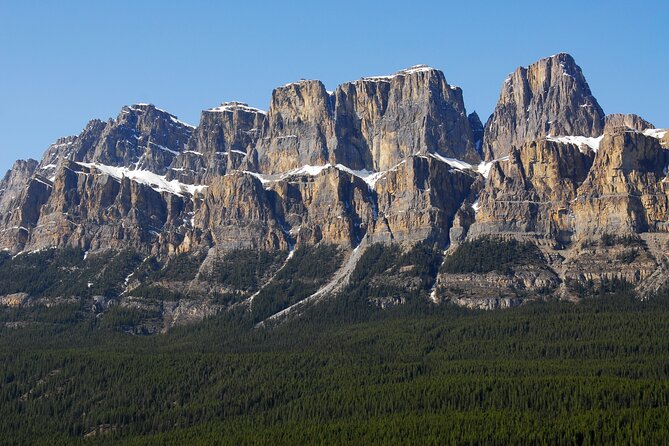
Moraine Lake is one of the tour’s headline stops. The audio directs you toward the parking area and explains the short trail onto the rockpile, the rough pile of rocks associated with climber Wilcox.
The walk is about half a mile and takes roughly 15 minutes. You follow a loop to the top, where the view opens across the lake and surrounding peaks. It is an easy way to add a short walk to the drive without committing to a major hike.
The description refers to a shuttle drop-off at the parking area. The tour itself does not include attraction passes, entry tickets, or reservations, so you need to handle any required access arrangements separately. This is an important planning point for Moraine Lake, especially if access rules affect your travel date.
Moraine Lake can easily become the place where your two-hour drive turns into a full morning. I would not rush it. Use the audio for the approach, then pause it while you take photographs or walk the rockpile.
Castle Lookout: a serious hike with a big payoff
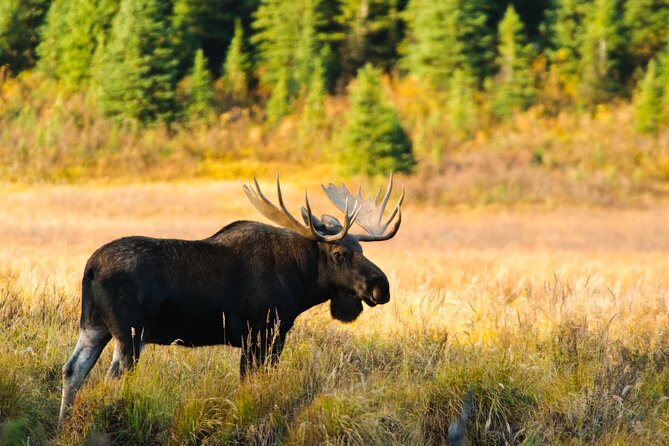
The Castle Lookout Trail is a different proposition. The trail is about five miles and takes three to four hours, with a challenging climb up Castle Mountain. The reward is a broad view toward the Bow River and the long line of the Rockies.
I like that the tour gives you the hike details without treating every stop as a must-do. You can hear the story, decide if the timing and effort suit you, and continue without losing the route.
This stop works best for hikers who have a full day and want more than roadside scenery. If you are building a short sightseeing loop, treat Castle Lookout as an optional side trip. The audio may take only about ten minutes at the stop, but the hike is several hours.
More Self-Guided Audio Tours in Canada
- Self Guided Audio Driving Tour of the North Shore of PEI
★ 4.0 · 24 reviews - Self-Guided Audio Driving Tour in Icefields Parkway
★ 5.0 · 24 reviews - Self-Guided Audio Tours for the Canadian Rockies
★ 5.0 · 18 reviews - Icefields Parkway Self-Guided Driving Audio Tour
★ 4.5 · 16 reviews
Silverton Falls and the Bow Valley
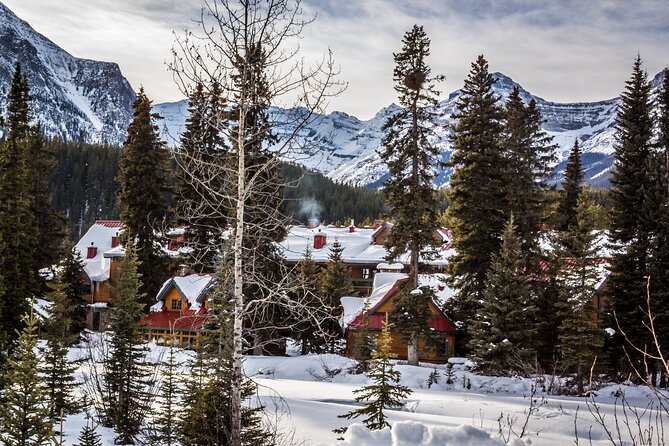
Silverton Falls offers a more manageable walk. The trail is about one mile, moderate in difficulty, and takes around 30 minutes. The route leads to a 160-foot waterfall with Bow Valley views nearby.
The suggested turn is into the parking area ahead. As with the other stops, the audio gives you a clear choice: pull in, walk to the falls, or continue straight.
This is a useful middle-ground stop. You get more than a quick roadside photograph, but you do not have to sacrifice half a day. Bring suitable footwear if you plan to walk, since the tour description identifies the route as a trail rather than a paved viewpoint.
Moose Meadows and the Ink Pots
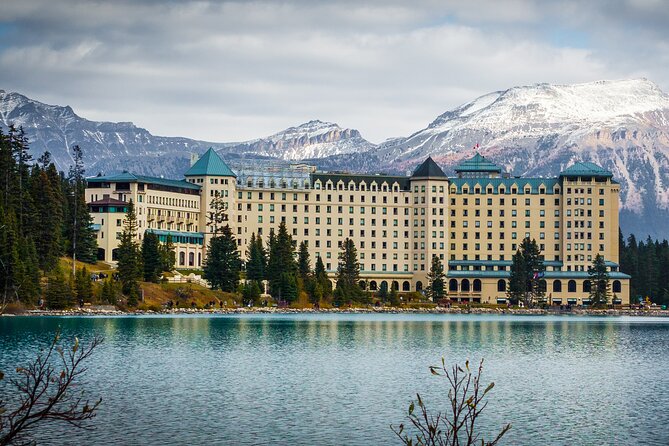
The Moose Meadows section points you toward a moderately challenging hike to the Ink Pots. The route covers more than five miles, takes about three hours, and climbs roughly 1,100 feet.
That elevation gain is the detail to remember. The distance alone may sound reasonable, but the climb makes this a more demanding outing than Silverton Falls or the short Moraine Lake rockpile walk.
For me, this is one of the best examples of how the audio tour can help you build your own day. You can listen to the story while driving, then decide at the trailhead if you have enough time and energy. You do not need to commit before hearing what comes next.
Johnston Canyon, the easy favorite
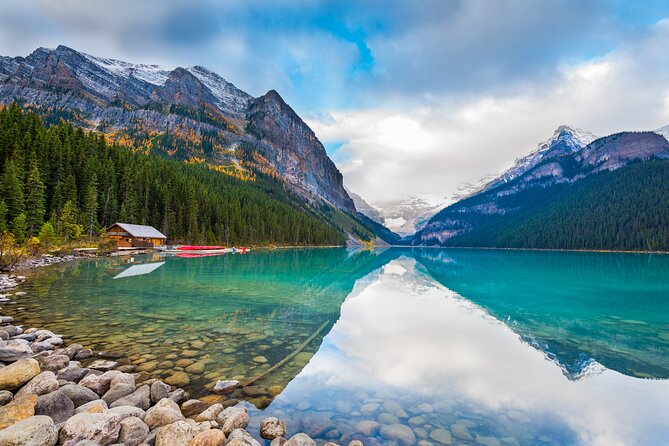
Johnston Canyon is described as the park’s most popular hike. The easy trail covers about one mile and follows a canyon named for a prospector who never found gold but mapped the canyon during his search.
This is likely to be one of the simplest hiking choices along the route. The short distance and easy rating make it more approachable than Castle Lookout or the Ink Pots.
The drawback is timing. Popular places can take longer than expected once you add parking, walking, and photographs. The tour allows you to pause the narration, so you can give Johnston Canyon the time it deserves without hearing the next story too early.
Hillsdale Meadow and Backswamp viewpoints

Hillsdale Meadow Viewpoint offers 360-degree views of the Rockies and a meadow filled with wildflowers. From the turnout, you may see Pilot Mountain, the Canadian Pacific Railway tracks, and the Bow River.
This is a good stop for a broad view rather than a strenuous walk. Pull into the turnout if you want a quick break, or continue if you have already spent too long at the lakes.
Backswamp Viewpoint has a less appealing name but a strong setting. It looks toward Mount Bourgeau, with the Bow River nearby and railway tracks along the riverbank. If timing is kind, you might see a train moving beside the water.
I appreciate these quieter roadside stops because they give the drive a changing rhythm. The famous lakes receive most of the attention, but smaller viewpoints help you notice the river, rail line, meadows, and mountain shapes as part of one connected route.
Vermilion Lakes completes the drive
The tour finishes at Vermilion Lakes Viewpoint on the Trans-Canada Highway near Banff. Three small lakes sit side by side, with the town of Banff beyond them.
The viewpoint is especially suited to early or late light. You might see loons, buffleheads, or an osprey. Elk, mule deer, and occasional moose have also been reported in the area.
Because the route ends here, you can treat Vermilion Lakes as a final scenic stop rather than a quick conclusion. The finish gives you a chance to slow down after the busier lake stops and watch for wildlife around the water.
The listed end point is Trans-Canada Highway, Banff, Alberta, T1L 1K2. The experience is available daily from 6:00 AM to 9:00 PM during the listed operating period, from October 25, 2023, through March 11, 2027.
What $14.99 buys you
At $14.99 per group of up to four, the value is strongest when you are sharing one car. Four people pay less than $4 each, while a solo driver receives less financial advantage but still gets the same route, stories, and lifetime access.
You are paying for narration, GPS-triggered playback, offline maps, and the ability to use the tour without a live guide. You are not paying for a shuttle, admission, reservations, or any other attraction costs.
That distinction keeps the price low, but it also puts more responsibility on you. You need to arrange access, download the tour, charge your phone, and decide how much time to spend at each stop.
The lifetime, no-expiry access is useful if your schedule changes. You can use the tour on another trip, pause it over several days, or replay parts you skipped. That gives it more value than a one-use audio file.
Setting up the Action Tour Guide app
After booking, you receive setup instructions and a password by email and text. Search for audio tour if the message is not easy to find.
Download the separate Action Tour Guide app and the tour while you still have strong Wi-Fi or cellular service. Once the content is stored on your phone, the route works offline, which matters in mountain areas where service may be inconsistent.
At the starting point, open the app and launch the tour. If you see more than one version, select the one matching your planned starting point and direction.
The tour uses your location to trigger stories. If the audio does not begin, check that location access is enabled and contact support if needed. The app is meant to play automatically, but basic preparation makes the experience much less stressful.
Who will enjoy this self-guided drive
I would recommend this tour to couples, families, and small groups who want control over the day. It suits people who like a little history and local context but do not want to spend the entire outing with a guide or fixed group.
It is also a good fit if your interests vary. One person can take a longer hike while another prefers viewpoints, and everyone can continue with the same route afterward.
You may prefer a traditional guided excursion if you want transportation, live conversation, or someone else to handle navigation and timing. This is a private activity, but private does not mean guided. Your group is responsible for driving and planning the stops.
The tour is less useful if you want only one lake and no extra viewpoints. With more than 56 miles and 39-plus stories, you are paying for a connected route rather than a single attraction.
Practical timing and route advice
I would allow at least three hours for the drive if you want to pause for photographs. Add several more hours for a major hike.
A sensible plan is to choose one or two walking stops before you start. The Moraine Lake rockpile and Johnston Canyon offer shorter options, while Castle Lookout and the Ink Pots require far more time and effort.
Keep the app downloaded even if you expect good service. Offline access is one of the tour’s strongest features, and it removes the need to stream audio from the road.
You can start anytime, pause anywhere, take food breaks, explore side trips, and skip stories that do not interest you. The tour also includes bonus content, so you can spend more time with subjects that catch your attention.
Should you book the Lake Louise and Moraine audio tour?
Book it if you want a low-cost, flexible way to connect Lake Louise, Moraine Lake, Banff viewpoints, waterfalls, and trailheads in one drive. The automatic audio, offline maps, and lifetime access make it practical, while the per-car pricing works especially well for up to four people.
Skip it if you expect transportation, reservations, admission, or a live guide to be included. You must prepare the app yourself and handle the day’s access details.
For most independent drivers, the $14.99 price is easy to justify. The strongest reasons are the freedom to set your own pace and the useful context at places that could otherwise blur into one long series of mountain photographs.
FAQ
How long does the Lake Louise and Moraine audio tour take?
The driving route takes approximately two to three hours. Longer hikes and extended stops at viewpoints or lakes will add substantial time.
How far is the full tour route?
The tour covers more than 56 miles and includes more than 39 audio stories.
Where does the tour start?
The starting point is Lake Louise Ski Resort and Summer Gondola at 1 Whitehorn Road, Lake Louise, Alberta.
Where does the tour end?
The tour ends at Vermilion Lakes Viewpoint on the Trans-Canada Highway near Banff, Alberta.
How much does the tour cost?
The price is $14.99 per group of up to four people.
Does the tour work without cellular service or Wi-Fi?
Yes. You must download the app and tour content while you have strong Wi-Fi or cellular service. After downloading, the tour works offline.
Is a guide included?
No. This is a self-guided private activity. No one meets you at the start, and the audio plays automatically based on your location.
Are attraction tickets, passes, or reservations included?
No. Attraction passes, entry tickets, and reservations are not included in the tour price.
Just added around Canada
- Queen Street West: An audio tour exploring Toronto’s coolest street★ 3.5 · 2 reviews
- Toronto’s Waterfront: a Smartphone Audio Walking Tour★ 5.0 · 5 reviews
- Irish Loop Smartphone Audio Driving Tour★ 4.5 · 7 reviews
- St. John’s Audio Walking Tour★ 4.0 · 4 reviews
- Fruit alcohol tasting + Velvet Orchards audio tour★ 5.0 · 2 reviews
- APP Self-Guided Tours Quebec with Audioguide★ 3.0 · 2 reviews
- Quebec City Self-Guided Driving Audio Tour★ 4.0 · 7 reviews
- Smartphone Audio Driving Tour between Wasaga Beach and Toronto★ 4.5 · 3 reviews
Driving Audio Tours, compared.



Ultimate Acadia National Park Self-Guided Driving Audio Tour
Read our review →



Browse the lists this tour appears in