

REVIEW · ROME AUDIO TOURS
Rome: Navona Square Underground Ticket with Audio Guide
Rome keeps a secret beneath its busiest piazza. Five meters below Piazza Navona, the Stadium of Domitian reveals an ancient sports venue built nearly 2,000 years ago. I like the clear audio guide and the visual displays, including 3D reconstructions and old photographs that help you picture the stadium as it once was. The location is another big plus: you can pair this short visit with the fountains, churches, cafés, and street life above.
This is a compact archaeological visit, not a vast underground complex. I also like that the exhibits explain Roman sports, crowd organization, and the growth of Piazza Navona instead of showing bare walls without context. The main drawback is size: most people finish in 45 to 60 minutes, and the numbered audio stations can sometimes feel out of order.
Key points at a glance
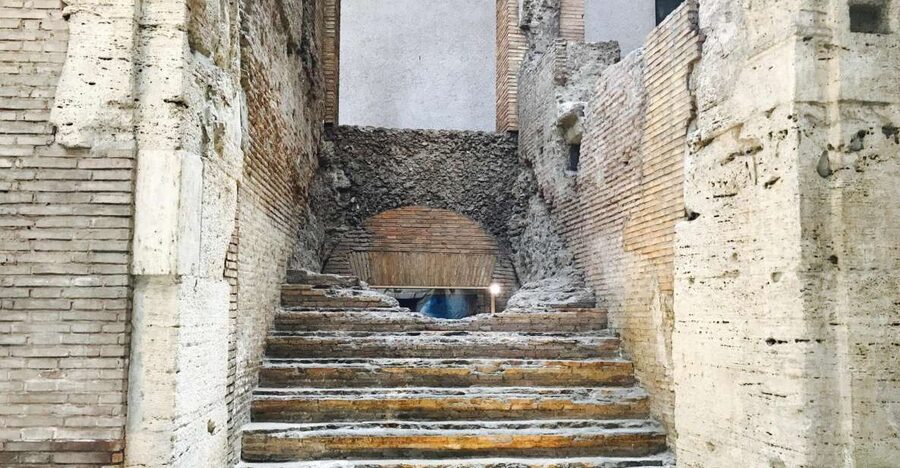
- Five meters below Piazza Navona: See the remains of Rome’s ancient stadium directly beneath one of its best-known squares.
- Built for up to 30,000 spectators: Learn how Roman crowds were divided around the arena.
- Strong visual aids: 3D renderings, videos, photographs, and information panels make the ruins easier to understand.
- A short, focused visit: Plan on roughly 45 minutes to an hour, depending on how closely you use the audio guide.
- Seven audio languages: Choose Spanish, English, French, German, Italian, Russian, or Portuguese.
- Optional drink afterward: Add an aperitif with one cocktail and snacks, or a two-wine tasting with a traditional appetizer board.
What lies beneath Piazza Navona
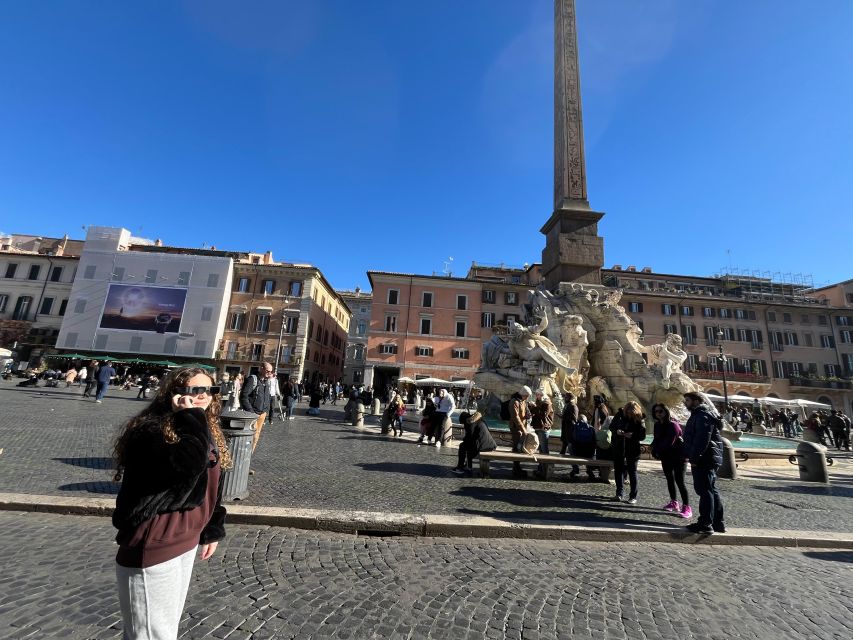
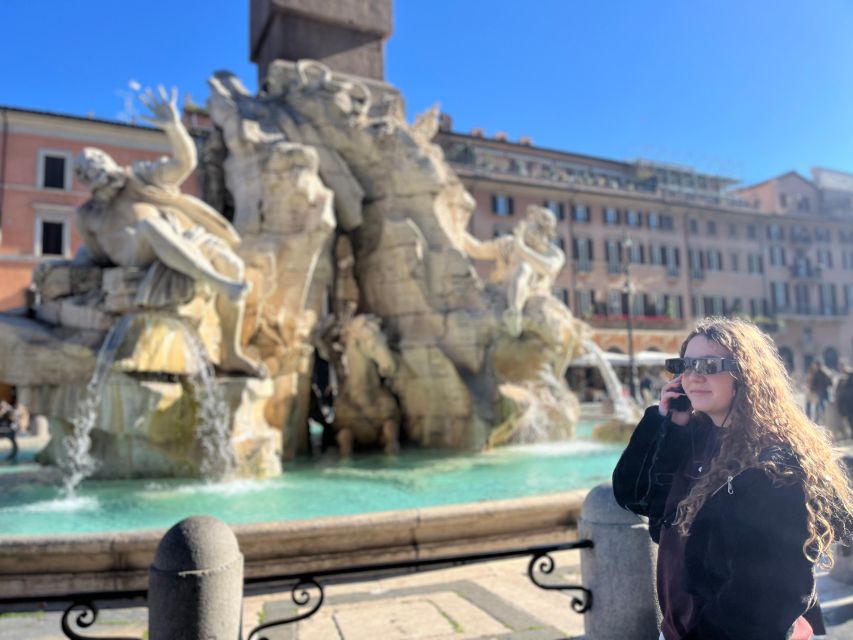
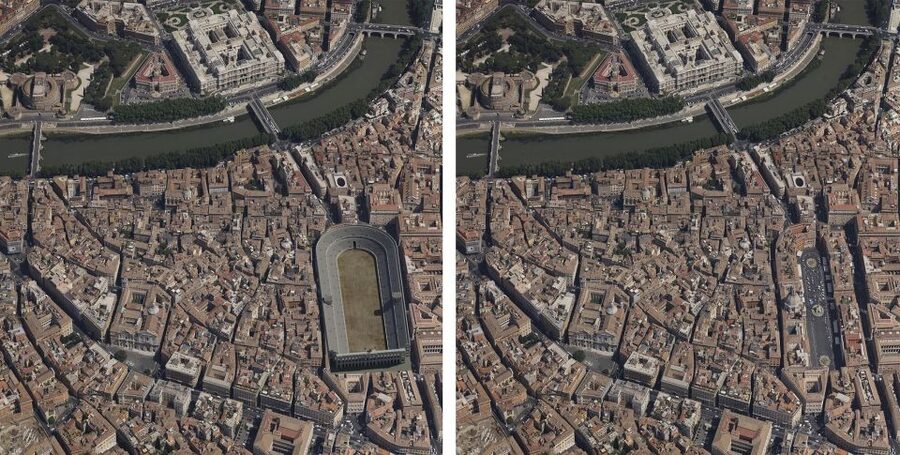
Piazza Navona looks thoroughly Baroque today, with fountains, churches, restaurants, artists, and a steady flow of people. Beneath that modern Roman scene sits part of the Stadium of Domitian, an ancient sports venue that gives the square an unexpected second identity.
The stadium was built in masonry and served as a place for athletic contests and public spectacles. The ruins are not presented as a fully preserved arena. Instead, you walk through surviving sections of the structure and use the displays to rebuild the missing pieces in your mind.
That distinction matters. If you expect a second Colosseum, you may find the site smaller than expected. If you enjoy seeing how Rome developed layer by layer, the visit makes much more sense. You are not simply looking at old stone. You are seeing how an ancient stadium helped shape the footprint and later story of the piazza above.
The underground area sits about five meters below today’s street level. It feels close to modern Rome rather than cut off from it. Street noise can still reach the viewing area, which slightly weakens the sense of stepping into another age. Still, that connection is also part of the appeal. Ancient and modern Rome occupy the same few meters.
A few more audio tours around Rome worth a look
- Rome: Colosseum & Forum with Audio Guide App -Optional Arena
★ 4.2 · 24,770 reviews - Rome: City Sightseeing Hop-on Hop-off Bus with Audioguide
★ 4.0 · 16,045 reviews - Rome: St. Peter’s Basilica & Dome Entry Ticket & Audio Tour
★ 4.2 · 7,537 reviews
Finding the entrance at Piazza Navona 25
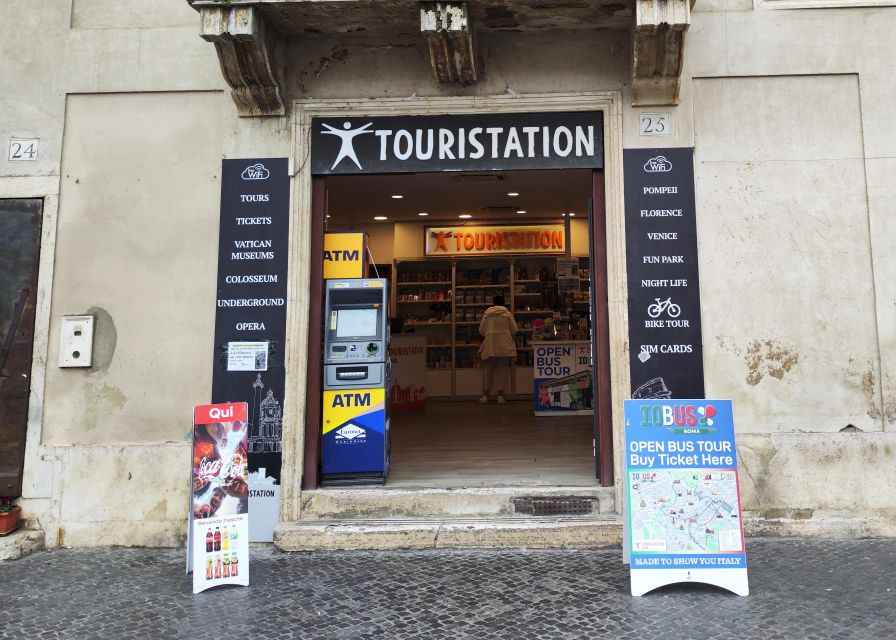
The meeting point is the tourist point in front of the main fountain at Piazza Navona, at number 25. The site is easy to locate once you are in the piazza, but the ticket process can require patience.
With some voucher arrangements, you may first need to redeem your phone voucher at a ticket office a couple of streets away, then return to the entrance with the issued ticket. This extra step has caused confusion, so I would not arrive at the last minute. Allow an additional 10 minutes or so to sort out the ticket if staff direct you elsewhere.
The entrance process is not a guided group departure. You are visiting independently, using the audio guide at your own pace. That makes the experience flexible, especially if you want to spend longer with the models or move through quickly before another Rome appointment.
The site is described as wheelchair accessible. Strollers, however, may be awkward here. A family visit can work well, but one parent noted that the area was not pram friendly. If you have a young child, a lightweight carrier may be easier than a large stroller.
Walking through the Stadium of Domitian
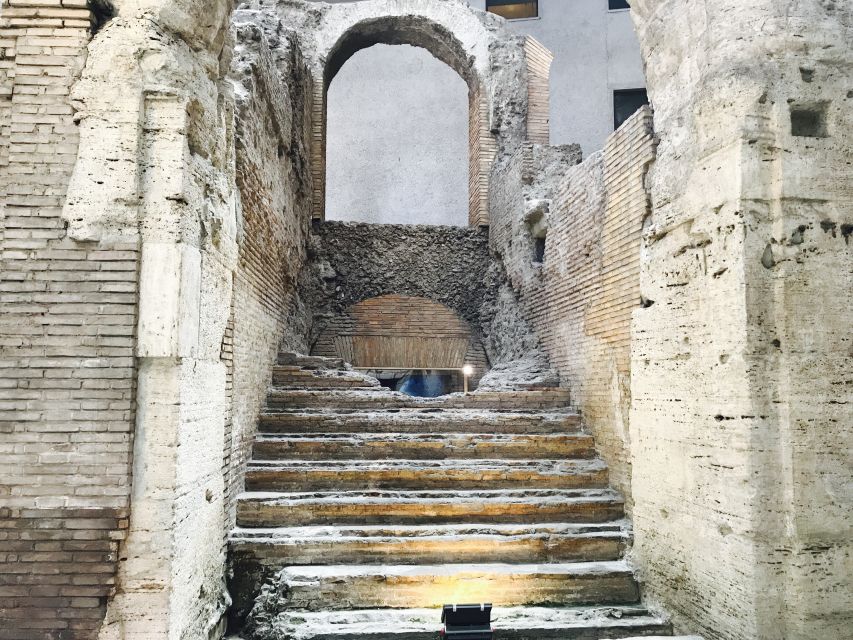
Once below the piazza, the visit begins with the remains of the stadium itself. You can examine travertine blocks, brickwork, marble columns, and sections connected with the main entrances.
These fragments are important because they show the stadium as a carefully engineered public building rather than a random pile of ruins. Travertine gives you a sense of the structural strength of the entrances, while the brickwork helps explain how Roman builders formed and supported the complex.
The surviving area is smaller than many people expect. That is the most common point to keep in mind when deciding if the ticket suits you. The physical walk is short, but the information adds time. If you simply glance at the walls, you could finish quickly. If you stop at each station, watch the video, and study the reconstructions, the visit becomes a fuller history lesson.
The audio guide explains the dimensions of the former circus and the arrangement of the audience. Up to 30,000 spectators could attend, and the commentary describes how they were divided around the arena. That detail helps you picture the social order of Roman public life, where seating was not just about getting a good view.
You also hear about ancient Roman sports and the rulers connected with the stadium. The subject is broader than architecture. It shows how sport, power, public entertainment, and crowd control worked together in ancient Rome.
Why the audio guide matters
The audio guide is included and available in English, Spanish, French, German, Italian, Russian, and Portuguese. I would treat it as essential rather than optional in practical terms. Without explanation, the exposed walls and fragments can be difficult to read.
The commentary gives you a route through the site and explains what you are seeing. It also connects the stadium to the later development of Piazza Navona. That link is one of the best parts of the visit, since it turns an underground stop into a lesson about Rome’s changing streets and buildings.
The guide is generally easy to follow, but the numbered stations are not always perfectly arranged. You may need to check the number carefully before starting each section. At times, the audio and visual displays do not line up exactly, and some listeners have found the sound less clear than ideal.
That is a manageable problem, not a reason to skip the visit. Go slowly, match the number to the display, and do not worry if the order seems slightly odd. The content is informative enough to reward a little patience.
Families get an especially useful feature: a children’s audio guide with a pen and map. A five-year-old can use those materials more independently, and the compact size of the site makes it easier for an adult to keep track of a child. The subject of Roman sport may also hold a child’s attention better than a long architectural lecture.
Same place, a different route to walk:
- Colosseum, Roman Forum & Palatine Hill with Audioguide App
★ 4.4 · 6,291 reviews - Vatican & Sistine Chapel Ticket with Optional Audio Guide
★ 4.1 · 5,405 reviews - Rome: Castel Sant’Angelo Entry Ticket & Digital Audioguide
★ 4.7 · 5,347 reviews - Rome: Castel Sant’Angelo Entry Ticket & Audio App
★ 4.3 · 4,952 reviews
The photographs, video, and 3D reconstructions

Ancient ruins often leave you with one basic question: what did this place actually look like? The visual material here helps answer it.
Unpublished photographs and information panels explain the archaeological remains. A video show and 3D renderings provide a picture of the stadium in its original form. These tools are especially valuable because much of the ancient structure no longer survives at full height.
I like this combination of physical remains and digital reconstruction. The models do not replace the ruins. They give the ruins a frame of reference. You can look at a marble fragment, then understand where it may have belonged within an entrance or larger public building.
The displays also help with the changing identity of the piazza. Piazza Navona did not always look like the open Baroque square you see today. The visit traces its development and shows how the ancient stadium remains part of the area’s long story.
The exhibition can feel a little empty in places, and the layout is not always as polished as a major museum. That is part of the trade-off with a small archaeological site. You get a focused presentation, but not a full day of galleries and objects.
How long the visit takes
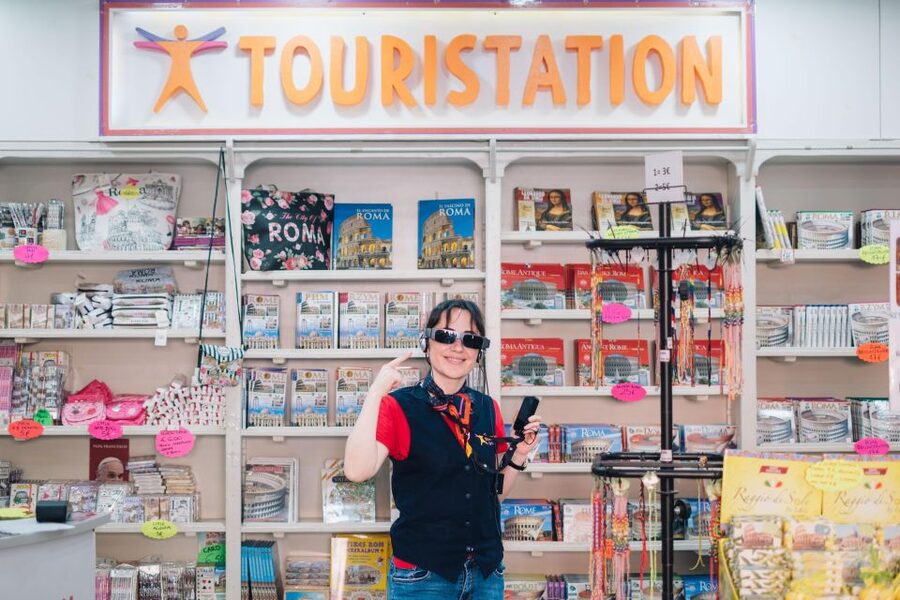
Plan for about 45 minutes if you listen to every audio item at a brisk pace. An hour is more comfortable if you stop for the panels, watch the video, examine the 3D material, and take photographs.
The ticket is valid for one day, but this is not an all-day attraction. It works best as a short stop between other sights in central Rome. You could visit before lunch, after seeing the Pantheon, or before sitting down near Piazza Navona.
The compact size has a practical benefit. You do not need to reserve a large block of your day, and the route is easy to manage when you have children or older companions. It also means the experience may feel too slight if you are paying for a major standalone attraction and expect hours of exploration.
There is a gift shop and toilets on site, which makes the stop a little easier to manage. Photography is one of the listed highlights, so bring your phone or camera if you enjoy recording architectural details and Roman city scenes.
Is the $18 ticket good value?
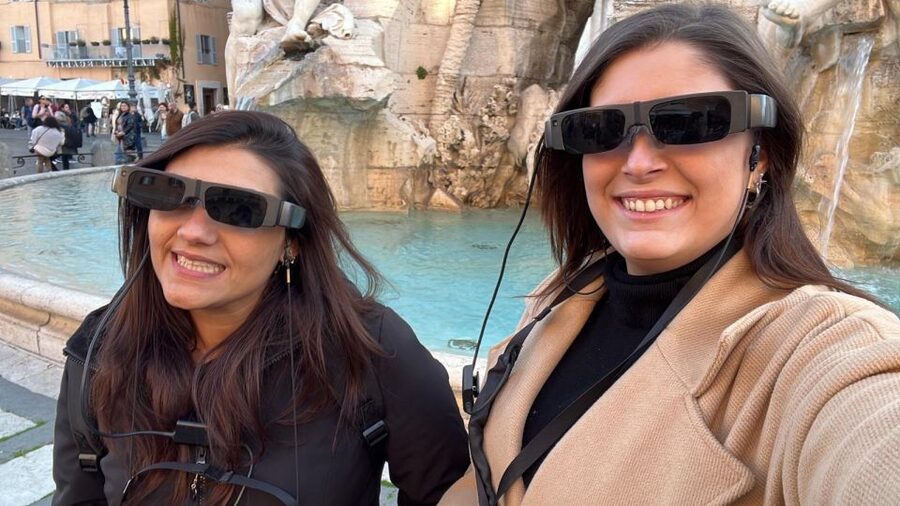
At about $18 per person, this is a reasonable purchase for a short, central Rome attraction, especially if you are curious about archaeology and want something different from the city’s famous monuments.
The value comes from three things. First, the location places you directly under a major piazza. Second, the audio guide and visual displays provide context that the bare ruins cannot provide on their own. Third, the visit takes less than an hour for most people, so it is easy to fit into an active day.
The value is weaker if you are visiting Rome for the first time on a tight budget and still need to see the Colosseum, Roman Forum, Pantheon, Vatican Museums, and other major sights. Those larger sites offer far more to see for the time they require.
I would save this for a second visit, a relaxed itinerary, or a day focused on central Rome. If you have already covered the headline monuments, the Stadium of Domitian adds a different angle. It shows an ancient building beneath a square you may otherwise see only from above.
The optional food and drink additions can make the price more appealing if you want a pause after the exhibition. The aperitif includes one cocktail and snacks at a viewpoint in central Rome. The wine option includes two wines paired with a traditional appetizer board. These extras are separate from the basic archaeological ticket, so choose them only if you already want that kind of break.
Who will enjoy this underground site most?
I would recommend it most strongly to people who enjoy ancient engineering, Roman public life, and small museums with a clear theme. The site also suits repeat visitors who have already seen the largest monuments.
Families may find it easier than a huge archaeological complex because the area is compact. The children’s audio option is a useful touch, and the visual material gives younger visitors something to follow. Keep in mind the stroller concern and consider using a carrier.
It is also a good stop for anyone who likes to make connections between Rome’s past and present. You walk through the modern piazza, then see the older structure below it. That change in viewpoint is the main reward.
I would be less enthusiastic for someone seeking a grand, extensive ruin or a traditional guide-led tour. There is no live guide included, and the underground section is not large. The audio guide does the teaching, with some minor confusion around station numbers.
Practical tips before you book
Redeem your voucher at the tourist point in front of the main fountain at Piazza Navona, 25. Because some visitors have been sent to another ticket office before entering, arrive early enough to handle that extra step without stress.
Choose your audio language in advance from English, Spanish, French, German, Italian, Russian, or Portuguese. The guide is the key to understanding the stadium, so do not rush through the equipment or skip the numbered sections.
Give yourself 45 minutes at minimum, and closer to an hour if you want to read the panels and study the reconstructions. The site is clean and has toilets and a gift shop.
If you want the aperitif or wine tasting, select that option when booking. The staff reserve your table at the viewpoint, and the food and drink provide a pleasant way to continue the visit in central Rome.
Cancellation is free up to 24 hours before the activity, and you can reserve now and pay later. The ticket is valid for one day, with available starting times shown when you check the date.
Should you book the Stadium of Domitian?
Book it if you want a short, well-explained look at a lesser-seen part of ancient Rome, especially if you are already spending time around Piazza Navona. The audio guide, 3D images, video, and ancient masonry work well together, and the ticket price is fair for a central attraction lasting about an hour.
Skip it if your first Rome visit is crowded with major sights and your budget is tight. The ruins are smaller than expected, the audio station order can be confusing, and there is no live guide.
For most people, I would call this a worthwhile add-on rather than a must-see monument. Its best quality is simple: you leave the busy piazza, walk below street level, and gain a new understanding of the ground beneath Rome.
FAQ
Where is the Stadium of Domitian entrance?
The meeting point is the tourist point in front of the main fountain at Piazza Navona, 25.
How far below Piazza Navona is the archaeological site?
The ruins are about five meters below street level.
Is a guided tour included?
No. The ticket includes an audio guide, but not a live guided tour.
Which audio guide languages are available?
The audio guide is available in Spanish, English, French, German, Italian, Russian, and Portuguese.
How long does the visit take?
Most people can see the site in about 45 minutes to one hour, depending on how closely they follow the audio guide and displays.
What can I see underground?
You can see sections of the Stadium of Domitian, including travertine blocks, brickwork, marble columns, and parts of the main entrances.
How many spectators could the stadium hold?
The audio commentary explains how up to 30,000 spectators were arranged around the arena.
Is the site wheelchair accessible?
Yes, the experience is listed as wheelchair accessible.
Is the site suitable for strollers?
A stroller may be inconvenient because the underground area is not described as pram friendly.
Does the ticket include food or drinks?
The basic ticket does not. You can select an option with one cocktail and snacks, or choose a wine tasting with two wines and a traditional appetizer board.
Just added around Rome
- Pantheon Skip the Line Entry Tickets with Digital Audio Guide★ 3.5 · 52 reviews
- Trastevere: A Self-guided Audio Tour of Rome’s Medieval Village★ 4.5 · 3 reviews
- St. Peter’s Basilica: Dome Climb with Lift & Audioguide★ 4.5 · 13 reviews
- Audio guide in Vatican Museums and Sistine Chapel★ 4.5 · 12 reviews
- Navova square underground with audioguide★ 4.5 · 17 reviews
- The Roman Jewish Ghetto: A Self-Guided Audio Tour★ 4.0 · 8 reviews
- Experience: The Pantheon Audio Tour★ 4.5 · 4 reviews
- Self-Guided Audio Tour – The gods of the Palatine★ 3.5 · 5 reviews
Rome Audio Tours, compared.
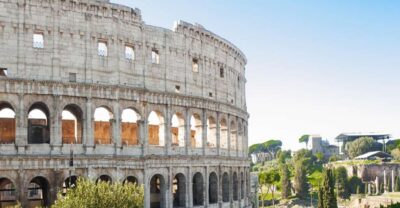
Colosseum & Forum with Audio Guide App -Optional Arena
Read our review →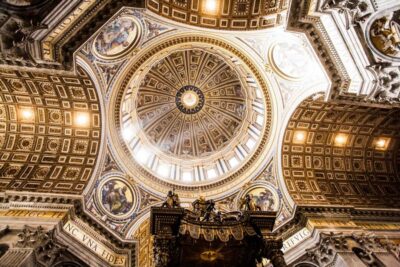
St. Peter’s Basilica & Dome Entry Ticket & Audio Tour
Read our review →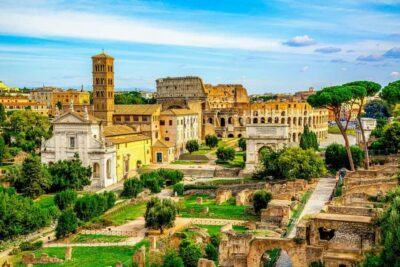
Colosseum, Roman Forum & Palatine Hill with Audioguide App
Read our review →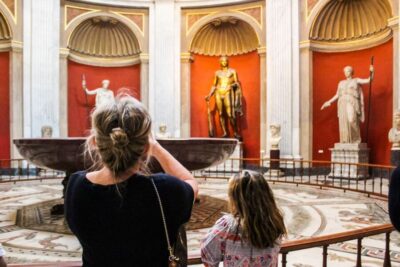
Vatican & Sistine Chapel Ticket with Optional Audio Guide
Read our review →
Castel Sant’Angelo Entry Ticket & Digital Audioguide
Read our review →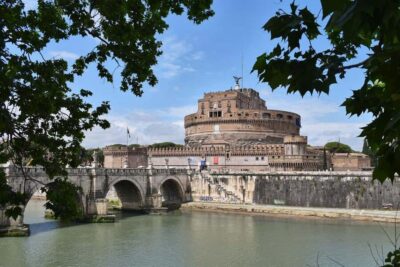
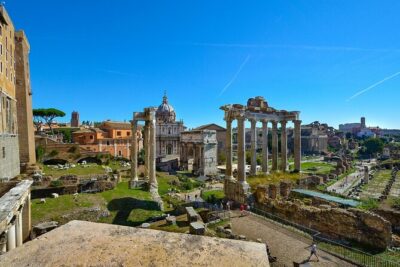
Colosseum, Forum, & Palatine Hill with Audio Guide
Read our review →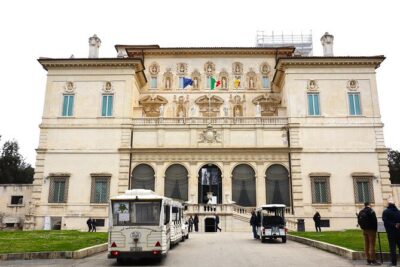
Borghese Gallery Skip-the-Line Ticket & Audioguide
Read our review →Browse the lists this tour appears in