
REVIEW · ROME AUDIO TOURS
Rome Colosseum, Roman Forum & Palatine Hill Audio Tour
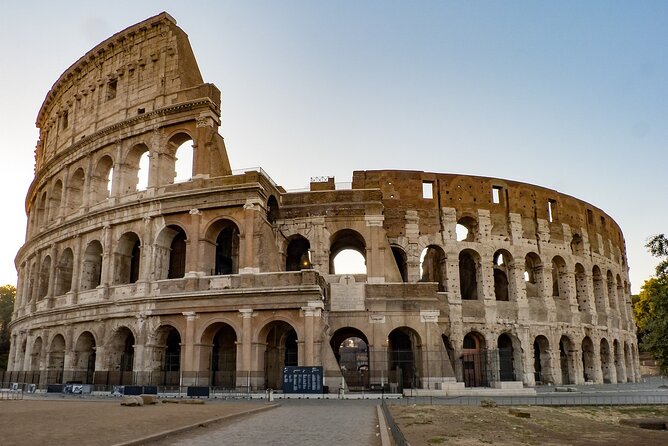
Rome’s ancient center rewards a slow look. This self-guided experience links the Colosseum, Roman Forum, and Palatine Hill in one visit, giving you about three hours to move through the places that shaped imperial Rome. I like the freedom of timed entry slots, and I like that the English audio guide points out details you could easily miss among the ruins. The main drawback is that you are on your own, and entry instructions or audio access may not always be clear.
I also like the small maximum group size of eight, though this is not a traditional small-group tour with a human guide. You receive admission to all three sites, but you do not receive personal guiding, headphones, or a printed guide. A few technical and ticketing problems have caused serious frustration, so careful planning matters.
Key points to know before booking
- Three major Roman sites in one ticket: Visit the Colosseum, Roman Forum, and Palatine Hill during one roughly three-hour outing.
- English audio guide included: The app adds explanations about gladiators, temples, emperors, and Rome’s legendary beginnings.
- You set the pace: Timed entry options help you fit the visit around lunch, museums, or other sights.
- No human guide or headphones: You need to manage the audio experience yourself, and the supplied information does not include personal equipment.
- Palatine Hill offers the best views: Look over the Roman Forum and Circus Maximus from the hill linked to Rome’s earliest legends.
- Book with a little caution: Most bookings go smoothly, but poor entry directions, audio logins, and last-minute ticket cancellations have been reported.
What this Rome audio tour actually gives you
At $47.82 per person, this experience sits above the basic admission cost because it combines entrance tickets, reservation arrangements, and an English audio guide. The listed Colosseum admission is valued at €18 per person, with a €2 reservation fee. The rest pays for the booking service and audio experience.
That price can make sense if you want the three main archaeological sights together and prefer to explore independently. You are not paying for a live expert, so the value depends on how much you appreciate recorded explanations and the convenience of one booking.
The visit begins at the Colosseum, at Piazza del Colosseo 1. It ends back at the same meeting point. The three stops are planned at about one hour each, but the audio format lets you linger, skip ahead, or pause when a view catches your eye.
You can select from a wide range of timed entry slots. That is useful in Rome, where a fixed schedule can eat into your day. This experience is booked an average of 18 days ahead, which tells you something practical: do not treat it as a last-minute walk-up plan during a busy visit.
More History Audio Tours in Italy
- Colosseum, Roman Forum & Palatine Hill with Audioguide App
★ 4.4 · 6,291 reviews - Rome: Colosseum, Ancient Rome Tour or AudioGuided Tour
★ 4.4 · 2,879 reviews - Colosseum, Roman Forum & Palatine Hill Entry and Audioguide
★ 4.1 · 2,475 reviews
Entering the Colosseum for the first hour
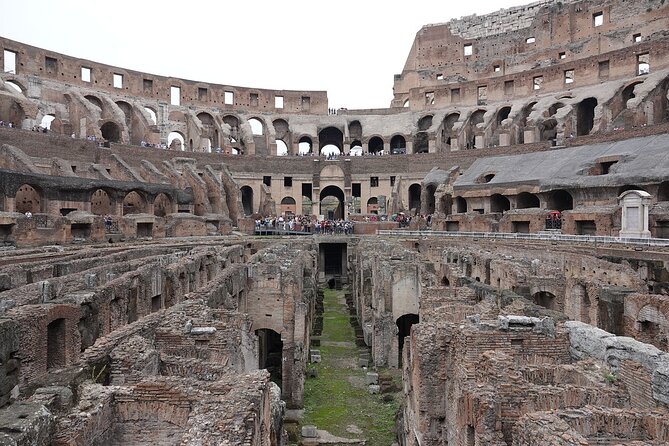
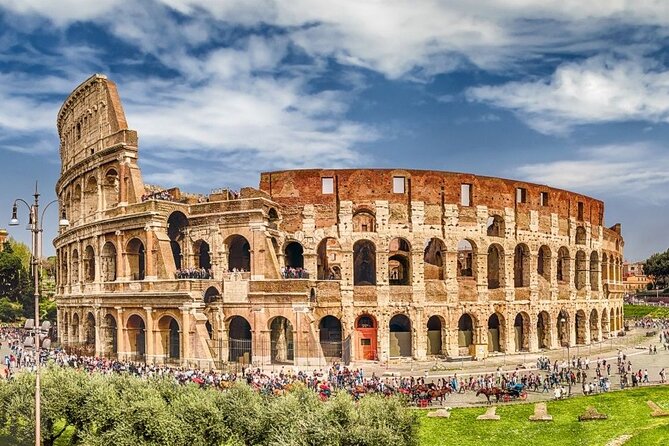
The Colosseum is the natural starting point, and it gives the tour its strongest first impression. Once inside, you can look across the arena where gladiatorial contests and public shows once drew enormous crowds. The audio guide helps turn the stone seating, arches, and arena floor into a working building rather than a silent shell.
I especially like the chance to see the hypogeum from above. These underground passages held fighters and animals before they were brought into the arena. You will not be wandering through the underground area on this experience, but looking down into it still shows how carefully the Roman shows were organized.
The building’s design deserves more than a quick photograph. Multiple levels, repeated arches, and carefully planned crowd movement reveal the practical side of Roman construction. The audio commentary is useful here because the structure can look simple from a distance. Up close, its scale and engineering become much clearer.
The guide also follows the Colosseum through later periods. It changed from an arena into a medieval fortress and eventually into one of Rome’s most recognizable symbols. That wider story is valuable because the monument you see today is not only a reminder of imperial entertainment. It also reflects centuries of reuse and change.
Allow about one hour for this stop. From the upper levels, you can frame the Roman Forum below, which gives you a preview of the next part of the visit. Bring patience for the entrance process, however. One person found the entry instructions too limited, while another entered without trouble after downloading the tickets. That mixed record means you should read every instruction carefully before arriving.
Walking through the Roman Forum
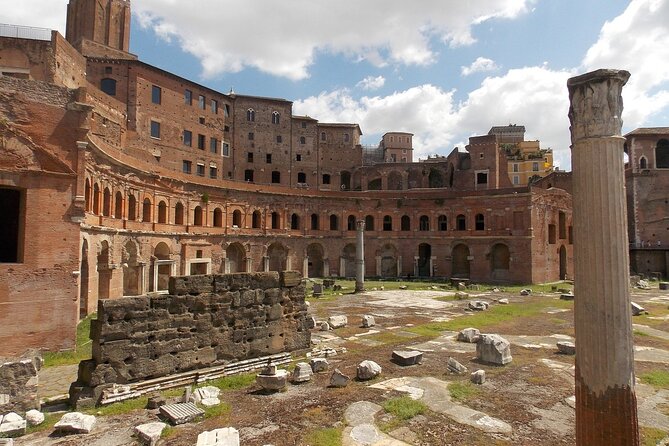
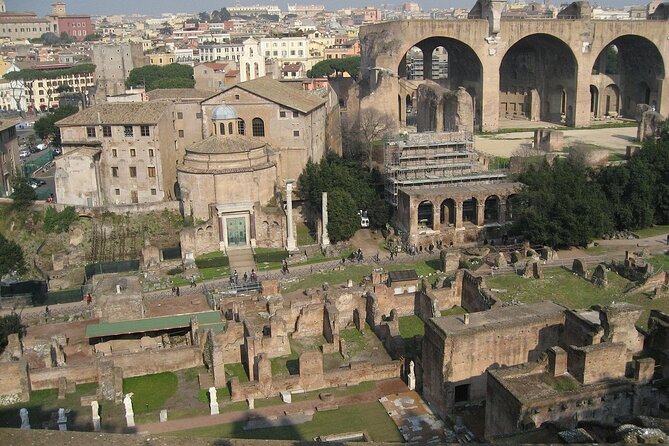
The Roman Forum is where the visit becomes less instantly readable. The Colosseum announces itself with its huge curved walls. The Forum spreads across a field of columns, foundations, arches, and broken temples. Without some explanation, it can be hard to know what you are looking at.
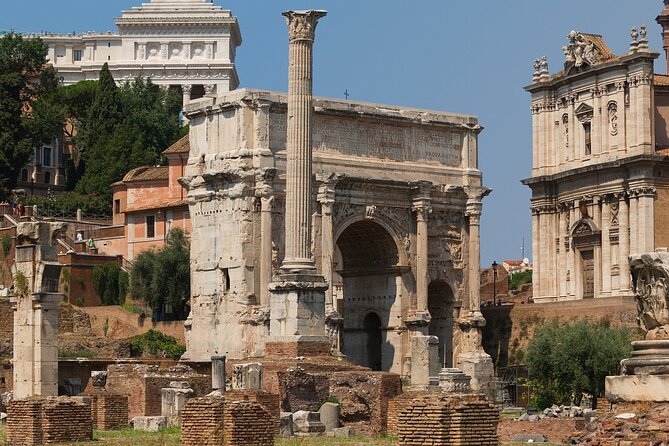
The audio guide helps put names and purposes to the ruins. You can see remains connected with the Temple of Saturn and the Temple of Vesta, along with other religious and civic buildings. These were not decorative leftovers. They were part of the political, commercial, and religious center of ancient Rome.
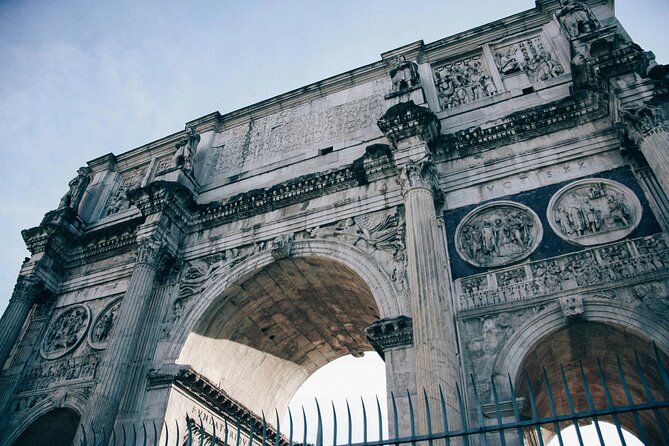
The Arch of Septimius Severus is one of the clearest monuments in the area. Its carved surface and surviving structure make it easier to picture how Roman leaders used triumphal arches to celebrate military victories. The audio commentary can help you connect the monument with the power it was designed to display.
The Curia, or Senate House, gives the Forum a more personal connection to Roman politics. This was the setting for major debates and decisions during the Republic. Nearby, the Rostra marks the public side of Roman life, where speakers including Caesar addressed the people.
I find the Forum most rewarding when you pause to picture activity rather than simply count ruins. Markets, religious ceremonies, official speeches, and processions once filled this space. The audio guide gives you the prompts, but you still need to supply some imagination.
Look for the House of the Vestal Virgins and the Regia as well. These sites connect the Forum with Roman religious life and show that sacred spaces were woven into the center of public business.
Plan for roughly one hour here, though the ground may make you want to move more slowly. The supplied information does not promise a printed map or guide, and one person specifically wished for printed material. If you prefer paper directions, this format may feel a little bare. The audio app is meant to carry the explanation, so keeping track of your place is important.
Palatine Hill and Rome’s earliest stories
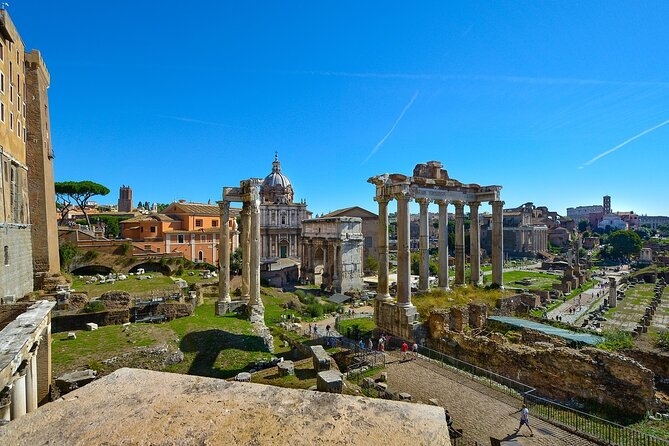
Palatine Hill is the final stop and, for many people, the most pleasant place to slow down. From its higher ground, you get broad views over the Roman Forum and Circus Maximus. It is also the best part of the visit for photographs, especially if you want the ruins arranged below you rather than filling the frame at close range.
The hill carries two different kinds of history. Roman legend places the founding of the city here, with Romulus and Remus at the center of the story. Archaeological remains then lead you forward to the imperial period, when emperors built large residences on the hill.
The ruins of the Domus Flavia and Domus Augustana show the scale of imperial living. The remains are open and fragmented, so the audio guide matters. It helps you picture the palaces as connected spaces rather than isolated walls.
The Farnese Gardens add a later layer. Their terraces and shaded paths bring Renaissance design into a setting already filled with ancient remains. This change in mood is one reason I would not rush Palatine Hill. After the crowds and heavy stonework of the Colosseum, the garden area can provide a quieter pause.
The hill also makes the whole route easier to understand. You move from arena entertainment, to public government and religion, to the high ground associated with Rome’s origins and imperial residences. The audio guide ties those layers together and gives you a sense of how the city changed over time.
Plan on about one hour here. Wear footwear you can manage over archaeological ground, though the supplied information does not specify conditions or accessibility details. Most people can participate, and the activity is near public transportation.
More History Audio Tours in Rome
- Rome: Colosseum, Roman Forum & Palatine Hill Visit + Audio Guide
★ 3.5 · 1,522 reviews - Rome: Roman Forum Super Pass Entry with Audio Guide App
★ 4.2 · 750 reviews - Colosseum, Roman Forum, Palatine Guided Tour or AudioGuide Option
★ 4.5 · 631 reviews - Colosseum, Roman Forum & Palatine Hill Admission With Audio Guide
★ 4.5 · 586 reviews
The English audio guide: useful, but not foolproof
The audio guide is the central feature that separates this experience from basic entry. It gives you historical context without forcing you to stay beside a group or match a guide’s pace. I like that freedom, especially at a site where one person may want to stop for photos while another wants to hear every explanation.
The weak point is the technology. Two people had trouble when their browser timed out. They had to log in again and then work out where they were in the audio. The absence of chapters or clear index points made that harder.
That is not a minor concern if you rely heavily on recorded commentary. Before entering, make sure you understand how to access the app and how to return to the correct section. The tour is offered in English only, so you should be comfortable following spoken English for the full experience.
No radio or headphones are included. The information also says there is no personal guide. You therefore need to handle the audio on your own, and the experience may be less satisfying if you want a historian nearby to answer questions or adjust the visit to your interests.
The small maximum group size of eight sounds intimate, but do not mistake it for a guided group of eight. The format remains self-guided. The advantage is personal freedom, not direct conversation with an expert.
Timing, entry, and the practical details
The full visit lasts about three hours, with approximately one hour at each site. That makes it possible to fit into a morning or afternoon, especially because the timed entry system offers a broad range of slots.
Start at the Colosseum, Piazza del Colosseo 1, Rome. The activity ends back at the meeting point. Admission to the Colosseum, Roman Forum, and Palatine Hill is included, along with the Colosseum reservation fee and English audio guide.
Confirmation arrives at booking. You should download or prepare your tickets before reaching the entrance rather than trying to sort out the process at the last moment. One booking had no trouble with downloaded tickets, while other bookings ran into confusing instructions or ticket problems.
The most serious issue involved a cancellation close to the visit. In one case, tickets were cancelled while the customer was leaving for the Colosseum. A chat representative initially said the tickets were fine, but entry was refused because the required voucher had not been issued. The matter took about two hours to sort out, though a refund was eventually processed.
The operator explained that the problem came from a technical issue with the ticket, not the voucher itself. That explanation may help clarify the process, but it does not erase the cost of losing a day in Rome. I would book this with enough time before an important travel deadline, and I would keep a backup plan for the day.
You can cancel for a full refund up to three full days before the start time. Changes or cancellations inside that window are not accepted and are not refunded. The experience also requires good weather. If bad weather causes cancellation, you are offered another date or a full refund.
Who will get the most from this experience
I would choose this tour if you want the main ancient Roman sights in one package and prefer not to follow a live guide. It suits independent visitors who like pausing for photos, moving at their own speed, and listening only to the sections that interest them.
It also works well if your Rome schedule is tight. The timed slots and three-hour structure let you plan around other stops. The audio commentary gives you more context than admission alone, particularly in the Forum and on Palatine Hill.
I would look elsewhere if you want a polished, human-led explanation from beginning to end. A live guide could help with questions, confusing ruins, and any last-minute entry trouble. This product does not include one.
Families and mixed-interest groups may appreciate the freedom, but the audio technology could be frustrating if several people need access at once. The lack of supplied headphones also matters. Review the instructions carefully, and do not assume a printed guide will be waiting for you.
Should you book the Colosseum, Forum, and Palatine Hill audio tour?
I would book it for the three-site coverage, flexible timing, and independent pace. The Colosseum is the headline, but the Forum and Palatine Hill give the visit its meaning. Together, they show Rome’s public entertainment, government, religion, imperial power, and legendary beginnings.
At $47.82, the price is reasonable if the convenience and audio guide are important to you. It is less compelling if you only want entry tickets or expect personal attention from a guide.
My advice is simple: book ahead, save the entry information, check the audio access before you arrive, and leave room in your schedule in case the instructions are less clear than expected. If you can accept a self-guided format and a small amount of technical risk, this is a practical way to see the ancient center of Rome.
FAQ
How long does the tour take?
The experience lasts approximately three hours. The suggested itinerary allows about one hour each for the Colosseum, Roman Forum, and Palatine Hill.
What sites are included?
Admission is included for the Colosseum, Roman Forum, and Palatine Hill. The Colosseum reservation fee is also included.
Is a personal guide included?
No. This is a self-guided experience with an English audio guide app. A personal guide is not included.
Are headphones provided?
No. The experience does not include radio equipment or headphones.
Where does the tour start and finish?
It starts at the Colosseum at Piazza del Colosseo 1, 00184 Rome. The activity ends back at the meeting point.
Can I cancel for a full refund?
Yes, if you cancel at least three full days before the experience start time. Cancellations or changes made less than three full days before the start time are not accepted or refunded. If poor weather cancels the experience, you are offered another date or a full refund.
Just added around Rome
- Pantheon Skip the Line Entry Tickets with Digital Audio Guide★ 3.5 · 52 reviews
- Trastevere: A Self-guided Audio Tour of Rome’s Medieval Village★ 4.5 · 3 reviews
- St. Peter’s Basilica: Dome Climb with Lift & Audioguide★ 4.5 · 13 reviews
- Audio guide in Vatican Museums and Sistine Chapel★ 4.5 · 12 reviews
- Navova square underground with audioguide★ 4.5 · 17 reviews
- The Roman Jewish Ghetto: A Self-Guided Audio Tour★ 4.0 · 8 reviews
- Experience: The Pantheon Audio Tour★ 4.5 · 4 reviews
- St. Mary’s Basilica, Pope Francis Tomb Audio Tour with Crypt★ 4.0 · 3 reviews
Historical Tours, compared.
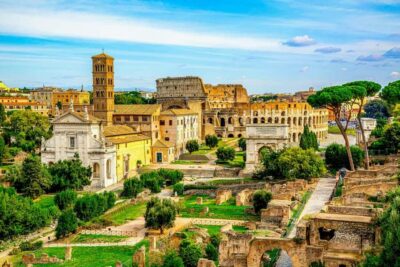
Colosseum, Roman Forum & Palatine Hill with Audioguide App
Read our review →
St. Mark Basilica Ticket, Audioguide+History Gallery
Read our review →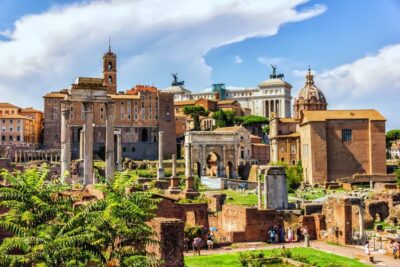
Colosseum, Ancient Rome Tour or AudioGuided Tour
Read our review →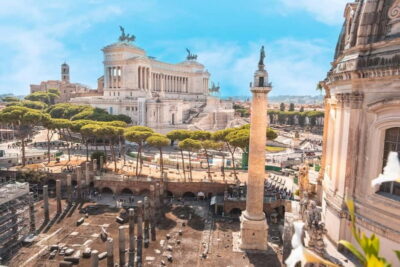
Colosseum, Roman Forum & Palatine Hill Entry and Audioguide
Read our review →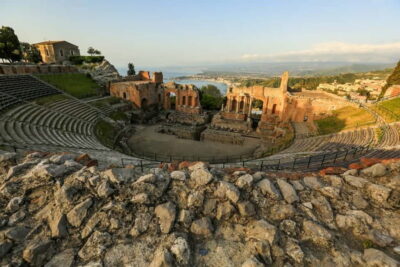
Taormina: Ancient Theater Skip-the-Line Ticket & Audio Guide
Read our review →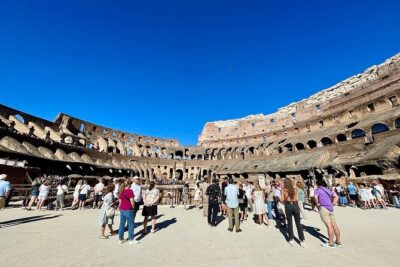
Colosseum, Roman Forum & Palatine Hill Visit + Audio Guide
Read our review →
National Archaeological Museum Ticket & Audio Guide
Read our review →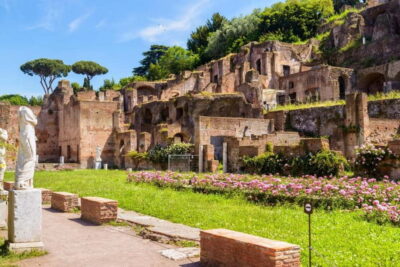
Roman Forum Super Pass Entry with Audio Guide App
Read our review →Browse the lists this tour appears in