
REVIEW · PALERMO AUDIO TOURS
Palermo: Botanical Garden Entry Ticket and Palermo Audio App
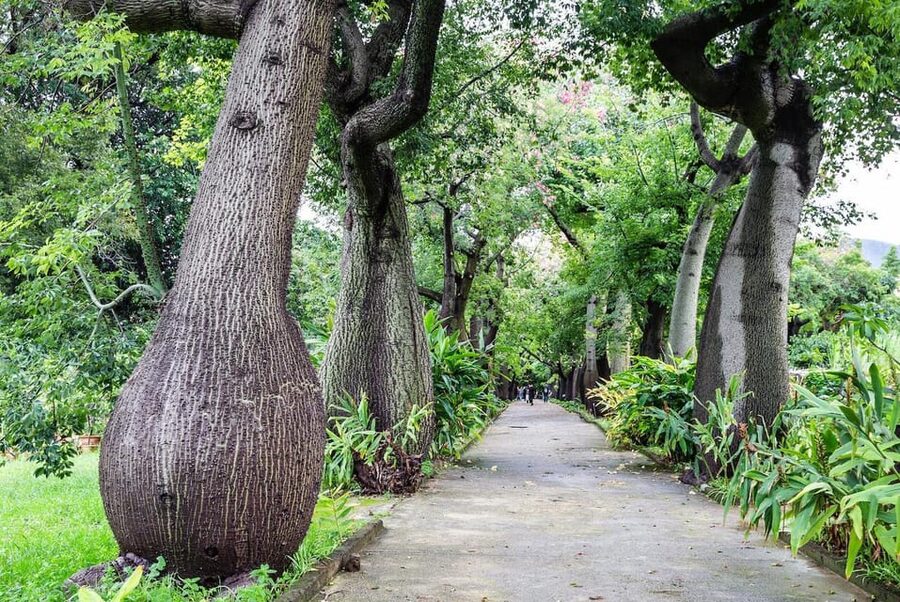
Palermo’s best quiet hour may be green. This $12 ticket brings you into the University of Palermo’s Botanical Gardens, a 10-hectare open-air museum near the sea, where Mediterranean, tropical, and subtropical plants grow side by side. I like the huge range of plants, especially the succulents, palms, and cycads, and I like that your ticket also includes a Palermo city audio guide. The main consideration is that this is a self-guided visit, so you will need to make your own sense of the garden’s history and plant collections.
I also like the freedom of a ticket valid for one day, rather than a tightly timed walking tour. You can set your own pace among the statues, bas-reliefs, and shaded paths. Just remember that the ticket is for the garden itself, not a guided tour, and group visits without a guide are limited to 15 people.
Key points to know before you go
- Founded in 1789: This is both a working academic garden and an open-air museum.
- About 12,000 plant species: You will see regional Mediterranean plants alongside tropical and subtropical collections.
- Ten hectares to explore: The size gives you room for a relaxed walk, but comfortable shoes matter.
- Historic art among the plants: Statues and bas-reliefs add a human touch to the garden’s scientific purpose.
- A useful extra at $12: Your admission includes a digital audio guide for Palermo City.
- Easy, independent format: Start at the main entrance, explore at your own speed, and finish there.
Why Palermo’s Botanical Garden earns a place in your day

Palermo can be noisy, sunny, and full of traffic. The Botanical Gardens offer a change of rhythm without asking you to leave the city. You enter through the main entrance and step into a large plant collection operated by the University of Palermo, founded in 1789.
That date matters. This is not simply a public park with a few labeled flowerbeds. The garden was created for botanical study, and its plant collections reflect that purpose. You get an outdoor museum, a research institution, and a peaceful city walk in one stop.
I like this kind of attraction because you do not need to rush from one major object to another. The visit is about noticing scale, shape, climate, and the way plants from different parts of the world live in Palermo’s favorable conditions. Some specimens are described as extraordinary in size, which gives the visit more impact than a quick stroll through decorative gardens.
The garden covers about 10 hectares, so plan for more than a brief photo stop. You can walk slowly, pause beside a plant collection, study the artwork, and still have time for the Palermo audio app. The exact amount of time you spend is up to you, since the ticket is valid for one day rather than tied to a fixed tour length.
More Smartphone Audio Tours in Italy
- Rome: Colosseum & Forum with Audio Guide App -Optional Arena
★ 4.2 · 24,770 reviews - Florence: Timed Entry to Michelangelo’s David + Audio App
★ 4.6 · 19,496 reviews - Florence: Cathedral & Brunelleschi’s Dome Ticket & Audio App
★ 4.4 · 6,973 reviews
What you see among 12,000 plant species

The headline number is approximately 12,000 plant species. You will not experience that as a simple list, and you should not expect every plant to command equal attention. The value is in the range: Mediterranean plants grow alongside tropical and subtropical specimens, creating sharp changes in form and scale as you move through the garden.
The succulent collection is a natural highlight for anyone interested in dry-climate plants. These plants show how much variety can come from storing water, with unusual shapes and substantial specimens. Palermo’s climate helps explain why plants from warmer regions can grow successfully here.
The palms and cycads offer a different kind of appeal. Their strong silhouettes make them easy to appreciate even if you are not a serious gardener. You can look for broad fronds, heavy trunks, and the larger examples that give the garden a sense of age and scale.
Regional Sicilian and Mediterranean flora also matters. It gives the collection a local anchor, rather than turning the entire visit into an imported plant show. You get a chance to see how the local climate supports both native or regional growth and plants from far warmer zones.
Because the garden contains so many species, you may want to choose a simple approach. Notice the largest plants first, then look for contrasts between dry-climate collections and tropical or subtropical growth. If you try to examine every plant equally, the visit could become tiring. A relaxed walk works better.
Statues, bas-reliefs, and the garden’s artistic side
Plants provide the main reason to come, but the statues and bas-reliefs prevent the garden from feeling like a purely scientific collection. These artistic features appear along the paths and add visual interest when you move between plant areas.
I like that combination. A garden built for academic study could feel formal or technical, but sculpture gives you other things to notice. You can pause for a photograph, study the details, or simply use the artwork as a marker while finding your way around.
The supplied information does not assign particular names or stories to the statues, so you should not expect a dedicated art tour. Still, their presence adds character. If you want detailed explanations of each piece, this ticket may feel limited because no guided tour is included.
The garden is also next to Villa Giulia, an 18th-century public garden. Its proximity adds to the setting, though access to Villa Giulia is not listed as part of this ticket. Think of it as a nearby complement, not an included stop.
A walk beside the sea, without leaving central Palermo
The garden’s position near the sea adds to its appeal. You are not visiting an isolated country estate. The Botanical Gardens sit within Palermo, close to Villa Giulia and the city’s coastal side, yet the plant collections create a quieter atmosphere.
That contrast is the real pleasure. You can spend part of your Palermo day among an academic collection, then return to the city’s streets and sights. The garden gives you a break from crowded interiors and hard pavement, though you should still expect a lot of walking across a 10-hectare site.
I would especially consider this stop if your day already includes churches, museums, and busy urban streets. It offers a different type of sightseeing. You are not collecting one more grand building. You are giving yourself time to look closely and slow down.
Do not expect a dramatic sea view from every path. The attraction is its location near the water and the way that setting supports the garden’s climate. The plants, not panoramic scenery, are the main event.
Same place, a different route to walk:
- Rome: Pantheon Fast-Track Ticket and Official Audioguide
★ 4.5 · 27,353 reviews - Rome: City Sightseeing Hop-on Hop-off Bus with Audioguide
★ 4.0 · 16,045 reviews - Pompeii: Entry Ticket with Audio Guide
★ 4.1 · 13,491 reviews - Venice: La Fenice Opera House Entry Ticket with Audio Guide
★ 4.6 · 11,742 reviews
The Palermo audio app: a useful extra, not a garden guide
Your ticket includes a digital audio guide of Palermo City. This is a helpful addition if you plan to see more of Palermo beyond the garden, but it should not be confused with a live botanical guide.
The garden visit itself is self-guided. No guided tour is included, and the information supplied does not describe a plant-by-plant audio commentary. You should therefore treat the app as a city companion rather than the main way to understand the garden’s collections.
That arrangement can work well. You can listen to the Palermo content at your own pace and avoid following a guide or a fixed group. You also have room to stop, take photographs, and spend extra time with the plants that interest you.
It can be less satisfying if you want detailed academic background. The garden is linked to the University of Palermo and has a long institutional history, but the ticket does not promise a specialist explanation. If you enjoy independent sightseeing, that is a minor drawback. If you want a lecture, choose a guided visit elsewhere.
How the visit works from entrance to exit
You begin at the garden’s main entrance. There is no separate meeting point in the city and no transportation included, so you are responsible for reaching the entrance on your own.
Once inside, you can explore the plant collections in the order that suits you. A sensible plan is to start with the broad collections, then focus on succulents, palms, and cycads. Leave time for the statues and bas-reliefs, and finish with an unhurried walk along the paths.
The garden visit ends back at the meeting point. That makes the logistics simple, especially if you are arranging the stop between other Palermo activities. You do not need to keep track of a return vehicle or find a guide at a different location.
The ticket is valid for one day, with starting times shown when you check availability. Since the published duration is one day rather than a fixed number of hours, you have flexibility. Still, do not read that as permission to leave and return repeatedly unless the booking terms specifically confirm it. The safest plan is to treat your admission as a visit within that day.
Wear comfortable shoes. This is practical advice, not a formality. The garden covers a large area, and a pleasant botanical visit quickly becomes less pleasant when your footwear is wrong.
Is $12 a fair price?
At $12 per person, the ticket is reasonably priced if you want more than a short photo stop. You get admission to a 10-hectare garden, access to all the plant collections, and a Palermo city audio guide.
The value depends on your interests. Plant lovers, photographers, and anyone who enjoys calm outdoor places will likely get more from the ticket than someone who wants a quick list of Palermo’s major monuments. The garden is large enough to reward a slow visit, but its appeal is quiet and observational.
The included city audio guide improves the price. Even if you spend only part of your day in the garden, you receive an extra digital resource for exploring Palermo. The available information does not state how long the audio guide is or how many stops it contains, so I would not buy this ticket solely for the app.
A 4.3 rating from 24 reviews suggests a generally positive response, though it is not a large sample. I would use that score as a mild sign of satisfaction, not as proof that the garden suits everyone. The strongest reasons to book are the plant collections, the peaceful setting, and the flexible self-guided format.
Who will enjoy this visit most?
I would recommend the garden to you if you like:
- Botany, gardening, or unusual plant forms
- Quiet outdoor attractions
- Independent sightseeing without a fixed group
- Historic settings with statues and architectural details
- A break from Palermo’s dense urban streets
- Flexible plans that can fit around the rest of your day
Families may also appreciate the open-air setting, though no special children’s program is included. People using wheelchairs can visit because the activity is listed as wheelchair accessible, but the garden’s large size still makes it wise to plan your energy carefully.
This is less suitable if you want a guide explaining every plant or a short, tightly organized tour. It is also not the right choice if you are looking mainly for food, drinks, or a staged cultural performance. Meals and beverages are not included, and the attraction is centered on walking and observation.
Pets are not allowed. Smoking is prohibited, including indoors, and flash photography is not allowed. These rules protect the plant collections and help keep the setting calm.
Practical booking advice for a smoother visit
Check the available starting times before booking, even though the ticket is valid for one day. The activity lists English, Italian, Spanish, French, and German for the host or greeter, and those same languages are listed in the additional information.
You can cancel up to 24 hours before the visit for a full refund. The reserve-now-and-pay-later option also gives you some planning flexibility, which is useful when your Palermo schedule is still changing.
If you are arranging an unguided group, keep the number at 15 people or fewer. Larger groups may need a guide or different arrangements. For a smaller party, the independent format is simple: meet at the main entrance, show your booking, and explore.
Bring comfortable shoes and a phone suitable for using the digital audio guide. The supplied information does not mention a printed map, seating areas, cafés, or luggage storage, so do not build your plans around those services.
Should you book Palermo’s Botanical Garden?
Book it if you want to see a quieter side of Palermo and you enjoy plants more than polished spectacle. The combination of 12,000 species, a 10-hectare setting, historic artwork, and a nearby coastal location gives you a worthwhile change of pace for $12.
Skip it if your Palermo schedule is extremely tight or if you need a live expert to explain every collection. The garden rewards time and curiosity, not a rushed checklist.
For most independent visitors, I see this as a good-value half-day-style stop that can also be shortened if needed. Go for the succulents, palms, cycads, statues, and calm paths. Keep your expectations clear: this is a self-guided botanical visit with a city audio app, not a guided lecture.
FAQ
Where is the Botanical Garden visit located?
The activity takes place at the Botanical Gardens of the University of Palermo in Palermo, Sicily. You begin at the garden’s main entrance.
How long is the ticket valid?
The ticket is valid for one day. Starting times depend on availability when you book.
What does the ticket include?
It includes entry to the Botanical Gardens, access to all plant collections, and a digital audio guide of Palermo City.
Is a guided tour included?
No. A guided tour is not included. You explore the garden independently.
How many plant species are in the garden?
The garden contains approximately 12,000 plant species, including Mediterranean, tropical, and subtropical plants.
Is the garden wheelchair accessible?
Yes. The activity is listed as wheelchair accessible.
Are pets allowed?
No. Pets are not allowed.
Can I take photographs?
Photography is allowed, but flash photography is not allowed.
What should I bring?
Bring comfortable shoes because the garden covers 10 hectares and includes walking paths.
Can I cancel the booking?
Yes. You can cancel up to 24 hours in advance for a full refund. A reserve-now-and-pay-later option is also available.
Just added around Italy
- Torino Walking Tour with Audio and Written Guide by a Local★ 4.5 · 35 reviews
- Medieval Canals and Fountains: A Treviso Self-Guided Audio Tour★ 4.5 · 4 reviews
- Trapani Walking Tour with Audio and Written Guide by a Local★ 4.0 · 8 reviews
- Trento Walking Tour with Audio and Written Guide★ 4.5 · 11 reviews
- Sicily: Selinunte Park Entry Ticket & Sicily Digital Audio Guide★ 4.5 · 4 reviews
- Taormina Walking Tour with Audio and Written Guide by a Local★ 4.5 · 41 reviews
- Taranto Walking Tour with Audio and Written Guide by a Local★ 5.0 · 5 reviews
- Siracusa Walking Tour with Audio and Written Guide by a Local★ 5.0 · 59 reviews
Smartphone Audio Tours, compared.

Colosseum & Forum with Audio Guide App -Optional Arena
Read our review →
Timed Entry to Michelangelo’s David + Audio App
Read our review →
Cathedral & Brunelleschi’s Dome Ticket & Audio App
Read our review →
Michelangelo’s David Priority Ticket & Audio App
Read our review →
Uffizi Priority Ticket & Masterpieces Audio App
Read our review →
Castel Sant’Angelo Entry Ticket & Digital Audioguide
Read our review →
Pantheon Priority Entry Ticket & Audio Guide App
Read our review →Browse the lists this tour appears in