
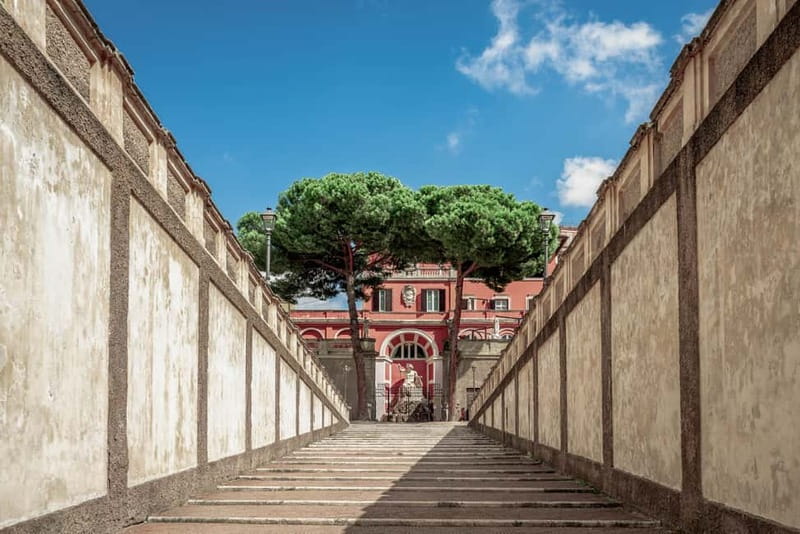
REVIEW · ROME AUDIO TOURS
Rome: Palazzo Barberini Galleria Corsini Ticket & Audioguide
Art and palaces share the spotlight here. This two-gallery ticket gives you a focused look at Rome’s Barberini Gallery and Corsini Gallery, with Bernini, Caravaggio, Raphael, and many other major artists on display. I especially like the chance to see both collections at your own pace, plus the useful app audioguide for added context.
I also like the architecture. Palazzo Barberini was designed for Pope Urban VIII, while Palazzo Corsini offers a different late-Baroque setting from the 18th century. The main drawback is that this is not a guided tour, and some rooms may occasionally be closed for conferences or other events.
Key points to know before you book
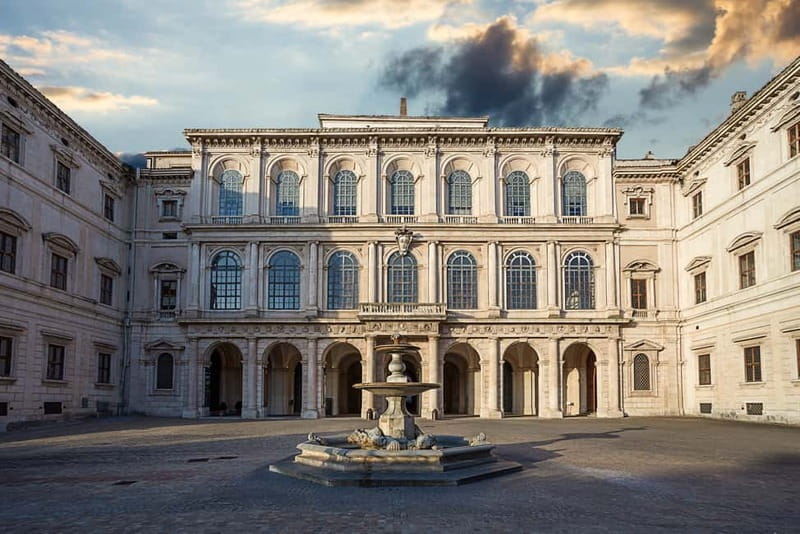
- Two historic palaces in one ticket: Visit Palazzo Barberini and Palazzo Corsini, each with its own art collection and architectural character.
- Bernini and Caravaggio are major draws: You can see important works connected with two of Rome’s most famous artists.
- A useful choice for independent visitors: You explore at your own speed rather than following a fixed group itinerary.
- The audioguide is app-based: You need to download the app to access the extra content.
- The ticket costs about $19 per person: That is fair value if you plan to visit both galleries and spend time with the paintings.
- Plan for possible room closures: One visitor found parts of the museum unavailable because of a conference, so the full route is not guaranteed on every date.
Why these two galleries make a good Rome pairing
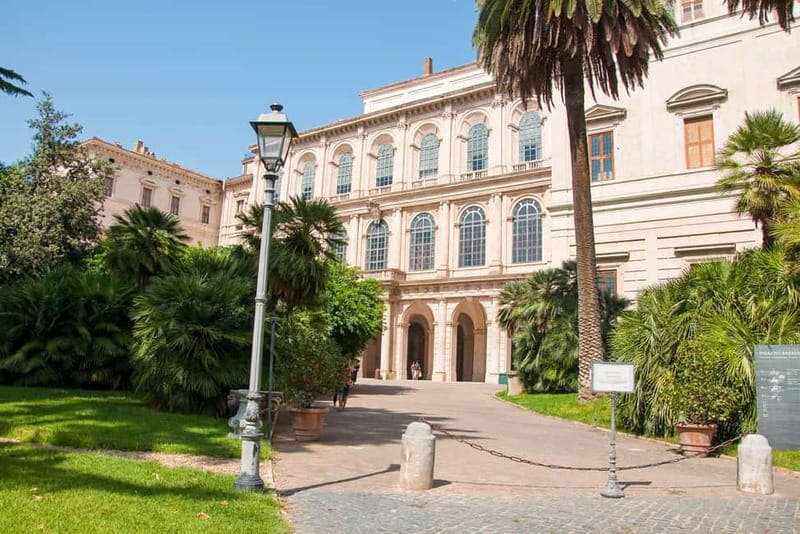
Rome has no shortage of famous museums, but these two galleries offer a manageable art outing rather than an all-day museum marathon. The ticket combines a grand Roman palace with a smaller late-Baroque residence, giving you two different settings in which to see Italian and European painting.
I like this pairing because the art is not limited to one school or period. You might move from Renaissance works to Baroque drama, then on to paintings by artists from northern Europe and Spain. The names connected with the collection include Bernini, Caravaggio, Raphael, Titian, Tintoretto, Rubens, van Dyck, Holbein, El Greco, Murillo, Ribera, Tiepolo, Lippi, Lotto, Poussin, Preti, Beato Angelico, and Raffaello.
That list matters because you are not paying to see only one signature painting. You get a broad sample of European art inside two historically important buildings. If you enjoy comparing styles, color, religious subjects, portraiture, and palace interiors, this ticket gives you plenty to consider.
The combined price is about $19 per person. That is sensible value if you visit both sites and use the audioguide, especially since separate admissions could make a two-museum visit less convenient. If you only want to see one major painting and leave quickly, the value is less convincing.
A few more audio tours around Rome worth a look
- Rome: Colosseum & Forum with Audio Guide App -Optional Arena
★ 4.2 · 24,770 reviews - Rome: City Sightseeing Hop-on Hop-off Bus with Audioguide
★ 4.0 · 16,045 reviews - Rome: St. Peter’s Basilica & Dome Entry Ticket & Audio Tour
★ 4.2 · 7,537 reviews
Entering Palazzo Barberini and the Barberini Gallery
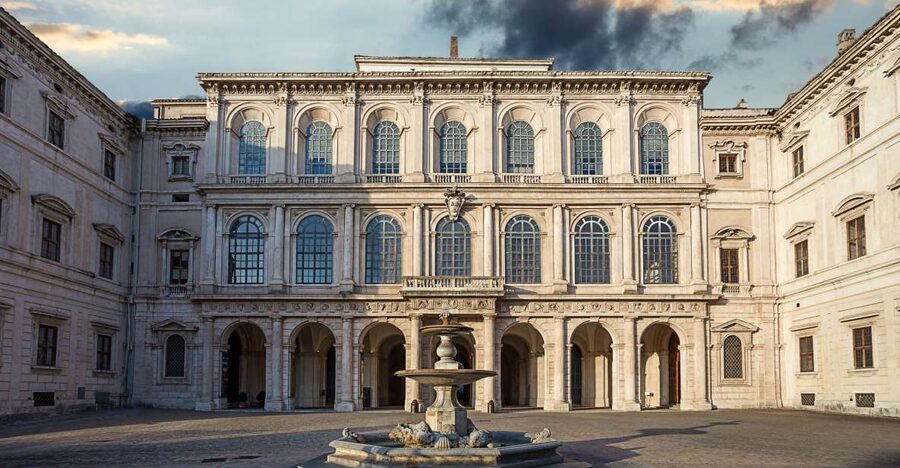
Your first step is to exchange your smartphone voucher at the Palazzo Barberini ticket office for the official entry ticket. The ticket includes skip-the-ticket-line access, which can save time at a busy Roman attraction, although you should still allow time for the voucher exchange.
Palazzo Barberini was created for Pope Urban VIII, a member of the Barberini family. Its design began in the 16th century on the former site of Villa Sforza, with Carlo Maderno involved as architect. The building itself is part of the visit, not just a container for paintings.
As you walk through the gallery, pay attention to how the art relates to the palace setting. Large rooms, formal decoration, and the sense of papal and aristocratic power help explain why these collections were assembled. Even if you are not an art specialist, the building gives the paintings a stronger sense of place.
The Barberini Gallery is the main attraction in this pairing. It contains works connected with Bernini and Caravaggio, along with paintings by Raphael, Titian, Tintoretto, Rubens, van Dyck, Holbein, El Greco, and others.
I would give this gallery the larger share of your attention. Caravaggio’s work rewards close looking because of its strong light and dark contrasts, while Bernini’s art reflects the movement and emotional force associated with the Roman Baroque. Raphael and the Renaissance painters offer a useful counterpoint, with a different approach to balance, figures, and space.
The exact works available can vary if rooms are closed or displays change. One confirmed issue is that part of the museum was unavailable during a conference on one visit. Do not assume every room will always be open, particularly if your Rome schedule is tight.
Looking closely at the Barberini collection
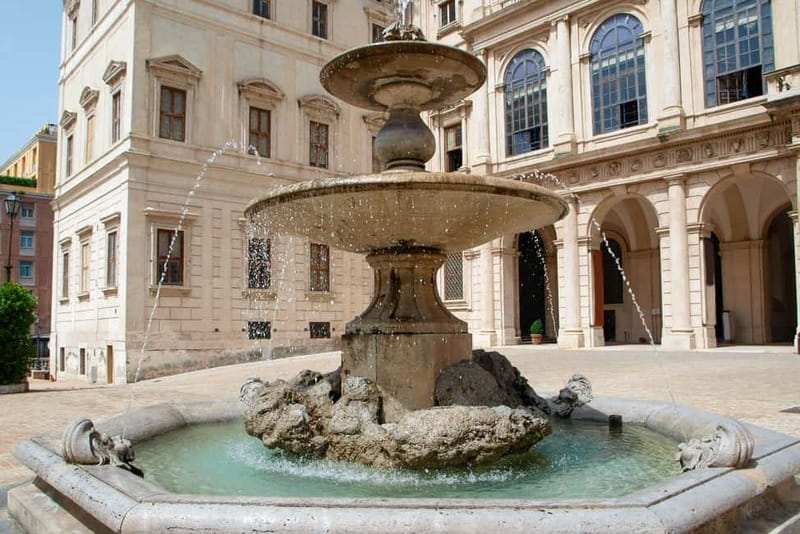
A good way to use the Barberini Gallery is to compare the artists instead of rushing from famous name to famous name. Notice how Raphael’s calm compositions differ from Caravaggio’s charged realism. Look at how the later Baroque artists use gesture, theatrical lighting, and movement to pull your eye through a scene.
The collection also gives you a chance to see artists who are less familiar to many first-time visitors. Lippi, Lotto, Preti, Poussin, Ribera, and Tiepolo help fill in the story between major periods. You do not need to know every name before arriving. The app audioguide can help you decide which works deserve more time.
The audioguide is digital rather than a live presentation. Download the app to access its content, and make sure your phone is ready before you begin exploring. Since the ticket does not include a guided tour, the app is your main source of organized interpretation.
That arrangement suits visitors who like to stop, read, and move on when ready. It is less suitable if you want a guide to lead you through the collection, answer questions, or explain the art in person. One piece of feedback praised a guided experience as pleasant and informative, but this specific ticket includes no live guide, so you should not book it expecting that format.
Continuing to the Corsini Gallery
The ticket also includes Galleria Corsini, part of Palazzo Corsini. The palace was built for the Corsini family between 1730 and 1740, and its late-Baroque design follows plans by Ferdinando Fuga.
This second stop changes the mood of the day. Palazzo Barberini reflects the grand ambitions of a papal family, while Palazzo Corsini presents a later aristocratic setting. Seeing both helps you understand how Rome’s powerful families used architecture, decoration, and art to express status.
The Corsini Gallery is a good reason to choose this ticket instead of visiting only Palazzo Barberini. It adds another palace interior and another collection without requiring you to commit to a large museum complex. You can look at the art, then step back and consider the rooms themselves.
The available information does not provide a detailed room-by-room list for Corsini, so you should treat it as a smaller companion visit rather than expect the same scale as Barberini. Its value comes from the combination of paintings and palace setting.
Use the audioguide here as well. The extra information can help you connect the Corsini family, the building, and the works on display. If you have already spent a long morning in museums, you can keep this stop shorter. If you are interested in architecture, allow more time to notice the design based on Fuga’s plans.
Same place, a different route to walk:
- Colosseum, Roman Forum & Palatine Hill with Audioguide App
★ 4.4 · 6,291 reviews - Vatican & Sistine Chapel Ticket with Optional Audio Guide
★ 4.1 · 5,405 reviews - Rome: Castel Sant’Angelo Entry Ticket & Digital Audioguide
★ 4.7 · 5,347 reviews - Rome: Castel Sant’Angelo Entry Ticket & Audio App
★ 4.3 · 4,952 reviews
How much time should you allow?
The ticket is valid for one day, with starting times shown when you check availability. It is designed for one visit to each attraction, so plan your day before you begin rather than treating the ticket as a flexible multi-day museum pass.
The supplied details also say the one-visit ticket is valid for 20 days after purchase. That wording concerns the period in which you can use the purchased ticket, while the visit itself is described as valid for one day. Check the date and time conditions at booking so you do not confuse purchase validity with unlimited entry.
You control the pace inside the galleries. That is useful in Rome, where a fixed group tour can feel too fast in one room and too slow in another. You can spend extra time with Caravaggio and Bernini, then move more quickly through works that interest you less.
I would not plan this as a quick photo stop. The strongest value comes from looking carefully at the art and using the app content. If you want to visit both buildings without rushing, reserve a meaningful part of your day rather than squeezing them between several timed attractions.
The practical side: tickets, access, and limitations
At Palazzo Barberini, exchange your smartphone voucher at the ticket office for the official entry ticket. The activity begins there and ends back at the meeting point, with no separate transport included.
The ticket is wheelchair accessible. It includes entrance to both Galleria Barberini and Galleria Corsini, along with the digital app audioguide. A live guided tour is not included.
The activity is non-refundable, so I would check your Rome schedule before paying. This matters if your plans may change or if you are choosing between several timed cultural visits.
The overall rating is 3.9 from 322 reviews. The strongest positive themes are easy to understand: the collection, the quality of the art, and helpful staff. One especially positive assessment praised the presence of Raphael and Caravaggio and the beauty of the palace. Another highlighted staff assistance, which can be useful when you are sorting out the voucher and official ticket.
The main caution is the possibility of restricted access. A conference made some areas unavailable on one visit. That does not mean the same thing will happen on your date, but it is worth remembering if you want a guaranteed full tour of every room.
Who will enjoy this ticket most?
I recommend it most strongly to independent art lovers who want famous names without a full-day guided program. It also suits first-time Rome visitors who want a structured museum stop but prefer to set their own pace.
The ticket is a good fit if you:
- Want to see Caravaggio and Bernini in a historic Roman palace
- Enjoy comparing Renaissance and Baroque art
- Prefer an app audioguide to a live group guide
- Like architecture as much as paintings
- Have enough time to visit both galleries
- Want a reasonably priced cultural activity at about $19 per person
It may be less suitable if you want a live expert explaining every room. It is also not ideal if you have only a short gap in your schedule, since the value depends on visiting both locations and giving the collections proper attention.
Families with mixed interests may find the flexible pace helpful. You can move on when attention fades, although the ticket is more appealing for people who already have some interest in art or historic buildings.
Is the Barberini and Corsini ticket worth booking?
Yes, if you want a self-guided art visit built around two palaces and major names such as Caravaggio, Bernini, and Raphael. At about $19, the ticket offers solid value when you visit both galleries and use the audioguide.
I would book it for a free half-day or a calm museum day, not as a rushed add-on between major Roman sights. Confirm the available time, prepare the app, and remember that some rooms can be unavailable. If you want a live explanation or personal questions answered as you walk, choose a true guided tour instead.
FAQ
What does the ticket include?
It includes entrance to Galleria Barberini, entrance to Galleria Corsini, and access to a digital app audioguide.
Does the ticket include a guided tour?
No. A guided tour is not included. The experience provides a digital app audioguide instead.
How much does the experience cost?
The listed price is $19 per person.
How long is the ticket valid?
The activity is described as valid for one day. The ticket information also states that one visit is valid for 20 days after purchase, so check the booking conditions for your selected date.
Where do I start the visit?
Start by exchanging your smartphone voucher at the Palazzo Barberini ticket office for the official entry ticket.
Is the experience wheelchair accessible?
Yes, the activity is wheelchair accessible.
Can every gallery room be visited?
Access to all rooms is not guaranteed. Some areas may be unavailable because of conferences or other events.
Just added around Rome
- Pantheon Skip the Line Entry Tickets with Digital Audio Guide★ 3.5 · 52 reviews
- Trastevere: A Self-guided Audio Tour of Rome’s Medieval Village★ 4.5 · 3 reviews
- St. Peter’s Basilica: Dome Climb with Lift & Audioguide★ 4.5 · 13 reviews
- Audio guide in Vatican Museums and Sistine Chapel★ 4.5 · 12 reviews
- The Roman Jewish Ghetto: A Self-Guided Audio Tour★ 4.0 · 8 reviews
- Experience: The Pantheon Audio Tour★ 4.5 · 4 reviews
- Navova square underground with audioguide★ 4.5 · 17 reviews
- St. Mary’s Basilica, Pope Francis Tomb Audio Tour with Crypt★ 4.0 · 3 reviews
Rome Audio Tours, compared.
Colosseum & Forum with Audio Guide App -Optional Arena
Read our review →
St. Peter’s Basilica & Dome Entry Ticket & Audio Tour
Read our review →
Colosseum, Roman Forum & Palatine Hill with Audioguide App
Read our review →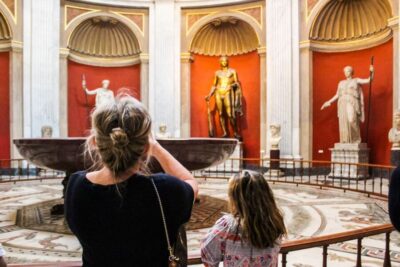
Vatican & Sistine Chapel Ticket with Optional Audio Guide
Read our review →
Castel Sant’Angelo Entry Ticket & Digital Audioguide
Read our review →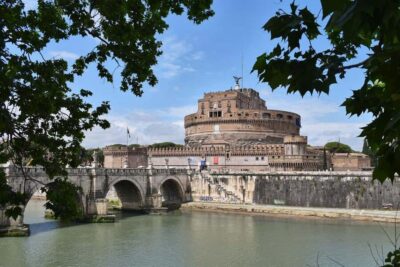
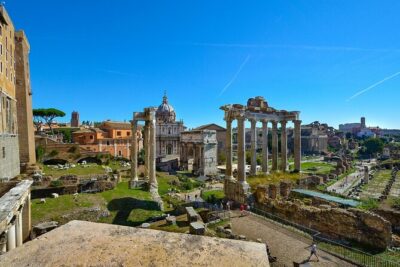
Colosseum, Forum, & Palatine Hill with Audio Guide
Read our review →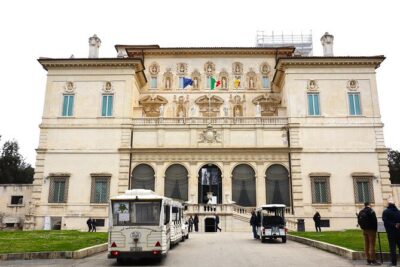
Borghese Gallery Skip-the-Line Ticket & Audioguide
Read our review →Browse the lists this tour appears in