
REVIEW · ITALY AUDIO TOURS
Antonio Canova Gypsotheca Museum: ticket and audio guide app
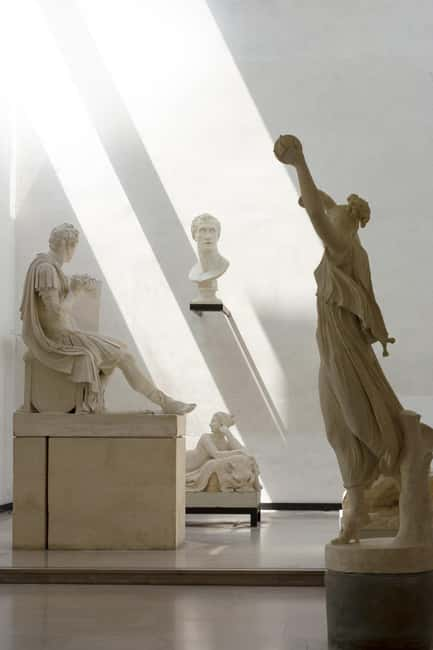
Canova’s white plaster world is surprisingly moving. The Antonio Canova Gypsotheca Museum in Possagno brings you face to face with the original plaster models behind some of the Neoclassical master’s best-known sculptures. I especially like the chance to see the full creative process, from large studio models to sketches, paintings, and working tools. I also like the freedom to explore at your own pace with the official audio guide app. The main consideration is that you need your own smartphone and earphones, and the experience is more self-guided than social or tour-led.
This is a focused art visit rather than an all-day attraction. Plan on about 1 hour and 30 minutes, then allow extra time if you want to look closely at the details or browse the bookshop. At $20 per person, the ticket offers good value for anyone interested in sculpture, Italian art, or the story behind a finished masterpiece. The museum is partially accessible, so check ahead if you have specific mobility needs.
Key points to know before you go
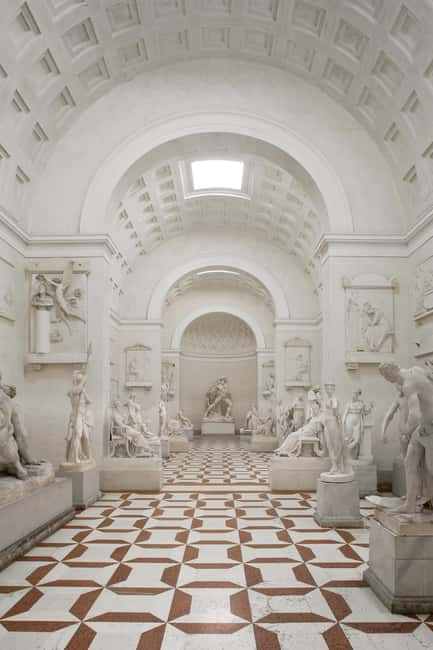
- Original plaster models: See the working models Canova used before his final marble sculptures were made.
- Two connected experiences: Visit the large Gypsotheca and then Canova’s birthplace, filled with sketches, paintings, and tools.
- Official audio guide app: Listen on your smartphone in Italian and other available languages, and bring your own earphones.
- Easy independent visit: You can set your own pace instead of following a fixed group schedule.
- Allow 90 minutes: The visit is compact but deserves unhurried attention, especially in the sculpture gallery.
- Possagno setting: The museum sits on Piazzale A. Canova in the hills of Veneto, with parking available nearby.
Why Canova’s plaster models matter
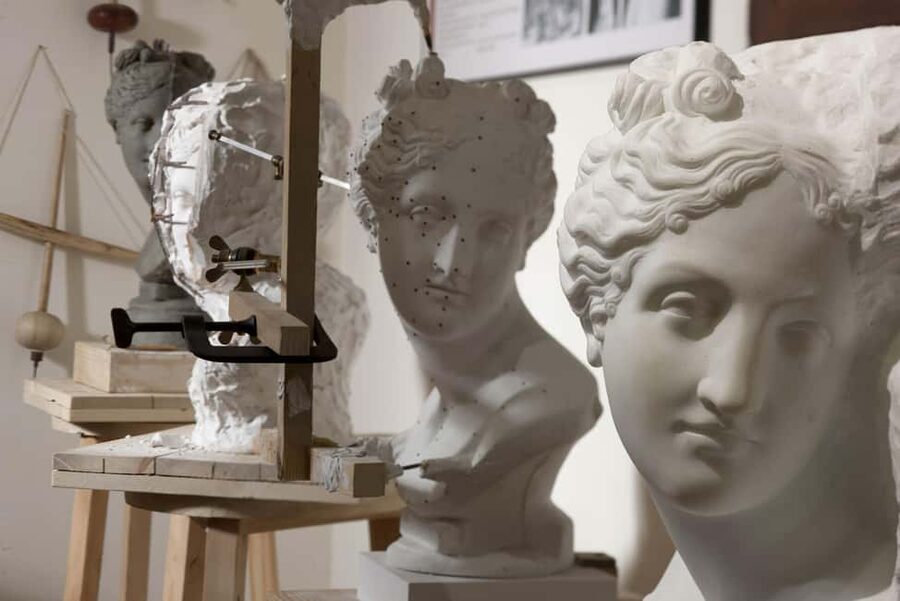
Most people know Canova through polished marble sculpture. The Gypsotheca gives you a different view. Here, you see the original plaster models connected to the artist’s finished works, not just later reproductions or photographs.
That difference matters. A plaster model shows the stage when Canova and his workshop were still shaping an idea. You can study the pose, proportions, folds, and expression before the design was transferred into marble. The work feels closer to the studio and to the artist’s hand.
The collection also helps you understand how much planning went into Neoclassical sculpture. These are not casual preparatory sketches enlarged into statues. They are carefully worked models that reveal how a finished piece took form.
I like this kind of museum because it slows you down. Instead of simply identifying famous names, you can look at how a sculpture was built as an idea. The large gallery gives the models enough room to make their scale and presence clear.
The atmosphere is also quite different from a crowded city museum. Possagno offers a quieter setting in the Veneto hills, and the visit feels tied to Canova’s own life rather than separated from it.
More Museum Audio Tours in Italy
- Florence: Uffizi Priority Ticket & Masterpieces Audio App
★ 4.2 · 6,402 reviews - Venice: St. Mark Basilica Ticket, Audioguide+History Gallery
★ 3.9 · 4,780 reviews - Rome: Borghese Gallery Skip-the-Line Ticket & Audioguide
★ 4.3 · 4,318 reviews
Inside the Gypsotheca, where the sculpture begins
Your visit starts in the Gypsotheca, the museum’s main gallery. This is the strongest part of the experience for most art lovers, since it houses the original plaster models of Canova’s works.
Expect a visual contrast between the pale plaster surfaces and the large, open exhibition space. The models are not presented as minor study pieces. They are the central objects, and their scale helps you understand the physical work behind Neoclassical sculpture.
Take your time with the smaller details. Look at hands, faces, hair, drapery, and the arrangement of the body. These elements can appear smooth and effortless in marble, but the plaster models let you think about the decisions that came first.
The official audio guide app adds useful structure. It provides historical and artistic information, along with facts and anecdotes about Canova’s life and work. This is helpful if you know little about the artist, but it should not overwhelm you if you already have some background.
You can listen to the sections that interest you and move on when you are ready. That freedom is one of the ticket’s practical strengths. A fixed guided visit can be rewarding, but an audio guide lets you spend longer with the works that catch your eye.
The main drawback is simple: the app depends on your phone. Bring it charged, and bring earphones. The ticket does not include physical earphones or a separate audio device. If you prefer direct conversation, a guided visit with a human guide is available by reservation for an extra charge.
Canova’s birthplace adds the personal side
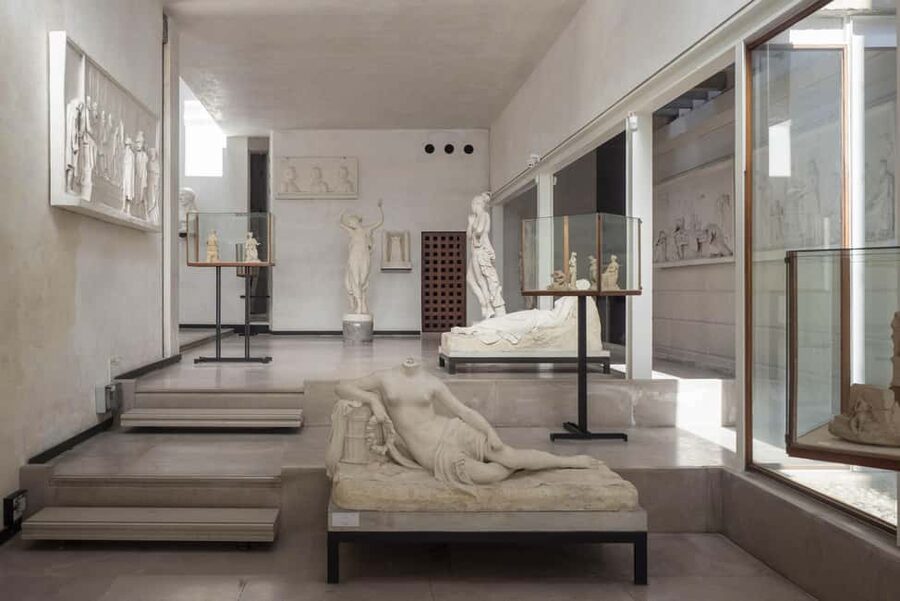
After the Gypsotheca, continue to Antonio Canova’s birthplace. This part shifts the focus from monumental sculpture to the artist’s working life.
You will see paintings, sketches, tools, and historic rooms connected with Canova. These objects help put the large plaster models into context. The Gypsotheca shows the finished studio process at a grand scale. The birthplace gives you smaller, more personal points of contact.
The sketches are especially useful for anyone who wants to see how an artist thinks before the final form appears. The tools make the work more physical. Sculpture can seem like a purely intellectual pursuit when you look only at marble figures in a formal gallery. Seeing working equipment brings back the labor, skill, and planning involved.
The historic rooms also make this more than a single-room sculpture display. You are not just moving from one artwork to another. You are following a path through Canova’s art, possessions, and local connection to Possagno.
I would treat this section as essential, not as an optional extra. The museum works best when you see both parts. The plaster models explain Canova’s method, while the birthplace gives the visit a human scale.
How to use the official audio guide
The audio guide is a web app for your smartphone. It is not a traditional handheld device handed to you at the entrance, so prepare before you begin.
Bring your own earphones, especially if you want to listen carefully without holding your phone. You can visit independently, pause when needed, and choose how much information you want at each stop.
The app includes explanations in Italian and other languages. The activity information identifies Italian as the main language, and some content may appear in its original language. If language support is important to you, check the available option when booking or before arrival.
I find an audio guide most useful when it helps you notice things you might otherwise miss. Here, that means listening for details about Canova’s life, the purpose of the plaster models, and the connection between the sculpture gallery and the birthplace.
Do not feel obliged to play every section from beginning to end. The visit lasts around 90 minutes, but the best pace depends on your interest. You might listen closely to several works, skim background material, and then spend quiet time looking without audio.
A guided visit is also available at an extra cost if you want questions answered in real time. For most independent visitors, the app should be enough. Art students, serious Canova fans, or anyone who prefers discussion may find the live option worth considering.
More Smartphone Audio Tours in Italy
- Rome: Colosseum & Forum with Audio Guide App -Optional Arena
★ 4.2 · 24,770 reviews - Florence: Timed Entry to Michelangelo’s David + Audio App
★ 4.6 · 19,496 reviews - Florence: Cathedral & Brunelleschi’s Dome Ticket & Audio App
★ 4.4 · 6,973 reviews - Florence: Michelangelo’s David Priority Ticket & Audio App
★ 4.4 · 6,812 reviews
How long the visit takes
The average visit lasts about 1 hour and 30 minutes. That is long enough to make the $20 ticket worthwhile, but short enough to fit into a larger day in Possagno.
If you are moving briskly, you may finish sooner. If you like sculpture, plan extra time. The plaster models reward close looking, and the birthplace has enough sketches, paintings, tools, and rooms to slow you down.
I would avoid squeezing this visit into a rushed gap between other appointments. The museum is not enormous, but the material needs attention. Give yourself at least the stated average time, plus a little margin for arrival and parking.
The ticket is valid for one day, with starting times based on availability. Advance booking is recommended on weekends and holidays. That is sensible for a small cultural visit, especially if you are building a day around it.
The entrance is on Piazzale A. Canova. Parking is available near the museum, which makes the site easier to reach by car than many historic art attractions in Italian city centers. Transportation to and from the museum is not included, so you need to arrange that part yourself.
Is $20 good value?
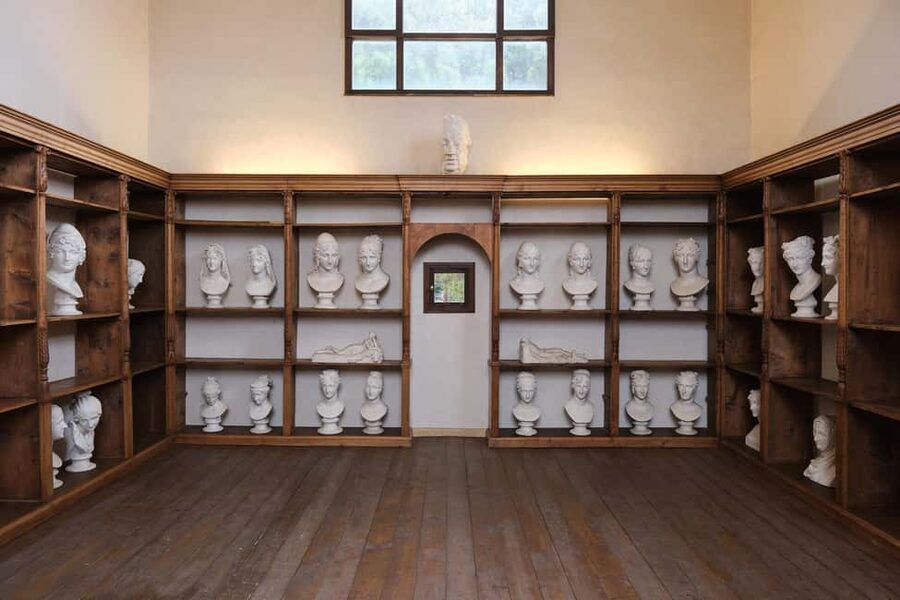
At $20 per person, this is not a bargain-basement museum ticket, but it offers more than a quick room of paintings. Admission covers the Gypsotheca, Canova’s birthplace, and the official audio guide app.
The value is strongest if you care about the process of sculpture. Seeing original plaster models gives the museum a clear purpose, and the birthplace adds another layer. You are paying for an organized visit to a specialized collection, not just entry to a general art museum.
Families may also find the format manageable. A 90-minute visit is easier to handle than a full-day museum, and the audio guide lets each person move at a comfortable pace. Children who respond to artists’ tools, large models, or the idea of turning plaster into marble may find plenty to notice, though the experience is still primarily aimed at people with an interest in art.
The value is weaker if you only want to see famous marble statues or need a guide to explain every room personally. The museum focuses on Canova’s plaster models and local life, so it is specialized rather than broad.
The overall rating is 4.7 from six verified reviews, with particularly strong praise for the impressive exhibition and the quality of the works. One Italian visitor described the Gypsotheca as a beautiful space filled with incredible works, while another summed up the visit as a simple encounter with a sublime master. Those comments match the ticket’s main strength: the collection itself is the reason to go.
Who should visit the Gypsotheca
I would recommend this experience to:
- Sculpture enthusiasts: The original plaster models are the main attraction.
- Canova admirers: You get both the artistic work and the artist’s birthplace.
- Independent museum visitors: The audio guide supports a self-paced visit.
- Families with older children: The visit is focused and not overly long.
- Art students: The models, sketches, tools, and process offer useful visual context.
- Visitors touring Veneto by car: Nearby parking makes Possagno practical as part of a wider outing.
You may want to skip it if you have no interest in sculpture or if your schedule allows only a very quick stop. This is not a general-purpose attraction with many unrelated displays. Its appeal depends on your willingness to look closely at one artist and one important part of his method.
The museum is partially accessible for people with reduced mobility. Since the exact access arrangements may matter for your needs, contact the museum in advance rather than relying on general assumptions.
A practical plan for your visit
Arrive at the entrance on Piazzale A. Canova and allow time to get oriented. Have your smartphone ready for the web app, and use your own earphones.
Start with the Gypsotheca. The large plaster models provide the clearest introduction to Canova’s work and deserve your freshest attention. Listen to the audio guide in short sections so you can alternate between information and quiet observation.
Then move to the birthplace. Look at the sketches and tools after seeing the larger models. You will have a better sense of why these smaller objects matter.
If you have extra time, return mentally to the pieces that caught your attention. The museum is not built around a frantic checklist. Its reward comes from comparing the stages of making and noticing how an idea changes from sketch to plaster model to finished sculpture.
The bookshop offers publications for purchase, but books are not included in the ticket. Lockers and cloakroom use are also not included, so avoid arriving with more luggage than you can comfortably manage.
Booking, cancellation, and timing tips
You can reserve ahead and pay later, which keeps your plans flexible. Free cancellation is available up to 24 hours in advance for a full refund.
Check the available starting times before booking, since the ticket is valid for one day rather than offering unlimited access across several dates. Weekend and holiday visits are the best time to reserve ahead.
The host or greeter is Italian, while the audio guide is available in Italian and other languages. Some content is presented in its original language, so a little patience may be useful if you select a language other than Italian.
Special events, themed evenings, school workshops, and educational activities are not part of this standard admission. Guided visits cost extra and require advance reservation.
Should you book the Antonio Canova Gypsotheca?
Book it if you want to understand how Canova’s sculpture developed before the marble stage. The combination of original plaster models, birthplace rooms, sketches, paintings, tools, and audio commentary gives you a clear, focused visit for $20.
I would especially recommend it as a thoughtful stop in the Possagno hills, not as a rushed add-on. Bring earphones, reserve ahead for busy dates, and give yourself the full 90 minutes. Skip it only if your interests lie elsewhere or if you need a live guide included in the basic ticket.
FAQ
Where is the Antonio Canova Gypsotheca Museum?
The museum entrance is on Piazzale A. Canova in Possagno, Veneto, Italy.
How long does the visit take?
The average visit lasts about 1 hour and 30 minutes.
What does the ticket include?
It includes entry to the Antonio Canova Gypsotheca, access to Canova’s birthplace, the official audio guide web app, and the complete visit through the plaster casts, sketches, paintings, and historic rooms.
Is the audio guide a physical device?
No. The audio guide is provided as a web app for your smartphone. Earphones are not included, so bringing your own is recommended.
Is the audio guide available in languages besides Italian?
The official audio guide is available in Italian and other languages. Some content may be shown in its original language.
Can I visit without a human guide?
Yes. The ticket allows you to visit independently and at your own pace. A guided visit with a tour guide is available by reservation for an additional cost.
Is the museum accessible and is parking available?
The museum is partially accessible for people with reduced mobility, so check in advance for specific needs. Parking is available near the museum.
Just added around Italy
- Torino Walking Tour with Audio and Written Guide by a Local★ 4.5 · 35 reviews
- Medieval Canals and Fountains: A Treviso Self-Guided Audio Tour★ 4.5 · 4 reviews
- Trapani Walking Tour with Audio and Written Guide by a Local★ 4.0 · 8 reviews
- Trento Walking Tour with Audio and Written Guide★ 4.5 · 11 reviews
- Sicily: Selinunte Park Entry Ticket & Sicily Digital Audio Guide★ 4.5 · 4 reviews
- Taormina Walking Tour with Audio and Written Guide by a Local★ 4.5 · 41 reviews
- Taranto Walking Tour with Audio and Written Guide by a Local★ 5.0 · 5 reviews
- Siracusa Walking Tour with Audio and Written Guide by a Local★ 5.0 · 59 reviews
Museums, compared.
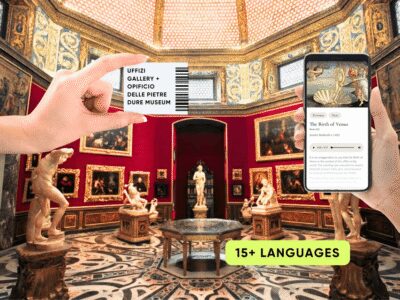
Uffizi Priority Ticket & Masterpieces Audio App
Read our review →
Louvre Museum Hosted Entry and Mona Lisa Audioguide
Read our review →
St. Mark Basilica Ticket, Audioguide+History Gallery
Read our review →
Borghese Gallery Skip-the-Line Ticket & Audioguide
Read our review →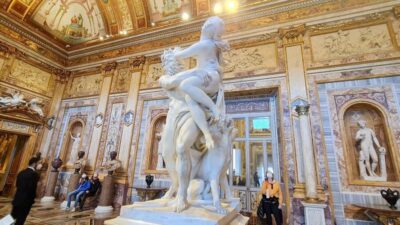
Borghese Gallery Ticket + Audioguide or Guided Tour
Read our review →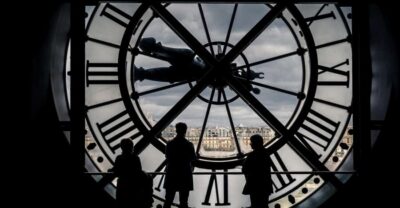
Orsay Museum Entry Ticket and Digital Audio Guide App
Read our review →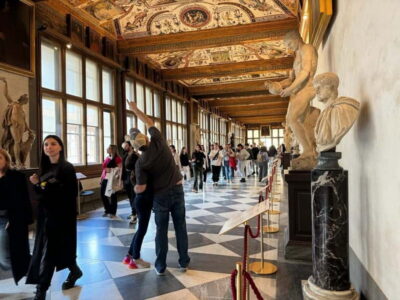
Uffizi Gallery Timed Entry Ticket & Audio Guide
Read our review →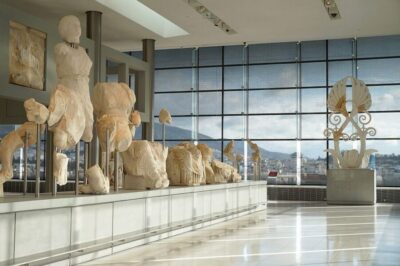
Acropolis Museum Ticket with optional Audio Guide
Read our review →Browse the lists this tour appears in