
REVIEW · MILAN AUDIO TOURS
Milan: Natural History Museum Entry Ticket & Audio Guide
Milan’s fossils have a story to tell. This two-hour visit combines admission to the Natural History Museum with a smartphone audio guide, giving you an easy way to explore paleontology, minerals, zoology, and botany at your own pace. I like the 40-plus audio stops and the digital map, which can help you make sense of a large collection without joining a formal group. I also like the peaceful setting inside Indro Montanelli Gardens.
The main caution is the digital setup. You need a charged phone and your own headphones, and the audio download process deserves care. A recent booking went badly when a visitor received confusing instructions and was sent toward the wrong museum website, so I would rely only on the QR code supplied with your voucher and confirm anything suspicious with museum staff.
Key points before you book
- More than 40 audio points: Follow stories about fossils, minerals, animals, plants, evolution, and conservation.
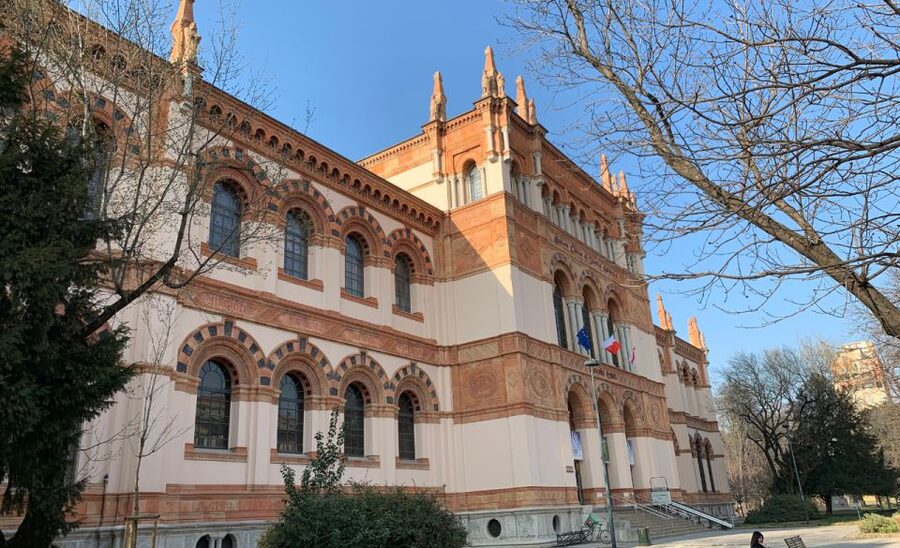
- A calm museum setting: The building sits inside Indro Montanelli Gardens on Corso Venezia, 55.
- About two hours: The planned length works well as a focused museum visit, not an all-day commitment.
- Your phone is the guide: Bring a charged smartphone and headphones, then scan the voucher QR code before arrival.
- Direct entry: Show the mobile e-ticket to staff at the museum.
- Check the price carefully: One recent booking noted that the museum or its own website may cost about €5, while this option can be more than double that amount.
What this Milan museum visit is really like
This is not a guided group tour with a person leading you from case to case. It is a self-guided museum visit built around a digital audio program. You enter with a mobile ticket, use the app or linked guide on your phone, and choose how closely you want to follow the suggested route.
That format has a clear advantage. You can pause when a fossil catches your eye, skip an exhibit that does not interest you, or spend longer in a section that suits your family or travel style. You are not waiting for a group to gather, and you do not need to keep up with a guide’s pace.
The tradeoff is just as clear. You must manage the technology yourself. A phone with little battery, poor preparation, or an unclear download link can take the shine off an otherwise simple museum visit.
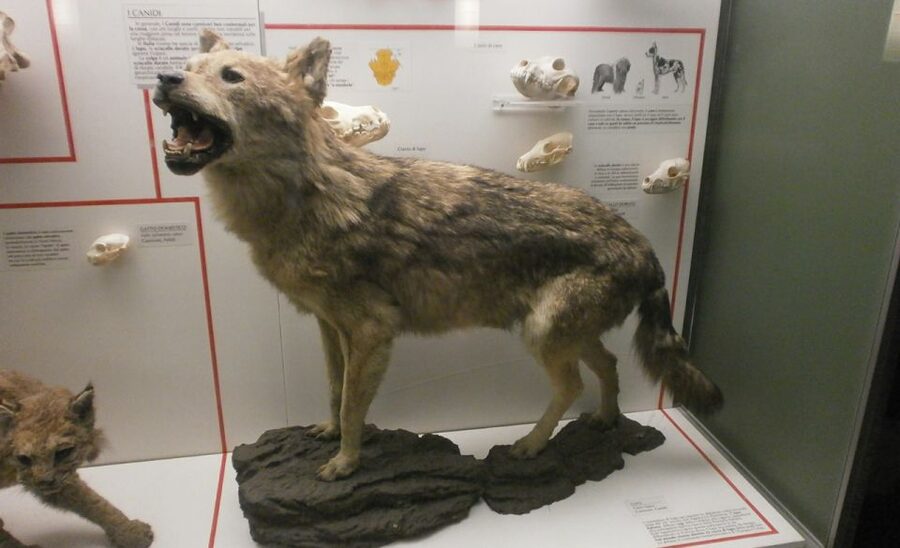
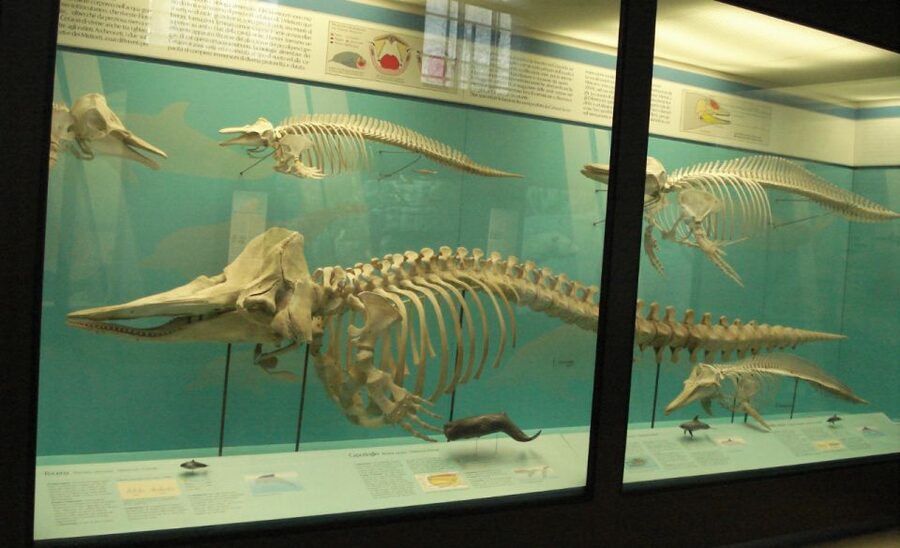
The museum covers several branches of natural science. You can expect material connected to paleontology, mineralogy, zoology, and botany, along with stories about evolution and efforts to protect the natural world. The audio points are intended to give these subjects a human shape, explaining why certain specimens matter rather than leaving you to read every label alone.
More History Audio Tours in Italy
- Colosseum, Roman Forum & Palatine Hill with Audioguide App
★ 4.4 · 6,291 reviews - Venice: St. Mark Basilica Ticket, Audioguide+History Gallery
★ 3.9 · 4,780 reviews - Rome: Colosseum, Ancient Rome Tour or AudioGuided Tour
★ 4.4 · 2,879 reviews
Entering at Indro Montanelli Gardens
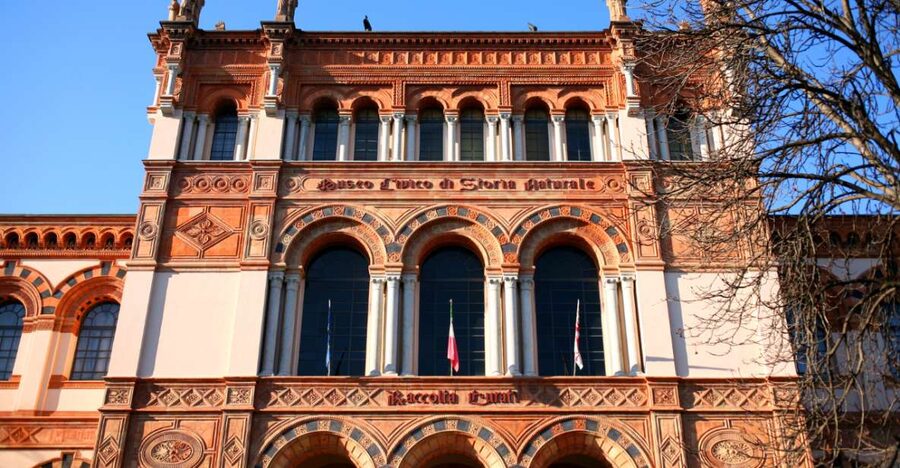
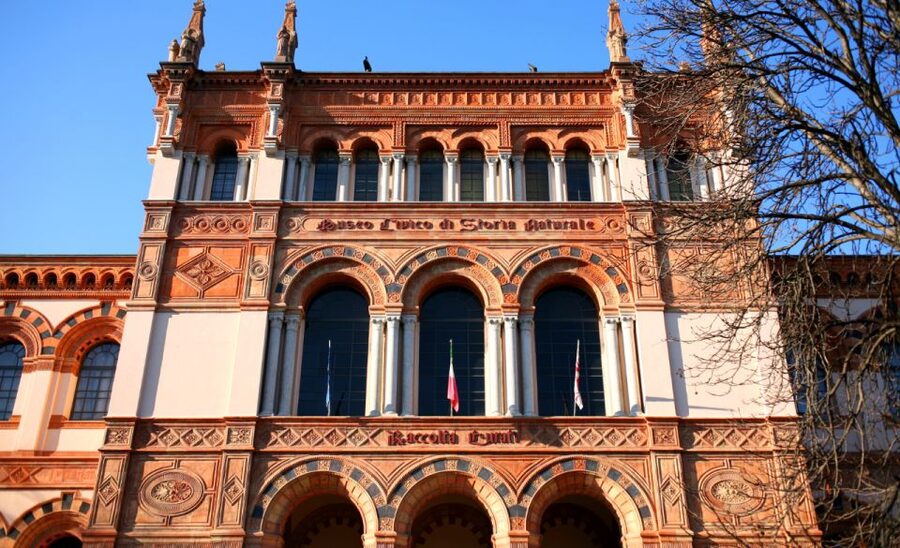
The museum is at Indro Montanelli Gardens, Corso Venezia, 55. That location gives the visit a pleasant sense of space before you even reach the galleries. The building itself is part of the experience, with historic architectural character and views toward the public gardens.
You should head directly to the museum rather than looking for a tour leader or meeting a group outside. Show your e-ticket on your phone to the venue staff. The ticket is designed to help you skip the ticket line, which matters most if you are visiting at a busy time or want to keep a tight Milan sightseeing schedule.
The booking information says the e-ticket is sent through WhatsApp within 24 hours of your travel date. That timing means you should not leave your phone preparation until the last minute. Check that the message arrives, keep the ticket easy to open, and take a screenshot if the booking system allows it.
The museum is listed as wheelchair accessible. That is useful for visitors who need step-free access, though the supplied information does not describe the exact route through every gallery or the details of lifts and facilities. If you have specific mobility needs, ask the venue before arrival.
How to prepare the audio guide
The audio guide is the part of this experience that needs the most attention. Scan the QR code on your voucher before arrival so the guide is ready when you enter. Bring your own headphones, since they are not included.
The listed audio languages are English, Italian, French, and German. The information notes German availability from April 15, while another part of the booking details lists German among the available languages. If German is important to you, check the current availability when you book and again before your visit.
Keep your smartphone charged. Two hours of audio, map use, and screen time can consume more battery than you expect, especially if you are also using your phone for Milan directions and photos.
I would take a few simple precautions:
- Download or open the guide before entering.
- Use the QR code on the official voucher.
- Avoid unfamiliar websites or links that do not clearly identify the Milan museum.
- If a link sends you to a different city or venue, stop and ask staff for help.
- Bring headphones that connect reliably to your phone.
One booking went wrong because the visitor was directed toward a suspicious site and then received a link for the Natural History Museum in London. That is not a normal part of the Milan visit, and it is a good reason to check the destination shown on any link before entering personal information.
Following the 40-plus audio stops
The audio route is meant to turn a museum full of cases into a connected story. With more than 40 points of interest, you will hear explanations tied to selected specimens and displays rather than simply wandering without direction.
The paleontology material gives you a way to think about life across past ages. Fossils are not just old objects behind glass. They help explain change over time, extinct forms of life, and the evidence scientists use to reconstruct earlier worlds. The audio can be especially useful here, since a fossil’s importance is not always obvious from its shape.
Mineralogy offers a different kind of visual appeal. Mineral formations can be striking, but their scientific value may be less immediately clear than that of an animal skeleton or fossil. The commentary helps place them within the larger study of the Earth and its materials.
The zoology displays shift attention to the variety of living forms. You can compare body structures, adaptations, and the great range of life represented in museum collections. If you are visiting with children, this section may give you the easiest subjects to discuss because animals offer an immediate point of connection.
Botany adds another piece to the story. Plants are central to life on Earth, yet they can receive less attention than dramatic fossils or large animal specimens. The combination of botany with zoology, geology, and paleontology gives the museum a broader view of nature rather than treating each subject as an isolated display.
The audio also addresses evolution and conservation. That pairing matters. The museum is not only looking backward at vanished species and ancient formations. It also connects scientific study with the present need to understand and protect living systems.
You do not have to listen to every stop. If you try to absorb all 40-plus points in detail, two hours may feel short. Use the map to choose the subjects that interest you most, then let the audio guide provide structure without turning the visit into homework.
More Museum Audio Tours in Italy
- Milan: Museum of the 900 Entry Ticket with Audio Guide
★ 4.4 · 72 reviews - Milan: Museum of the 900 Fast-Track Entry Ticket & Audio Guide
★ 4.0 · 12 reviews - Florence: Uffizi Priority Ticket & Masterpieces Audio App
★ 4.2 · 6,402 reviews - Rome: Borghese Gallery Skip-the-Line Ticket & Audioguide
★ 4.3 · 4,318 reviews
The building and gardens add to the visit
The museum’s historic building contributes to the mood. You are not entering a bare modern box designed only to hold display cases. The architecture has its own presence, and the museum’s position beside the public gardens gives you views and a break from dense city streets.
That setting makes this a good choice for a quieter part of a Milan day. The museum is not presented as a quick photo stop. It asks you to look, listen, and move through subjects that connect the distant past with the world around you.
A booking made on a Sunday described the museum as beautiful and very calm. That detail is useful if you prefer a slower visit. It does not guarantee the same atmosphere every day, but a quieter period can make the audio experience easier because you are less likely to feel rushed from one exhibit to the next.
The museum can also work well when the weather is poor. You get an indoor activity with enough content to fill roughly two hours, and the garden setting gives you somewhere pleasant to continue your walk afterward.
Is two hours enough?
Two hours is a sensible target for this experience. It gives you time to enter, get the audio working, follow a selection of the main stops, and look at the exhibits without planning your entire day around the museum.
You should not treat two hours as a strict finish line. The duration is an estimate, and your pace will depend on how much audio you hear and whether you stop to study particular specimens. A family with children may move quickly through some sections and linger in others. A science enthusiast may want longer.
If you have only a short window in Milan, this is easier to fit in than a major art museum. You can pair it with a walk through Indro Montanelli Gardens and continue along Corso Venezia afterward. The self-guided format also means you are not tied to a group’s departure time.
The limitation is that the museum may feel too small or too quiet for someone seeking a major spectacle. One low rating described it as faded in appearance. That criticism points to an important expectation: this is a historic natural history museum, not a flashy, high-tech attraction with constant visual effects.
Price and value at about $12
At about $12 per person, the price is reasonable if you value convenience and the audio content. You receive museum admission, a digital guide, and a map that helps you navigate more than 40 audio points. For a visitor who wants explanations in English or another supported language, that can be worth paying for.
The value is less convincing if you only want entry. One recent booking pointed out that buying through the museum or its own site may cost around €5 without a discount, while this option can cost more than twice that amount. Prices and availability can change, so compare the direct museum price before paying.
I would think of the extra cost as a convenience fee. You are paying for a ready-made audio route and the ease of arranging admission before you arrive. If you are happy reading displays independently, buying the least expensive direct ticket may make more sense.
The self-guided format also helps keep the cost below a private guide. You do not pay for a person to lead you, but you also do not get the chance to ask questions or receive personal explanations. That is the central value choice here.
Who will enjoy this experience most?
I would recommend it to visitors who like science museums, fossils, animals, minerals, and plants, but who do not want a long formal tour. It also suits independent visitors who prefer to set their own pace and families who may need to pause or skip sections.
The museum is a useful choice for:
- First-time visitors who want a structured introduction to Milan’s natural history collection.
- English, Italian, French, or German speakers who prefer listening to reading.
- Families looking for a manageable indoor activity.
- Visitors spending a morning or afternoon near Corso Venezia.
- Anyone who wants a calm stop beside public gardens.
It is less suitable if you dislike using your phone during a museum visit or if you expect a live guide. You may also want to skip it if you are only booking because the audio option sounds impressive but have no interest in natural science. The guide adds context, but it cannot change the subject matter.
Practical advice for a smoother visit

Before leaving your hotel, check the WhatsApp message and locate the e-ticket. Scan the QR code and prepare the audio guide before you reach the entrance. That small bit of work can save time at the museum.
Wear headphones that let you hear clearly without blocking all awareness of your surroundings. You still need to move through galleries and pay attention to the people around you.
Keep the digital map open or easy to return to. With more than 40 audio points, it can help you understand where you are and prevent you from missing the sections you most want to hear.
Plan a little flexibility around the two-hour duration. The museum is next to Indro Montanelli Gardens, so you can add a walk before or after the visit without needing another ticketed attraction.
Finally, compare the price with the museum’s own sales channel. The booking is most appealing when you value advance planning, language support, and the audio route. It is less attractive when direct admission is much cheaper and you are comfortable exploring alone.
Should you book Milan’s Natural History Museum audio visit?
Book it if you want a quiet, self-guided museum stop with clear subject coverage, a digital map, and more than 40 audio points. The combination of fossils, minerals, animals, plants, evolution, and conservation gives you more variety than a single-theme exhibit, while the two-hour length fits neatly into a Milan itinerary.
I would not book it without checking the price and preparing the audio first. The direct museum option may be cheaper, and the digital instructions have caused at least one serious problem. If the cost is close enough and you value convenience, this is a practical way to see the museum. If saving money matters most, compare tickets directly and consider exploring without the paid audio add-on.
FAQ
Where is Milan’s Natural History Museum located?
It is at Indro Montanelli Gardens, Corso Venezia, 55, in Milan.
How long does the experience last?
The stated duration is about two hours. Your actual visit can be shorter or longer depending on how many audio points you follow.
Is this a guided tour with a person?
No. It is a self-guided visit with museum admission and a digital audio guide.
How many audio points are included?
The audio route includes more than 40 points of interest.
Which languages are available?
The listed languages are English, Italian, French, and German. German availability is noted from April 15, so check the current status when booking.
Do I need to bring headphones?
Yes. Headphones are not included, so you should bring your own.
Do I need a smartphone?
Yes. You need a charged smartphone to show the e-ticket and use the digital audio guide.
How do I enter the museum?
Show your e-ticket on your mobile device to the staff at the venue. The ticket is intended to let you skip the ticket line.
Can I cancel for a full refund?
Yes. You can cancel up to 24 hours in advance for a full refund.
More History Audio Tours in Milan
- Colosseum, Roman Forum & Palatine Hill Entry and Audioguide
★ 4.1 · 2,475 reviews - Taormina: Ancient Theater Skip-the-Line Ticket & Audio Guide
★ 4.5 · 2,412 reviews - Rome: Colosseum, Roman Forum & Palatine Hill Visit + Audio Guide
★ 3.5 · 1,522 reviews - Athens: National Archaeological Museum Ticket & Audio Guide
★ 4.3 · 1,330 reviews
More Museum Audio Tours in Milan
- Paris: Louvre Museum Hosted Entry and Mona Lisa Audioguide
★ 4.6 · 5,235 reviews - Rome: Borghese Gallery Ticket + Audioguide or Guided Tour
★ 4.6 · 3,219 reviews - Paris: Orsay Museum Entry Ticket and Digital Audio Guide App
★ 4.4 · 3,170 reviews - Florence: Uffizi Gallery Timed Entry Ticket & Audio Guide
★ 4.2 · 2,794 reviews
Just added around Milan
- Milan Walking Tour with Audioguide on Your Smartphone★ 5.0 · 6 reviews
- Self Guided Tours In Milan With 100 Captivating Audio Stories★ 5.0 · 2 reviews
- Milano Walking Tour with Audio and Written Guide by a Local★ 4.5 · 13 reviews
- Mysteries of Milan: Uncover the city’s lesser-known tales on this audio tour★ 4.5 · 2 reviews
- Audio Guide for the Duomo – Milan Cathedral (no ticket)★ 4.0 · 5 reviews
- Milan: Museum of the 900 Fast-Track Entry Ticket & Audio Guide★ 4.0 · 12 reviews
- Milan: Sforza Castle Entry Ticket & Audio Guide★ 3.5 · 13 reviews
- Best of Milan audio tour: From the gorgeous Duomo to Castello Sforzesco★ 5.0 · 2 reviews
Museums, compared.
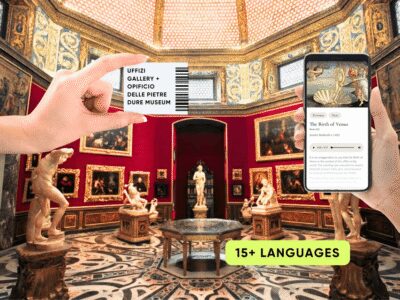
Uffizi Priority Ticket & Masterpieces Audio App
Read our review →
Louvre Museum Hosted Entry and Mona Lisa Audioguide
Read our review →
St. Mark Basilica Ticket, Audioguide+History Gallery
Read our review →
Borghese Gallery Skip-the-Line Ticket & Audioguide
Read our review →
Borghese Gallery Ticket + Audioguide or Guided Tour
Read our review →
Orsay Museum Entry Ticket and Digital Audio Guide App
Read our review →
Uffizi Gallery Timed Entry Ticket & Audio Guide
Read our review →
Acropolis Museum Ticket with optional Audio Guide
Read our review →Browse the lists this tour appears in