
REVIEW · MILAN AUDIO TOURS
Milan: Museum of the 900 Entry Ticket with Audio Guide
The Duomo is only the beginning. Milan’s Museum of the 900 combines major 20th-century Italian art, striking architecture, and superb views of the cathedral in one easy two-hour visit. I like the smartphone audio guide, which adds context without tying you to a group, and I like the chance to see Milan’s modern artistic story inside the Palazzo dell’Arengario. The main drawback is simple: you need a charged phone and your own headphones, and an app cannot answer questions like a live guide.
The $14 price is fair if you want a focused museum visit and useful explanations in English, French, German, or Italian. The digital map and more than 40 audio points help you get your bearings fast, but the experience will suit independent visitors more than anyone seeking a personal, discussion-based tour.
Key points to know before you go
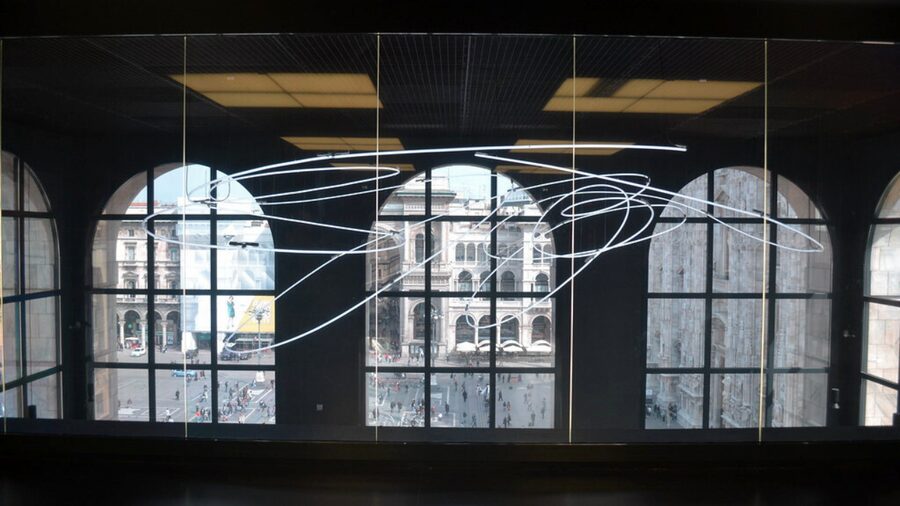
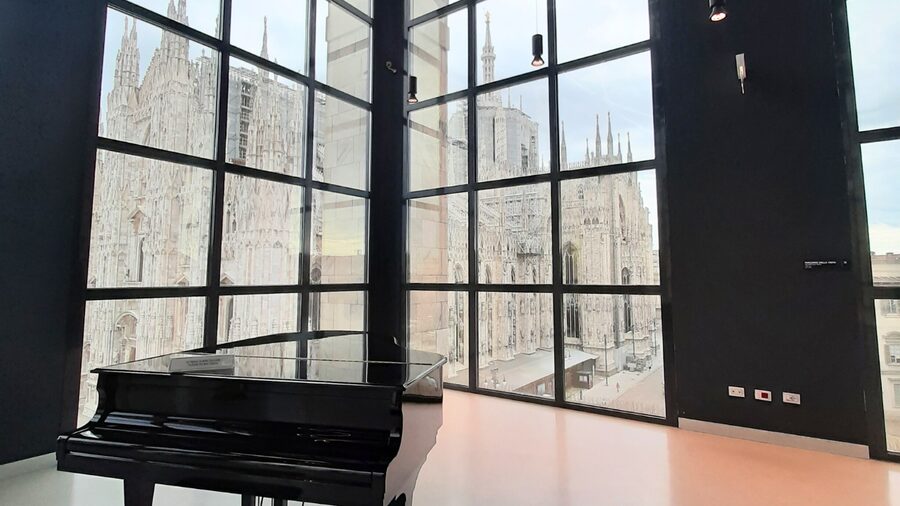
- Duomo views: Large windows and the museum’s central location give you memorable views of Milan’s cathedral.
- Modern Italian art: The collection covers Futurism, Metaphysical Painting, Spatialism, and Arte Povera, along with other major 20th-century movements.
- More than 40 audio stops: The app provides stories about artworks, artists, the building, and Milan’s cultural life.
- Two-hour visit: That is enough time for a strong overview, though serious art fans may want longer.
- Direct entry: Go to Piazza del Duomo 8 and show your mobile e-ticket to museum staff.
- Best preparation: Bring headphones and charge your smartphone before arriving.
Why the Museum of the 900 belongs on your Milan list
Milan is famous for Gothic stonework, fashion, design, and opera. Yet the city also played a major part in Italy’s modern art story. The Museo del Novecento, often called the Museum of the 900, gives you a compact way to explore that side of Milan.
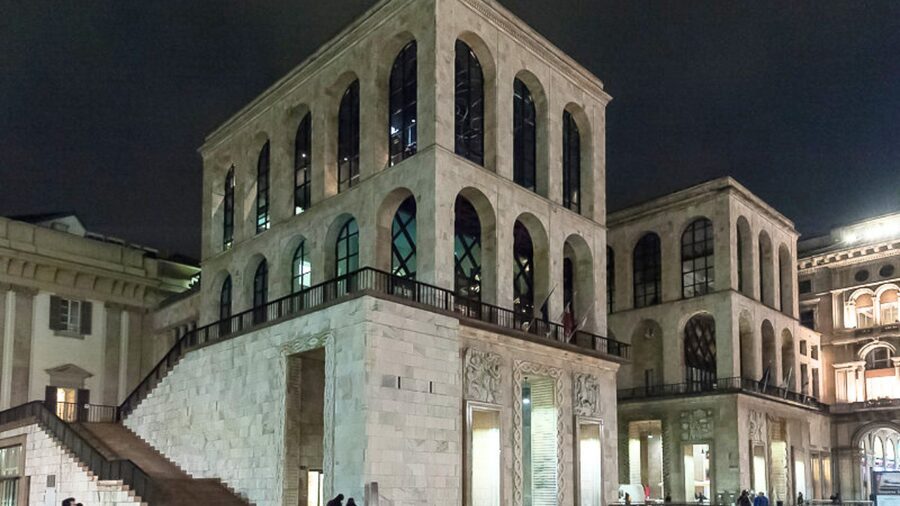
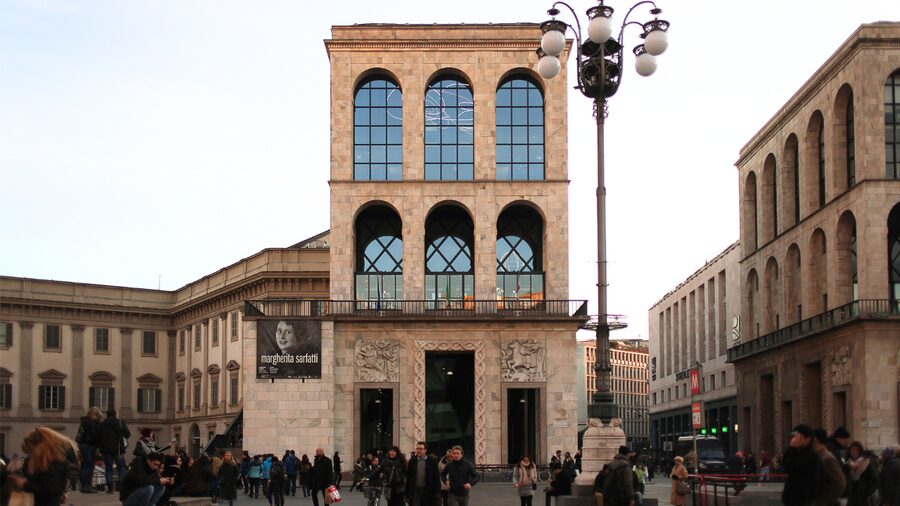
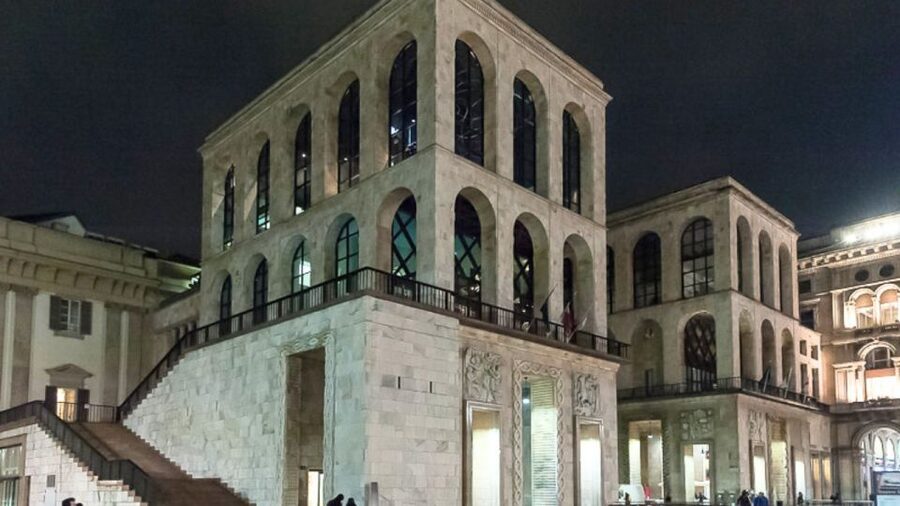
The museum is housed in the Palazzo dell’Arengario, a landmark building beside the Duomo. That setting matters. You are not entering a plain gallery tucked away on a side street. You are visiting a cultural institution directly on Piazza del Duomo, with the cathedral close enough to fill the view outside the windows.
I find that location especially useful when planning a short stay. You can pair the museum with the Duomo, Galleria Vittorio Emanuele II, or a walk through central Milan without spending time crossing the city. The museum adds a modern counterpoint to the cathedral’s medieval appearance.
The collection focuses on Italian art from the 20th century. That means you will encounter bold experiments, changing ideas about space and form, and artists responding to a century of social and political change. The audio guide helps connect those works to the larger story instead of leaving you to guess why an unfamiliar painting matters.
More Museum Audio Tours in Italy
- Milan: Natural History Museum Entry Ticket & Audio Guide
★ 4.2 · 25 reviews - Milan: Museum of the 900 Fast-Track Entry Ticket & Audio Guide
★ 4.0 · 12 reviews - Florence: Uffizi Priority Ticket & Masterpieces Audio App
★ 4.2 · 6,402 reviews
Entering the Palazzo dell’Arengario
Your visit begins at Piazza del Duomo 8. There is no separate meeting point or city transfer. You make your own way to the museum and show the e-ticket on your phone to the staff.
The ticket is delivered through WhatsApp within 24 hours before your chosen date, with Vox City listed as the sender. This detail is worth noting. Do not rely only on a confirmation email from the original booking process. Check WhatsApp before leaving for the museum and make sure your phone can display the ticket.
Once inside, take a moment to notice the building. The Palazzo dell’Arengario was designed as a major civic building overlooking the square. Its broad, formal appearance fits the scale of Piazza del Duomo, while the museum’s interior provides a more intimate route through modern art.
The architecture is part of the experience, not just a container for the collection. The audio guide includes information about the building’s design and development, so you get more than a sequence of paintings on white walls. If architecture interests you, listen carefully to those sections rather than skipping straight to the artworks.
How the smartphone audio guide works
This is not a live guided tour. You use a digital audio guide through a smartphone app, with content available in English, French, German, and Italian. Bring headphones, since the supplied information specifically recommends them, and charge your phone before you arrive.
The guide includes more than 40 points of interest and a digital map. That combination is useful in a museum where you may want to choose your own pace. You can follow the suggested route, stop for a longer look at a work, or move on when a particular section does not hold your attention.
I like this format for a collection that can feel unfamiliar at first. Modern art often needs a little framing. A short explanation about an artist, movement, or technique can turn a puzzling object into a work you understand, even if you do not end up liking it.
The tradeoff is that app audio depends on you. You must manage the phone, headphones, battery, and playback yourself. You also lose the chance to ask follow-up questions. If you enjoy conversation and spontaneous explanations, a live guide would be more satisfying. If you prefer privacy and control, the app is a good fit.
The audio guide also includes material for exploring Milan beyond the museum. The city guide is a useful extra for planning your next stop, though the central value of this ticket remains the museum access and art commentary.
A route through Italian modern art
The museum brings together key artists and movements from Italy’s 20th century. The supplied information highlights Futurism, Metaphysical Painting, Spatialism, and Arte Povera. These names can sound like an art-history exam, but the audio points are intended to make the ideas easier to follow.
More Museum Audio Tours in Milan:
- Paris: Louvre Museum Hosted Entry and Mona Lisa Audioguide
★ 4.6 · 5,235 reviews - Venice: St. Mark Basilica Ticket, Audioguide+History Gallery
★ 3.9 · 4,780 reviews - Rome: Borghese Gallery Skip-the-Line Ticket & Audioguide
★ 4.3 · 4,318 reviews - Rome: Borghese Gallery Ticket + Audioguide or Guided Tour
★ 4.6 · 3,219 reviews
Futurism and the speed of modern life
Futurism celebrated movement, machines, energy, and the changing pace of urban life. Milan was an important center for the movement, so this section has a natural connection to the city outside.
As you listen, pay attention to how artists tried to suggest motion and force on a flat surface. You might see repeated forms, sharp angles, or compositions that feel less interested in calm beauty than in speed and impact.
This is one of the places where audio context earns its keep. Without an explanation, a work may look merely aggressive or chaotic. With a little background, you can see it as part of a deliberate attempt to invent an art for the modern age.
Metaphysical Painting and unsettling stillness
Metaphysical Painting takes a different route. Instead of celebrating speed, it often creates quiet, strange scenes that feel suspended outside ordinary time.
The contrast with Futurism helps you see how varied Italian modern art became. The museum is not presenting one single idea of progress. It shows artists testing different ways to represent reality, memory, space, and the mind.
Listen for the details behind the works and their myths or stories. The audio guide is designed to explain intriguing points about individual pieces, which can help you notice the mood and symbolism within these quieter compositions.
Spatialism and the question of the canvas
Spatialism pushed artists to think beyond the traditional painted surface. The movement is tied to new ideas about space, light, and the relationship between a work and its surroundings.
You do not need specialist training to enjoy this section. Let the guide explain what the artist was trying to change, then look at the work again. The second look is often more useful than the first, because you now have a question in mind.
The museum’s architecture adds an extra layer here. You are considering space as an artistic idea while moving through a building designed around large civic interiors and open views toward the square.
Arte Povera and ordinary materials
Arte Povera questioned established ideas about expensive materials and traditional artistic prestige. The movement is associated with everyday or humble materials and a more experimental approach to making art.
This can be one of the most approachable sections for visitors who are unsure about modern art. The works invite you to think about why a material, object, or arrangement is being presented as art.
The audio guide is particularly helpful here because the meaning may not be obvious from appearance alone. You can decide for yourself if the work succeeds, but at least you will understand the question the artist is asking.
The Duomo views are part of the visit
Many art museums offer an indoor escape from the city. Here, the city keeps returning through the windows. The museum’s position beside the Duomo gives you a chance to look outward and see Milan’s most famous building from a different angle.
These views break up the gallery visit. After several rooms of paintings and sculpture, take a pause and look toward the cathedral. The contrast between the Duomo’s Gothic decoration and the museum’s modern collection makes the visit feel connected to Milan rather than sealed away from it.
The view is also a practical reason to visit even if modern art is not your main interest. You receive a cultural stop and a scenic moment in the same admission. Do not treat the windows as a quick photo opportunity only. They help explain the museum’s place in the city.
How long should you allow?
The stated duration is two hours. That is a sensible target for a first visit with the audio guide. It gives you time to follow many of the major audio points, pause at selected works, and enjoy the building without turning the visit into an all-day project.
You could move through faster if you want only the highlights. You could also stay longer if you read labels carefully, replay sections, or have a strong interest in Italian art. The ticket does not promise a fixed two-hour departure, so the duration works best as a planning estimate.
Thursday is the most flexible day because the museum stays open until 10:30 p.m. From Tuesday through Sunday, normal opening hours are 10 a.m. to 7:30 p.m. The museum is closed on Monday.
That late Thursday schedule can be useful if you want to visit the Duomo area during the day and save the museum for evening. On other days, avoid arriving close to closing time if you want to hear a good selection of the audio points.
Is $14 good value?
At $14 per person, this is a reasonably priced cultural stop in central Milan. You receive museum admission, the digital audio guide, and a separate digital guide for the city. Food and drinks are not included, but that is not a major issue because the ticket is designed as an independent museum visit rather than a half-day package.
The value depends on how you use the audio guide. If you simply walk through the galleries and listen to only a few stops, the ticket is still useful for entry and the setting. If you follow the map and explore the major works, you get much more from the price.
The absence of a live guide keeps the cost down, but it also limits personal attention. You are paying for access and structured information, not a conversation with an art specialist. For many people, that is the right balance in a busy city where you may already have several scheduled sights.
The free cancellation option also gives you some planning flexibility. You can cancel up to 24 hours in advance for a full refund. Keep that deadline in mind if your Milan plans change.
Who will enjoy this visit most?
I would recommend this experience to you if you enjoy visiting museums independently and want a clear introduction to Italian modern art. It is also a good choice if you have only a few hours in central Milan and want a museum that is easy to combine with the Duomo.
The audio languages make it practical for English, French, German, and Italian speakers. The museum is wheelchair accessible, which removes one common concern when choosing a central historic-city attraction.
You may want a different option if your main goal is ancient art, Renaissance painting, or a live exchange with a guide. The Museum of the 900 is focused on 20th-century Italian art, and the audio format asks you to manage your own visit.
Families and mixed-interest groups may find the location helpful. Someone can focus on the artworks while another person enjoys the architecture and cathedral views. The short format also makes it easier to fit into a day that includes several major Milan sights.
Practical advice for a smoother visit
Charge your phone fully before leaving your hotel. The audio guide is central to the experience, and a low battery can turn a pleasant visit into a silent walk through the galleries.
Bring headphones that work with your phone. The instructions specifically ask you to bring them, so do not assume that museum equipment will be available.
Check WhatsApp within the 24 hours before your visit for the e-ticket from Vox City. Save the message or keep it easy to open. You will show the mobile ticket to staff at the museum entrance.
Plan around the opening days. Tuesday through Sunday, the museum is open from 10 a.m. to 7:30 p.m., with Thursday hours extending to 10:30 p.m. Monday is not an option.
The ticket allows you to skip the ticket line, but you still need to go through the normal entry process and show your phone. Arrive with the correct address, Piazza del Duomo 8, rather than relying on a vague search for the museum name.
Finally, do not rush the views. The Duomo is the reason many people come to this part of Milan, but the museum gives you a fresh way to look at it.
Should you book the Museum of the 900 ticket?
Book it if you want a low-cost, central museum visit with modern Italian art, cathedral views, and the freedom to set your own pace. The more than 40 audio points give the collection structure, and the two-hour format fits neatly into a busy Milan schedule.
Skip it if you want a live guide, personal discussion, or a collection centered on older European art. You should also choose another activity if you cannot use a smartphone or do not want to bring headphones.
For the right visitor, this is a smart Milan add-on: easy to reach, fairly priced, wheelchair accessible, and more thoughtful than a quick photo stop in the Duomo square. Charge your phone, check WhatsApp for the ticket, and give the modern art a fair hearing.
FAQ
Where is the Museum of the 900?
The museum is at Piazza del Duomo 8 in Milan, directly in the Duomo area.
How much does the ticket cost?
The listed price is $14 per person.
How long does the visit take?
The stated duration is two hours, though you may spend more or less time depending on how many audio points you follow.
Is a live guide included?
No. The ticket includes a digital audio guide through an app, not a live guided tour.
Which languages are available for the audio guide?
The audio guide is available in English, French, German, and Italian.
Do I need to bring headphones?
Yes. Headphones are listed among the items to bring.
Do I need a smartphone?
Yes. You need a charged smartphone to use the digital audio guide and display your e-ticket.
How do I enter the museum?
Go directly to the museum and show your e-ticket on your mobile device to the staff.
When is the museum open?
The museum is open Tuesday through Sunday from 10 a.m. to 7:30 p.m. On Thursday, it stays open until 10:30 p.m. It is closed on Monday.
Is the museum wheelchair accessible?
Yes, the activity is listed as wheelchair accessible.
Just added around Milan
- Milan Walking Tour with Audioguide on Your Smartphone★ 5.0 · 6 reviews
- Self Guided Tours In Milan With 100 Captivating Audio Stories★ 5.0 · 2 reviews
- Milano Walking Tour with Audio and Written Guide by a Local★ 4.5 · 13 reviews
- Mysteries of Milan: Uncover the city’s lesser-known tales on this audio tour★ 4.5 · 2 reviews
- Audio Guide for the Duomo – Milan Cathedral (no ticket)★ 4.0 · 5 reviews
- Milan: Museum of the 900 Fast-Track Entry Ticket & Audio Guide★ 4.0 · 12 reviews
- Milan: Sforza Castle Entry Ticket & Audio Guide★ 3.5 · 13 reviews
- Best of Milan audio tour: From the gorgeous Duomo to Castello Sforzesco★ 5.0 · 2 reviews
Museums, compared.
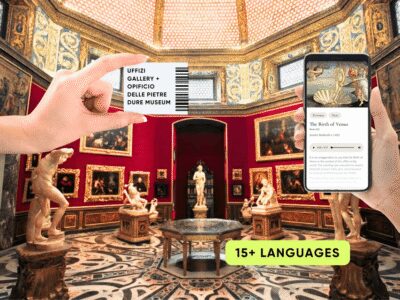
Uffizi Priority Ticket & Masterpieces Audio App
Read our review →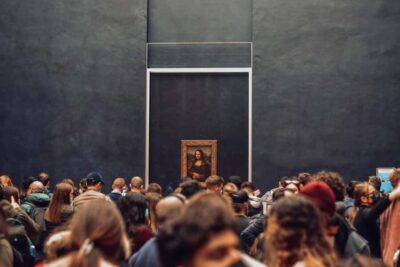
Louvre Museum Hosted Entry and Mona Lisa Audioguide
Read our review →
St. Mark Basilica Ticket, Audioguide+History Gallery
Read our review →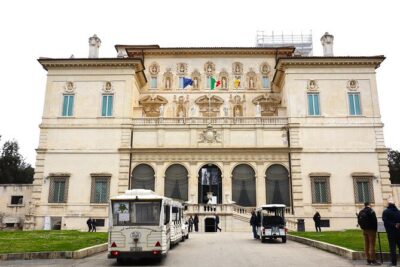
Borghese Gallery Skip-the-Line Ticket & Audioguide
Read our review →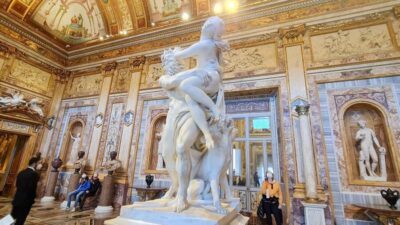
Borghese Gallery Ticket + Audioguide or Guided Tour
Read our review →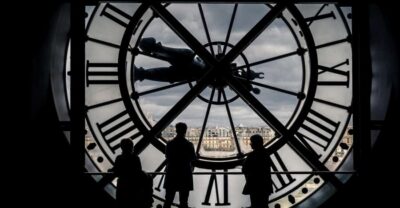
Orsay Museum Entry Ticket and Digital Audio Guide App
Read our review →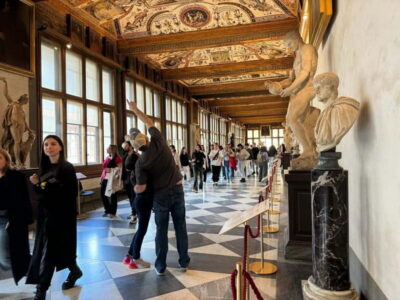
Uffizi Gallery Timed Entry Ticket & Audio Guide
Read our review →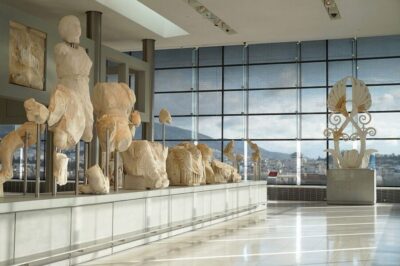
Acropolis Museum Ticket with optional Audio Guide
Read our review →Browse the lists this tour appears in