
REVIEW · BARCELONA AUDIO TOURS
La Pedrera-Casa Mila Admission Ticket with Audioguide
Barcelona gets wonderfully strange at La Pedrera. This self-guided visit takes you through Antoni Gaudí’s last major private residence, from its wave-shaped courtyards to its famous rooftop chimneys. I love the freedom to move at my own pace, and I like that the audio guide explains Gaudí’s ideas without tying me to a scheduled group. The main catch is weather: rain can close the roof, and the ticket is non-refundable even if that happens.
At $41.03 per person, this is not a bargain admission ticket, but you are paying for more than a quick look inside a building. You get access to about 4,500 square metres across five floors, including the roof terrace, attic exhibition, apartment recreation, courtyards, and former owners’ rooms. Plan on roughly 90 minutes, and book a time slot that gives you room to linger.
Key things to know before visiting
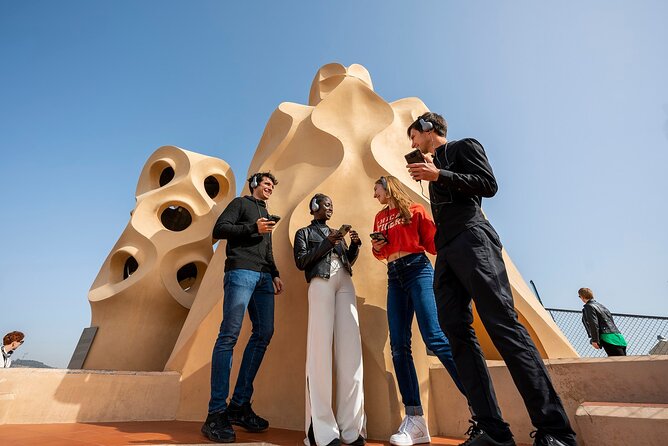
- Gaudí’s rooftop is the main event: Corkscrew chimneys, sculptural stair towers, and wide views across Barcelona make this the most memorable part of the visit.
- The audio guide keeps the tour flexible: You can pause, move ahead, or spend longer with the rooms that interest you most.
- The attic adds useful context: Displays about Gaudí’s models and his ideas from nature help explain the unusual shapes upstairs.
- Rain changes the experience: The roof closes for safety in wet weather, with no full or partial refund.
- Early time slots are worth considering: Crowds can build around 10:00 to 10:30, especially in the tighter interior spaces and on the roof.
- This suits independent visitors: You get information and structure without a live guide or fixed walking pace.
What makes La Pedrera different from other Gaudí sights
La Pedrera, officially Casa Milà, was designed between 1906 and 1912. It was the last building Gaudí worked on before giving most of his attention to the Sagrada Família.
The name La Pedrera means the quarry in Spanish. You can see why from the pale, irregular stone exterior. The building does not have the neat lines you might expect from a grand apartment block. Its front rolls and dips like a wave, with wrought iron balconies that look almost plant-like.
That exterior is easy to admire from Passeig de Gràcia, but the ticket lets you understand how the building works from the inside. You see the courtyards that bring light into the apartments, decorative entrance areas, the roof, and an apartment furnished to suggest life in the early 20th century.
I find Casa Milà especially useful as a first Gaudí visit because it explains his thinking. The audio commentary connects the shapes, materials, and natural references instead of leaving you to wonder why the building looks so unusual. If you plan to visit Park Güell, Casa Batlló, or the Sagrada Família, this visit gives you a helpful introduction to the architect’s approach.
A few more audio tours around Barcelona worth a look
- Barcelona: Sagrada Familia Entry Ticket with Audio Guide
★ 4.6 · 105,312 reviews - Barcelona: Casa Batlló Entry with Self-Audioguide Tour
★ 4.7 · 25,359 reviews - Casa Batllo Admission Ticket with Intelligent Audio Guide
★ 4.5 · 3,168 reviews
Arriving at Casa Milà and collecting the audio guide
You arrive at the entrance for the time printed on your ticket. The mobile ticket makes entry simple, and several people have found the check-in process quick, with little or no line at quieter times.
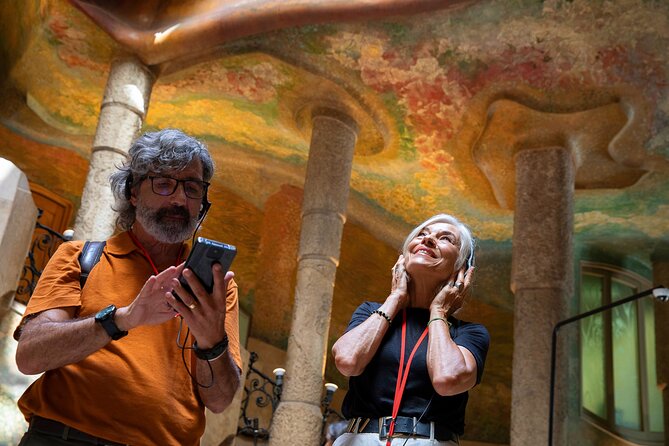
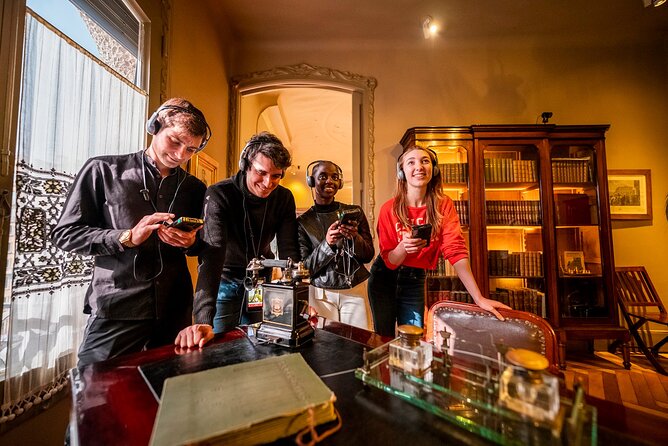
After admission, you collect the audio guide and begin exploring without a live guide. The format works well if you like to stop for photographs, replay an explanation, or move on from a room that does not hold your attention.
The audio guide is one of the strongest parts of the visit. It explains Gaudí’s life, his design choices, and the purpose behind details that might otherwise seem random. The commentary also helps you understand Gaudí’s view of nature and architecture, which is important here because the building feels shaped rather than conventionally constructed.
The equipment generally works well, although a few visitors have had trouble with headphones or spotty audio. If the sound cuts out, tell staff rather than trying to struggle through the whole visit. A transcription is available for visitors with hearing loss, which is a useful feature.
The ticket information lists English as the offered language, while the audio equipment has also been described as offering several language choices. Check your selected option when booking if language matters to you.
The courtyards reveal Gaudí’s practical side
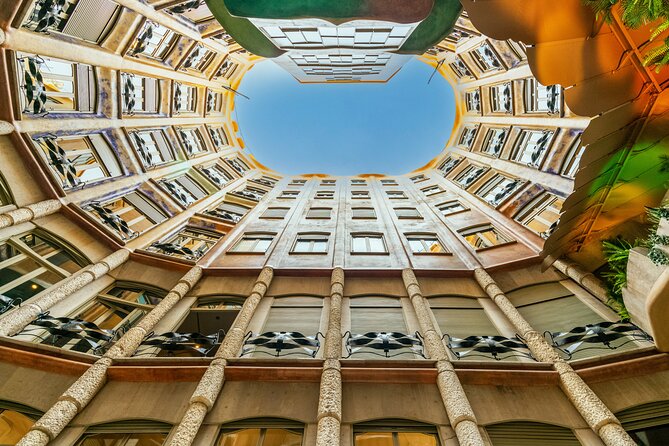
The two interior courtyards, reached from Passeig de Gràcia and Provença, are among the first spaces that show how practical Gaudí could be.
Their walls carry swirling murals, mosaics, and shifting colours. They are not simply decorative holes in the middle of the building. They help bring air and daylight into the apartments, while the curved forms soften what could have been a dark, severe residential block.
Look up as you move through them. The shapes, painted surfaces, and balconies change as the walls rise around you. The details are easy to miss if you hurry toward the roof, so I would use the audio guide here and let the commentary set the pace.
These spaces can feel crowded because the paths and viewing areas are not especially broad. You might need to wait for a clear angle for photographs. That is another reason an early appointment helps.
The La Pedrera Apartment makes the building feel lived-in
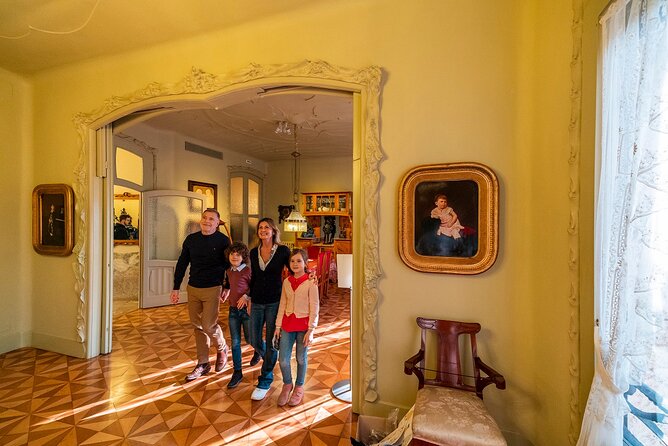
The recreated La Pedrera Apartment shows how one of the residences may have looked during the 20th century. This section gives the building a human scale after the larger courtyards and sculptural exterior.
You see rooms furnished in period style, along with objects and design details that help explain how people used the space. The apartment is valuable because it reminds you that Casa Milà was not built only as an artistic statement. It was also a working apartment building for real families.
The former residence of the Milà family is part of the exhibition area. It gives you a sense of the social setting behind the project and helps explain why Gaudí’s design caused such a stir. The rooms may not impress you as much as the roof if you are mainly interested in dramatic architecture, but they add needed context.
If your idea of Gaudí is only colourful tile and fantasy shapes, this section broadens the picture. You see how the architect handled everyday rooms, furniture, circulation, and light.
Same place, a different route to walk:
- Gaudi´s Casa Vicens Skip the Line Ticket with Audioguide
★ 4.5 · 685 reviews - Erotic Museum Admission Ticket with Audioguide
★ 5.0 · 527 reviews - Barcelona: Mies van der Rohe Pavilion Ticket and Audio Guide
★ 4.6 · 380 reviews - Barcelona: Montjuïc Cable Car Ticket with Audio Guide
★ 3.9 · 270 reviews
The roof terrace is Casa Milà’s great payoff
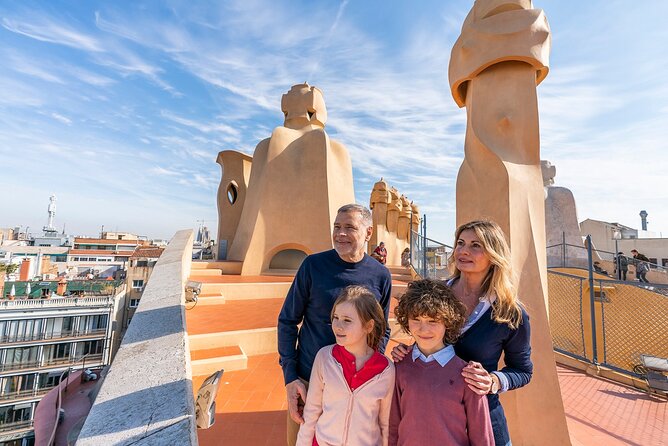
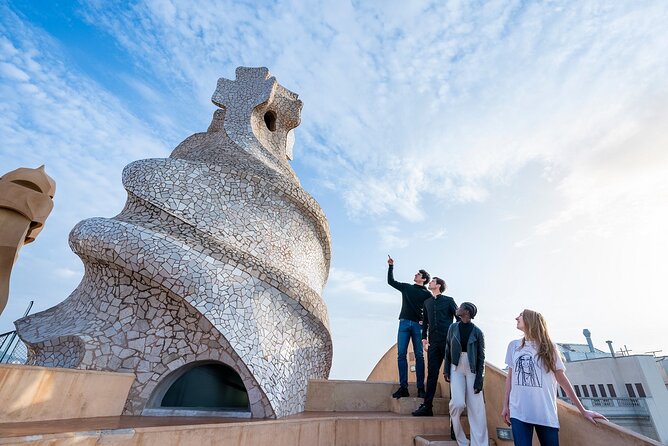
The rooftop is the part I would protect time for. You climb among pale stone forms, sculptural stair enclosures, and corkscrew chimneys that look like sentries or masked figures.
The chimneys are not just pretty ornaments. Their shapes show Gaudí turning necessary building equipment into sculpture. The roof also gives you views across Barcelona, with the city skyline spread around the irregular forms of the building.
This is a place to slow down. Walk around the different levels, look back at the roof structures, and give yourself time to take photographs. The views are often described as the best part of the ticket, and that judgment makes sense. Casa Milà becomes much easier to understand when you see the roof as a complete composition rather than a collection of odd shapes.
Pay attention to your footing. Parts of the roof can feel tricky, and the surfaces require care if you are distracted by the scenery or trying to frame a photograph. Keep moving when needed, since narrow spots can become blocked by people taking extended photo sessions.
Rain is the serious risk here. If the roof is wet, staff close it for safety. That closure does not qualify you for a partial or full refund, so check the forecast before choosing your date if the rooftop is your main reason for booking.
The attic and Espai Gaudí explain the ideas upstairs
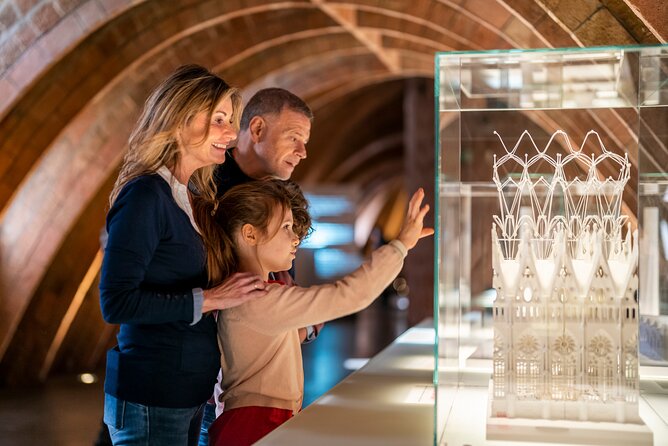
After the roof, the attic exhibition gives you another angle on Gaudí. Displays of models and references to the natural world help show where some of his forms came from.
The attic is often a favorite section because it links imagination with construction. You can look at the building’s unusual shapes and then see how Gaudí’s design process developed through models and studies. It is less about taking a quick photograph and more about understanding the method behind the spectacle.
The Espai Gaudí exhibition focuses on the architect’s life and work. It is a useful final stop because the audio guide may end before you are ready to leave, and the exhibition lets you continue learning independently.
Do not treat the attic as a filler between the apartment and roof. If you want more than photographs, it may be the section that gives the whole visit its meaning.
How long the visit really takes
The advertised duration is about 90 minutes. That is enough for a steady visit through the main areas, especially if you listen to the audio guide without stopping at every point.
I would allow the full 90 minutes rather than trying to squeeze Casa Milà into a short gap. You can probably move through faster if you skip commentary, but that removes much of the value of the ticket.
If you enjoy architecture, photography, or exhibitions, you might want longer. The audio guide lets you continue exploring after its commentary ends, so you are not pushed out when the formal portion is finished.
The route covers five floors and approximately 4,500 square metres. Even with a timed entry, the building can feel busy. Small spaces, narrow roof areas, and popular photo points slow the flow. An early appointment is a smart choice, since crowds have been noticed from roughly 10:00 to 10:30 onward.
Is $41.03 good value?
At $41.03, this experience costs more than a simple admission to an ordinary historic building. The price makes better sense if you use the whole visit: courtyards, recreated apartment, former family residence, attic, rooftop, and audio guide.
The audio commentary adds real value because there is a lot to interpret here. Without it, you may admire the surfaces but miss the reasons behind the design. The self-guided format also saves you from paying for a live tour you may not want.
The value is weaker if you only want a quick view of the roof. It is also less attractive if bad weather is likely, since the rooftop closure removes the most dramatic part while the price remains unchanged.
Compared with other major Gaudí attractions, Casa Milà offers a different experience. You are not visiting a church or a park. You are seeing a residence and learning how Gaudí handled daily life, structure, nature, and decoration in one project. That makes the admission worthwhile for architecture fans and first-time visitors who want context.
Who should book this experience?
I would recommend it to you if you prefer to set your own pace. The format works well for independent-minded visitors, solo sightseers, couples, and families with older children who can follow an audio tour.
It is also a good choice if you want a clear introduction to Gaudí before visiting the Sagrada Família, Park Güell, or Casa Batlló. The focus on his design ideas helps you notice connections among his other buildings.
You may want to think twice if you dislike audio tours, prefer a live guide who can answer questions, or have very little time in Barcelona. The experience is self-led, not a guided walking tour, and the price depends heavily on your interest in the building itself.
Children must be accompanied by an adult. Most people can take part, service animals are allowed, and the site is near public transportation. A left-luggage room can hold baby strollers, backpacks, suitcases, and tripods, which can make the visit easier if you are carrying too much.
Flash photography and tripods are prohibited. Food and drinks are not included, and there is no hotel pickup or drop-off.
Practical booking advice
Choose your date carefully. The ticket is valid only for the selected day, and it cannot be changed or refunded after booking.
Pick an early time if you want calmer courtyards and a better chance of enjoying the roof without heavy congestion. If your schedule allows only one afternoon slot, you can still have a good visit, but expect more people around popular viewing areas.
Bring a charged phone for the mobile ticket, but do not count on a dry-weather rooftop. Rain does not cancel the whole experience, yet it can change the visit from a roof-and-city-view outing into an indoor architecture tour.
The experience is listed with a maximum of nine participants, but the building itself can still feel busy because separate admissions may be moving through the public areas at the same time. Think of the number as a small booking group, not a promise of an empty building.
Should you book La Pedrera with an audio guide?
Yes, if you want to understand Gaudí rather than simply photograph him. The roof is excellent, the apartment adds a useful sense of daily life, and the attic exhibition explains the ideas behind the strange forms.
I would book it for a dry morning, reserve enough time for the full 90 minutes, and start before the late-morning crowds grow. At $41.03, the ticket is fair value when you explore every section and use the audio guide. If rain is forecast and the rooftop is your main goal, wait for a better date if you can, since this non-refundable ticket offers no refund when the roof closes.
FAQ
How long does the La Pedrera Casa Milà visit take?
The visit lasts approximately 1 hour and 30 minutes. You may continue exploring independently after the audio guide commentary ends.
Is an audio guide included?
Yes. The admission ticket includes a free audio guide. The booking information lists English as an offered language, and language choices may be available through the audio equipment.
Is this a guided tour with a live guide?
No. This is a self-guided visit with an audio guide. You explore the building at your own pace.
What areas are included in the ticket?
The ticket includes La Pedrera, the rooftop, the courtyards, the La Pedrera Apartment, the exhibition areas, and the Espai Gaudí section. The visit covers about 4,500 square metres across five floors.
Can I visit the roof if it rains?
No. The roof terrace closes in rainy weather for safety reasons. This does not qualify you for a full or partial refund.
Is the ticket refundable or changeable?
No. The ticket is valid only on the selected date and cannot be refunded or changed after booking.
Are children allowed to visit?
Yes, but children must be accompanied by an adult.
Can I bring luggage or a stroller?
La Pedrera Casa Milà has a left-luggage room for items such as baby strollers, backpacks, suitcases, and tripods. Flash photography and tripods are not allowed inside the visit areas.
Just added around Barcelona
- Self-Guided Audio Tour-The Surrealist Barcelona of Dalí and Gaudí★ 3.5 · 8 reviews
- Self-Guided Audio Tour – Legends of the Gothic Quarter★ 4.5 · 6 reviews
- Self-Guided Audio Tour of Barcelona City★ 3.0 · 2 reviews
- Montjuic Park Walking Tour with Audioguide on Your Smartphone★ 3.0 · 4 reviews
- Barcelona Self-Guided Audio Tour★ 3.0 · 6 reviews
- Montjuïc Cable Car Entry Voucher with Audio Tour on Your Phone★ 3.5 · 37 reviews
- Self-Guided Tours Barcelona: 150+ Captivating Audio Stories★ 5.0 · 4 reviews
- Gothic Quarter Barcelona Tour with Audioguide★ 4.5 · 5 reviews
Barcelona Audio Tours, compared.
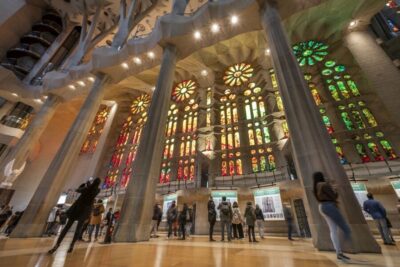
Sagrada Familia Entry Ticket with Audio Guide
Read our review →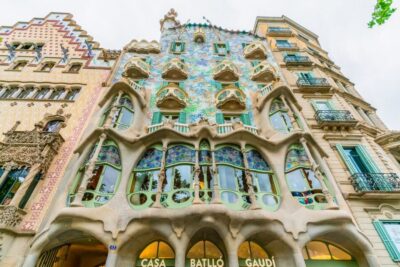
Casa Batllo Admission Ticket with Intelligent Audio Guide
Read our review →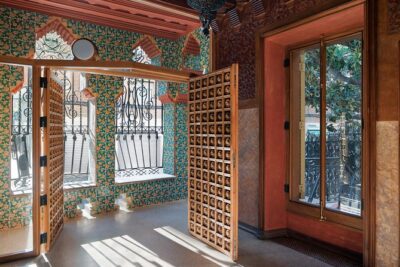
Gaudi´s Casa Vicens Skip the Line Ticket with Audioguide
Read our review →
Mies van der Rohe Pavilion Ticket and Audio Guide
Read our review →
Palau de la Musica Catalana Admission Ticket with Audioguide
Read our review →Browse the lists this tour appears in