
REVIEW · ROME AUDIO TOURS
Rome: Roman House of the Celio Hill Ticket & App Audioguide
Rome keeps a secret underground. The Roman Houses of the Celio sit below the Basilica of Saints John and Paul, between the Colosseum and Circus Maximus, and offer a close look at original Roman decorations and frescoes. I like the compact price of $11 and the chance to see an archaeological site that many visitors miss. I also like the clear story told by the building itself: workshops and storerooms became an elegant home, while pagan customs gave way to Christianity.
The main caution is timing. The ticket is valid for one day, but you still need to check the available start times and current closing hour carefully. One visitor found the site closed at 3 p.m. rather than 4 p.m., which made for a frustrating visit. Also note that the audioguide is not included, despite its appearance in the experience title.
Key points to know before you go
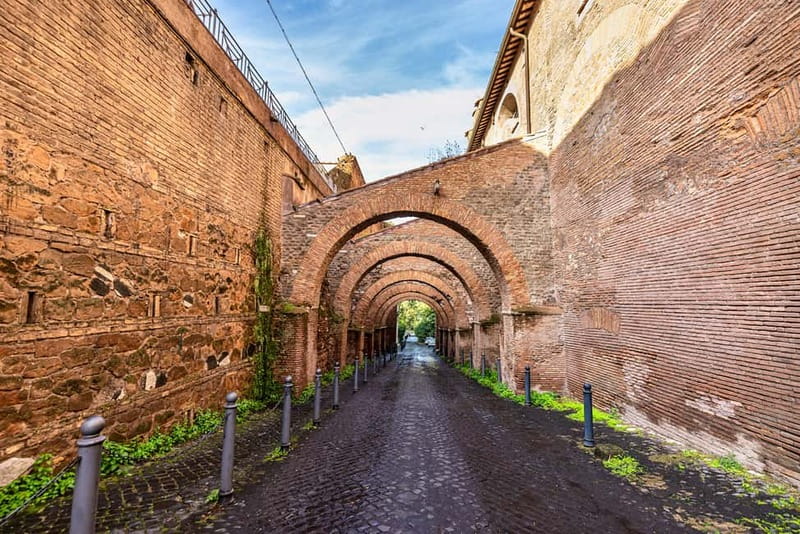
- The site lies beneath a basilica on Clivo di Scauro, in a historic area between the Colosseum and Circus Maximus.
- Four centuries of change appear in one underground visit, from an insula with workshops and warehouses to a refined domus.
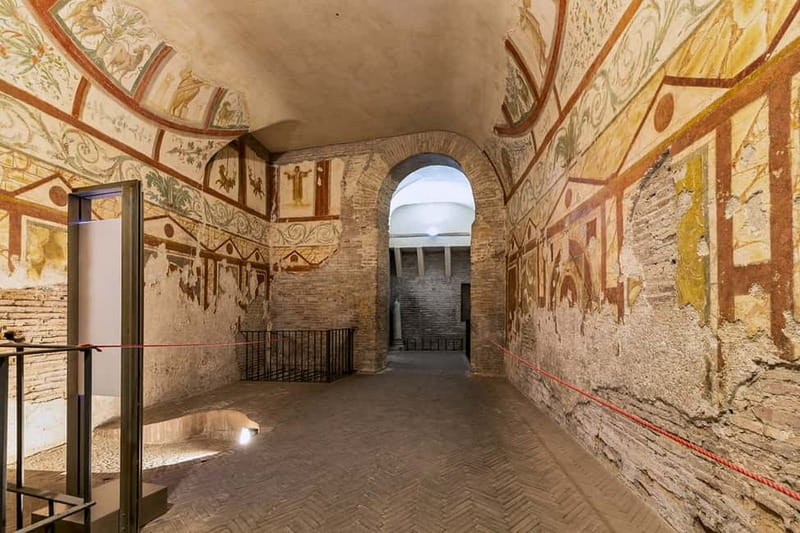
- Late antique frescoes and original decoration are the main attraction, not a grand outdoor monument.
- The $11 price is modest, especially if you want a short archaeological stop between larger Rome sights.
- The digital postcard is included, giving you a simple souvenir to send to family or friends.
- Check the closing time carefully, since one reported visit found the venue closed earlier than expected.
Why the Roman Houses of the Celio are worth your time
Rome is packed with famous monuments, but the city’s smaller archaeological sites often explain daily life better than the grand ruins do. The Roman Houses of the Celio are useful for exactly that reason. You are not simply looking at broken walls. You are following the changes made to a real building over several centuries.
The site is also easy to place on a Rome map. It is under the Basilica of Saints John and Paul, close to the Colosseum and Circus Maximus. If you are already walking through the Celio area, this visit can add an indoor historical stop without committing half a day to another major museum.
I like the fact that the experience focuses on preserved decoration. At many Roman sites, you must work hard to imagine what rooms looked like when people used them. Here, the surviving frescoes and wall details do some of that work for you.
The visit also gives you a glimpse of a changing society. The building records the movement from pagan Roman culture toward Christianity. That transition is not presented only as a date in a textbook. It appears through the reuse and transformation of the rooms.
A few more audio tours around Rome worth a look
- Rome: Colosseum & Forum with Audio Guide App -Optional Arena
★ 4.2 · 24,770 reviews - Rome: City Sightseeing Hop-on Hop-off Bus with Audioguide
★ 4.0 · 16,045 reviews - Rome: St. Peter’s Basilica & Dome Entry Ticket & Audio Tour
★ 4.2 · 7,537 reviews
Finding the entrance on Clivo di Scauro
Your starting point is the entrance marked Case Romane del Celio on Clivo di Scauro. That detail matters because the site is not entered through the main basilica in a way you should simply assume. Look specifically for the Roman Houses entrance on the street.
The activity begins and ends at this same meeting point. There is no transport, hotel pickup, or wider walking tour included, so plan your route through Rome separately.
The location is especially handy if your day already includes the Colosseum or Circus Maximus. You can treat the Roman Houses as a focused stop rather than a standalone excursion. At $11 per person, it is also easier to fit into a day when you are watching your museum budget.
Allow time to locate the entrance before your booked start. The supplied information does not give a precise visit length, so I would avoid planning a tight connection immediately afterward. The ticket is valid for one day, but the actual admission still depends on the available starting times.
Reading the building from insula to domus
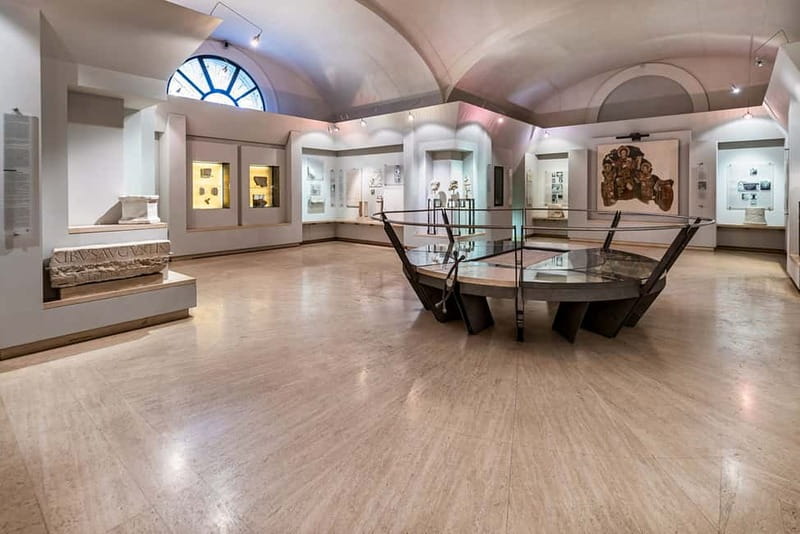
The most interesting part of the visit is the building’s change of purpose. It began as an insula, a multi-storey urban building associated here with workshops and warehouses. That tells you something about the practical side of ancient Rome: commercial work and storage could occupy the same building where people lived.
During the third century A.D., the rooms were transformed into an elegant domus. This change gives the site a useful human scale. You can compare the earlier working spaces with the later domestic setting and see how one structure adapted to new needs.
The preserved interiors are the reason to pay attention as you move through the rooms. Rather than rushing from one famous object to another, look at the arrangement of spaces and the decorative details. The walls help show that Roman buildings were not the plain stone shells often seen in modern photographs.
The experience is particularly good for anyone who likes archaeology explained through physical evidence. You see how a building can change its function without losing every trace of its earlier life.
The frescoes and the passage from paganism to Christianity

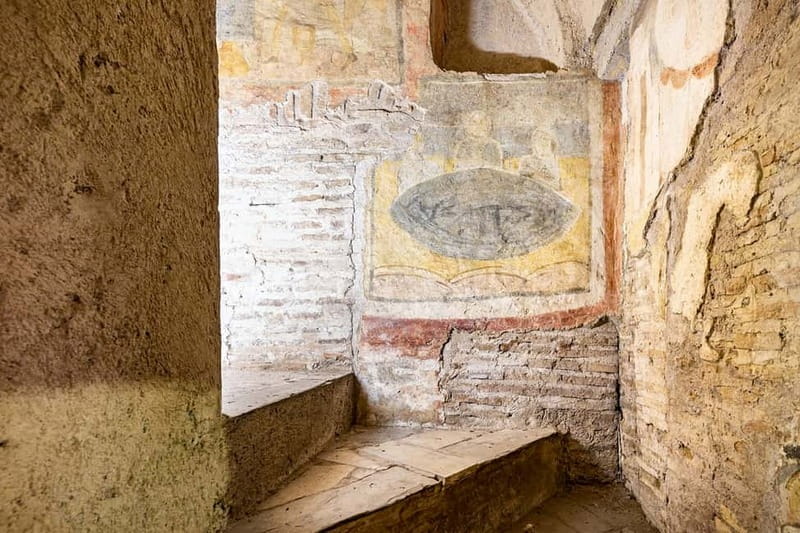
The late antique frescoes deserve the most attention. The site is known for decoration preserved in an extraordinary condition, and the details are more important than the size of the rooms. Take your time with the wall surfaces rather than treating them as background scenery.
The Roman Houses are also known as the house of the martyrs John and Paul. Their position below the basilica makes the relationship between the older Roman building and later Christian worship especially important.
The visit presents a period when paganism and Christianity existed in succession and, in the wider Roman world, sometimes in tension. You are seeing a physical place connected to that change. The building’s story moves from commercial and domestic Roman use toward a setting remembered through Christian tradition.
That makes this a strong choice if you want context around Rome’s churches and ruins. The site does not stand alone as an isolated collection of frescoes. Its location below the basilica helps connect the earlier Roman city with the Christian Rome that followed.
Same place, a different route to walk:
- Colosseum, Roman Forum & Palatine Hill with Audioguide App
★ 4.4 · 6,291 reviews - Vatican & Sistine Chapel Ticket with Optional Audio Guide
★ 4.1 · 5,405 reviews - Rome: Castel Sant’Angelo Entry Ticket & Digital Audioguide
★ 4.7 · 5,347 reviews - Rome: Castel Sant’Angelo Entry Ticket & Audio App
★ 4.3 · 4,952 reviews
What the app audioguide means for your visit
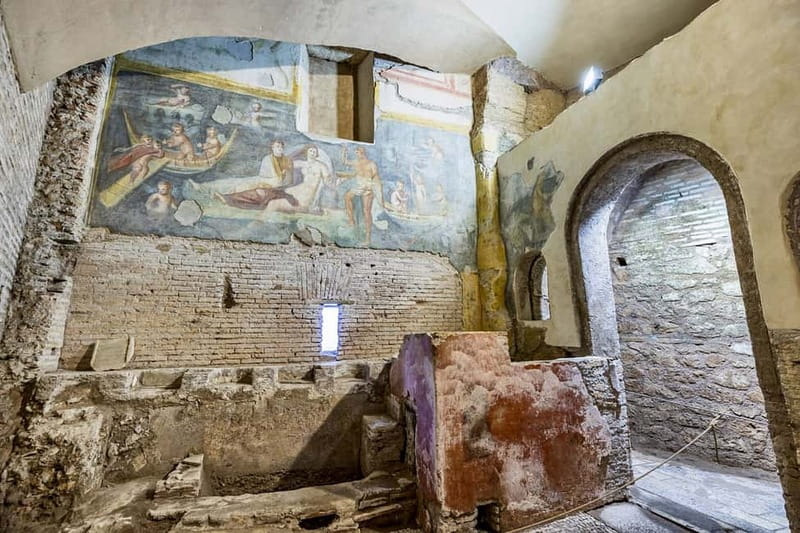
The title refers to an app audioguide, but the included services list only the entrance ticket and postcard. The audioguide is specifically marked as not included, so do not assume that an audio tour comes automatically with the $11 booking.
This is an important difference for how you prepare. If you want spoken interpretation, check the booking details closely and confirm whether an app guide can be added or obtained separately. If no guide is available, you will need to rely on the site’s own presentation and your preparation.
That does not make the visit poor value. The physical remains are the main reason to come, and the site is compact enough that you can focus on the rooms, decoration, and chronology without needing a full-day guide. Still, people who depend on audio commentary should sort this out before arriving.
The experience is more appealing to independent sightseers than to anyone expecting a guided group tour. You receive admission, not a named guide or a structured walking program through the surrounding neighborhood.
The digital postcard is a small but useful extra
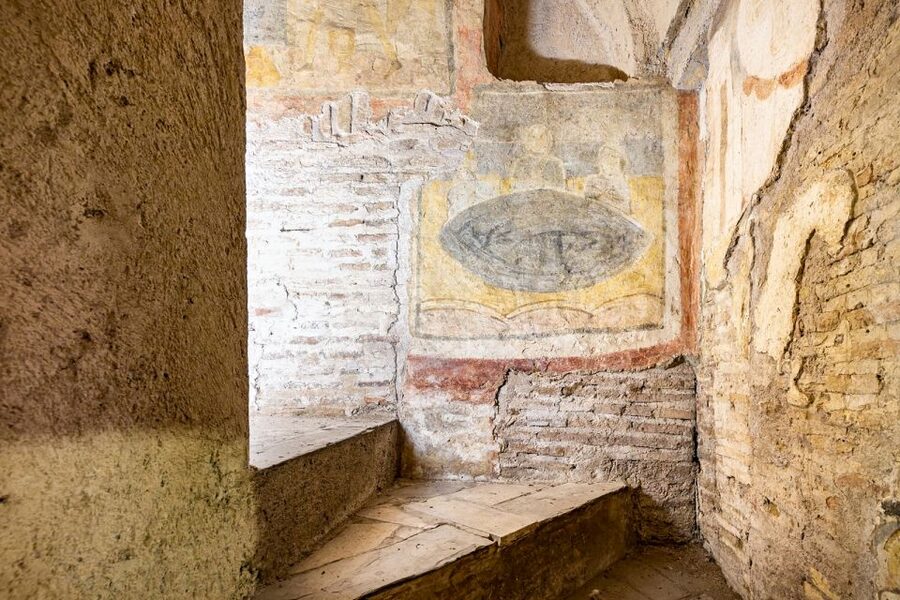
A postcard is included, and it is digital rather than a paper souvenir. You can send a unique Pemcard from your visit to family or friends anywhere in the world.
This is not a major reason to buy the ticket, but it is a pleasant extra. It gives the visit a personal finish and avoids adding another physical item to your luggage. It also suits a short stop where you may not want to shop for a souvenir afterward.
I would think of it as a bonus rather than part of the historical value. The frescoes, preserved decoration, and building’s changing use carry the experience. The postcard simply gives you an easy way to share the moment.
Is $11 good value in Rome?
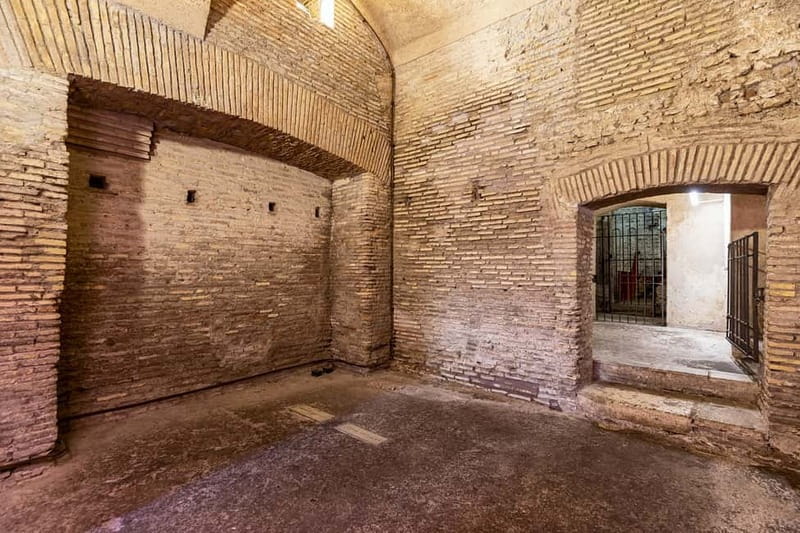
At $11, this is one of the easier Rome admission decisions. The price is low compared with major archaeological attractions, and you are paying for access to a specialized underground site rather than a broad museum collection.
The value depends on your interests. If you enjoy Roman architecture, ancient interiors, frescoes, or the growth of Christianity in Rome, the ticket makes sense. You get a focused visit with several layers of history in one place.
If you prefer spectacular scale, open-air ruins, or a long guided experience, the Roman Houses may feel modest. The attraction is the detail and the preservation, not a huge monument or an extensive program.
The ticket also works well as an addition to a day near the Colosseum. Since it costs $11 and is valid for one day, it can fill a gap between larger sights. Just make sure the admission time and closing hour fit your schedule.
Timing, cancellation, and access
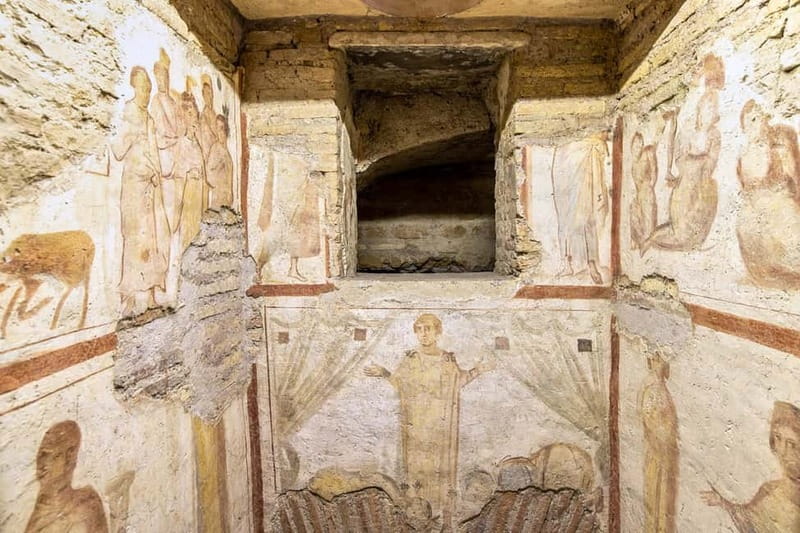
The booking allows free cancellation up to 24 hours before the visit for a full refund. You can also reserve now and pay later, which helps if your Rome plans are still shifting.
The ticket is valid for one day, and you need to check availability for the starting times. This is not a pass you should treat as an open-ended admission at any hour.
Pay close attention to the operating schedule. One visitor reported arriving with the expectation that the venue would close at 4 p.m., only to find it closed at 3 p.m. Since that problem led to disappointment, confirm the current hours before you set out, especially if you are booking a late visit.
The site is listed as wheelchair accessible. If access is a major concern for you, I would still confirm the exact route and conditions at the time of booking, since the available information does not describe every part of the entrance or interior.
Who will enjoy this archaeological stop?
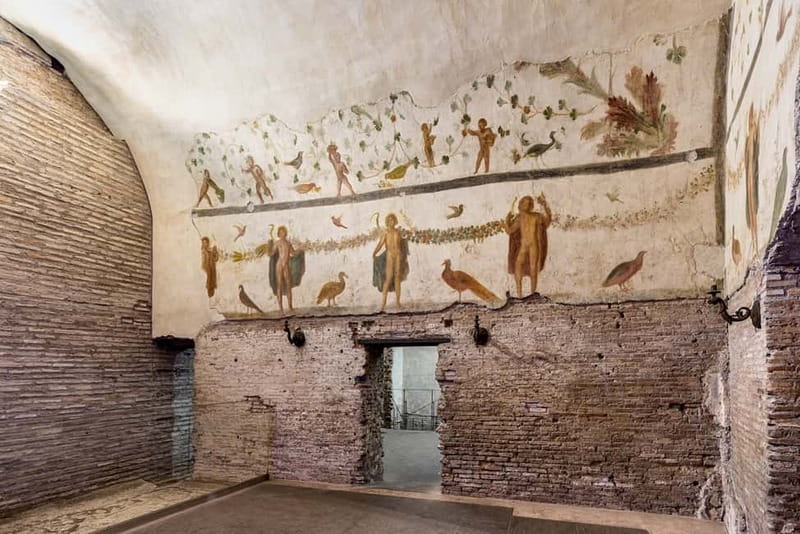
I would recommend the Roman Houses of the Celio to you if you want a quieter, more focused Roman site near the major attractions. It suits people who enjoy preserved interiors more than monumental scale.
It is also a good choice for history-minded visitors who want to see how Roman buildings changed over time. The movement from workshops and warehouses to a domus gives the visit a clear theme, while the later Christian connection adds another layer.
Families with older children may find the underground setting and visible changes in the rooms more engaging than a long sequence of ruins. The digital postcard can also give younger visitors a simple activity connected to the visit.
I would be more cautious if you have only a few hours in Rome and have not yet seen the Colosseum, Roman Forum, or other major sights. The Roman Houses are worthwhile, but they are a supporting attraction, not a replacement for Rome’s essential landmarks.
Practical tips for making the most of the visit
- Check the current closing hour before leaving your hotel. Do not rely on an assumed 4 p.m. closing.
- Look for Case Romane del Celio on Clivo di Scauro, rather than assuming the entrance is inside the basilica.
- Confirm whether the audioguide is included in your specific booking. The stated inclusions do not include it.
- Leave some breathing room around the scheduled start time because no visit duration is provided.
- Focus on the frescoes and wall decoration. The details are the main reward.
- Pair the visit with the Colosseum or Circus Maximus area if you want to reduce extra crossing through the city.
- Use the digital postcard as a quick souvenir after the visit.
Should you book the Roman Houses of the Celio?
Book it if you want a low-cost archaeological stop with preserved frescoes, an underground setting, and a clear story about Rome’s changing religious and domestic life. At $11, it offers good value for an independent visit, especially when added to a day near the Colosseum.
Skip it if you need a full guided experience, guaranteed audio commentary, or a major monument with grand scale. The audioguide is not included, and the early closing report means timing deserves care.
My call is a qualified yes. Check the current hours, confirm the audio arrangements, and allow enough time to find the entrance. If those details work for your schedule, the Roman Houses of the Celio give you an unusually intimate look at the city beneath modern Rome.
FAQ
Where are the Roman Houses of the Celio?
They are located on Clivo di Scauro, below the Basilica of Saints John and Paul, between the Colosseum and Circus Maximus.
How much does admission cost?
The listed price is $11 per person.
How long is the ticket valid?
The ticket is valid for one day.
Do I need to choose a starting time?
Yes. You should check availability to see the starting times offered for your visit.
Is the audioguide included?
No. The audioguide is listed as not included, even though it appears in the experience title.
What is included with the ticket?
Admission to the Roman Houses of the Celio and a digital postcard are included.
What is the digital postcard?
It is a unique digital Pemcard that you can send to family or friends anywhere in the world.
Is the site wheelchair accessible?
Yes. The activity is listed as wheelchair accessible.
Can I cancel for a refund?
Yes. You can cancel up to 24 hours in advance for a full refund.
Can I reserve now and pay later?
Yes. The reserve now and pay later option lets you hold your plans without paying at the time of booking.
Just added around Rome
- Pantheon Skip the Line Entry Tickets with Digital Audio Guide★ 3.5 · 52 reviews
- Trastevere: A Self-guided Audio Tour of Rome’s Medieval Village★ 4.5 · 3 reviews
- St. Peter’s Basilica: Dome Climb with Lift & Audioguide★ 4.5 · 13 reviews
- Audio guide in Vatican Museums and Sistine Chapel★ 4.5 · 12 reviews
- Navova square underground with audioguide★ 4.5 · 17 reviews
- The Roman Jewish Ghetto: A Self-Guided Audio Tour★ 4.0 · 8 reviews
- Experience: The Pantheon Audio Tour★ 4.5 · 4 reviews
- St. Mary’s Basilica, Pope Francis Tomb Audio Tour with Crypt★ 4.0 · 3 reviews
Rome Audio Tours, compared.
Colosseum & Forum with Audio Guide App -Optional Arena
Read our review →
St. Peter’s Basilica & Dome Entry Ticket & Audio Tour
Read our review →
Colosseum, Roman Forum & Palatine Hill with Audioguide App
Read our review →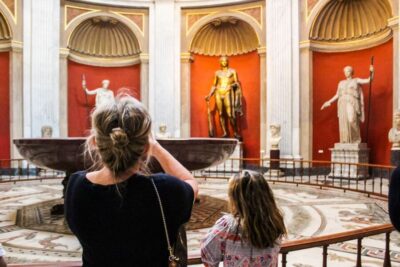
Vatican & Sistine Chapel Ticket with Optional Audio Guide
Read our review →
Castel Sant’Angelo Entry Ticket & Digital Audioguide
Read our review →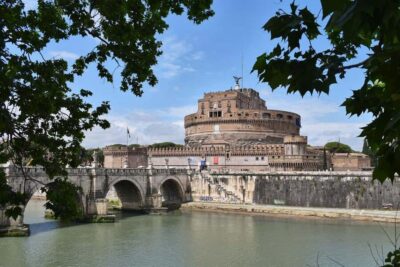
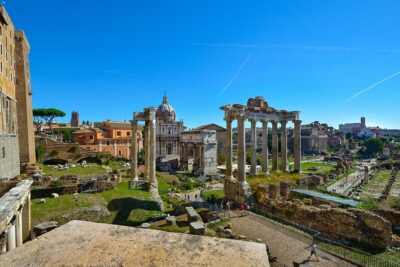
Colosseum, Forum, & Palatine Hill with Audio Guide
Read our review →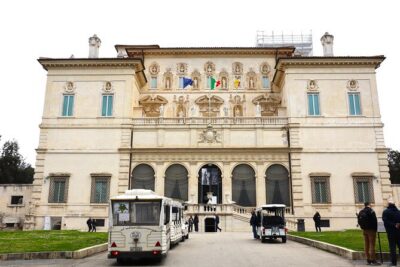
Borghese Gallery Skip-the-Line Ticket & Audioguide
Read our review →Browse the lists this tour appears in