
REVIEW · POMPEII AUDIO TOURS
Pompeii: Skip-the-Line Ticket with Audio Guide and Map
Pompeii rewards curiosity. This self-guided visit gives you the freedom to explore one of the world’s great archaeological sites without being tied to a group schedule. I like the easy audio guide and the included updated map, which help turn a huge ruin into a visit with some shape. I also like that you can set your own pace, spending extra time in a painted house or moving quickly through less interesting areas. The main catch is that the map may feel confusing, and the audio guide does not cover every map item.
At $44 per person, this is not the cheapest way into Pompeii, but it can be good value if you want independence and clear background information. Bring water, a hat, sunscreen, and sturdy shoes. Pompeii is vast, exposed, and tiring, and food or drinks are not included. The skip-the-line ticket can save time, though it may not remove every queue, especially if you need child tickets or must collect something on site.
Key points to know before you go

- A huge open-air archaeological site: Pompeii covers about 66 hectares, so the map matters more than you might expect.
- Explore from 10 a.m. to 5 p.m. if you wish: One visitor found that a full-day, self-planned route made the experience especially productive.
- Audio guide languages: Choose from English, Chinese, French, Italian, German, Hebrew, Russian, Spanish, or Portuguese.
- The guide helps where signs are limited: On-site information can be sparse, making the audio commentary useful for understanding what you are seeing.
- Bring your own headphones if possible: The audio guide is easy to use, but headphones are not clearly included, and one visitor wished they had been provided.
- Mobility is a real concern: Uneven ancient streets, long distances, and the size of the site make this unsuitable for people with mobility impairments.
Why this Pompeii visit works best independently
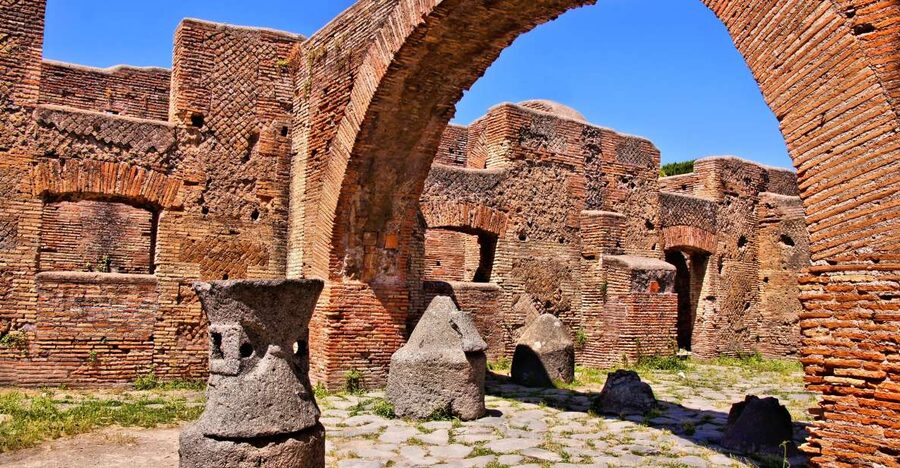
Pompeii is not a tidy collection of ruins beside one main path. It is an entire Roman city, buried by the eruption of Mount Vesuvius in AD 79 and spread across a large archaeological zone. You walk along ancient streets, pass through homes and public buildings, and gradually realize how much ground an ordinary Roman town covered.
That size is both the appeal and the problem. You can spend a few minutes in a modest shop, then turn a corner and find a frescoed house, a temple, or a theater. But without a plan, it is easy to wander without seeing the places that matter most.
This experience gives you three useful tools: admission, an audio guide, and an updated map. You are not locked into a group’s timetable or forced to keep up with a guide. If a painted wall catches your eye, you can stop. If your feet are tired, you can shorten the route without holding up anyone else.
I especially like this setup for people who already know they prefer self-guided sightseeing. Pompeii rewards quiet attention. You can listen to the story of a building, look closely at the surviving details, and then move on when you are ready.
The tradeoff is that you must manage the visit yourself. The audio guide can explain individual places, but it will not make every route decision for you. The map is meant to help, yet one person found some of its items were not matched clearly with the audio content. You should expect a little orientation work at the beginning.
More Skip-the-Line Tickets in Pompei Campania:
- Pompeii: Skip-the-line Entry Ticket with Audio Guide & Map
★ 3.9 · 3,153 reviews - Pompeii: Skip-the-Line Entry Ticket with Digital Guide App
★ 4.1 · 770 reviews - Pompeii: Skip-the-Line Entry & Audioguide
★ 3.8 · 225 reviews
Entering Pompeii with a skip-the-line ticket
The ticket includes entrance to Pompeii and is valid for one day. A host or greeter may assist in English, Spanish, French, or Italian, while the audio guide offers a wider choice of languages.
The phrase skip the ticket line is useful, but keep your expectations sensible. It should help you avoid the standard ticket-buying process, yet it does not guarantee that you will walk straight through every entrance point. At 9 a.m., one visitor found there was no major crowd but still had to queue for children’s tickets. That is a good reminder that different ticket types can involve different procedures.
The practical value depends on the day and the time. On a quiet morning, the time saved may be modest. On a crowded day, avoiding a purchase line is more useful, especially when you have limited time in Campania.
There is no stated fixed start time for the full experience. You check availability for a starting time, then use the ticket during its one-day validity. That gives you flexibility, but confirm the exact meeting or collection instructions before setting out. The supplied details do not specify a transportation service, so you should plan your own way to Pompeii.
Using the map and audio guide together
The map is not just a free extra. At Pompeii, it is part of your basic equipment. With about 66 hectares to cover, you need a sense of direction and a way to decide which areas deserve your energy.
Start by looking over the map before you get too far inside. Mark the major stops you most want to see, then build a route that feels realistic for your time and fitness. Do not try to inspect every street. That approach can leave you worn out before you reach the most memorable buildings.
The audio guide adds the context that the stones cannot provide on their own. It can explain what a room was used for, why a building mattered, or how a public space fitted into Roman life. This is especially helpful because there may be little information posted directly beside some ruins.
The controls are reportedly easy to manage, which matters when you are standing in bright sun with a map in one hand. Still, bring headphones if you can. The available information does not promise that headphones are supplied, and one visitor specifically wanted them included.
You should also allow for imperfect matching between the two tools. Some map entries may not have a corresponding audio stop, or the route may not feel perfectly obvious. Think of the map as a broad navigation aid and the audio guide as a collection of explanations, not as one perfectly synchronized system.
The streets, domus, and everyday Roman life
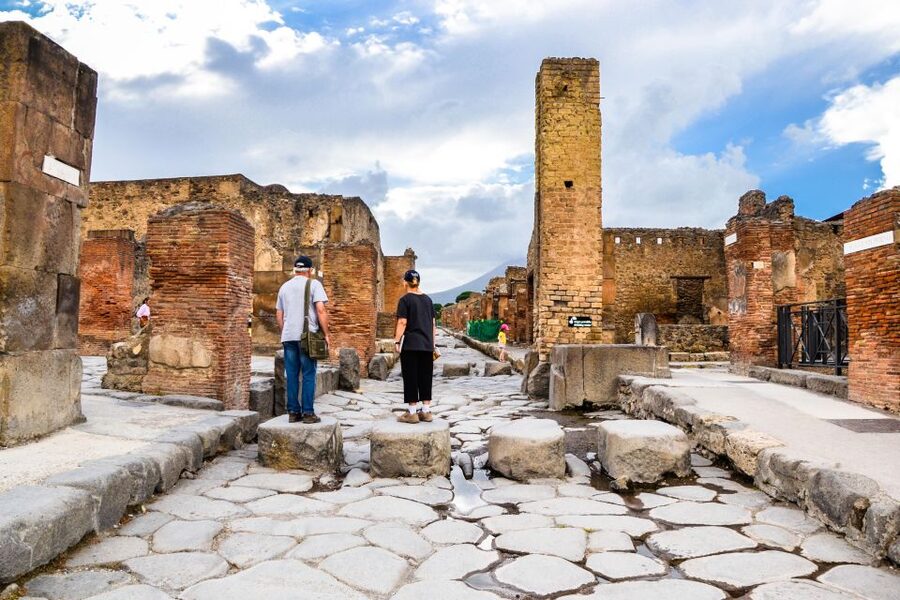
Walking the ancient streets is one of the best reasons to choose a self-guided visit. The road surfaces, building fronts, and room layouts let you picture Pompeii as a functioning town rather than a collection of isolated monuments.
The domus, or private houses, are especially rewarding. Some contain frescoes that still give you a sense of Roman taste, status, and domestic decoration. You can take your time with a painted room instead of hearing a short explanation and being hurried onward.
The houses also show how varied city life could be. A large home with decorated rooms tells one story, while smaller spaces and commercial fronts point to a more ordinary daily routine. The audio guide is valuable here because a bare wall or courtyard can be difficult to interpret without help.
Take care with your expectations. Pompeii is preserved, but it is not restored into a complete, polished city. Roofs are missing from many buildings, walls can be partial, and access to individual areas may vary. The pleasure comes from reading the surviving pieces and using the guide to connect them.
A few more audio tours around Pompei Campania worth a look
- Pompeii: Skip-the-Line Ticket with Audio Guide and Map
★ 4.0 · 117 reviews - From Pompeii: Vesuvius Entry with Transfer and Audioguide
★ 4.2 · 74 reviews - Pompeii & Herculaneum: Skip-the-line & Digital Guide App
★ 4.0 · 35 reviews - Herculaneum and Pompeii in one day: Audioguides + Tkts (art)
★ 3.7 · 22 reviews
Spas, temples, shops, and thermopolia
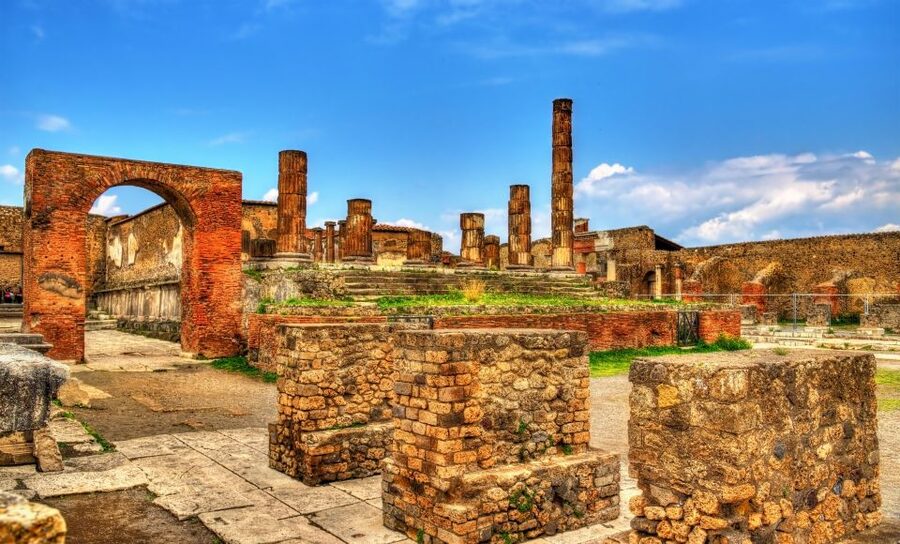
Pompeii becomes more understandable when you move beyond the famous houses. The ancient spas show how public bathing worked as part of Roman social life. Temples point to religion and civic identity. Shops reveal the commercial side of the city.
Thermopolia are particularly fun to look for. These were food and drink counters, something like the quick-service establishments of their day. Their counters and built-in features help you picture people stopping for a meal rather than preparing everything at home.
These smaller details make the visit feel human. You are not only looking at grand monuments. You are seeing the places where people worshipped, washed, bought food, worked, and met one another.
The audio guide earns its keep in areas like these. Without an explanation, a counter or room may look like another fragment of masonry. With context, it becomes part of a daily routine. I would give these practical places more time than their size suggests.
The theaters, brothel, and casts of victims
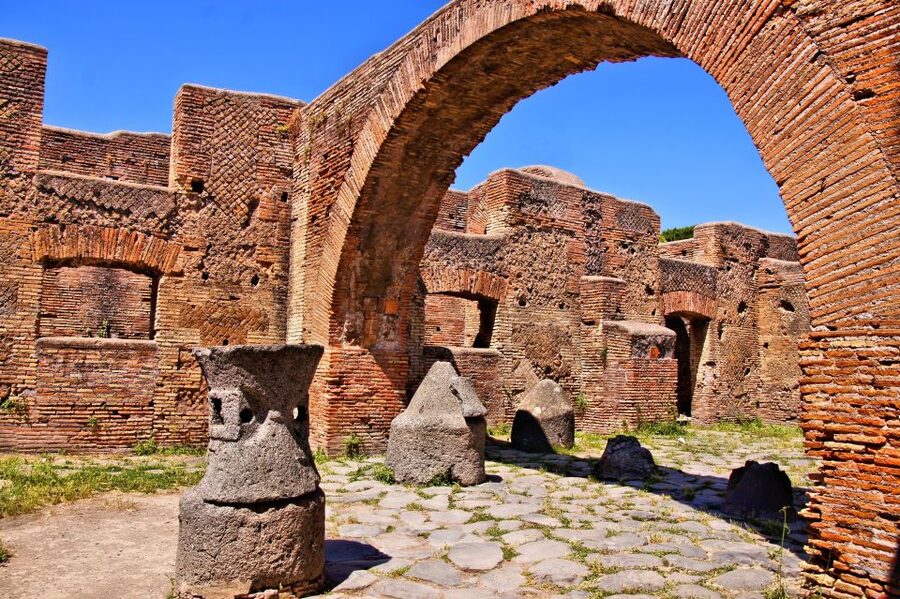
Pompeii’s theaters show that entertainment was a serious part of Roman public life. Their scale and layout help you understand how performances brought the community together. You can visit at your own speed and use the audio guide to make sense of what you are seeing.
The brothel is one of the site’s more talked-about stops. Its rooms and surviving imagery offer a blunt reminder that Pompeii was not a museum city built only around temples and wealthy homes. The experience can feel stark, but it is part of the evidence left behind by ordinary and commercial life.
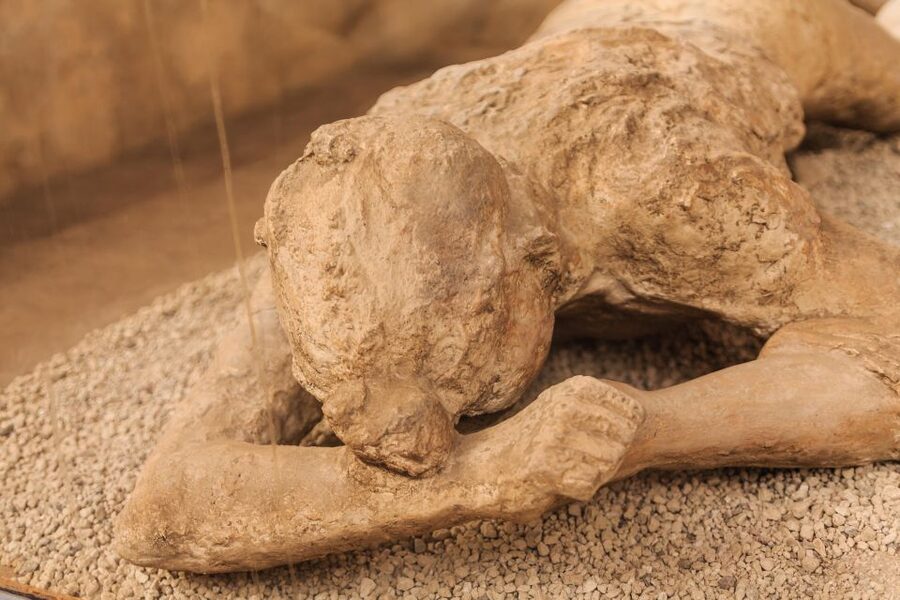
The casts of eruption victims are among the most moving parts of the visit. They bring a human scale to the disaster. After seeing streets, houses, and public buildings, these forms remind you that Pompeii was a lived-in city, not simply an archaeological puzzle.
Give yourself time at these stops. The subject matter is heavy, and rushing through it can make the visit feel like a checklist. The self-guided format lets you pause, listen, and move on when you are ready.
The amphitheater and Pompeii’s biggest views
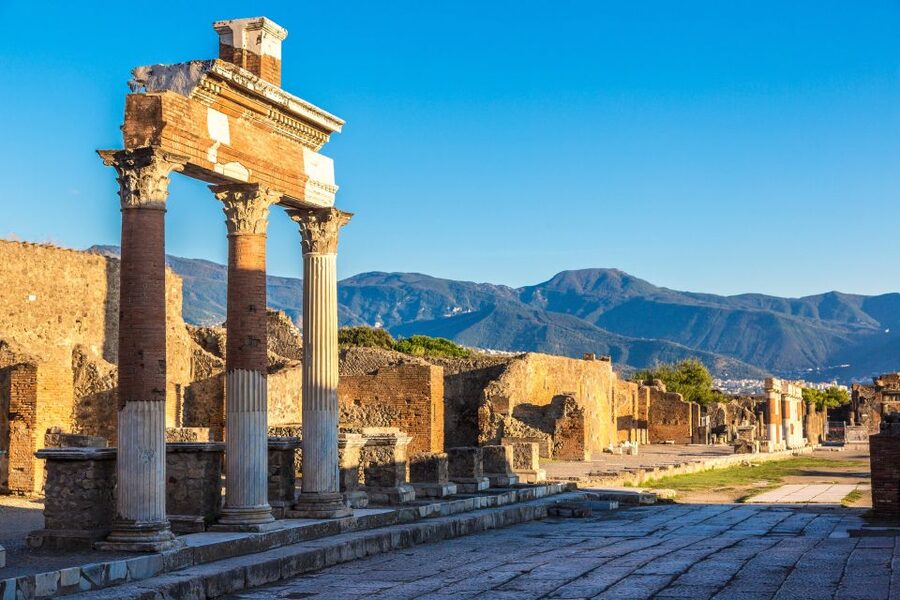
Pompeii has one of the best-preserved Roman amphitheaters, a major highlight for anyone interested in public entertainment and Roman engineering. Its surviving form helps you picture the crowds, organization, and scale of events held there.
Because the site is so large, you may need to choose between seeing every major sector and spending meaningful time inside a few of them. A full day is possible, and one visitor explored independently from 10 a.m. to 5 p.m. with good results. That does not mean you must stay seven hours, but it shows how much there is to cover.
The amphitheater also makes a useful planning marker. You can use major buildings to divide your route into sections rather than trying to follow every lane. That keeps the day from becoming a long, directionless walk.
Do not underestimate the physical effort. The site is outdoors, exposed, and spread across ancient streets. Comfortable shoes are essential. A hat, sunscreen, and enough water are not optional extras in warm weather.
How the $44 price holds up
At $44 per person, the price reflects more than simple admission. You are paying for the Pompeii entrance ticket, the audio guide, the map, and the convenience of arranging these pieces together.
The strongest value comes when you want freedom. A private guide would cost more, while a large group tour would give you less control over where you stop. This option lets you create your own route and hear explanations in your chosen language.
The value is weaker if you only want quick entry and already know Pompeii well. On a quiet day, the skip-the-line feature may save little time. And if you do not use the audio guide, part of what you paid for goes unused.
Food and drinks are not included. Plan to carry water, since one person found it hot and difficult to find a restaurant nearby. Large bags and luggage are not allowed, so travel light. These details affect the real cost and comfort of the day more than they might appear on a booking page.
Free cancellation up to 24 hours ahead and the option to reserve now and pay later add useful flexibility. They do not improve the archaeology itself, but they make the booking less risky when Campania plans are still changing.
Who should choose this format
I would choose this experience for independent visitors, couples, families with older children, and anyone who wants to set the pace. It is also a good fit if you want audio commentary in a language not always available in a small local group.
It suits you particularly well if you enjoy making your own route. You can focus on frescoes, Roman homes, public buildings, or the human story of the eruption instead of following someone else’s priorities.
I would be more cautious if you have limited mobility. The activity is listed as unsuitable for people with mobility impairments, and the site’s size and ancient surfaces make that warning important.
I would also think twice if you need a perfectly organized route with constant direction. The map can be confusing, some audio stops may not correspond neatly to map items, and you must keep track of your own time and position.
Practical advice for a better day
Arrive prepared for sun and walking. Wear comfortable shoes, use sunscreen, bring a hat, and carry water. Do not bring luggage or a large bag, since these are not allowed.
Before entering, decide what you most want to see. The houses, spas, temples, shops, thermopolia, theaters, brothel, victim casts, and amphitheater can easily fill a full day. A short priority list will help you avoid spending all your energy in the first section.
Use the audio guide selectively. You do not need to listen to every stop in full. Pick the buildings that interest you, then keep moving when a space does not hold your attention.
If you are visiting with children, confirm how their tickets are handled. The skip-the-line benefit may not cover every child-ticket queue. That small point can affect the smoothness of arrival.
The experience receives a rating of 4 out of 5 from 14 ratings, with the clearest praise aimed at the simple audio guide, fast ticket and guide handover, helpful staff, and freedom to explore alone. The main complaints are equally useful: unclear signs, a complicated map, hot conditions, and no clearly supplied headphones.
Should you book this Pompeii ticket?
Book it if you want to explore Pompeii on your own terms and will actually use the audio guide. The combination of entry, route help, and historical explanation makes a large and sometimes confusing site easier to handle.
Skip it if you want a live expert beside you, a tightly planned route, or help with every turn. This is an independent visit, not a guided walking tour.
For most self-guided visitors, the $44 price is reasonable when flexibility matters. Bring water and headphones, study the map early, and accept that skip-the-line does not mean every queue disappears. Do that, and you will have the right tools for a long, absorbing day among Pompeii’s streets.
FAQ
How long is the Pompeii ticket valid?
The ticket is valid for one day.
What is included in the price?
The price includes the Pompeii entrance ticket, an audio guide, and an updated map.
Is food included?
No. Food and drinks are not included.
What languages are available for the audio guide?
The audio guide is available in English, Chinese, French, Italian, German, Hebrew, Russian, Spanish, and Portuguese.
Which languages are available from the host or greeter?
Host or greeter assistance is available in English, Spanish, French, and Italian.
Can I explore Pompeii at my own pace?
Yes. This is a self-guided visit, so you can choose your own route and decide how long to spend at each site.
Are headphones included?
The provided information does not confirm that headphones are included. Bringing your own is a sensible choice.
Can I bring luggage or a large bag?
No. Luggage and large bags are not allowed.
What should I bring?
Bring comfortable shoes, a hat, sunscreen, and water.
Is the experience suitable for people with mobility impairments?
No. The activity is listed as unsuitable for people with mobility impairments.
Can I cancel for a full refund?
Yes. You can cancel up to 24 hours in advance for a full refund.
Can I reserve now and pay later?
Yes. The booking option allows you to reserve your spot and pay later.
Just added around Pompei Campania
- Pompeii: Pre-reserved ticket with audio guide★ 3.2 · 15 reviews
- Pompeii Tour_Skip the line ticket + audioguide★ 4.7 · 17 reviews
- Pompeii: Skip-the-Line Ticket with Audio Guide and Map★ 3.9 · 5 reviews
- Pompeii: Skip the Line Ticket + Audioguide★ 3.3 · 13 reviews
- Pompeii, skip-the-line ticket with smartphone audio guide on App★ 3.0 · 4 reviews
- Pompeii & Herculaneum: Skip-the-line & Digital Guide App★ 4.0 · 35 reviews
- Pompeii Skip-the-Line Ticket and Audioguide★ 4.2 · 7 reviews
- Pompeii: Skip The Line Entrance Tickets + Audioguides★ 3.2 · 4 reviews
Skip the Line, compared.

Topkapi Palace and Harem Skip-the-Line-Tickets & Audio Guide
Read our review →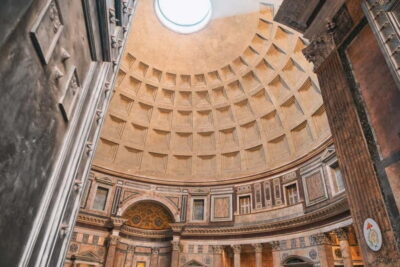
Pantheon Reserved Entry Ticket with Audio Guide
Read our review →
Borghese Gallery Skip-the-Line Ticket & Audioguide
Read our review →
Skip the Line: Vatican & Sistine Chapel Ticket with Audio Guide
Read our review →
Skip-the-line Entry Ticket with Audio Guide & Map
Read our review →
Mount Vesuvius: Skip-the-Line Ticket and Smart Digital Guide
Read our review →
Borghese Gallery Skip-the-Line Tickets with Audioguide
Read our review →
Taormina: Ancient Theater Skip-the-Line Ticket & Audio Guide
Read our review →Browse the lists this tour appears in