
REVIEW · ROME AUDIO TOURS
National Gallery of Modern Art Ticket & Rome App Audioguide
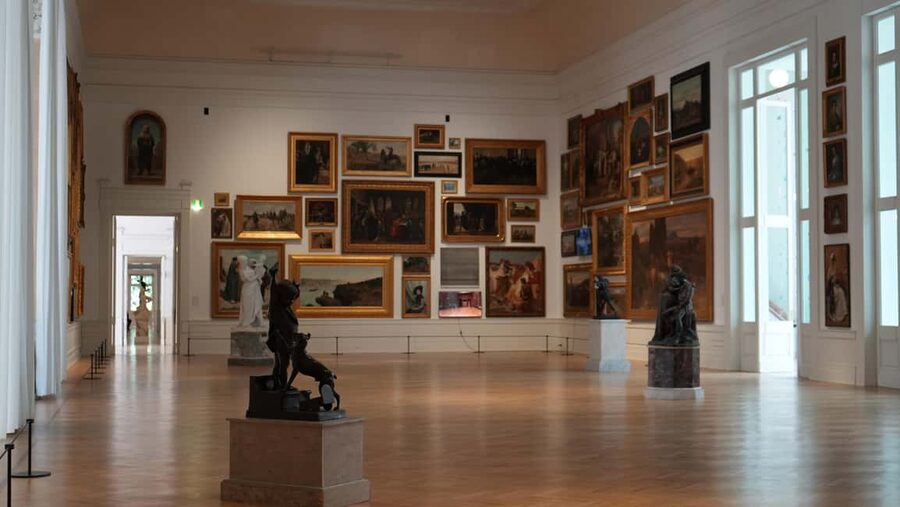
Great art needs room to breathe. Rome’s National Gallery of Modern Art gives you exactly that, with spacious galleries holding nearly 20,000 Italian and foreign paintings, sculptures, drawings, and installations. I like the skip-the-line entry and the chance to see names such as Monet, Van Gogh, and Canova without committing to a guided group.
I also like the museum’s broad sweep, from 19th-century art on the ground floor to 20th-century works upstairs. The main drawback is the lack of a clear route through the building, and labels for some works can be hard to locate. The included Rome app audioguide adds value, but it is not a dedicated guide to every museum object.
Key points to know before you go
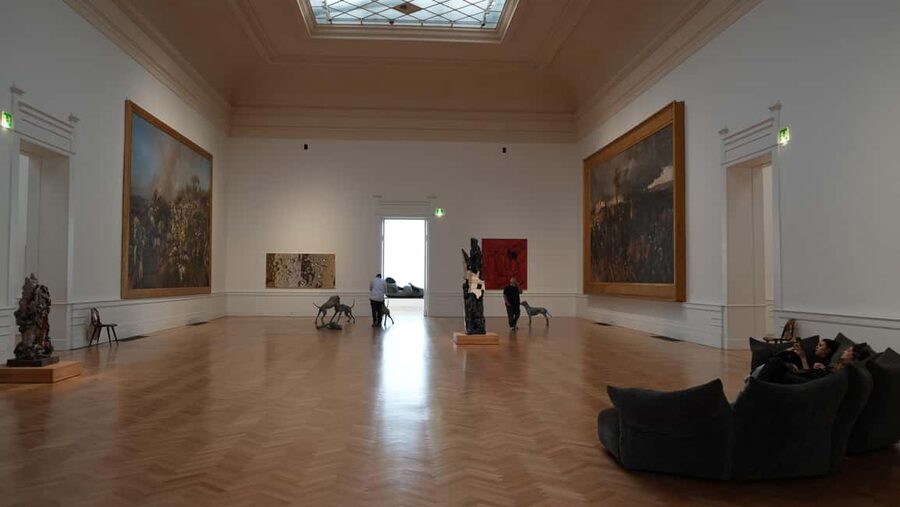
- Nearly 20,000 works: Expect a large collection of paintings, sculptures, drawings, and installations from Italy and abroad.
- Two main art periods: The ground floor focuses on 19th-century art, while the top floor presents 20th-century material.
- Major names: Look for works connected with Claude Monet, Vincent Van Gogh, Antonio Canova, and Joseph Kosuth.
- Good value at $20: The ticket itself costs 15 EUR, with the remaining amount covering the Rome audio app and booking services.
- Plan your own route: There is no guided tour, and the museum’s signage may not always show the clearest order of visit.
- Allow a full day: Your ticket is valid for one day, so you can set your own pace rather than race through the collection.
Why this Rome museum deserves a place on your itinerary
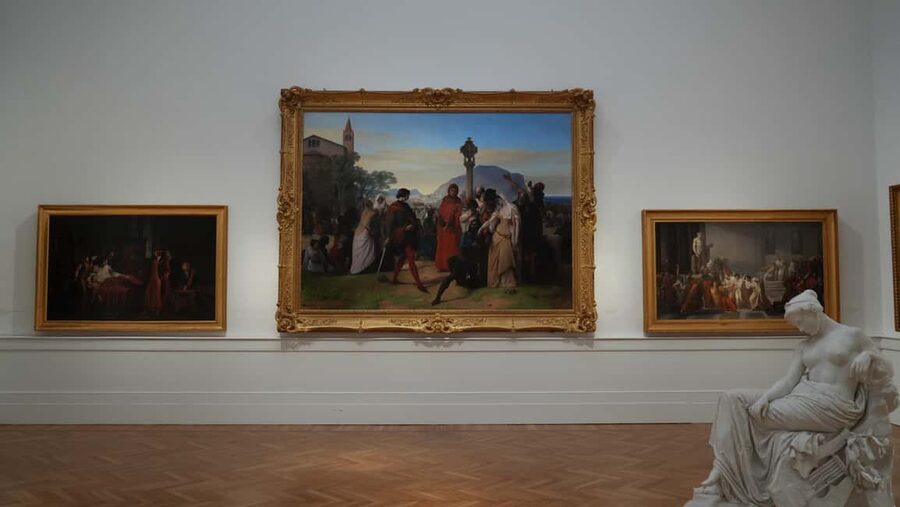
Rome is packed with ancient ruins, Baroque churches, and Renaissance masterpieces. The National Gallery of Modern Art gives you a different side of the city, one that follows the development of modern European art through changing styles, ideas, and materials.
The collection covers movements from Neoclassicism and Impressionism to Futurism and Surrealism. That range matters because you are not entering a single-artist museum or a small display of modern works. You are getting a broad look at how artists responded to new technology, new politics, new ways of seeing, and new ideas about what art could be.
I would recommend this museum to anyone who wants a break from Rome’s ancient monuments. It also suits repeat visitors who have already seen the Colosseum, Vatican Museums, and major historic churches. If you mainly want ancient Roman objects, this is not the right pick. If you enjoy comparing styles and moving between painting, sculpture, and installation art, it is a useful addition to your schedule.
The building’s generous rooms are another advantage. Large works need space, and the galleries are well suited to paintings and sculptures that would feel cramped in a smaller museum. The tradeoff is that the collection can feel less immediately manageable. You may need to pause, check labels, and decide which rooms deserve your attention.
More Museum Audio Tours in Italy
- Rome: Borghese Gallery Skip-the-Line Ticket & Audioguide
★ 4.3 · 4,318 reviews - Rome: Borghese Gallery Ticket + Audioguide or Guided Tour
★ 4.6 · 3,219 reviews - Rome: Borghese Gallery Skip-the-Line Tickets with Audioguide
★ 4.6 · 2,562 reviews
Entering with skip-the-line access
The ticket gives you access to the museum without waiting in the standard ticket line. That is especially useful in Rome, where time can disappear quickly at busy sights. Prebooking also removes one small decision from your day: you do not need to arrive and hope that tickets are still available.
Your ticket is valid for one day, and the activity has starting times based on availability. The supplied information does not describe a fixed guided schedule, so think of this as a self-guided museum visit rather than a tour with a meeting group.
At the entrance, you use your official ticket to enter the museum. Keep the ticket ready on your phone or in the format provided at booking. The entry arrangement is simple, but you should check the selected time and opening details before setting out.
The museum closes on Mondays. That detail is easy to miss when you are planning a busy Rome itinerary, so avoid placing this visit on Monday. It is also wise to check availability before you build the rest of your day around it.
The ground floor: Monet, Van Gogh, and 19th-century art
Start on the ground floor, where the collection includes 19th-century art. This is the section most likely to appeal to you if you enjoy the movement from formal academic painting toward freer, more personal styles.
Claude Monet and Vincent Van Gogh are the headline names supplied for this level. Their presence gives you a clear reason to visit, but the value of the floor goes beyond checking famous artists off a list. You can look at how artists handled color, light, brushwork, and the ordinary world in new ways.
The galleries are large enough for works of considerable size. That spacious setting can make a difference with paintings that depend on distance, scale, or an overall visual effect. Instead of squeezing past a crowd in a narrow room, you may find you can step back and take in the whole composition.
Do not expect every work to have an obvious place in a neat story. One practical weakness is the signage. Some labels and artist names can take effort to find, and the building does not always make the best direction of travel clear. I suggest checking the museum map or floor information as soon as you enter, then choosing a rough order for the rooms.
If you care strongly about one artist, allow extra time to locate the relevant work. The collection is large enough that a quick, casual walk can leave you unsure about what you have seen. The included Rome app may help with general sightseeing, but it should not be treated as a full catalogue of the museum’s nearly 20,000 works.
The top floor: 20th-century experiments and Canova
The top floor shifts your attention to 20th-century art and more experimental forms. Here you may encounter sculpture, installations, and works tied to movements such as Futurism and Surrealism. The change from the ground floor gives the visit a useful sense of progression, even if the museum route itself is not always clearly marked.
Joseph Kosuth is one of the artists associated with the top-floor collection. His work can prompt questions about language, objects, and the meaning of art itself. You may find this section less immediately familiar than the rooms with Monet or Van Gogh, but that is part of its purpose. Modern art often asks you to think before it asks you to admire.
Antonio Canova is also included among the artists highlighted for the museum. His work provides a link to Neoclassical sculpture and offers a different experience from the painted surfaces and conceptual installations elsewhere in the building. Pay attention to the contrast between carved form, modern materials, and idea-based art as you move through the galleries.
The collection’s mix is one of its strongest features. You can pass from a recognizable painting to an abstract piece or a large installation within the same museum visit. That variety keeps the day from feeling repetitive, though it can also make the museum harder to summarize in one sentence.
I would not rush upstairs simply because the ground floor contains the more famous names. The top floor is where you get a better sense of the museum’s reach. If you normally prefer traditional painting, give yourself permission to spend less time on works that do not connect with you, but do not skip the entire level.
More Museum Audio Tours in Rome
- Rome: Borghese Gallery Skip the line ticket and Audioguide
★ 4.3 · 1,535 reviews - Rome: Borghese Gallery Ticket and Optional Audio Guide
★ 4.3 · 902 reviews - Borghese Gallery, Home to Canova’s Art – Entry with Audioguide
★ 4.0 · 884 reviews - Rome: Borghese Gallery Skip-the-Line Ticket & Audioguide
★ 4.0 · 768 reviews
How the Rome audio app fits into the visit
The package includes a digital app audioguide for the city of Rome. This is a useful extra if you want sightseeing information beyond the museum, but you should understand what you are receiving before you buy.
It is not described as a live museum guide, and there is no guided tour included. You will be responsible for moving through the galleries, choosing what to see, and deciding when to listen. That freedom suits independent visitors who dislike fixed group schedules.
The app may be most useful before or after your museum visit, when you are exploring Rome more broadly. Inside the gallery, it should be viewed as a supplement rather than a replacement for object labels or a dedicated museum audio tour. The supplied information does not promise commentary on every painting or sculpture.
That distinction affects the $20 price. The museum ticket itself costs 15 EUR, while the rest covers the digital city audio app and GetYourGuide services. If you already own a Rome guide app or do not plan to use digital commentary, the package may feel less attractive. If you want skip-the-line admission and like having a Rome audio tool available, the added cost is easier to justify.
Is the $20 ticket good value?
At about $20 per person, this is a reasonable choice for a major Rome museum, especially when you value time. The entry ticket is listed as 15 EUR, so part of the price difference pays for the app and booking service rather than for a higher museum admission fee.
The best value comes from using the ticket properly. Do not treat this as a quick stop between two nearby sights unless you only want a short look at the collection. The museum has enough works and enough floor space to reward a slower visit, and your one-day validity gives you flexibility.
The value is weaker for visitors who want a personal art expert. No guide is included, so you will not have someone explaining why a particular work matters, helping you find the best route, or answering questions as you go. You can still have a good visit, but you need to bring your own curiosity and patience.
The price also makes sense for travelers who dislike ticket queues. In Rome, a saved half hour can be worth more than the small premium, particularly on a day with several timed attractions. Just remember that skip-the-line access does not mean you can ignore the museum’s opening days or selected availability.
Practical rules inside the galleries
Food and drinks are not allowed in the museum galleries. Have your water or snack before entering, rather than expecting to carry it from room to room.
Large bags and backpacks must be left at the cloakroom. Pack lightly if you can. A small bag is more convenient, and you will not need to interrupt your visit to check oversized luggage.
Photography is allowed, but flash photography is not permitted. This lets you record a few favorite works while protecting the art and keeping the rooms comfortable for other people.
Pets are not allowed, with assistance dogs permitted. The museum is wheelchair accessible, which makes the visit possible for people who need step-free access. The information provided does not give further details about lifts, seating, or accessible toilets, so you may want to confirm those points directly if they are important to your planning.
Because the building is large, comfortable shoes are sensible. That is not a special tour rule, just good museum practice when you may spend hours moving between rooms and floors.
How to plan your visit without getting lost
The biggest planning issue is orientation. The collection is large, and signage may not always provide a clear sequence or make every artist and artwork easy to identify. I suggest deciding in advance whether you want to see everything broadly or focus on selected movements and artists.
A practical route would begin with the 19th-century rooms on the ground floor. This gives you Monet, Van Gogh, and the move toward Impressionism before you continue to the top floor.
Next, spend time with the 20th-century holdings. Look for the contrast between Futurism, Surrealism, installations, and the work associated with Joseph Kosuth. Include the Canova pieces even if your main interest is modern painting, since sculpture changes the rhythm of the visit.
If you have limited energy, choose a few themes rather than attempting every room. You might focus on painting and sculpture, or compare traditional representation with abstract and conceptual art. Nearly 20,000 works is far too many for one careful day, and you do not improve the visit by turning it into an endurance test.
A full day is available, but you do not have to use every hour. The ticket’s one-day validity simply gives you room to set your own pace. If you are building a packed Rome schedule, a shorter, focused visit may work better than trying to see the entire collection.
Who will enjoy this museum most?
I would choose this visit for independent art lovers, repeat visitors to Rome, and anyone who wants a modern counterpoint to the city’s ancient and Renaissance sights. It is also a good fit for people who like large-scale works and enjoy moving between familiar artists and less familiar styles.
Families with different art interests may appreciate the variety, though the lack of a clear route could make the visit harder to manage with tired children. A self-guided format works best when everyone is comfortable stopping and moving on at different times.
First-time Rome visitors should consider how much modern art they want in an already crowded schedule. If your priority is the Colosseum, Vatican Museums, and historic center, you may prefer to save this museum for another visit. If you want one quieter cultural stop away from the most famous ancient sites, it can be a smart choice.
This is not the best pick for someone who wants a guided explanation of every room. The museum ticket and app do not include a live guide, and the city audio app is not presented as a complete commentary on the collection.
Should you book the National Gallery of Modern Art ticket?
Book it if you want a broad art collection, famous names such as Monet and Van Gogh, spacious rooms, and the freedom to explore without a guide. The skip-the-line entry is convenient, and the $20 price is fair when you will use the Rome audio app as well.
Think twice if you want a tightly organized route or detailed explanations of every work. Bring patience for imperfect signage, leave large bags at the cloakroom, and avoid Monday. For an independent visitor who enjoys choosing a personal path through Italian and foreign art, this is a worthwhile Rome museum stop.
FAQ
How long is the ticket valid?
The ticket is valid for one day. You can set your own pace during that day.
Does the ticket include skip-the-line access?
Yes. The activity includes skip-the-line access to the National Gallery of Modern Art.
Is a guided tour included?
No. A guided tour is not included. The package provides museum admission and a digital app audioguide for the city of Rome.
Is the audioguide specifically for the museum?
The included digital app audioguide is for the city of Rome. It is not described as a complete guide to every museum work.
How much does the museum ticket itself cost?
The museum ticket costs 15 EUR. The remaining amount of the $20 price covers the digital app audioguide and GetYourGuide services.
Is the museum open on Mondays?
No. The museum is closed on Mondays.
Is the museum wheelchair accessible?
Yes. The museum is wheelchair accessible.
Can I take photographs inside?
Yes. Photography is allowed, but flash photography is not permitted.
Just added around Rome
- Pantheon Skip the Line Entry Tickets with Digital Audio Guide★ 3.5 · 52 reviews
- Trastevere: A Self-guided Audio Tour of Rome’s Medieval Village★ 4.5 · 3 reviews
- St. Peter’s Basilica: Dome Climb with Lift & Audioguide★ 4.5 · 13 reviews
- Audio guide in Vatican Museums and Sistine Chapel★ 4.5 · 12 reviews
- Navova square underground with audioguide★ 4.5 · 17 reviews
- The Roman Jewish Ghetto: A Self-Guided Audio Tour★ 4.0 · 8 reviews
- Experience: The Pantheon Audio Tour★ 4.5 · 4 reviews
- St. Mary’s Basilica, Pope Francis Tomb Audio Tour with Crypt★ 4.0 · 3 reviews
Museums, compared.
Uffizi Priority Ticket & Masterpieces Audio App
Read our review →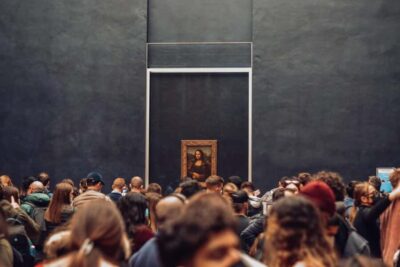
Louvre Museum Hosted Entry and Mona Lisa Audioguide
Read our review →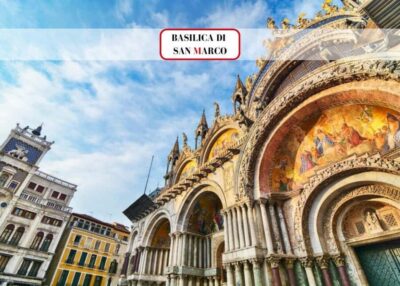
St. Mark Basilica Ticket, Audioguide+History Gallery
Read our review →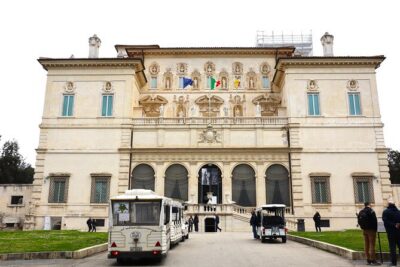
Borghese Gallery Skip-the-Line Ticket & Audioguide
Read our review →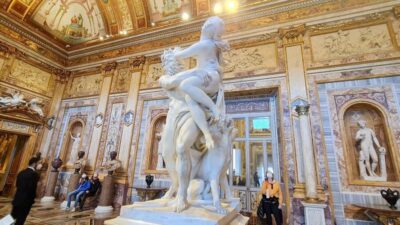
Borghese Gallery Ticket + Audioguide or Guided Tour
Read our review →
Orsay Museum Entry Ticket and Digital Audio Guide App
Read our review →
Uffizi Gallery Timed Entry Ticket & Audio Guide
Read our review →
Acropolis Museum Ticket with optional Audio Guide
Read our review →Browse the lists this tour appears in