
REVIEW · MADRID AUDIO TOURS
Madrid: Las Ventas Bullring Tour with Audio Guide
Bullfighting history comes alive at Las Ventas. Madrid’s grand Plaza de Toros de Las Ventas is more than a stadium. Its red brick Neo-Mudéjar design, sweeping seating, and central arena give you a clear sense of why this place matters to Spanish culture. I especially like the self-paced audio guide and the chance to walk into the arena itself. The main consideration is that the subject can be confronting, particularly the videos and explanations of the bull’s death.
The visit is easy to fit into a Madrid itinerary. It takes under an hour if you follow the main route, though I would allow 60 to 120 minutes if you want time for the museum and interactive displays. At $18, the tour offers good value, although temporary events or large structures placed inside the ring can partly block the arena view.
Key points to know before visiting
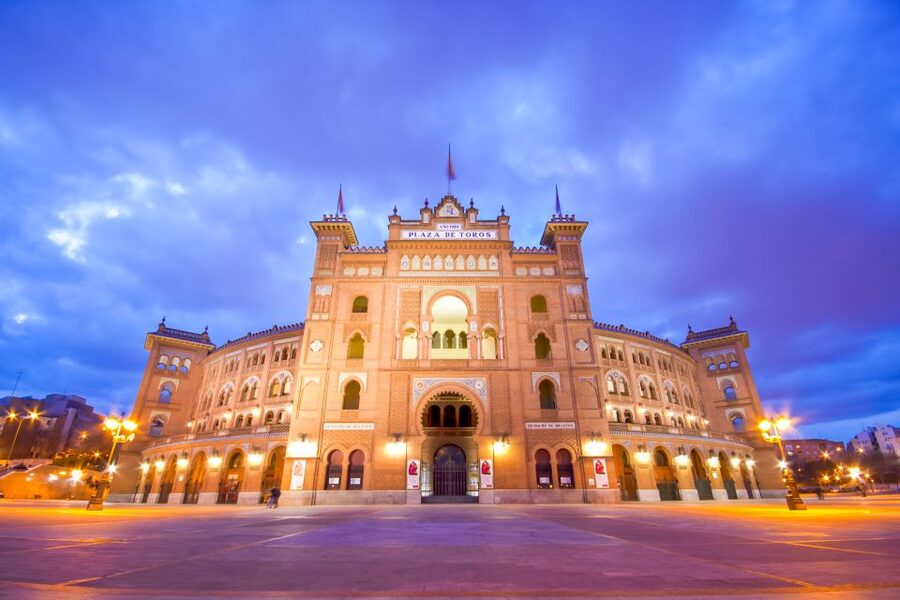
- The arena is the star: Walk into the center of a bullring that seats more than 23,000 people.
- The audio guide sets the pace: Follow numbered stops in your own time, with several language choices.
- The museum adds useful context: See bullfighting costumes, objects, and information about famous matadors.
- The virtual game is included: Try a playful bullfighting simulation that works well for children and curious adults.
- The building is a major attraction: José Espeliú’s 1929 Neo-Mudéjar design is worth seeing even if you are unsure about bullfighting.
- The topic can be difficult: Some films and displays show or explain the violence involved in the tradition.
Why Las Ventas deserves a place on your Madrid list
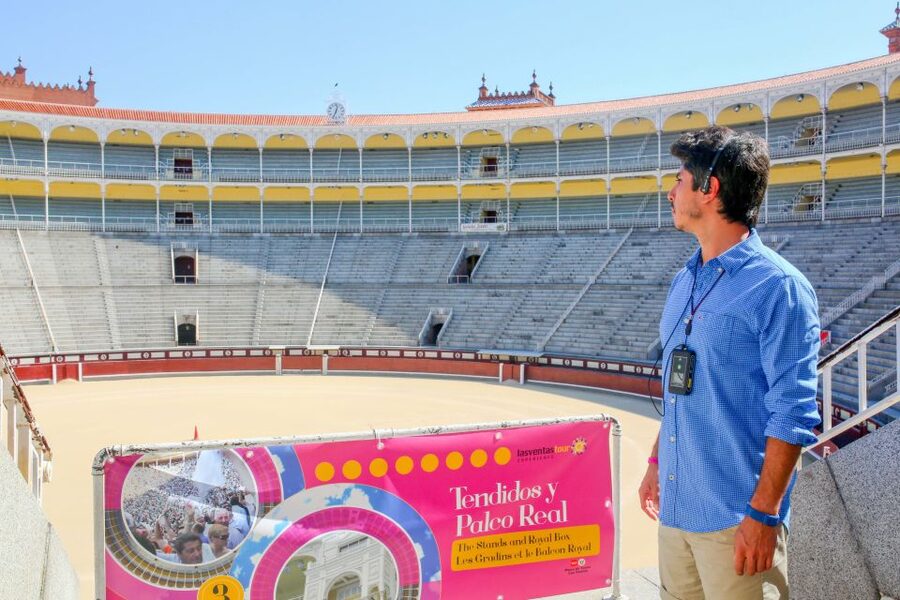
Las Ventas is Madrid’s largest bullring and one of the city’s most recognizable cultural buildings. It was designed by José Espeliú and built in 1929, when bullfighting was becoming an important national spectacle. The structure was made to hold more than 23,000 spectators, so scale is part of the experience from the moment you enter.
I like this tour because it lets you examine the tradition without requiring you to attend a live bullfight. You can learn about the ceremony, the performers, the audience, and the objects used in the arena before deciding how you feel about the practice itself.
The building also carries plenty of cultural associations. Ernest Hemingway, Ava Gardner, Pablo Picasso, Jean Cocteau, Greta Garbo, Orson Welles, and Sophia Loren were among the well-known figures connected with the bullring’s audience. That list does not make bullfighting more acceptable to everyone, but it helps explain the place’s international profile.
A few more audio tours around Madrid worth a look
- Madrid: Prado Museum Ticket with In-App Audio Guide
★ 3.6 · 1,154 reviews - Madrid: Royal Palace Entry with Audio Guide
★ 3.5 · 806 reviews - Audio Guided Tour of the Bullring of Las Ventas in Madrid
★ 4.5 · 290 reviews
Getting to Calle Alcalá 237
The meeting point is the Las Ventas box office at Plaza de Toros, Calle Alcalá 237. The simplest way to arrive is the Madrid Metro. La Ventas station, served by Line 2, is right by the bullring. Bus routes 12, 21, 38, 53, 106, 110, and 146 also serve the area.
Bring your passport or identity card. You do not need hotel pickup, and food and drinks are not included, so plan this as a stand-alone city attraction rather than a full outing with refreshments.
If you have booked online, pay attention to the entrance queue. The box office and admission lines can be confusing, especially when people with online tickets and people buying tickets on site gather in the same area. I would arrive with your booking ready and ask staff where online admissions should go before joining a long queue.
First view of the Neo-Mudéjar building
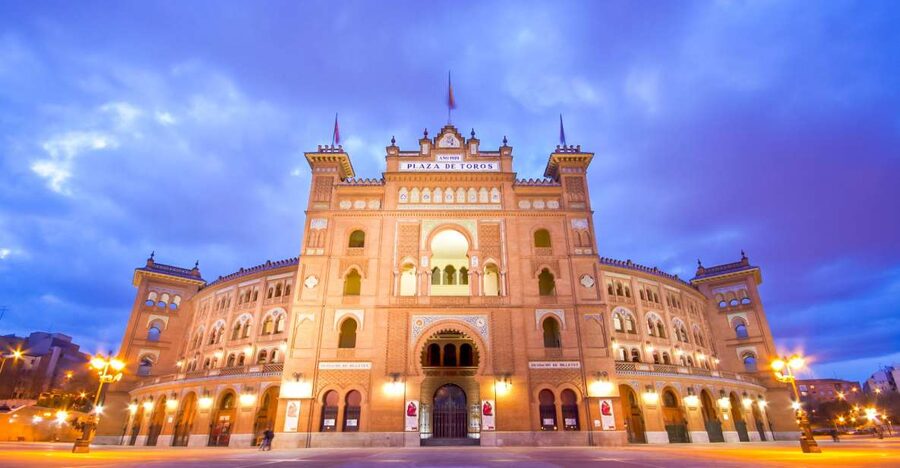
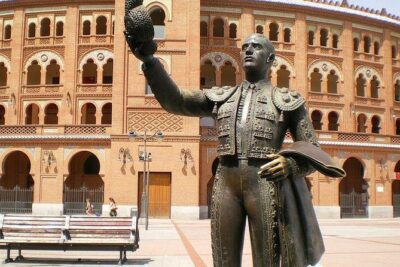
Before you even reach the arena, take a moment to look at the exterior. Las Ventas uses red brick, repeated arches, patterned tile, and decorative details associated with Neo-Mudéjar architecture. The result is formal but highly decorative, quite different from a modern sports stadium.
The building was created for a growing national passion, and the architecture reflects that ambition. It was not designed as a modest local venue. It was built to make the event feel grand, ceremonial, and public.
The audio guide helps you connect the details of the building with the history of bullfighting. The information is presented in short sections, which suits the route well. You can stop, look around, and continue when you are ready rather than keeping up with a group.
Walking into the arena
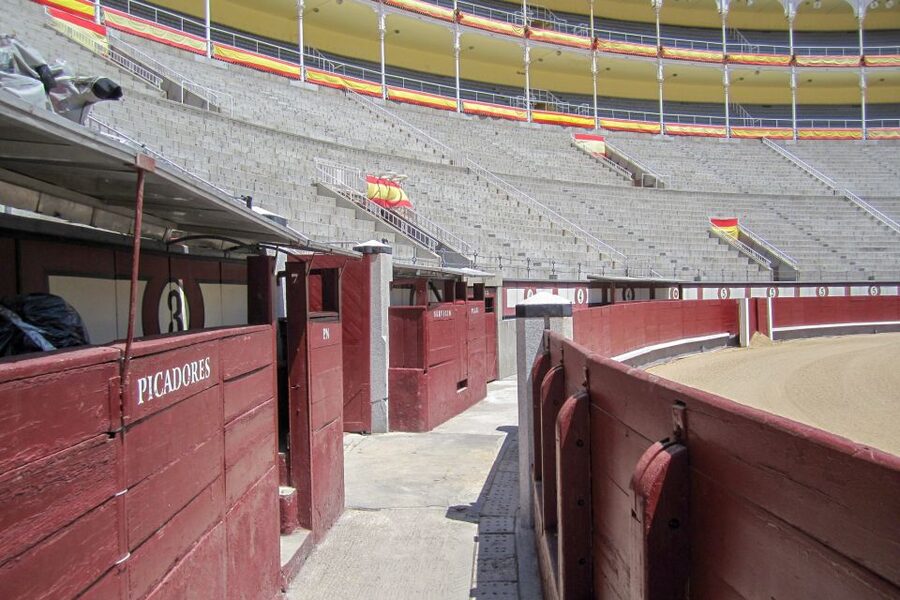
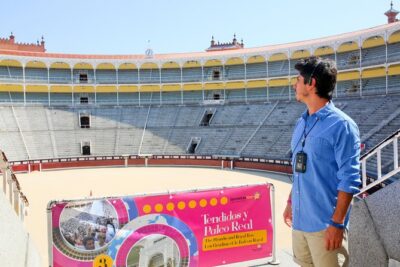
The most memorable moment is usually the walk into the central ring. From the sand, you look up at the curved rows of seats and understand the bullfighter’s exposure in a way that photographs cannot provide.
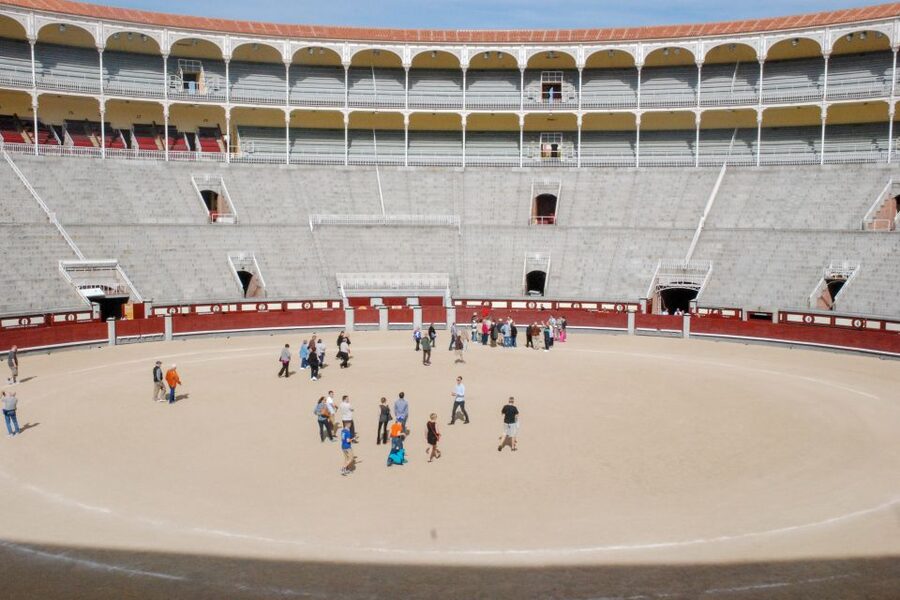
The scale changes when you leave the outer walkways and enter the arena. The audience surrounds the center on every side, and the open space makes the performance area feel surprisingly exposed. You can also think about the bull’s point of view, with the noise and movement coming from the surrounding seats.
This is the part I would prioritize if your time is short. It gives you the clearest physical sense of the spectacle and makes the rest of the audio explanation easier to understand.
One practical warning: a temporary tent or event structure may be set up in the center during some visits. It can obstruct part of the view and reduce the impact of the open arena. This is not necessarily a permanent feature, and it reflects the venue’s use for other events outside the bullfighting season.
Same place, a different route to walk:
- Madrid: Reina Sofía Museum Ticket with In-App Audio Guide
★ 3.1 · 231 reviews - Madrid: El Retiro Park Self-Guided Audio Tour
★ 3.8 · 134 reviews - Madrid: Archaeological Museum E-Ticket and Audio Guide
★ 4.3 · 115 reviews - Las Ventas Madrid Bullring & Bullfighting Museum with Audioguide
★ 4.5 · 106 reviews
How the self-guided audio route works
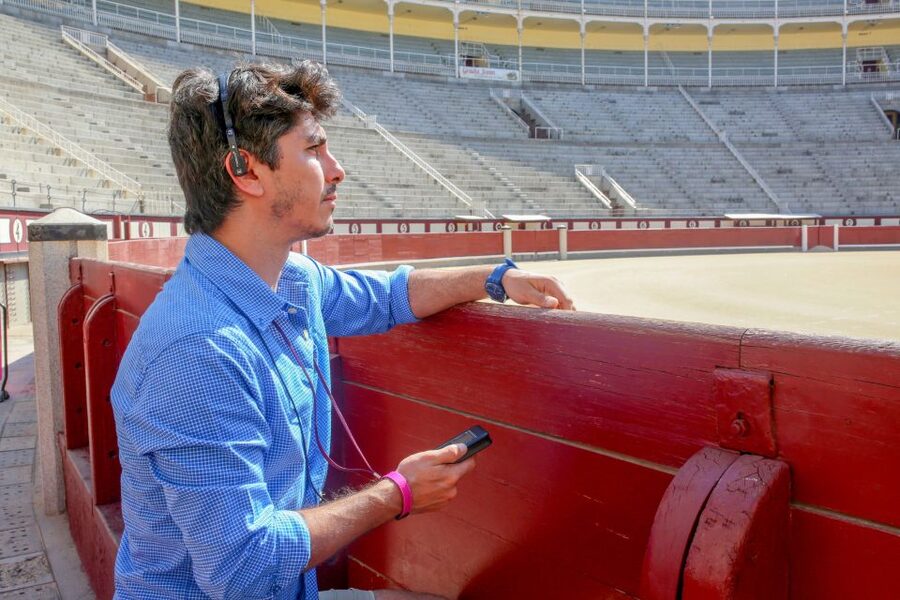
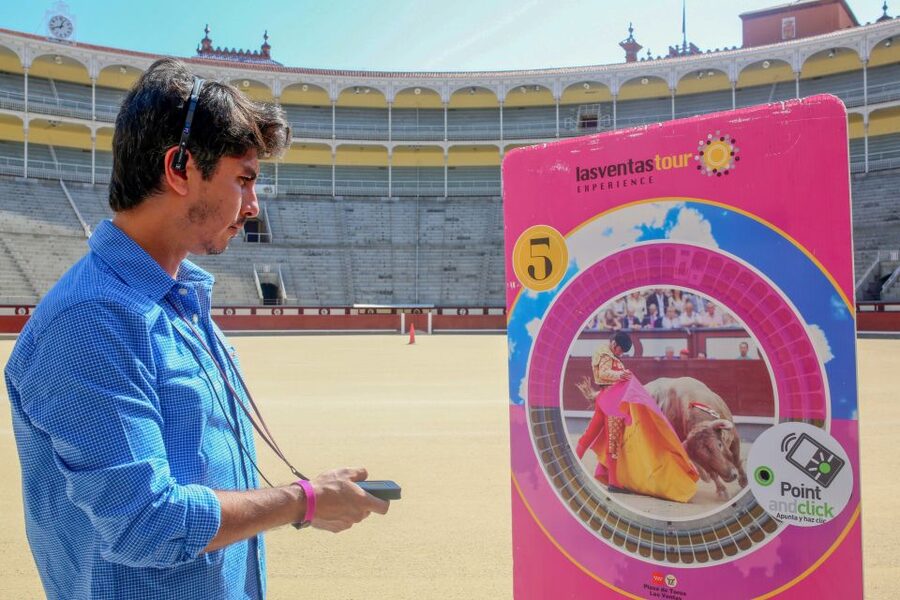
This is not a traditional guided walk with a guide leading a group from room to room. You receive an audio device and follow marked stops around the bullring. Each point explains a particular part of the venue, the sport, or the ceremony.
I like this arrangement for two reasons. First, you can pause when you want to study the architecture or take photographs. Second, you can move quickly through sections that interest you less and spend extra time at the arena or museum.
The guide is available in Spanish, English, French, German, Italian, Korean, Russian, Japanese, Portuguese, and Chinese. A host or greeter may be available in English, Spanish, French, Italian, and Russian. The audio commentary is described as concise rather than overwhelming, which matters in a venue with several stops and displays.
Some signs directing you between numbered points may not be perfectly clear. If you lose the route, ask a staff member rather than wandering around and missing sections. Staff are reported as helpful, and the overall path is designed to be easy to follow.
Understanding the bullfighting ceremony
The audio material explains the structure of the bullfight and the people involved. You learn how the performance is organized, what the matador’s role involves, and how ceremony and movement shape the event.
This context is useful even if you have no plan to attend a live fight. Bullfighting is not just a contest in an arena. It includes costumes, music, gestures, formal entrances, public ritual, and a strict sequence of actions. The explanation helps you see why the event has held such a large place in Spanish and southern French culture.
At the same time, the tour does not remove the difficult parts. Videos and displays may be upsetting, and the subject of the bull’s death is presented rather than hidden. I would be cautious with young children who are sensitive to animal suffering, even though children often enjoy the interactive elements.
The visit is not a live bullfight. If you expect to watch an actual event, this experience will not provide that. Its value is in explaining the setting and tradition, not recreating the full spectacle.
The Madrid Bullfighting Museum
The museum comes toward the end of the route and adds physical detail to the audio commentary. You can see bullfighting clothing, objects, and information about notable matadors. It is a good place to slow down and read after seeing the arena.
I would not rush through this section. The ring gives you scale and atmosphere, while the museum gives you the details of the profession and its public image. Together, they explain why the event required such specialized clothing, equipment, and ritual.
The museum is not huge, so the amount of time you spend depends on your interest. You might move through it quickly in a tight schedule, or spend an extra half hour reading the displays. People who want only photographs of the arena may find it less essential, but anyone trying to understand the tradition should make time for it.
The virtual bullfighting game
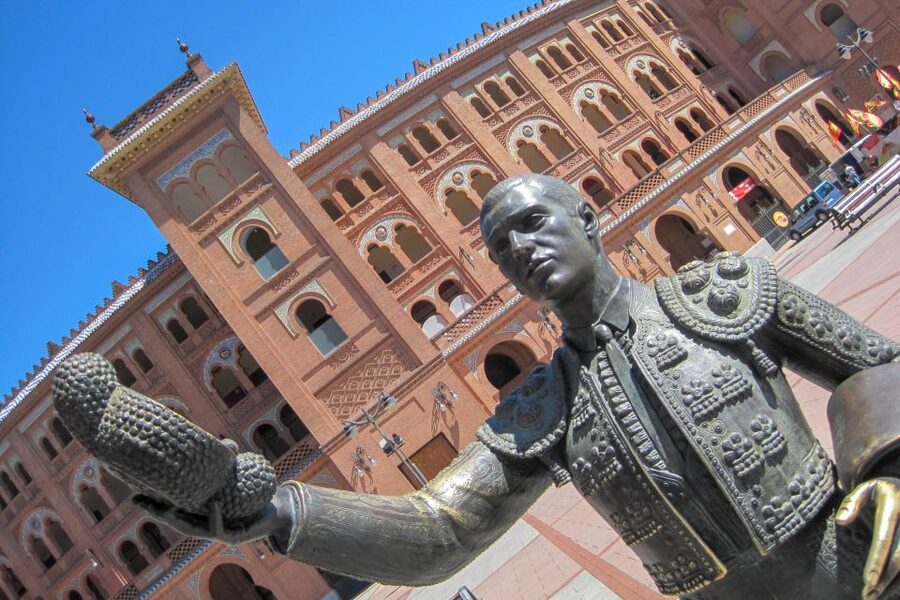
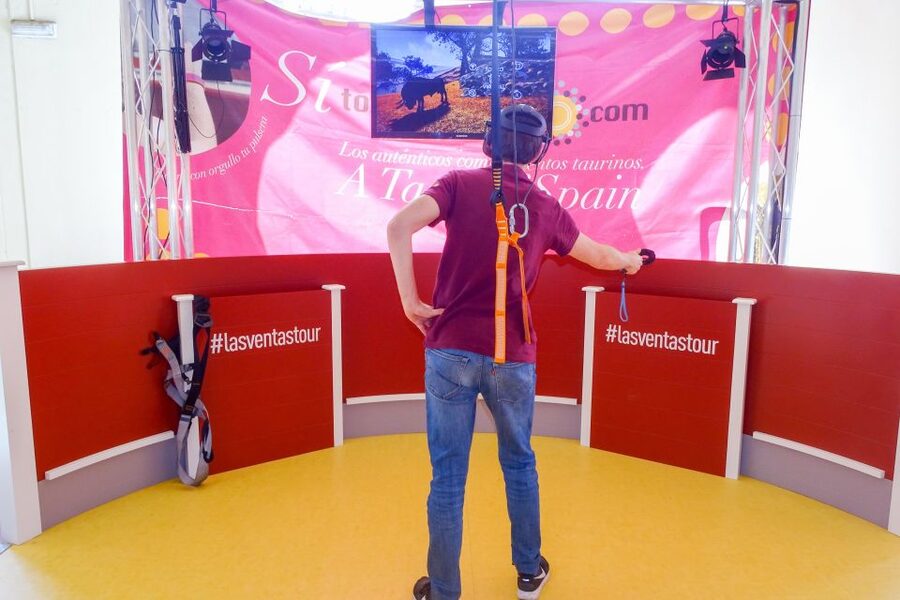
The virtual bullfighting game is one of the more unexpected parts of the visit. You can try a simulation that puts you in the role of the matador, giving you a playful way to understand the timing and movement involved.
This activity is particularly useful for families. It gives children something active to do after the more formal historical information, and adults often enjoy it too. Some visitors also encounter photo opportunities involving matador costumes or digital effects, though the exact setup can vary.
The game should not be mistaken for a full virtual reality recreation of a live bullfight. It is an interactive extra, but it adds value because the ticket includes it rather than charging separately. Take the time to try it if there is no long wait.
How long to allow and what the $18 price buys
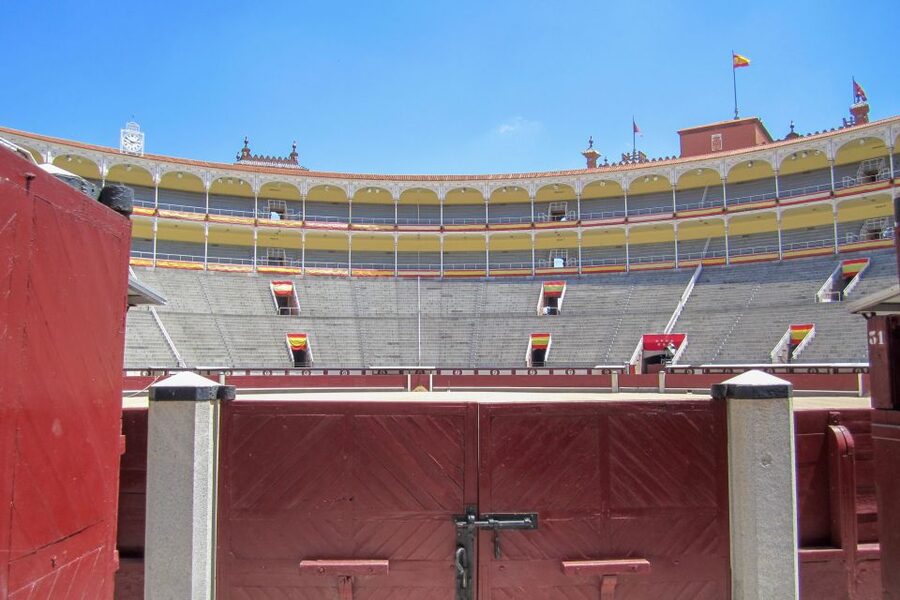
The advertised visit takes under an hour, but the flexible format makes the actual duration variable. If you listen to the main audio stops and move steadily, you can finish quickly. If you explore the museum, take photographs, and try the virtual game, plan on 60 to 120 minutes.
At $18 per person, I consider this a fair price for central Madrid. You are paying for access to the bullring, the audio guide, the museum, and the interactive activity. The value is strongest if you care about architecture, Spanish culture, or the social history of sport.
It is less compelling if you want a full performance or a lengthy guided lecture. You will not see a live bullfight as part of this ticket, and some parts of the route may feel brief. Still, the ability to walk into the arena itself gives the visit a physical quality that a museum alone could not offer.
The activity is valid for one day, with starting times subject to availability. Free cancellation is offered up to 24 hours in advance, and the reserve now, pay later option can help if your Madrid schedule is still shifting.
Accessibility and family suitability
The bullring tour is wheelchair accessible. The self-guided format can also help if you need to move at a slower pace, since you are not required to keep up with a group.
Families can enjoy the building, the arena, and the virtual game, but parents should consider the content. Some videos and explanations deal directly with the killing of bulls. If your children are sensitive to animal welfare issues, you may want to prepare them or skip the most difficult displays.
The tour also suits adults who are unsure about bullfighting. You do not have to approve of the practice to find the building and its cultural role worth understanding. In fact, the visit gives you a better basis for forming your own opinion.
The animal welfare question
It would be misleading to present Las Ventas as only an architectural attraction. The building exists for bullfighting, and the tour explains a tradition that includes the death of the bull.
Some people leave fascinated by the ceremony and eager to attend a live event. Others appreciate learning about the culture but feel uncomfortable with the violence. Both reactions are reasonable. The audio guide provides context, but it does not turn the moral question into a simple one.
If animal welfare is a major concern for you, check how much of the video material you want to watch. You can still appreciate the architecture and enter the arena without treating bullfighting as entertainment you must support.
Who should book this Las Ventas visit?
I would recommend it to you if you want a short cultural stop with a strong sense of place. It works especially well for first-time visitors to Madrid, families interested in interactive attractions, architecture fans, and anyone curious about a major Spanish tradition without committing to a live bullfight.
You may want to skip it if you know the subject will upset you, or if your Madrid schedule is so tight that you can spare only a few minutes. The tour is flexible, but the museum and audio commentary reward a little time.
Book Las Ventas if you want to understand what happens inside the arena, not simply take a photograph outside. Skip the live event if you prefer, walk into the center, listen to the story, and decide for yourself what this complicated part of Spanish culture means.
FAQ
Where is the Las Ventas bullring tour?
The meeting point is the box office at Plaza de Toros de Las Ventas, Calle Alcalá 237, Madrid.
How do I reach Las Ventas by public transport?
Take the Madrid Metro to La Ventas station on Line 2. Bus routes 12, 21, 38, 53, 106, 110, and 146 also serve the area.
How much does the tour cost?
The listed price is $18 per person.
How long does the Las Ventas tour take?
The main tour takes under an hour, but you may spend 60 to 120 minutes if you take your time with the museum, photographs, and interactive displays.
Is an audio guide included?
Yes. An audio guide for the bullring and Bullfighting Museum is included.
Which audio guide languages are available?
The audio guide is available in Spanish, English, French, German, Italian, Korean, Russian, Japanese, Portuguese, and Chinese.
Is the tour available in multiple host languages?
Host or greeter support is available in English, Spanish, French, Italian, and Russian.
Is the bullfighting museum included?
Yes. Admission includes access to the Madrid Bullfighting Museum and its audio guide.
Is the virtual bullfighting game included?
Yes. Interactive experiences such as the Virtual Bullfighting Game are included with the ticket.
Is the bullring wheelchair accessible?
Yes. The activity is wheelchair accessible.
Just added around Madrid
- Self-Guided Audio Tour – Cervantes Literary Experience in Madrid★ 4.0 · 6 reviews
- Self Guided Tours Madrid With 100 Captivating Audio Stories★ 5.0 · 2 reviews
- Royal Palace of Madrid Entry Ticket with Audioguide★ 3.0 · 68 reviews
- Self-Guided Audio Tour – Ghosts of Madrid: History and terror★ 3.5 · 9 reviews
- Madrid National Archaeological Museum with Audio Tour★ 4.5 · 11 reviews
- Madrid Las Ventas Bullring and Museum Tour with Audio Guide★ 4.5 · 8 reviews
- Skip-the-line entrance to the Prado Museum with Digital Audio Guide★ 3.0 · 91 reviews
- Madrid Self-Guided Audio Tour★ 3.0 · 11 reviews
Madrid Audio Tours, compared.
Audio Guided Tour of the Bullring of Las Ventas in Madrid
Read our review →
Reina Sofía Museum Ticket with In-App Audio Guide
Read our review →

Las Ventas Madrid Bullring & Bullfighting Museum with Audioguide
Read our review →
Skip-the-line entrance to the Prado Museum with Digital Audio Guide
Read our review →Browse the lists this tour appears in