
REVIEW · SPAIN AUDIO TOURS
Avila: Cathedral Entry Ticket with Audio Guide
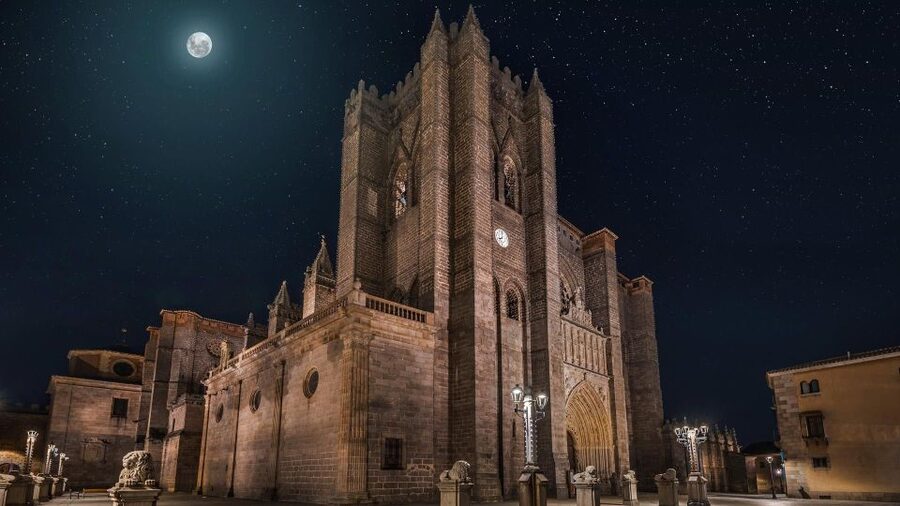
Ávila’s cathedral is part church, part fortress. This self-guided visit lets you study the oldest Gothic cathedral in Spain at your own pace, from its Romanesque red-and-white stone to its later Gothic work. I like the audio guide because it gives the building a clear story, and I like the chance to linger over paintings by Pedro Berruguete and Juan de Borgoña. The main drawback is that the route can be hard to follow, and English audio may be difficult to catch when the organ is playing.
The $11 price is fair for entry and an audio guide, especially if you care about art and architecture rather than simply stepping inside. Allow enough time for the nave, chapels, sacristy, treasury, and cloister, and remember that this is an active place of worship, so access can change during liturgical events.
Key things to know before visiting
- The cathedral began as part of Ávila’s city walls, giving it a defensive character unlike most Spanish churches.
- Romanesque and Gothic stonework appear side by side, making the building a useful lesson in changing architectural styles.
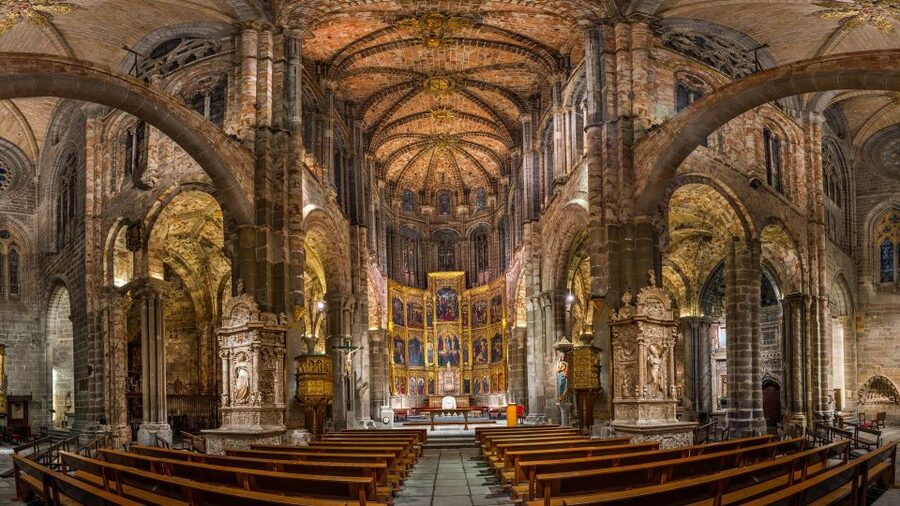
- The star-shaped cupola above the 13th-century sacristy is one of the most memorable details inside.
- Paintings by Pedro Berruguete and Juan de Borgoña give the visit real artistic weight, not just grand architecture.
- The cloister provides a calm final stop, with ribbed vaults and large Gothic windows.
- The audio guide is available in Spanish, English, French, and Italian, but the sound of organ music can make English passages harder to follow.
Why Ávila Cathedral deserves your time
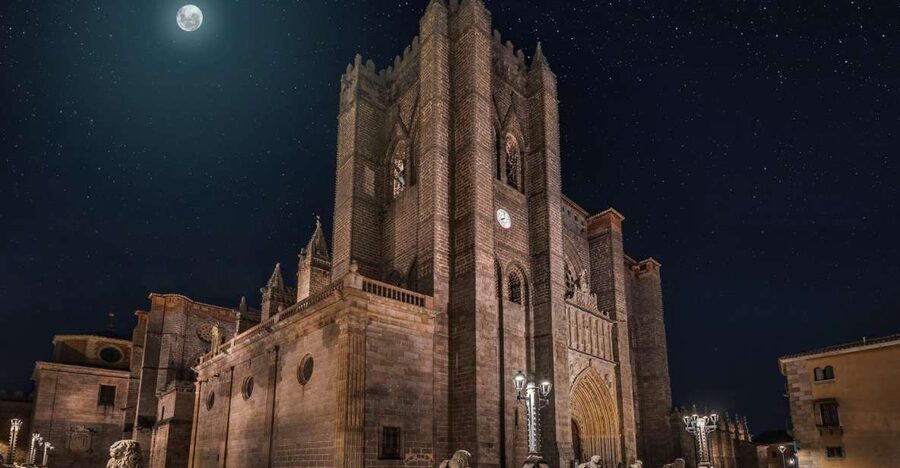
Ávila is best known for its massive medieval walls, but the cathedral is tied to those defenses in a direct way. It was initially built into the city walls, so the exterior feels more like a fortified structure than a delicate Gothic church. That unusual beginning shapes the whole visit.
Inside, you can trace several building periods. The older Romanesque sections use red and white stone, while later Gothic work brings in pale stone, pointed forms, and taller spaces. You do not need to be an architecture expert to notice the change. The audio guide helps explain what you are seeing, but I recommend looking first and listening second. The contrast is easier to understand when you spot it with your own eyes.
This is not a quick photo stop. The main attraction is the way the building combines military strength, religious purpose, sculpture, painting, and quiet domestic spaces such as the cloister. If you give it time, the visit feels less like a checklist and more like a walk through Ávila’s changing past.
More Church Audio Tours in Spain
- Cordoba: Mosque-Cathedral E-Ticket with Audio Guide
★ 4.1 · 2,895 reviews - Cathedral and Giralda Entry Ticket with Audio Guide
★ 4.1 · 505 reviews - Granada: Basilica of San Juan de Dios Ticket & Audio Guide
★ 4.6 · 336 reviews
Entering a cathedral built into the walls
Start by taking in the cathedral from the outside. Its position within the city defenses is not a minor detail. It explains why the building has such a solid, enclosed appearance, and it sets it apart from churches designed mainly to impress from a distance.
Once inside, begin with the audio guide before moving too quickly. The visit is self-paced, so you can pause, replay a section, or look carefully at a feature before continuing. The guide is offered in Spanish, English, French, and Italian. That choice is useful for international visitors, though the English narration may not always be easy to hear if an organist is playing.
The route is not always perfectly obvious. I would keep an eye on the next suggested stop rather than assuming the building’s layout will guide you naturally. The available information notes that tourist visits require the use of a guide, so follow the assigned audio route and any instructions from cathedral staff.
Reading the Romanesque and Gothic stonework
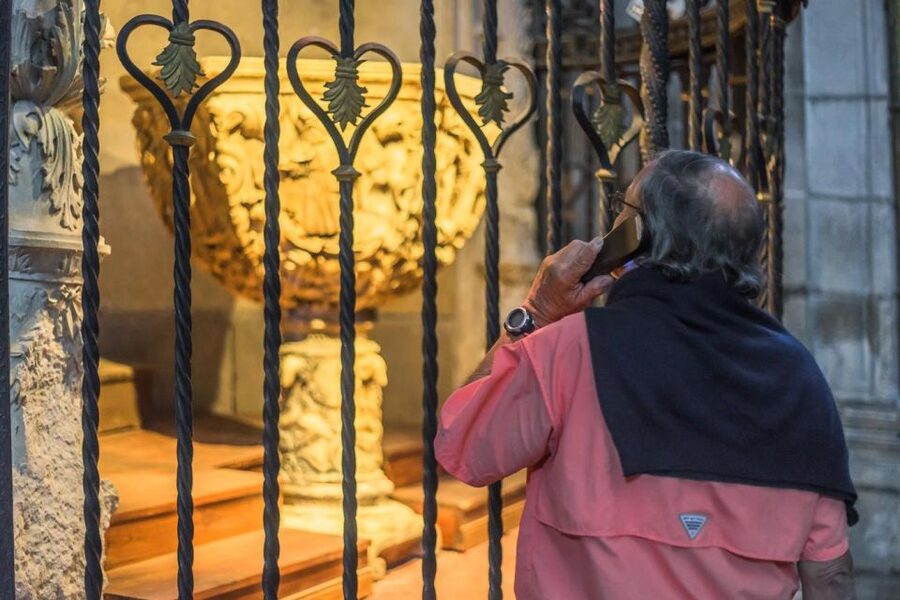
The early sections show the cathedral’s Romanesque roots through their red-and-white stone. These colors give the older work a strong, almost earthy look. As you continue, the white Gothic stonework creates a different mood, with more height and a lighter visual effect.
This change is one of the most rewarding parts of the visit because it turns architecture into a timeline. You can see that the cathedral was not completed in one clean burst of construction. Different generations shaped it, adjusted it, and added new spaces.
Listen to the audio guide for context, but also compare the surfaces around you. Notice where the stone feels heavier and more compact. Then look for the areas that draw your eye upward. Even without technical terms, the contrast between Romanesque solidity and Gothic ambition is clear.
The nave gives you the best sense of the building’s scale. Walk through it slowly rather than treating it as a passage to the chapels. The central space helps tie together the cathedral’s many styles, and it gives you a chance to understand how the smaller rooms relate to the larger church.
The chapels of Piety and Conception
The Chapels of Piety and Conception add a more intimate part to the visit. After the broad nave, these side spaces feel more focused. They are places where you can study details at closer range and see how devotion was expressed through individual chapels rather than the cathedral as a whole.
The audio guide gives these areas purpose, but do not rush. Chapel visits can be easy to blur together if you move too quickly. Pause long enough to look at the layout, the decoration, and the way each chapel fits into the wider church.
These rooms are also a good reminder that a cathedral is not just one grand interior. It is a collection of smaller religious spaces, each with its own role and visual character. The experience works best when you let the audio guide provide the background while you decide which details deserve more of your attention.
Same place, a different route to walk:
- Barcelona: Sagrada Familia Entry Ticket with Audio Guide
★ 4.6 · 105,312 reviews - Barcelona: Casa Batlló Entry with Self-Audioguide Tour
★ 4.7 · 25,359 reviews - Granada: Alhambra Entry Ticket with Audio Guide
★ 4.1 · 5,950 reviews - Casa Batllo Admission Ticket with Intelligent Audio Guide
★ 4.5 · 3,168 reviews
Saint Ildefonso, Saint Teresa, and the art collection
The Chapel of Saint Ildefonso and Saint Teresa is another important stop. Its name connects the visit with the devotional life of the cathedral, while the art nearby gives you something concrete to study.
The paintings by Pedro Berruguete and Juan de Borgoña are among the strongest reasons to choose this experience instead of simply admiring the walls and moving on. Their work gives the cathedral a human scale. You are not only looking at stone, vaults, and religious furniture. You are also seeing how artists used painted scenes to shape prayer, teaching, and feeling.
I would spend extra time here if you enjoy Spanish painting. The audio guide can point out the works and add context, but the paintings reward a quiet look without narration running constantly in your ear. Pause the guide if needed. A self-guided visit gives you that freedom.
This is also where the $11 admission begins to make sense. You are paying not just to enter a historic building, but to see significant artworks in the place for which they were intended. The value is strongest for people who enjoy combining architecture with painting.
The star-shaped cupola above the sacristy
The 13th-century sacristy is home to one of the cathedral’s most unusual visual features: a star-shaped cupola. It is the sort of detail that can be missed if you only scan the main nave.
Look upward as you approach the sacristy. The shape gives the ceiling a distinct identity and shows how medieval builders used geometry to create a strong effect in a relatively contained space. It is a good example of why this visit benefits from an audio guide. Without some direction, you might notice the shape but miss its date and place in the cathedral’s story.
The sacristy and treasury also add a different kind of interest. These are not simply grand public spaces. They connect the cathedral’s everyday religious function with the objects and rooms used to support it. The visit becomes more varied as you move from the nave to chapels, artworks, and practical ecclesiastical spaces.
You may want to pause here before continuing. The cupola is one of the best details to remember later, especially if the main interior begins to feel visually crowded.
Finishing in the cloister
The route ends at the cloister, and that is a wise order. After the scale and decoration of the church, the cloister offers a quieter finish.
Its ribbed vaults and large Gothic-style windows give the space a more measured rhythm. Instead of looking toward a high altar or a painted chapel, you move around an enclosed walkway with repeated architectural patterns. The effect is calmer and more restrained.
I like ending here because the cloister lets you absorb the visit without competing sights at every turn. Take your time with the vaulting and windows. The space may not have the immediate drama of the cupola or the main nave, but it gives the experience a sense of balance.
It is also a useful place to review what you have seen. The cathedral began with fortress-like Romanesque strength, developed into a Gothic church, gained chapels and artworks, and finishes with a space built for quiet movement. The cloister pulls those different parts together.
How the audio guide affects the experience
An audio guide is a good match for this cathedral because the building contains many layers. You can move at your own speed and choose how long to stay at each stop. That is especially useful if one person in your group wants to study paintings while another prefers architecture.
The guide is available in four languages:
- Spanish
- English
- French
- Italian
The English version may be hard to follow during organ music. If you visit when the organist is playing, stand close enough to hear the narration clearly, pause the track during louder moments, or replay sections afterward.
The route itself may not always feel obvious. I would not treat this as a free-form wander. Follow the audio prompts and pay attention to staff directions. The product information says tourist visits require the use of a guide, so the audio guide is not merely an optional extra. It is part of the approved sightseeing arrangement.
In some cases, a human guide may also be involved. Vanessa is specifically praised for being accommodating and for explaining unusual parts of the cathedral’s past. If your booking includes her or another guide, take advantage of the chance to ask about details that the recorded narration does not cover.
Price, timing, and practical value
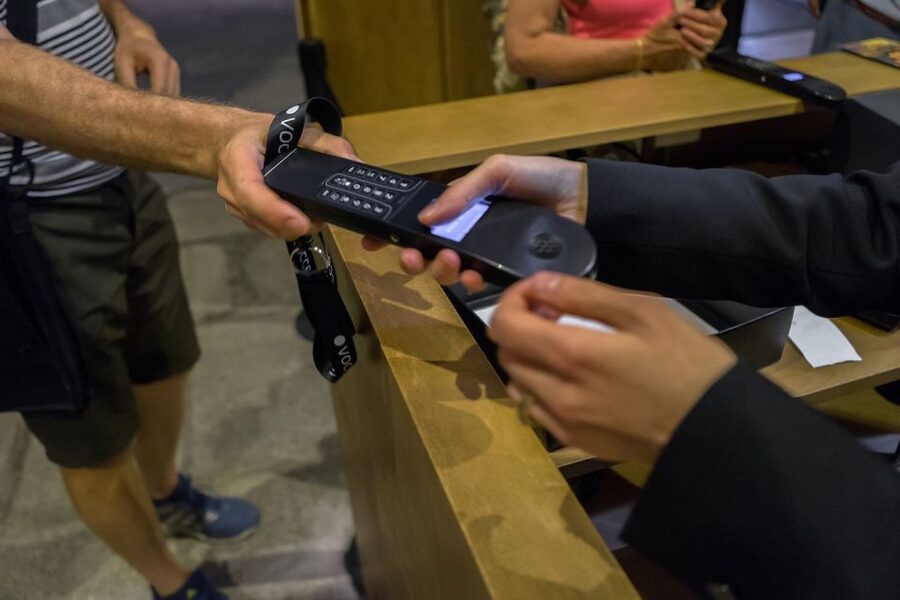
The price is $11 per person. That is a reasonable rate for cathedral entry plus an audio guide, especially when you consider the range of sights included. You are not paying only for access to the nave. The visit also covers the chapels, the art by Berruguete and Borgoña, the sacristy and treasury area, the star-shaped cupola, and the cloister.
Your ticket is valid for one day, with starting times shown when you check availability. The visit does not have a fixed duration in the supplied details, so plan around your own pace rather than expecting a tightly timed tour. The self-guided format allows a brief visit, but the cathedral offers enough detail to justify lingering.
Last access is 30 minutes before closing. Do not arrive at the very end of the day, especially if you want to hear the full audio route. Liturgical events can change the schedule, so leave some flexibility in your plans.
The booking also offers free cancellation up to 24 hours in advance and a reserve-now, pay-later option. These terms are useful if your day in Ávila depends on transport or other timed plans.
Accessibility and visitor rules
The cathedral is wheelchair accessible, which makes this option more practical for many visitors. It is also sold for a private group, giving you a more personal format than a large shared tour.
Several standard church rules apply. Pets, smoking, food, drinks, alcohol, drugs, flash photography, and video recording are not allowed. Respecting these limits helps preserve the atmosphere and avoids problems at the entrance.
Photography without flash is allowed according to the stated restrictions, but the rules specifically prohibit flash photography and video recording. Follow any additional instructions given inside, since religious services may take priority over sightseeing.
Who will enjoy this cathedral visit most?
I would choose this experience if you like historic buildings, Spanish painting, or the small details that explain how a cathedral grew over time. It is also a good fit if you prefer to set your own pace instead of staying with a fixed group.
Families and mixed-interest groups may find the audio format helpful. One person can listen closely while another looks around, and you can pause when children or companions need a break. The route may require a little patience because it is not always perfectly clear.
Art lovers should make a special effort to see the works by Pedro Berruguete and Juan de Borgoña. Architecture fans should focus on the change from Romanesque red-and-white stone to Gothic white stone, then look for the star-shaped cupola and ribbed cloister vaults.
I would be less enthusiastic if you want a fully guided, story-filled tour from start to finish and do not enjoy managing your own route. The audio guide provides structure, but it cannot always respond to questions or adjust its explanation to your interests.
Should you book it?
Book this cathedral visit if you want a reasonably priced, flexible way to see one of Ávila’s defining buildings. The strongest features are the fortress-like setting, the Romanesque-to-Gothic contrast, the Spanish paintings, and the unusual cupola above the 13th-century sacristy.
Go with realistic expectations. The English audio may be difficult during organ music, and the route may take some effort to follow. Arrive with time to spare, listen carefully, and do not skip the cloister at the end.
For $11, this is a solid choice for anyone who wants more than a quick look inside. If your main goal is a polished live tour with constant personal commentary, check whether a human guide is included in your selected booking. If you are happy to explore with an audio guide and pause when something catches your eye, the cathedral gives you plenty to study.
FAQ
How much does the Ávila Cathedral entry experience cost?
The price is $11 per person. This includes cathedral entry and the audio guide.
How long is the ticket valid?
The ticket is valid for one day. Starting times and availability are shown when you check the booking options.
Which languages are available for the audio guide?
The audio guide is available in Spanish, English, French, and Italian.
Is the cathedral wheelchair accessible?
Yes. The experience is listed as wheelchair accessible.
Can the schedule change?
Yes. The schedule may change because of liturgical events. Last access is 30 minutes before closing.
Is the visit self-guided?
Yes. You walk through the cathedral with an audio guide and explore the sights at your own pace. Tourist visits require the use of a guide.
Can I cancel the booking?
You can cancel up to 24 hours in advance for a full refund. A reserve-now, pay-later option is also available.
Just added around Spain
- Tenerife Scavenger Hunt and Highlights Self Guided Audio Tour★ 3.5 · 3 reviews
- Tarragona Scavenger Hunt and Highlights Self Guided Audio Tour★ 4.5 · 15 reviews
- Tarragona Cathedral Entrance + Audio Guide (WebApp)★ 4.5 · 36 reviews
- Seville Maestranza Bullring Tour with Audio Guide★ 3.5 · 6 reviews
- Seville Cathedral and La Giralda Entry Ticket with Audio Guide★ 3.0 · 9 reviews
- Royal Alcazar of Seville Entry Ticket with Audio Guide★ 4.0 · 42 reviews
- Sevilla Centre: City Walk Audioguide in 7 Languages on your Phone★ 3.0 · 2 reviews
- Essential Seville’s Ancient History: An Audio Tour★ 5.0 · 9 reviews
Church & Cathedral Audio Tours, compared.
St. Peter’s Basilica & Dome Entry Ticket & Audio Tour
Read our review →
Basilica Cistern Fast-Track Entry and Audio Guide
Read our review →
Cathedral & Brunelleschi’s Dome Ticket & Audio App
Read our review →
Vatican & Sistine Chapel Ticket with Optional Audio Guide
Read our review →
St. Mark Basilica Ticket, Audioguide+History Gallery
Read our review →
Skip the Line: Vatican & Sistine Chapel Ticket with Audio Guide
Read our review →
St. Peter’s Basilica with Optional Dome Ticket & Audioguide
Read our review →
Browse the lists this tour appears in