
REVIEW · ISTANBUL AUDIO TOURS
Turkish and Islamic Arts Museum: Entry Ticket & Audio Guide
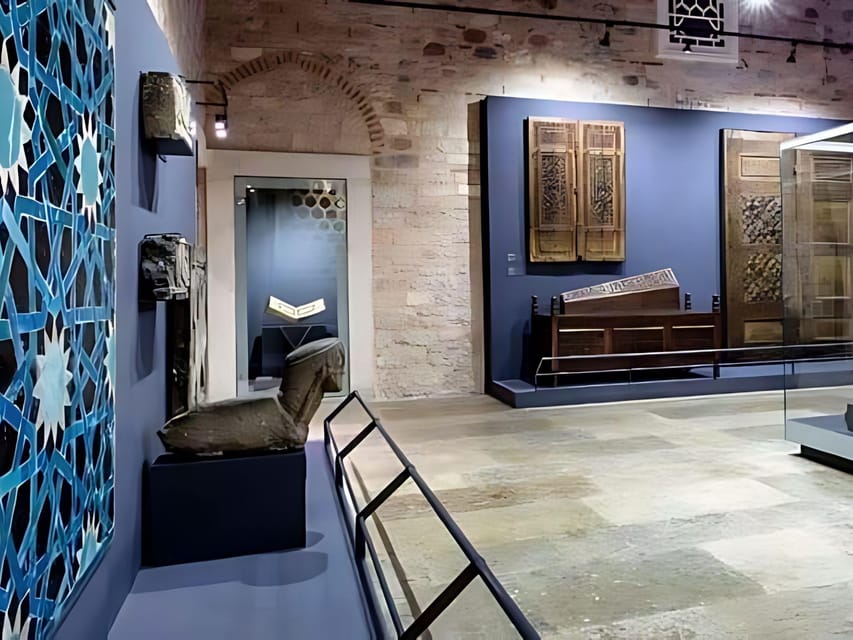
Carpets tell the story here. The Turkish and Islamic Arts Museum brings together beautiful rugs, manuscripts, ceramics, metalwork, and wooden pieces inside the historic Ibrahim Pasha Palace. I especially like the wide choice of objects and the museum’s central location beside the Blue Mosque.
I also like the audio guide in 25 languages, which gives you useful context without requiring a private guide. The main drawback is practical: the QR ticket and audio guide arrive by separate emails, and a same-day purchase can leave you trying to solve phone or internet problems at the entrance.
Key Points Before You Go
- 16th-century palace setting: The museum occupies Ibrahim Pasha Palace in Sultanahmet Square, beside the Blue Mosque.
- Carpets are the main visual draw: Seljuk designs and Ottoman examples show how much skill and patience went into Islamic textile work.
- Wide artistic range: You can move from calligraphy and manuscripts to ceramics, glass, metalwork, and carved wood.
- Religious objects carry special weight: The collection includes fragments of the Prophet Muhammad’s beard and a footprint.
- Audio guide in 25 languages: English, Turkish, Arabic, French, German, Spanish, Chinese, Japanese, and many other languages are available.
- Skip the ticket line, not security: You still need to pass the required security check, and an entrance line can form.
Why the Ibrahim Pasha Palace Matters
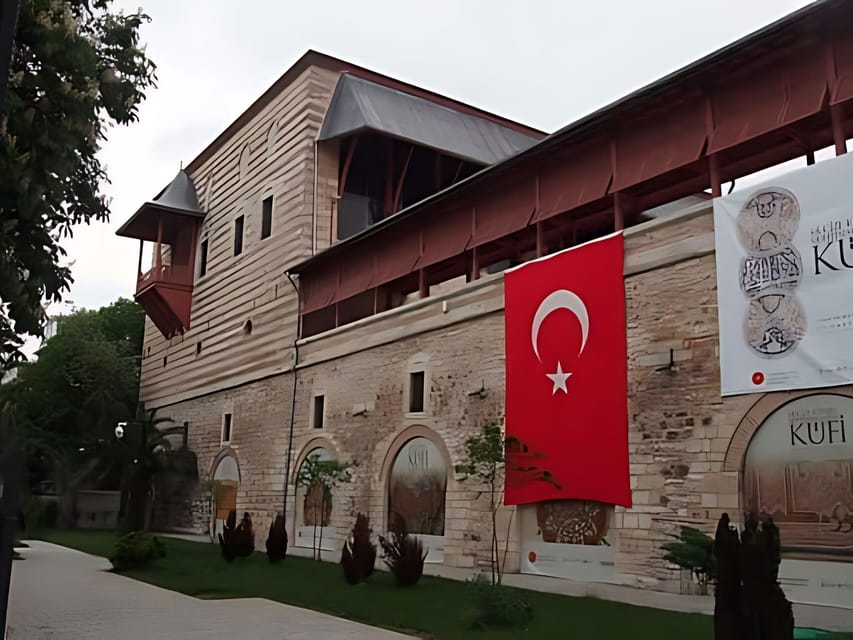
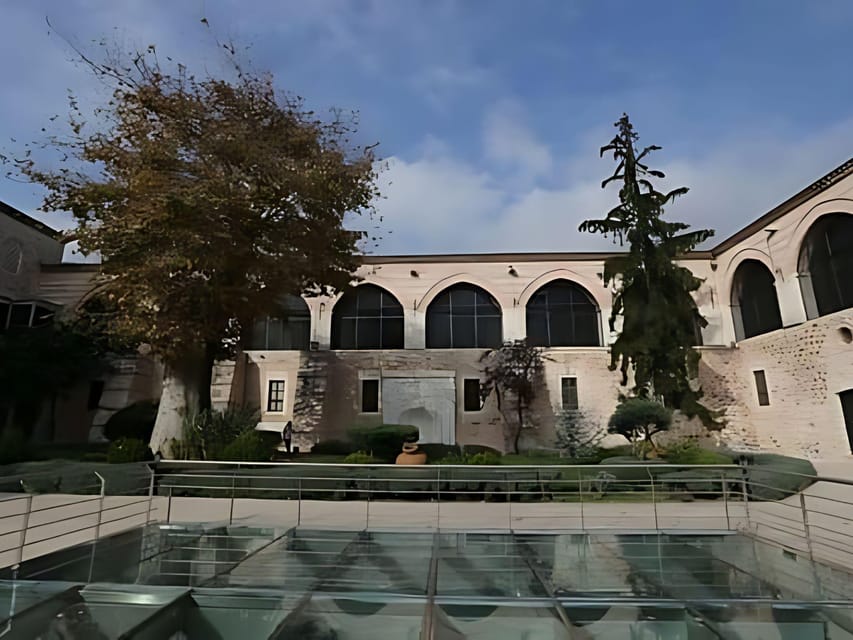
The museum’s setting gives the visit more character than a modern exhibition hall would. Ibrahim Pasha Palace is a famous 16th-century landmark in the center of Istanbul, and its location makes it easy to add to a day around Sultanahmet.
I like the way the building places the collection in the same historic district where much of Ottoman imperial life unfolded. You are not simply looking at objects in isolation. You are seeing them in a part of Istanbul already filled with mosques, courtyards, old streets, and major monuments.
The palace itself is not presented as a separate palace tour with a long architectural route. Its main value here is as the home of the museum collection. That distinction matters. If you want a detailed architectural tour, you may need another experience. If you want art in a historic building, this ticket is a good fit.
The museum sits in Sultanahmet Square, very close to the Blue Mosque. That makes it simple to combine with other central sights, though the square can be busy and the entrance may not feel quiet or secluded. I would allow extra time to find the correct doorway and pass through security.
More Museum Audio Tours in Istanbul
- Istanbul: Hagia Sophia History Museum Entry with Audio Guide
★ 4.1 · 102 reviews - Istanbul Archaeological Museums Entry Ticket & Audio Guide
★ 4.0 · 81 reviews - Chora Museum Skip-the-Ticket-Line Entry with Audio Guide
★ 3.6 · 9 reviews
Starting With the Carpet Collection
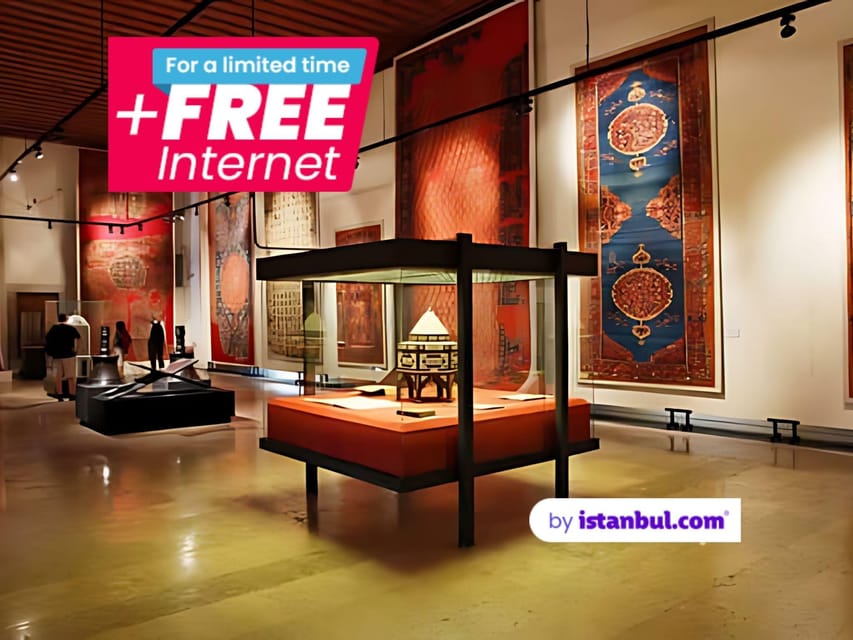
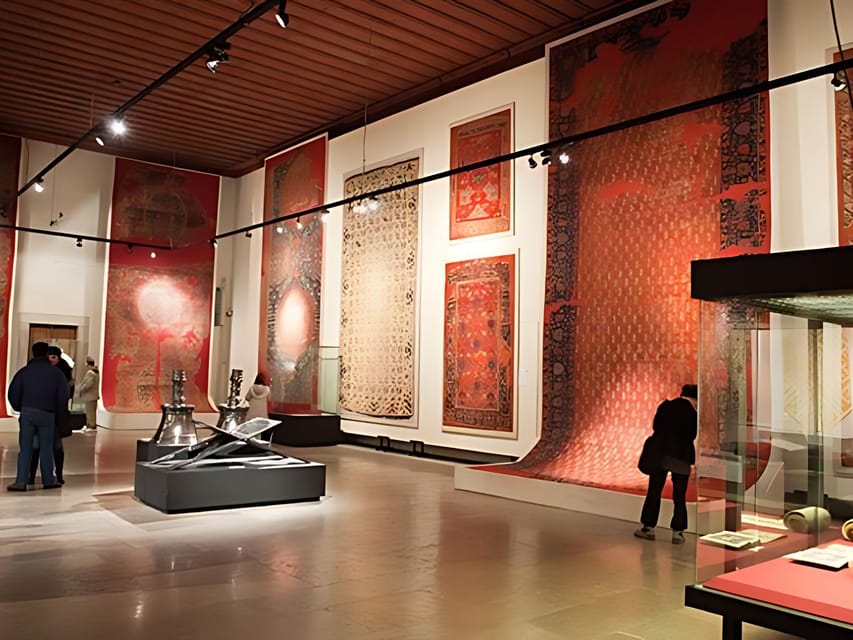
Begin with the carpets if you want the museum’s strongest visual introduction. The collection includes examples connected with Seljuk design as well as ornate Ottoman work, giving you a chance to compare different periods and styles.
These are not just floor coverings. Their patterns, colors, and construction reflect the skill of Islamic weavers and the importance of textiles in daily and ceremonial life. I find carpets especially useful for understanding how geometry, repeated shapes, and plant forms became a major part of Islamic art.
Look closely rather than rushing past the large pieces. From a distance, a carpet can seem like one broad field of pattern. Up close, the small details show how much labor went into each section. The audio guide can help you notice features you might otherwise miss, especially if you do not already know much about textile design.
The carpet rooms may be the most rewarding part for art lovers. They also make the museum appealing to people who are not usually keen on museums. Large textiles offer immediate visual impact, and you do not need specialist training to appreciate their color and detail.
One limitation is that the collection’s appeal depends on your taste. If carpets do not interest you, you may find the early part of the museum slower. In that case, use the carpet section as an introduction, then move toward calligraphy, religious objects, ceramics, and metalwork.
Manuscripts, Calligraphy, and the Power of the Written Word

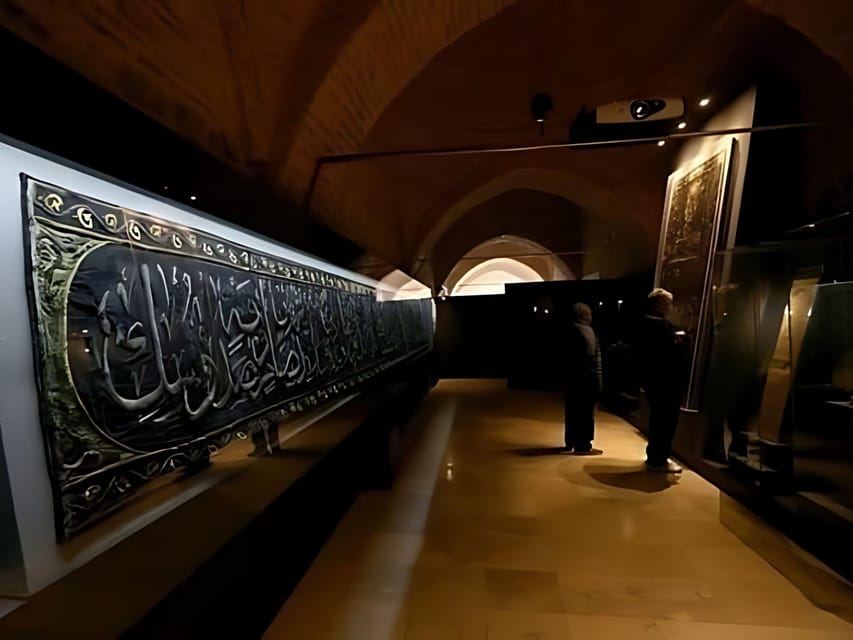
The museum also presents ancient manuscripts and examples of Islamic calligraphy. Here, the artwork is often in the writing itself, not just in a picture or decorative object.
Calligraphy has a special place in Islamic art because written language can carry religious meaning as well as visual beauty. Letter shapes, spacing, scale, and arrangement all matter. I would take time to view these pieces from a short distance first, then step closer to study the details.
The audio guide is useful in this section because context makes a difference. Without explanation, you may see elegant writing but miss why the form, material, or presentation is important. The guide lets you set your own pace, which is helpful if you want more information about manuscripts but less detail about another section.
You should not expect every label or object to become instantly clear through the audio guide. An audio tour is still a recorded companion, not a personal specialist who can answer follow-up questions. Since no live guide is included, the experience suits independent sightseeing more than visitors who want a conversation.
Ceramics, Glass, Metal, and Wooden Relics
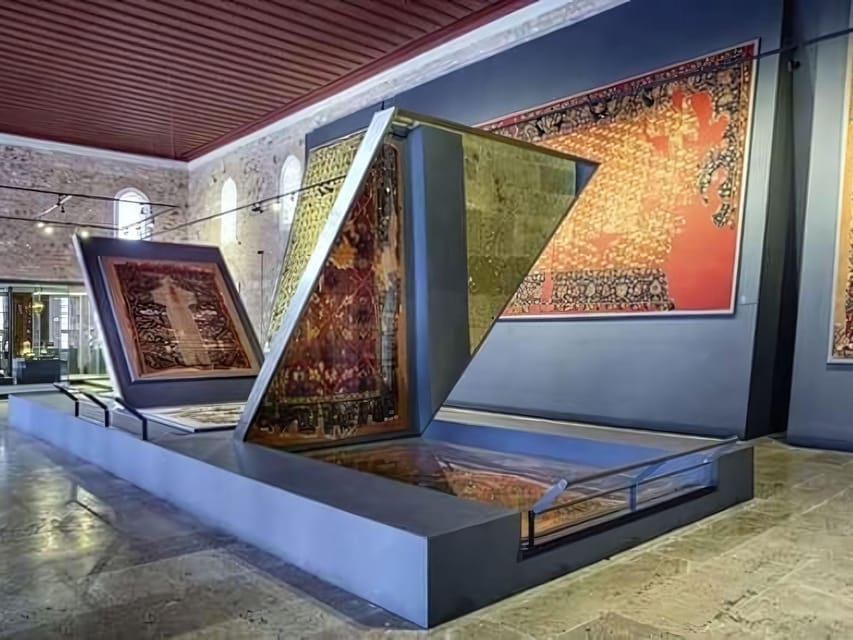
After the textiles and manuscripts, the museum’s range becomes more apparent. Displays include ceramics, glasswork, metalwork, and wooden relics. These sections show how Islamic artistic traditions appeared across many materials, not just paper and cloth.
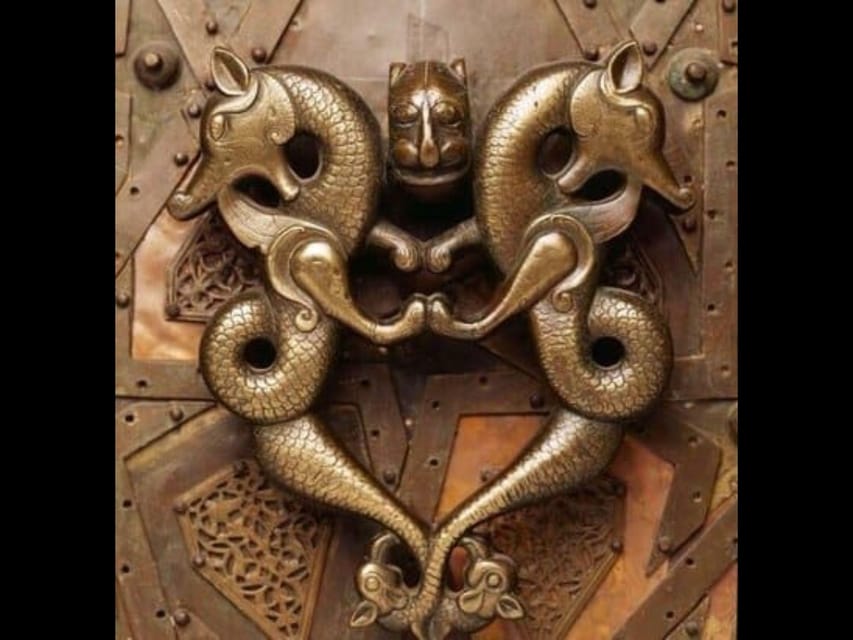
Ceramics can reveal how decoration worked on practical objects. Glass and metal pieces show the importance of surface finish, shape, and technical skill. Wooden objects add another texture to the visit, with carved details that contrast nicely with the smooth surfaces of ceramics and glass.
I like this variety because it prevents the museum from feeling like a single-subject collection. You can change focus every few rooms. One display may reward attention to pattern, while the next is more about craftsmanship, use, or religious meaning.
The exact pace depends on how closely you examine each object. You can make a quick visit by concentrating on the carpets and major highlights, or spend much longer listening to the audio guide and comparing materials. The ticket is valid for one day, so the experience is flexible rather than tied to a fixed tour schedule.
More Museum Audio Tours in Turkey
- Istanbul: Panorama 1453 History Museum Tickets +Audioguide
★ 4.3 · 8 reviews - Topkapi Palace Museum Skip The Ticket Line Tickets + Audio Guide
★ 3.0 · 2 reviews - Topkapi Palace and Harem Museum Ticket with Audio Guide
★ 3.0 · 2 reviews
Religious Relics and a More Serious Side of the Visit
The museum includes religious relics connected with the Prophet Muhammad, including fragments of his beard and a footprint. These objects have significant religious and historical value and draw attention from people who want to connect with Islamic heritage.
This section deserves a respectful and unhurried approach. The objects are not simply decorative works. Their importance comes from their religious associations and the meaning they hold for Muslims around the world.
I would not treat this area like a quick photo stop. The audio guide may help explain the context, but your own response will depend on your background and interests. Some visitors will find this section especially moving, while others may relate more strongly to the carpets, manuscripts, or craft displays.
The museum works well because it places religious objects beside examples of artistic practice. You can see how faith, writing, design, and craftsmanship developed together across different parts of the Islamic world.
Using the Audio Guide in 25 Languages
The audio guide is included with the ticket and is available in English, German, Russian, Persian, Arabic, French, Italian, Chinese, Dutch, Spanish, Hindi, Romanian, Ukrainian, Korean, Turkish, Bulgarian, Polish, Swedish, Japanese, Indonesian, Greek, Hungarian, Portuguese, Urdu, and Croatian.
That language range is one of the clearest reasons to choose this ticket. You do not need to depend on a group guide speaking your language, and you can listen only to the sections that interest you.
The guide link and the entry QR codes arrive in separate emails from Istanbul Tourist Pass. I recommend checking both messages before leaving your hotel or apartment. Save the information where you can reach it easily, and make sure your phone can open the guide.
This is especially important for iPhone users. A same-day purchase has caused problems when Apple security blocked the audio guide download. By the time the issue was solved, the person was at the museum without Wi-Fi and could not use the guide inside.
My practical advice is simple: buy ahead when possible, open the guide before you leave, and do not rely on getting a strong connection at the museum. The guide is a real benefit only if it is ready when you arrive.
Getting There From Sultanahmet and the Asian Side
The museum is in Sultanahmet Square in Istanbul’s Fatih district. The simplest public transport option is the Kabatas to Bagcilar tramway. Get off at Sultanahmet station, then walk about five minutes to the museum.
That short walk is useful if you are building a full day around the old city. The museum is close to the Blue Mosque, so you can plan your route around the square instead of making a special cross-town trip.
From the Asian side, ferries from Kadikoy or Uskudar take you to Eminonu. From there, connect with the tramway toward Sultanahmet. You will need to pay your own transportation fees, since transport is not included in the $28 ticket.
I like this arrangement because the museum is easy to reach by public transport and does not require a private transfer. The tradeoff is that Sultanahmet is a major sightseeing area, so the route can feel crowded and the tram may be busy.
What the Skip-the-Line Ticket Really Saves
The QR ticket is designed to help you skip the ticket line. That can be useful at a popular central museum, especially if you are fitting several sights into one day.
It does not let you skip security. Security checks are mandatory for everyone, and there may still be a line at the entrance. I would treat the ticket as a way to avoid the ticket-purchase queue, not as a promise of immediate entry.
You receive two separate QR codes and an audio guide link by email. Keep both ready. If the museum staff needs to scan the ticket, you will not want to search through a crowded inbox while standing at the entrance.
This setup is convenient for independent visitors, but it is less forgiving if your phone battery is low or your email access is poor. Carrying a portable charger is sensible, though the supplied information does not confirm charging facilities at the museum.
Is $28 Good Value?
At $28 per person, this is not the cheapest way to see one Istanbul museum. The value depends on how much use you make of the audio guide and how much you care about avoiding the ticket line.
I think the price is reasonable for three main reasons. You get entry to a major collection, access to a historic palace setting, and an audio guide in a very wide range of languages. The ability to explore independently also suits visitors who do not want to join a fixed group.
The price is less attractive if you only plan to spend a short time looking at the exhibits or if you already know the collection well. It also may not suit someone who wants a live guide, since a guided tour is not included.
I would compare the ticket with your overall Istanbul plans. If you are already spending a full day in Sultanahmet, the museum adds culture without requiring a separate transport journey. If your schedule is tight, focus on the carpets, calligraphy, and relics so you get the strongest parts of the visit.
Who Will Enjoy This Museum Most?
I would recommend this experience to several kinds of visitors:
- Art lovers who want to see carpets, manuscripts, ceramics, glass, metal, and wood in one museum.
- History-minded visitors who enjoy connecting objects with Ottoman and Islamic culture.
- Independent sightseers who prefer an audio guide and flexible timing.
- Families with older children who can listen to selected sections rather than follow a long live lecture.
- Visitors staying near Sultanahmet who want an easy addition to a day around the Blue Mosque.
- International visitors who need an audio guide in one of the 25 listed languages.
I would be more cautious if you want an interactive guided experience, hotel pickup, or a fully planned day. None of those are included. The museum ticket gives you access and information, but you decide how to use it.
Booking Advice and Final Verdict
I like this ticket for its strong combination of location, collection, and language support. The carpets provide an immediate visual draw, while the manuscripts, craft objects, and religious relics give the visit greater depth.
The main thing to manage is the digital setup. Get the QR codes and audio guide link in advance, test the guide before leaving, and do not assume that security lines disappear with a skip-the-line ticket.
Book it if you want an independent museum visit in the center of Istanbul and plan to spend enough time with the collection. Skip it if you want a live guide or if your schedule allows only a rushed stop. For most visitors interested in Islamic art, the $28 price is fair, especially when the palace location and multilingual audio guide are part of the plan.
FAQ
Where is the Turkish and Islamic Arts Museum?
The museum is in Sultanahmet Square, close to the Blue Mosque, in Istanbul’s Fatih district.
How do I reach the museum by public transport?
Take the Kabatas to Bagcilar tramway and get off at Sultanahmet station. From there, the museum is about a five-minute walk.
Can I reach the museum from Istanbul’s Asian side?
Yes. You can take a ferry from Kadikoy or Uskudar to Eminonu, then connect with the Kabatas to Bagcilar tramway toward Sultanahmet.
Is the audio guide included?
Yes. An audio guide is included and is available in 25 languages, including English, Turkish, Arabic, French, German, Spanish, Chinese, Japanese, and Croatian.
Can I skip the security line?
No. The QR ticket may help you skip the ticket line, but security checks are mandatory for all visitors and an entrance line may still form.
How do I receive the QR ticket and audio guide?
The entry QR codes and audio guide link are sent in separate emails from Istanbul Tourist Pass. Check both emails before arriving.
Is transportation included in the ticket price?
No. Transportation fees are not included. You are responsible for reaching the museum by tram, ferry, or another method.
Just added around Istanbul
- Topkapi Palace Museum Skip The Ticket Line Tickets + Audio Guide★ 3.0 · 2 reviews
- Topkapi Palace and Harem Museum Ticket with Audio Guide★ 3.0 · 2 reviews
- Istanbul: Bosphorus and Golden Horn Cruise with Audio Guide★ 4.5 · 83 reviews
- Istanbul Walking Tour with Audioguide on Your Smartphone★ 5.0 · 6 reviews
- Hagia Sophia Skip-the-Line Ticket with Audio Guide★ 5.0 · 4 reviews
- Istanbul Self-Guided Audio Tour★ 3.0 · 2 reviews
- Istanbul Bosphorus Sightseeing Cruise with Audio Guide★ 5.0 · 67 reviews
- Istanbul: Hagia Sophia Entry Ticket with Digital Audio Guide★ 4.5 · 7 reviews
Museums, compared.
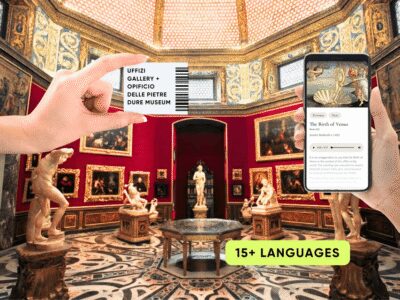
Uffizi Priority Ticket & Masterpieces Audio App
Read our review →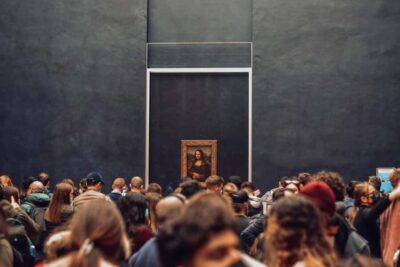
Louvre Museum Hosted Entry and Mona Lisa Audioguide
Read our review →
St. Mark Basilica Ticket, Audioguide+History Gallery
Read our review →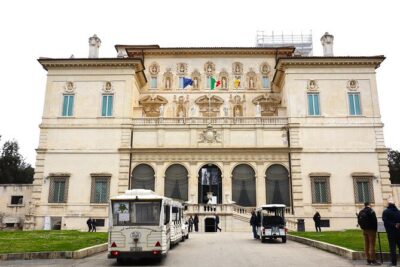
Borghese Gallery Skip-the-Line Ticket & Audioguide
Read our review →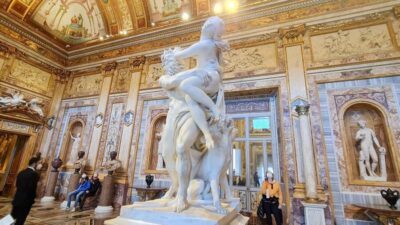
Borghese Gallery Ticket + Audioguide or Guided Tour
Read our review →
Orsay Museum Entry Ticket and Digital Audio Guide App
Read our review →
Uffizi Gallery Timed Entry Ticket & Audio Guide
Read our review →
Acropolis Museum Ticket with optional Audio Guide
Read our review →Browse the lists this tour appears in