

REVIEW · ISTANBUL AUDIO TOURS
Chora Museum Skip-the-Ticket-Line Entry with Audio Guide
Byzantine art rewards patient looking. This Chora Museum entry gives you a simple way to see some of Istanbul’s finest mosaics and frescoes at your own pace, with a QR ticket and audio guide in 25 languages. I especially like the freedom to move slowly through the artwork, and I like the museum’s layered story as a church, mosque, and museum.
The main catch is practical: skip-the-ticket-line does not mean skip security. You may still wait at the entrance, and there have been problems with QR codes and missing audio-guide links, so you should check both supplier emails before setting out.
Key Points Before You Book
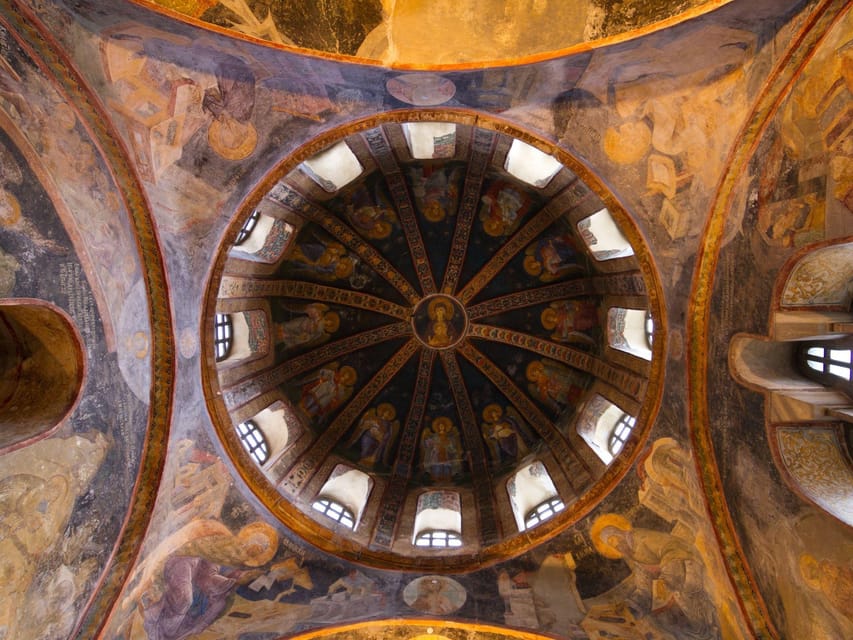
- Fourteenth-century masterpieces: The mosaics and frescoes come from the height of Late Byzantine art, with scenes from the Bible, saints’ lives, and decorative designs.
- Useful self-guided format: The audio guide works in 25 languages, including English, Turkish, Italian, Arabic, Chinese, Japanese, Korean, Greek, and Portuguese.
- No transport included: You make your own way to the museum in Edirnekapı, most commonly by the T4 tram or nearby buses.
- Friday closure: The Chora Museum is closed to visitors on Fridays, so check the day before you reserve.
- A ticket, not a tour: You get entry and audio commentary, but no live guide, group walk, or transportation.
- Worth checking before departure: Entry QR codes and the audio link arrive in separate emails, and both are needed for the intended experience.
Why Chora Museum Deserves Time
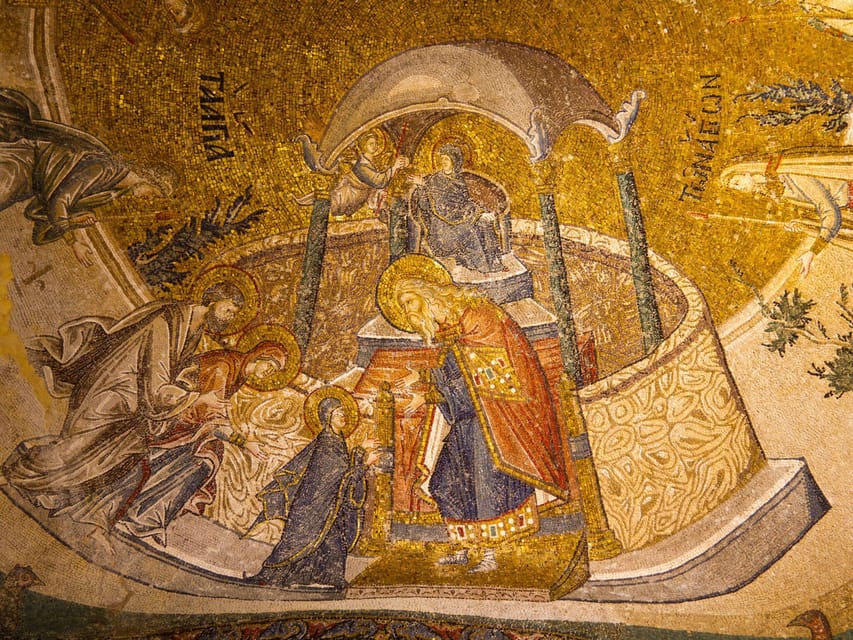
Chora Museum is not just a quick stop for a few attractive wall decorations. It is a place where art, faith, and political change meet inside one compact building.
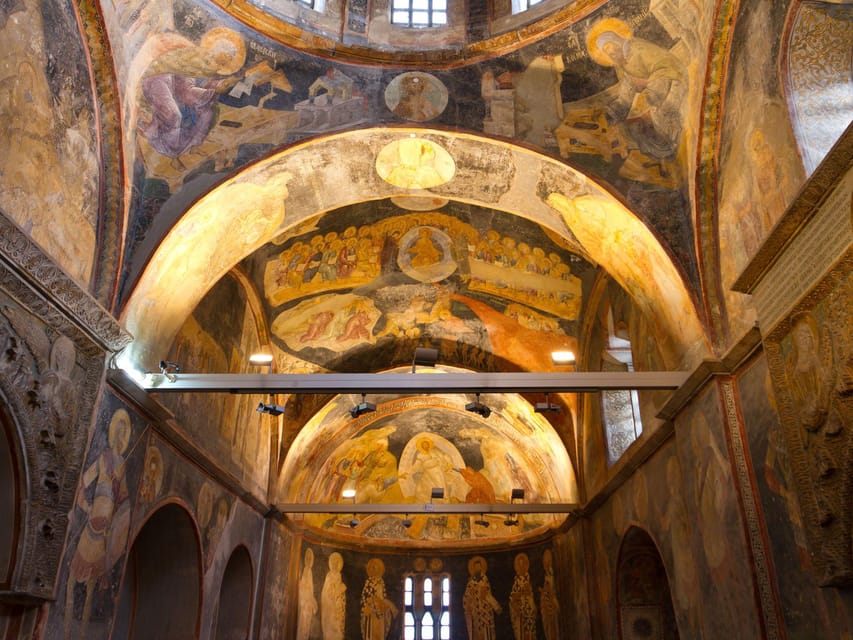
The site began in the fourth century as part of a monastery complex. Its best-known artwork came much later, during a major rebuilding in the fourteenth century. That period produced the mosaics and frescoes that make the building so important to students of Byzantine art.
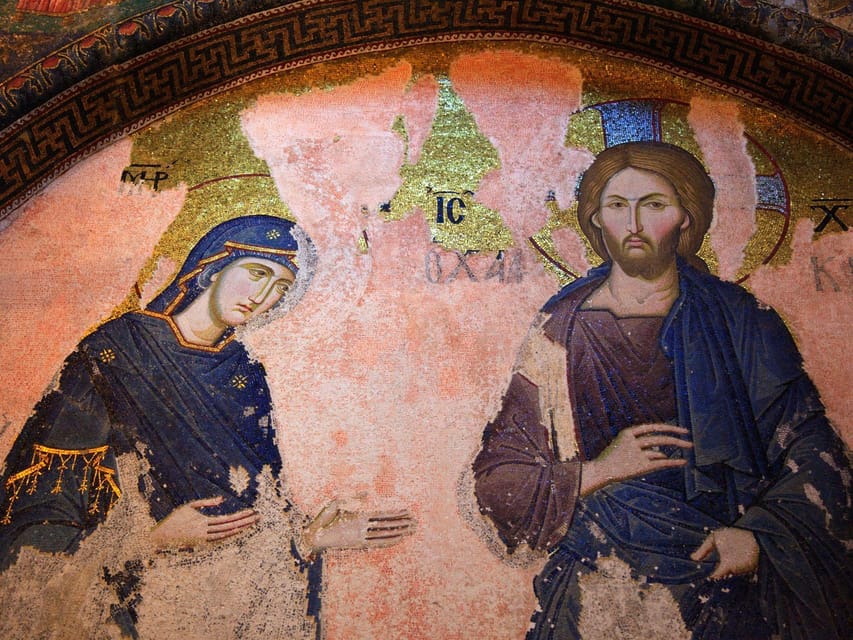
You will see scenes from the Bible, stories of saints, and carefully arranged ornamental details. The work is known for strong color, fine pattern, and remarkable detail. Even if religious art is not usually your main interest, the human faces, gestures, clothing, and crowded storytelling give you plenty to study.
I would allow more time than the basic ticket might suggest. The building is compact, but the artwork asks you to stop, look up, and compare one scene with another. A rushed visit can turn a major artistic achievement into a blur of gold and painted figures.
The audio guide helps give order to what you see. Without commentary, it can be difficult to understand why one panel matters or how the building changed over time. With the guide, you can connect the artwork to the building’s religious use and to Istanbul’s changing identity.
More Museum Audio Tours in Istanbul
- Istanbul: Hagia Sophia History Museum Entry with Audio Guide
★ 4.1 · 102 reviews - Istanbul Archaeological Museums Entry Ticket & Audio Guide
★ 4.0 · 81 reviews - Turkish and Islamic Arts Museum: Entry Ticket & Audio Guide
★ 4.2 · 19 reviews
From Monastery Church to Mosque and Museum
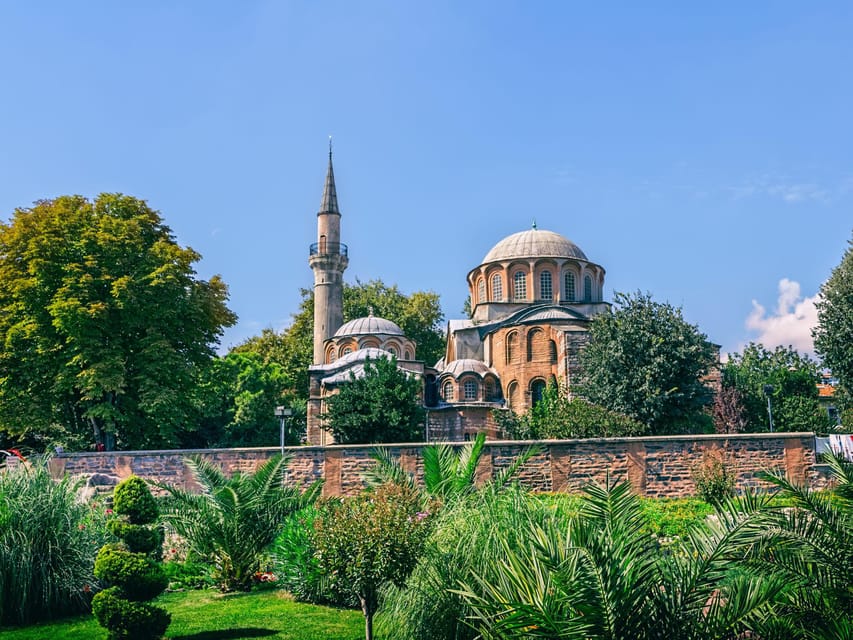
The building is also known as Kariye Mosque. That name reflects its Ottoman-era use, while Chora Church and Chora Museum point to its earlier Christian history and later museum function.
This changing identity is one of the most interesting parts of the visit. The building was first connected with Christian worship, later became a mosque during the Ottoman Empire, and eventually opened as a museum. Each phase left its mark.
Some Byzantine artwork was covered or altered during the building’s time as a mosque, in keeping with Islamic traditions. Much of the artwork remains, however, and the result is a place where Christian imagery and Islamic architectural history occupy the same site.
I appreciate that the experience does not reduce Istanbul’s past to one simple story. You are not looking at a church frozen in time. You are looking at a building that has been reused, adapted, and interpreted across centuries.
The audio guide is particularly useful here. It can explain the shift from church to mosque and then museum, helping you understand why some areas may look different from others. This context adds value to the $35 price because you are paying for more than a doorway into an old building.
Seeing the Mosaics and Frescoes

The mosaics and frescoes are the main reason to come. They cover walls and ceilings with religious scenes and decorative patterns, showing the skill of Byzantine artists at the height of the period’s artistic achievement.
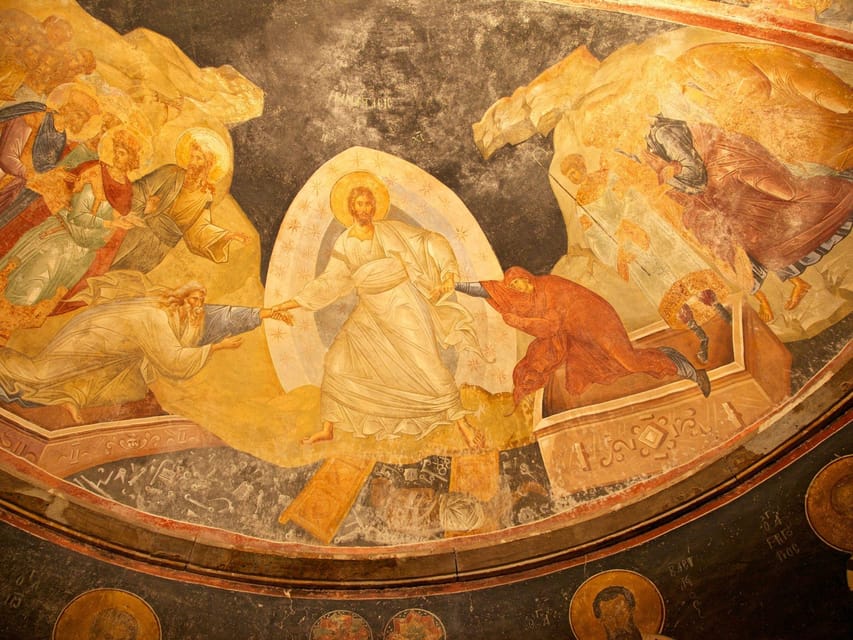
Look closely at the faces and clothing. Fine details help distinguish one figure from another, while the composition guides your eyes through each story. The artwork was created to communicate religious ideas, but it also reveals how much care went into design, color, and presentation.
The frescoes are especially important because they add another surface and technique to the visit. Mosaics catch the light in a different way, while painted scenes can feel softer and more direct. The contrast gives the interior variety.
I would not treat the museum as a place to pass through quickly for a photograph. You will get more from it if you choose a few scenes and listen to their explanations. The audio guide lets you pause and continue at your own speed, which is better suited to detailed artwork than a tightly timed group tour.
One helpful detail is the language range. The guide is offered in English, German, Russian, Persian, Arabic, French, Italian, Chinese, Dutch, Spanish, Hindi, Romanian, Ukrainian, Korean, Turkish, Bulgarian, Polish, Swedish, Japanese, Indonesian, Greek, Hungarian, Portuguese, Urdu, and Croatian.
That makes the visit accessible to many international visitors. One Italian booking experience confirmed that Italian audio commentary was available, despite conflicting wording in the description. If Italian is important to you, it is still sensible to confirm the language after receiving the link.
What the Skip-the-Line Ticket Really Means
The ticket’s biggest benefit is avoiding the regular ticket-purchase queue. That can save time and reduce one annoying step, especially if you are fitting the museum into a full day in Istanbul.
But you cannot skip the security check. Every visitor must pass through security, and there may be a line at the entrance. This distinction matters. Plan for a faster admission process, not instant entry.
You receive two QR entry codes and the audio-guide link by separate email from Istanbul Tourist Pass. Check your inbox carefully, including spam and promotional folders, before leaving your hotel or apartment.
There have been cases where supplied codes were not accepted at the entrance, forcing people to buy tickets locally. Another booking did not receive the audio link, although the QR codes were available. These problems may not happen to you, but they are serious enough to justify a simple precaution: keep the emails open on your phone and allow extra time in case staff need to check the booking.
If you are meeting a group or have a fixed appointment afterward, this is especially important. A delayed entry could turn a relaxed museum visit into a rushed one.
More Museum Audio Tours in Turkey
- Istanbul: Panorama 1453 History Museum Tickets +Audioguide
★ 4.3 · 8 reviews - Topkapi Palace Museum Skip The Ticket Line Tickets + Audio Guide
★ 3.0 · 2 reviews - Topkapi Palace and Harem Museum Ticket with Audio Guide
★ 3.0 · 2 reviews
Getting to Edirnekapı
The Chora Museum is in the Edirnekapı district of Istanbul, an area filled with older buildings and reminders of the city’s past. It is not located beside the most famous central sights, so reaching it takes some planning.
The most direct public transport option listed is the T4 tram line. Get off at Edirnekapı station, then walk a short distance to the museum entrance. Bus routes 31E, 37E, 38E, and 36KE also stop nearby.
If you are starting on Istanbul’s Asian side, take a ferry from Kadıköy or Üsküdar to Eminönü. From there, connect with the T4 tram or a suitable bus route.
Transportation is not included in the $35 price. That is fair for a self-guided entry product, but you should calculate the full cost of your outing, including public transport and the time needed to cross the city.
I like the location because it takes you beyond the standard circuit of Hagia Sophia and the Blue Mosque. The trade-off is that you cannot simply walk over from Sultanahmet. Give yourself room for the journey, the security line, and a careful visit inside.
Is $35 Good Value?
At $35 per person, this is not the cheapest possible way to enter a historic building. Its value depends on what you want from the visit.
I think the price is reasonable if you care about the mosaics and want an explanation in your own language. The audio guide adds structure, and the ticket removes the need to purchase admission at the site. The ability to explore independently is also useful if you dislike being hurried along by a guide.
The price is less appealing if you expect a live expert, hotel pickup, or a full Istanbul sightseeing tour. None of those are included. This is a museum admission product with audio commentary, not a guided excursion.
The option to reserve now and pay later makes the booking easier to fit into changing plans. You can also cancel up to 24 hours in advance for a full refund. Those policies add flexibility, but they do not remove the need to check the museum’s Friday closure and your ticket emails.
For art lovers, history-focused visitors, and anyone who values time at their own pace, the cost can make sense. If you only have a few hours in Istanbul and are already paying for several major attractions, you may want to compare the total transport and admission cost with your full sightseeing budget.
The Best Way to Plan Your Visit
Start by choosing a day other than Friday. The museum is closed to visitors on Fridays, so this is the first detail to check.
After booking, look for two separate messages from Istanbul Tourist Pass. One should contain the entry QR codes, and another should contain the audio-guide link. Do not assume one email contains everything.
Before leaving, save the QR codes to your phone. A reliable internet connection at the entrance is not guaranteed by the information provided, so having the codes ready is simply good practice.
Allow time for security. The ticket may help you bypass the ticket queue, but it does not bypass this mandatory check.
Inside, use the audio guide selectively. You do not need to listen to every entry in one go. Start with the building’s timeline, then choose the mosaics and frescoes that catch your attention. Pause often, look up, and give yourself time to notice the smaller details.
If you are visiting with family or friends who have different interests, the self-guided format works well. One person can listen while another studies the artwork. There is no fixed group pace.
Who Will Enjoy This Experience Most?
This entry suits you if Byzantine art is a priority, or if you want a quieter, more focused cultural stop away from Istanbul’s biggest headline sights.
It is also a good fit if you prefer independent sightseeing. You can arrive, enter with the QR code, choose your language, and set your own pace without joining a group.
The experience may be less suitable if you need door-to-door transport or want a live guide to answer questions. It also requires a little more planning than a standard central attraction because of the Edirnekapı location and the separate ticket emails.
Families can use the flexible format to keep the visit short or extend it according to interest. Art students and architecture enthusiasts may want extra time because the building’s changing religious use adds another layer to the artwork.
The museum is also a good choice for repeat visitors to Istanbul. If you have already seen the city’s largest imperial sights, Chora offers a different focus, with close attention to Late Byzantine design and storytelling.
Should You Book Chora Museum Entry?
Book it if you want exceptional Byzantine mosaics, an audio guide in your language, and the freedom to explore without a live group. The church’s conversion into a mosque and later museum gives the visit unusual depth, while the artwork remains the clear star.
I would not book it casually without checking the day, route, and ticket emails. Avoid Friday, confirm both QR codes and the audio link, and allow time for security. If you need transportation or a guide, this product will not cover those needs.
For the right visitor, the $35 cost buys access to an important artistic site and a useful explanation of what you are seeing. It is a focused cultural visit, not a complete Istanbul tour, and that is exactly why it works.
FAQ
Where is the Chora Museum located?
The museum is in Istanbul’s Edirnekapı district, within a historic area of the city.
How can I reach the Chora Museum by public transport?
The T4 tram line stops at Edirnekapı, followed by a short walk to the museum. Buses 31E, 37E, 38E, and 36KE also stop nearby.
Is transportation included in the ticket?
No. Transportation fees are not included.
Does the ticket skip the security line?
No. The ticket can help you skip the ticket-purchase line, but security checks are mandatory for all visitors. A queue may still form at the entrance.
Is the Chora Museum open on Fridays?
No. The Chora Museum is closed to visitors on Fridays.
How long is the ticket valid?
The activity is valid for one day. You should check availability for the available starting times.
Is a live guide included?
No. The package includes an audio guide, not a live guided tour.
Which languages are available for the audio guide?
The audio guide is available in 25 languages: English, German, Russian, Persian, Arabic, French, Italian, Chinese, Dutch, Spanish, Hindi, Romanian, Ukrainian, Korean, Turkish, Bulgarian, Polish, Swedish, Japanese, Indonesian, Greek, Hungarian, Portuguese, Urdu, and Croatian.
How do I receive the entry ticket and audio guide?
The two entry QR codes and the audio-guide link are sent in separate emails by Istanbul Tourist Pass.
Can I cancel the booking?
Yes. You can cancel up to 24 hours in advance for a full refund.
Just added around Istanbul
- Topkapi Palace Museum Skip The Ticket Line Tickets + Audio Guide★ 3.0 · 2 reviews
- Topkapi Palace and Harem Museum Ticket with Audio Guide★ 3.0 · 2 reviews
- Istanbul: Bosphorus and Golden Horn Cruise with Audio Guide★ 4.5 · 83 reviews
- Istanbul Walking Tour with Audioguide on Your Smartphone★ 5.0 · 6 reviews
- Hagia Sophia Skip-the-Line Ticket with Audio Guide★ 5.0 · 4 reviews
- Istanbul Self-Guided Audio Tour★ 3.0 · 2 reviews
- Istanbul Bosphorus Sightseeing Cruise with Audio Guide★ 5.0 · 67 reviews
- Istanbul: Hagia Sophia Entry Ticket with Digital Audio Guide★ 4.5 · 7 reviews
Museums, compared.
Uffizi Priority Ticket & Masterpieces Audio App
Read our review →
Louvre Museum Hosted Entry and Mona Lisa Audioguide
Read our review →
St. Mark Basilica Ticket, Audioguide+History Gallery
Read our review →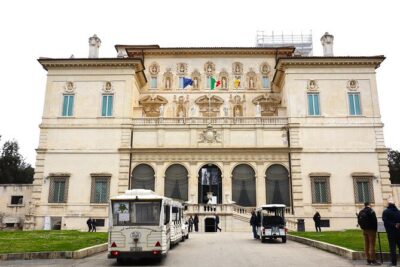
Borghese Gallery Skip-the-Line Ticket & Audioguide
Read our review →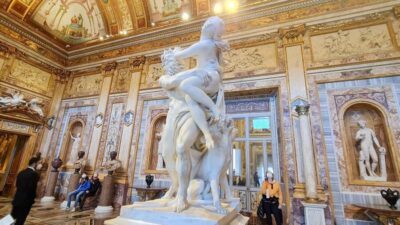
Borghese Gallery Ticket + Audioguide or Guided Tour
Read our review →
Orsay Museum Entry Ticket and Digital Audio Guide App
Read our review →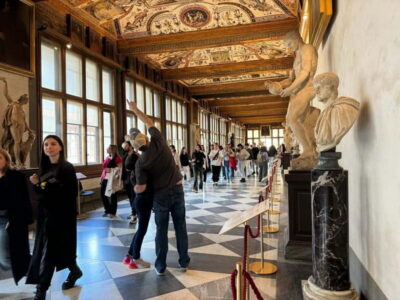
Uffizi Gallery Timed Entry Ticket & Audio Guide
Read our review →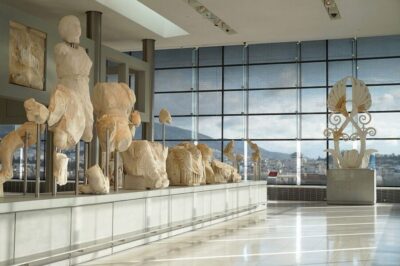
Acropolis Museum Ticket with optional Audio Guide
Read our review →Browse the lists this tour appears in