
REVIEW · ERCOLANO AUDIO TOURS
Ercolano: Herculaneum Entry Ticket with Optional Audio Guide
Ancient life feels close here. Herculaneum gives you a striking look at Roman daily life, with roofs, doors, beds, shops, baths, frescoes, and food surviving after Mount Vesuvius erupted in 79 AD. I like the site’s compact size and the way you can step directly into houses and workplaces instead of viewing everything from a distance.
I also like the freedom of an untimed one-day visit. You can spend about three hours seeing the main streets, or stay longer with a book, map, or audio guide. The main drawback is the optional app: it can be hard to navigate, may need downloading before arrival, and some people found the ticket redemption process slower than expected.
Key points to know before you go
- The buildings are unusually complete: Roofs, doors, beds, frescoes, mosaics, and household objects make the town feel more immediate than many ancient sites.
- Herculaneum is smaller than Pompeii: You can see the core area in roughly three hours without the same sense of fatigue.
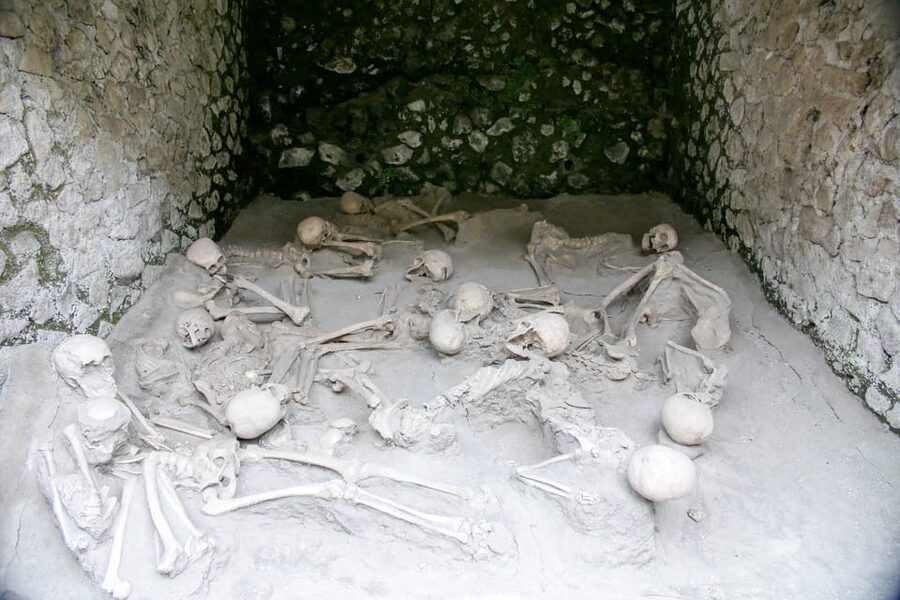
- The 300 skeletons are deeply moving: Their remains near the ancient port add a human dimension to the eruption.
- Audio guidance is useful but uneven: The app offers helpful background, yet its route and location system can be confusing.
- Summer heat matters: Bring comfortable shoes and an umbrella for shade, and download the audio content before reaching the site.
- Compare ticket prices: The advertised price is $21 per person, but buying directly may be cheaper than adding a booking fee or audio option.
Why Herculaneum feels different from Pompeii

Pompeii is larger and more famous. Herculaneum is easier to take in.
That difference matters. At Pompeii, you can spend hours walking between major buildings and still feel that you have seen only part of the town. Herculaneum is more compact, so you can slow down. You have time to look at a wall painting, study a doorway, or imagine how a shop worked without racing toward the next sight.
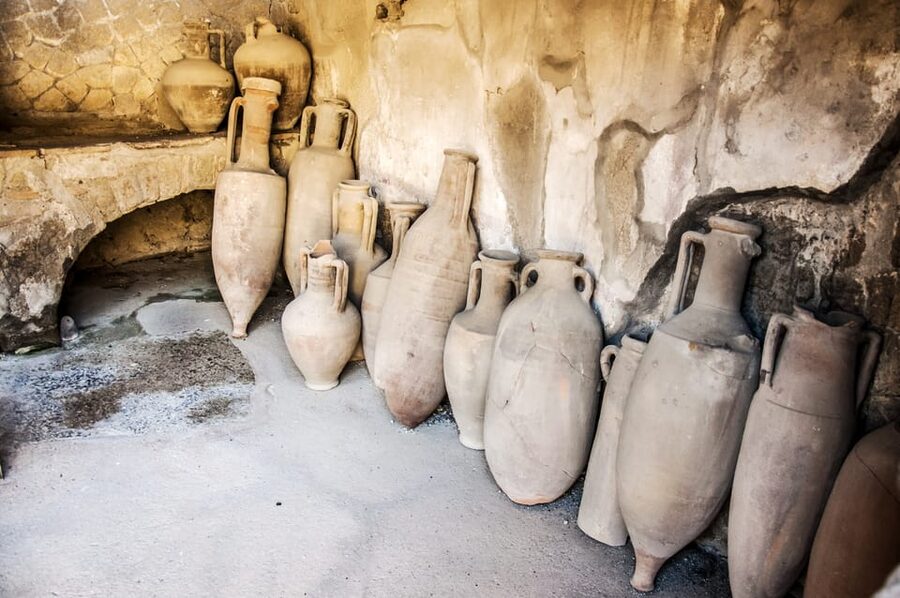
The preservation is the main attraction. Pompeii was covered largely by ash and pumice, while Herculaneum was buried under volcanic material that helped preserve much of the town’s upper structure. Here, you might see wooden elements, intact doorways, roofs, beds, and household objects that make ancient life easier to picture.
That does not make Herculaneum better for everyone. If you want a vast archaeological area with a long list of famous monuments, Pompeii offers more scale. If you prefer a manageable site where ordinary homes and public buildings tell the story, I find Herculaneum more rewarding.
A few more audio tours around Italy worth a look
- Rome: Pantheon Fast-Track Ticket and Official Audioguide
★ 4.5 · 27,353 reviews - Rome: Colosseum & Forum with Audio Guide App -Optional Arena
★ 4.2 · 24,770 reviews - Florence: Timed Entry to Michelangelo’s David + Audio App
★ 4.6 · 19,496 reviews
Redeeming your ticket at the archaeological entrance
Your mobile voucher is exchanged at the online ticket desk on site. The process is not always as quick as a simple scan and walk-through. Allow a little patience, especially if staff need to process the voucher or confirm the audio option.
The redemption point can be easy to miss because it is at the same general entrance area where everyone arrives. Look for the online ticket desk rather than assuming a QR code will take you directly through the gate.
One useful detail: a map can make the entrance and site layout easier to understand. The route inside is not always obvious, and a few people found it difficult to identify the correct buildings or audio stops. If you receive a map, keep it handy. If you do not, take a moment at the entrance to get your bearings before walking downhill into the ruins.
Walking the ancient streets

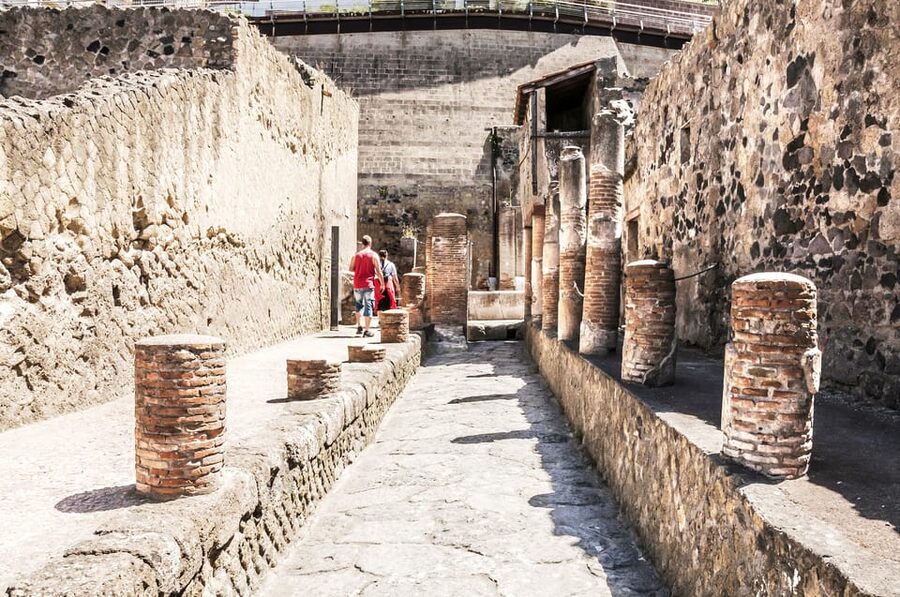
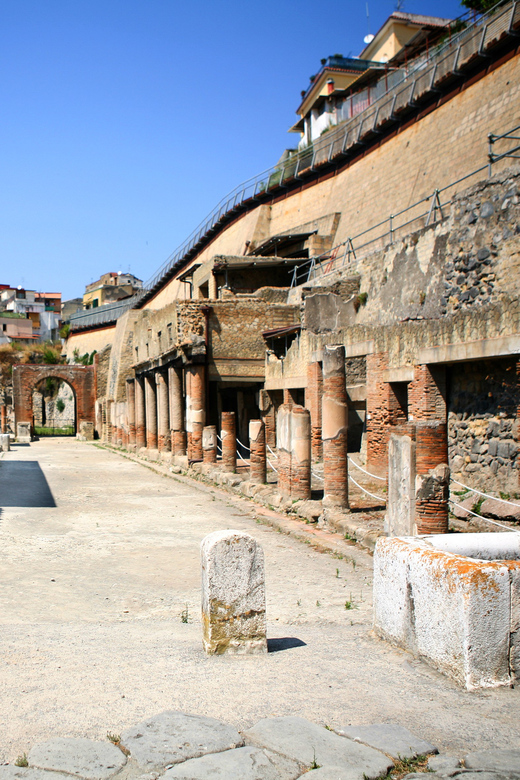
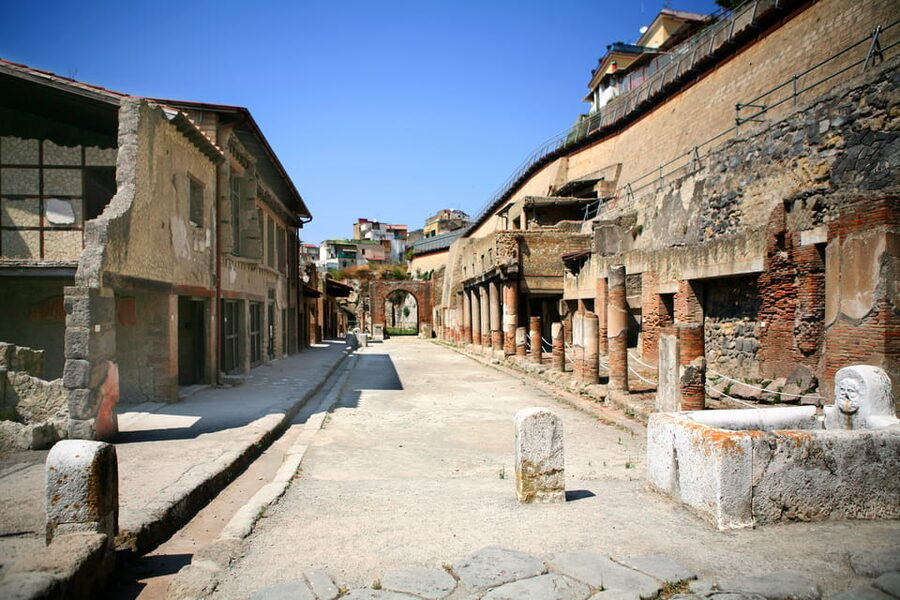
Once inside, you walk along original cobbled streets through a Roman town that was buried almost 2,000 years ago. The compact layout lets you move from private houses to shops and public buildings without long stretches between sights.
This is where Herculaneum rewards slow looking. Do not simply follow the street and tick off buildings. Pause at thresholds, wall surfaces, fountains, painted decorations, and the remains of everyday objects. Small details often say more about daily life than the grander public structures.
The streets also help you read the town as a real neighborhood. You can see where people lived, worked, washed, exercised, and gathered. The surviving buildings are not just isolated ruins. Together, they show how homes and public services fit into one Roman community.
The cobbles can be uneven, so wear comfortable shoes. The site also has exposed sections with little shade. In summer, an umbrella can help, though some of the buildings and covered streets offer relief from the sun.
Inside the houses, shops, and public buildings
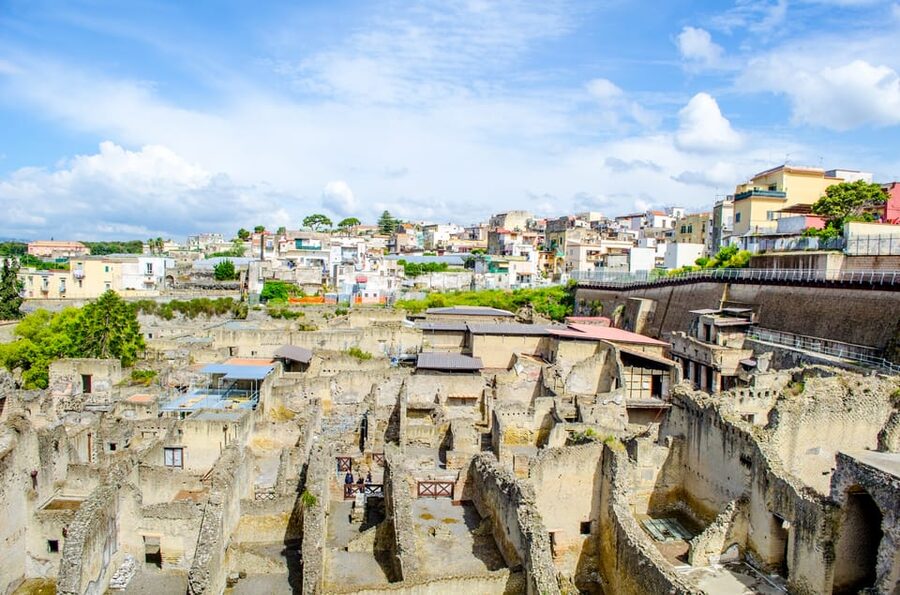
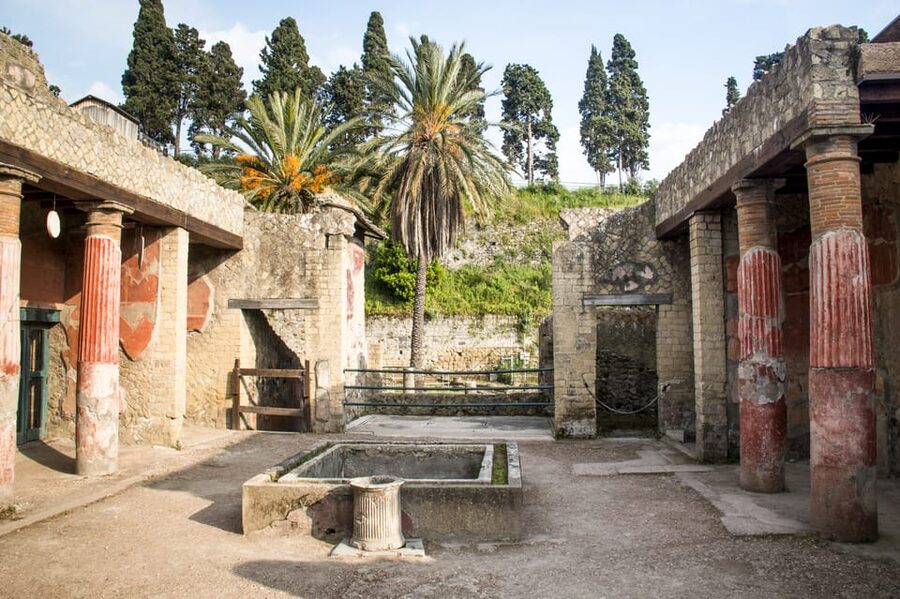
The private homes are among the strongest reasons to choose Herculaneum. You can enter buildings where people once lived and worked, rather than seeing only foundations. Doors, beds, wall decoration, and room layouts give you clues about how the houses were used.
The preserved frescoes and mosaics deserve time. Their color and pattern can be easy to overlook when you are focused on reaching the next stop, so slow down and look closely at the surfaces around you. The appeal is not just visual. The decorations reveal taste, status, habits, and the desire to make domestic spaces pleasant.
The shops offer a different view. They help you picture the practical side of the town, where goods were sold and work took place close to residential streets. The site also includes a public gymnasium and public swimming baths, showing that Roman life was not limited to private homes.
I particularly like this mix of spaces. You are not seeing one palace or one impressive monument. You are moving through a cross-section of community life. That makes the visit useful for families, students, and anyone who wants more than a quick look at Roman columns.
Same place, a different route to walk:
- Rome: City Sightseeing Hop-on Hop-off Bus with Audioguide
★ 4.0 · 16,045 reviews - Pompeii: Entry Ticket with Audio Guide
★ 4.1 · 13,491 reviews - Venice: La Fenice Opera House Entry Ticket with Audio Guide
★ 4.6 · 11,742 reviews - Rome: Colosseum, Forum, Palatine Hill Entry & Audioguide App
★ 4.4 · 10,957 reviews
The boatsheds and the 300 skeletons
The most haunting section is near the ancient port, where about 300 skeletons were found. These remains belong to people who did not escape the eruption.
This part of the site changes the mood. The houses and frescoes can feel almost inviting, but the skeletons force you to remember the disaster’s human cost. Take your time here, but approach with respect. It is not simply another archaeological display.
The contrast is powerful. In one part of town, you see food, furniture, painted rooms, and household routines. Near the shore, you confront the people whose lives ended during the eruption. Herculaneum works best when you allow both sides of the story to remain present.
Public baths and the daily Roman routine
The public baths are another highlight because they show how ordinary routines shaped Roman society. You can see the spaces used for washing and social life, alongside other public facilities such as the gymnasium.
The baths are worth more than a quick photograph. Look at the surviving decoration and room arrangement, then consider how many people would have used these facilities as part of a normal day. These buildings make the town feel organized and lived in.
The site gives you enough information to recognize the main functions, but additional signs would help. Several areas have limited written explanation, so the audio guide or a printed guidebook can add useful context. If you enjoy understanding how buildings worked, plan to spend extra time in the baths rather than rushing onward.
Choosing the digital or physical audio guide
There are two audio options. You can use a digital audio guide app on your own smartphone, or choose a physical audio guide device.
The digital guide is offered in English, French, Italian, and Spanish in the supplied information. The general activity details also list German among the optional audio languages, so check the language shown during booking. The app includes background about the town, its people, social structure, and individual buildings.
That human focus is a real strength. A good explanation can help you picture who used a room and why it mattered, instead of giving you only dates and architectural labels.
The weak point is navigation. The app may not clearly tell you which stop matches the building in front of you. Some people found the structure confusing and stopped using it after a few minutes. Mobile coverage at Herculaneum can also be limited.
Download the app and its content before you arrive. Bring headphones, since the audio is designed for personal listening and the site can be difficult for phone data. If you prefer not to manage an app while walking, the physical device may be the easier choice, provided you select that option in advance.
A live guide would offer more natural explanations and allow questions, but this ticket does not include a guided tour. If you are a serious Roman history enthusiast, a private or group guide may give you more context than the app.
How long to allow for Herculaneum
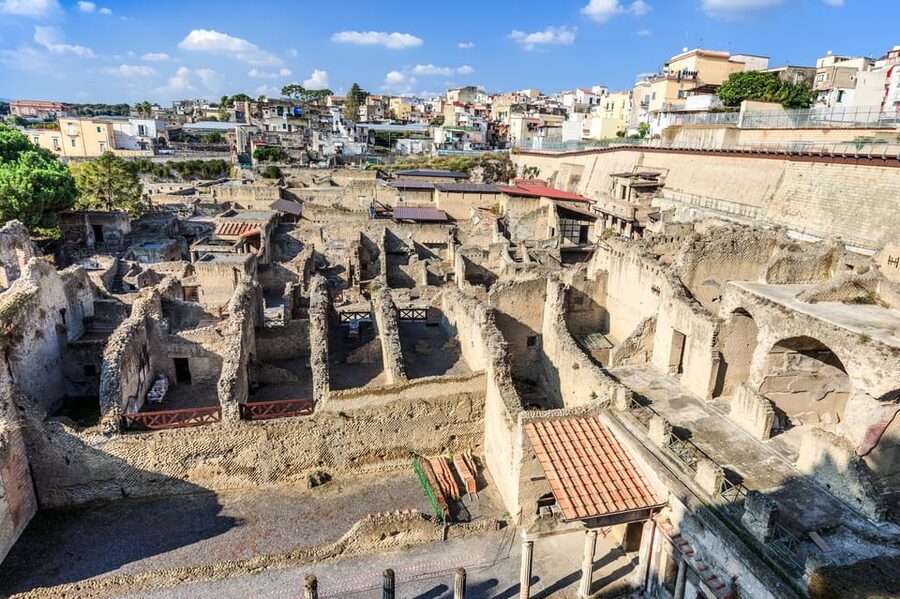
Three hours is a sensible target for a first visit. That gives you time to walk the main streets, enter several houses, see the public buildings, and spend a quiet moment near the ancient port.
You can stay longer if you enjoy details. The ticket is valid for one day, so you are not forced into a short time slot. That flexibility is helpful if you want to read a guidebook, sketch, photograph architectural details, or revisit a building that caught your attention.
The site may take less time than Pompeii because it is smaller. That is not a weakness. It means you can finish without feeling that you have hurried past half the town.
Opening hours change by season:
- From March 16 to October 14, the site is open from 9:30 AM to 7:30 PM. Last admission is at 6:00 PM, and you must leave the archaeological area by 7:00 PM.
- From October 15 to March 15, it is open from 8:30 AM to 5:00 PM. Last admission is at 3:30 PM, and the area must be cleared by 4:40 PM.
Check the date carefully before you set out. A late arrival can leave too little time for the houses and baths.
Heat, shade, food, and practical comfort
Summer can be hot. The streets and open sections offer limited shade, though some buildings and covered areas provide relief. An umbrella is a useful item for sun protection, and comfortable shoes are essential on the cobbled paths.
A café is available only in a basic form, so do not plan on a full meal inside the archaeological area. It is sensible to arrive prepared with water and a snack, though the supplied information does not specify food and drink rules. Keep your visit focused on the ruins rather than expecting a polished visitor complex.
Winter and the shoulder seasons can be pleasant because the site may feel quieter. February, in particular, can offer a calmer visit and more time to study the buildings. Summer has longer opening hours but stronger heat.
Is the $21 ticket good value?
At $21 per person, the ticket is reasonable if you want independent access to one of Campania’s most important ancient sites. You receive entry for one day, and the optional audio guide can add useful context without committing you to a scheduled tour.
The value depends on how you buy it. One experience involved paying considerably more than the direct ticket price after adding audio, with the audio option not being provided. Another person found that prebooking still meant joining the same admission line. These problems are not guaranteed, but they are worth considering.
Compare the final price with the official site before paying. If the difference is small, advance booking may be worth it for flexibility and a mobile voucher. If the markup is large, a direct ticket may be the better buy.
The free cancellation period and reserve-now-pay-later option add flexibility. You can cancel up to 24 hours before the visit for a full refund, and you can reserve without paying immediately. Read the exact ticket option carefully so you know if you are buying the app, a physical device, or entry only.
Who should choose this experience?
I would choose this visit if you want ancient history that feels personal and manageable. It suits people who enjoy architecture, domestic details, archaeology, and the quiet act of looking closely.
It is also a good choice after Pompeii. The two sites show different sides of the eruption, and Herculaneum’s smaller scale can feel like a welcome change after Pompeii’s long walks.
Families may appreciate the shorter route, though the moving skeleton display requires thoughtful preparation with children. The site is also a good fit for independent explorers who do not want to follow a group schedule.
I would be more cautious if you need clear explanations at every building or dislike using your phone while sightseeing. In that case, choose the physical audio device if available, bring a printed guide, or arrange a proper guided tour separately.
Should you book the Herculaneum entry ticket?
Yes, if your priority is access and freedom. Herculaneum gives you remarkably preserved homes, shops, baths, frescoes, and household objects in a site you can reasonably see in about three hours.
Book it if you are willing to prepare the audio app before arrival, check the final price, and allow extra time for ticket redemption. Choose the physical audio guide or a separate live guide if app navigation sounds irritating.
I would not pay a large premium for an audio option that you may not receive or use. But at a fair price, this is a strong independent visit and one of the best ways to understand everyday Roman life around Naples.
FAQ
Where is Herculaneum located?
Herculaneum is in Campania, Italy.
How much does the entry ticket cost?
The stated price is $21 per person.
How long is the ticket valid?
The ticket is valid for one day.
Does the ticket include a guided tour?
No. A guided tour is not included.
Is an audio guide available?
Yes. You can select a digital audio guide app or a physical audio guide device, depending on the option chosen.
Which languages are available for the audio guide?
The digital app is listed in English, French, Italian, and Spanish. The general activity information also lists German among the optional audio languages, so check the available language when booking.
What are the opening hours from March 16 to October 14?
The archaeological site is open from 9:30 AM to 7:30 PM. Last admission is at 6:00 PM, and the area must be left by 7:00 PM.
Can I cancel the booking?
Yes. You can cancel up to 24 hours in advance for a full refund.
Just added around Italy
- Torino Walking Tour with Audio and Written Guide by a Local★ 4.5 · 35 reviews
- Medieval Canals and Fountains: A Treviso Self-Guided Audio Tour★ 4.5 · 4 reviews
- Trapani Walking Tour with Audio and Written Guide by a Local★ 4.0 · 8 reviews
- Trento Walking Tour with Audio and Written Guide★ 4.5 · 11 reviews
- Sicily: Selinunte Park Entry Ticket & Sicily Digital Audio Guide★ 4.5 · 4 reviews
- Taormina Walking Tour with Audio and Written Guide by a Local★ 4.5 · 41 reviews
- Taranto Walking Tour with Audio and Written Guide by a Local★ 5.0 · 5 reviews
- Siracusa Walking Tour with Audio and Written Guide by a Local★ 5.0 · 59 reviews
Ercolano Audio Tours, compared.

Herculaneum: Skip The Line Entrance ticket + Audioguide
Read our review →
Vesuvio Skip The Line Ticket With Digital Audioguide
Read our review →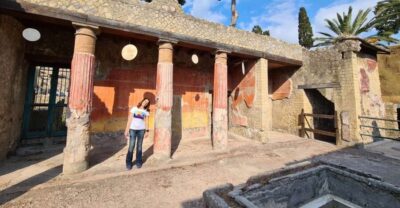

From Naples_ Vesuvius transfer+ticket and digital audioguide
Read our review →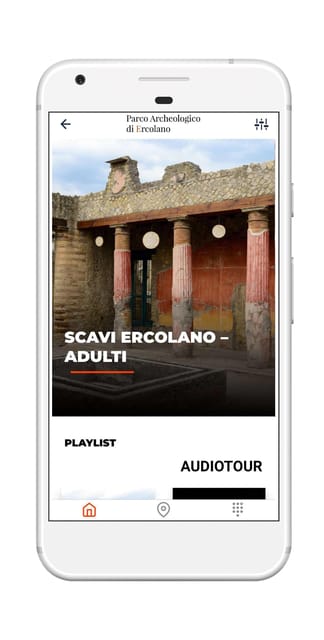
Herculaneum: Skip-The-Line Entrance Tickets + Audioguide
Read our review →Browse the lists this tour appears in