
REVIEW · MILAN AUDIO TOURS
Milan: Museum of the 900 Fast-Track Entry Ticket & Audio Guide
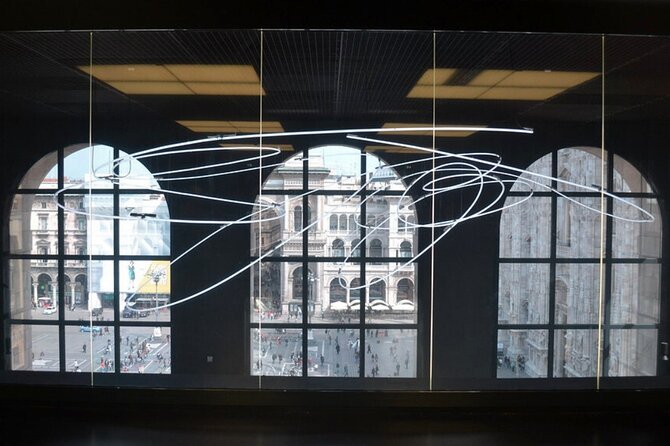
Modern art gets a grand home here. At Milan’s Museo del Novecento, you can enter with a fast-track ticket, explore more than 400 works, and use a smartphone audio guide to make sense of the collection. I like the central Piazza del Duomo location and the freedom to set your own pace. I also like the included digital museum map, which should help you move through a large building without missing the main rooms.
The main trade-off is simple: this is not a guided tour. You supply the phone and headphones, then follow the audio points on your own. If you want a person to explain the art, answer questions, and keep the group moving, this ticket will feel a little bare-bones.
Key Points Before You Book
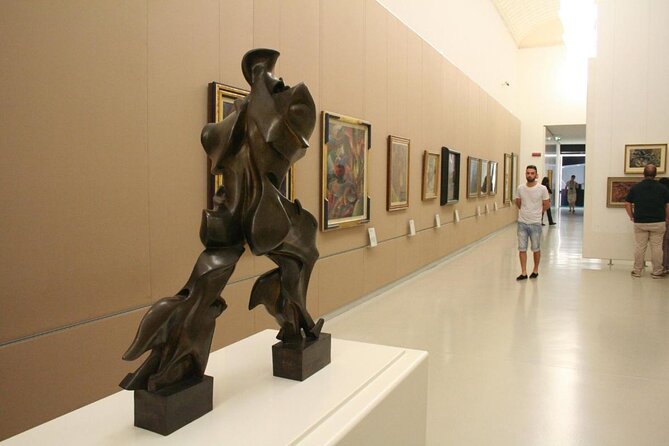
- More than 400 works trace Italian and international modern art from 1902 onward.
- Over 40 audio stops provide commentary through your own smartphone.
- Fast-track entry lets you go directly to the museum at Piazza del Duomo, 8.
- Major artists include Picasso, Klee, Kandinsky, and Pellizza da Volpedo.
- Thursday hours run until 10:30 p.m., giving you more room for a late museum visit.
- The $15.62 price is reasonable if you value a self-guided visit and a little help with orientation.
Why Museo del Novecento Is Worth Your Time
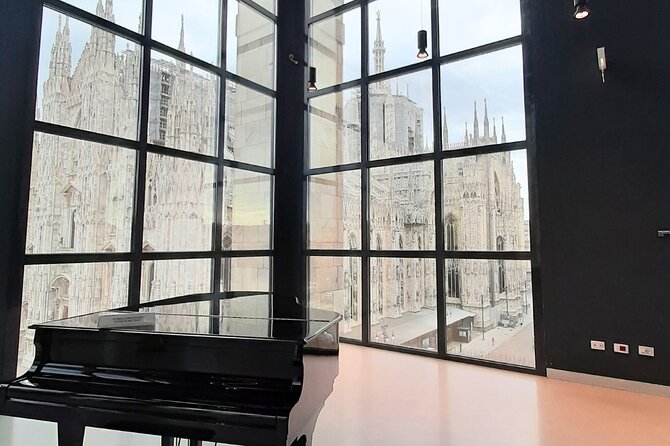
Milan is famous for fashion, design, opera, and the cathedral. Modern art may not be the first thing you associate with the city, yet this museum makes a strong case for giving it a few hours. The collection covers major movements including futurism and arte povera, while also bringing in internationally known figures such as Pablo Picasso, Paul Klee, and Wassily Kandinsky.
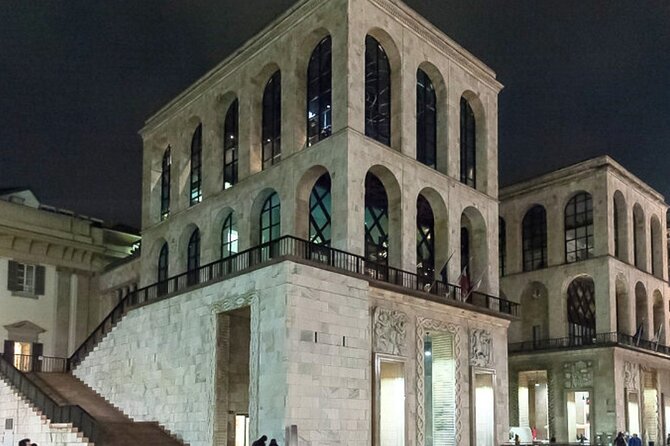
The setting adds real weight to the visit. You are not entering a plain gallery tucked away in an outlying district. The museum sits at Piazza del Duomo, 8, right in Milan’s historic center. That makes it easy to pair with a walk around the cathedral square, though you should not confuse a convenient location with a quick visit. The collection contains more than 400 works, so even a focused visit needs time.
I would allow about two hours, which matches the stated duration. You can go faster if you only want the headline works, but that approach may leave the museum feeling like a checklist. The audio guide gives you a reason to pause and offers a little structure as you move from one period to the next.
The museum’s overall rating is 3.9 out of 5 from 12 ratings. That is a respectable but not flawless result. The strongest praise centers on the building and the extraordinary modern art collection. That matches the main appeal here: you are paying for access to a serious collection in a memorable setting, not for entertainment or a tightly managed tour.
More Museum Audio Tours in Italy
- Milan: Museum of the 900 Entry Ticket with Audio Guide
★ 4.4 · 72 reviews - Milan: Natural History Museum Entry Ticket & Audio Guide
★ 4.2 · 25 reviews - Florence: Uffizi Priority Ticket & Masterpieces Audio App
★ 4.2 · 6,402 reviews
Starting in 1902 With Pellizza da Volpedo
Your art journey begins in 1902 with paintings by Giuseppe Pellizza da Volpedo. This is a useful starting point because the museum does not simply throw unrelated modern works at you. It gives the collection a chronological direction, allowing you to watch artistic ideas change over time.
You may find the early section more approachable than the later rooms. Paintings from the beginning of the 20th century can provide a visual bridge between familiar European art and the more radical movements that follow. The audio guide should help explain why certain works matter, especially if modern art is not your usual museum territory.
The exact interpretation depends on how closely you follow the audio points. Since the guide is digital, you can choose which sections deserve your attention. That is a better arrangement than being tied to a fixed group schedule, especially if one painting catches your eye and you want to linger.
The drawback is that self-guided audio requires attention from you. You need to keep your phone ready, select the right point, and manage your listening while looking at the work. Some people enjoy that control. Others find it less natural than walking beside a live guide.
Following Futurism and Other Modern Movements
Futurism is one of the key movements represented in the collection. Its presence matters in Milan, a city closely linked with speed, machinery, new technology, and 20th-century change. You can use this section to think about how artists responded to a world that seemed to be accelerating around them.
The museum also covers arte povera, a movement known for challenging traditional ideas about what could count as art. The collection’s inclusion of this movement gives you more than a parade of famous names. It shows how modern art repeatedly questioned materials, presentation, and the role of the museum itself.
This variety is one reason the audio guide is useful. A large collection can become tiring when every room presents a different style with little explanation. The more than 40 audio points give you selected context without requiring a full live tour.
Still, you should keep your expectations realistic. The guide is available through your smartphone and is not the same as having a specialist beside you. You cannot ask it to compare two works, explain a detail it skipped, or adjust its commentary to your interests. If you already know modern art well, you may want to use the audio points selectively rather than listen to every one.
Picasso, Klee, Kandinsky, and the International Collection
The appearance of Pablo Picasso, Paul Klee, and Wassily Kandinsky gives the visit a wider reach. You are not looking only at one national story. The museum places Italian movements alongside major international artists, which helps show how ideas crossed borders during the modern period.
These names also give you useful anchors. Even if you do not recognize every artist in the building, you can orient yourself around works by artists you may have encountered in other museums. From there, the audio guide can introduce you to less familiar names and movements.
I appreciate this kind of collection for a city visit because it gives you variety without requiring a separate trip outside Milan’s center. You can see the Duomo, stop for lunch, and spend two hours with modern art without arranging special transportation.
The large collection may feel uneven if your personal taste runs toward one style. Not every room will appeal equally. That is normal in a museum with more than 400 works, and the digital map helps you make choices instead of treating every room as an obligation.
More Museum Audio Tours in Milan:
- Paris: Louvre Museum Hosted Entry and Mona Lisa Audioguide
★ 4.6 · 5,235 reviews - Venice: St. Mark Basilica Ticket, Audioguide+History Gallery
★ 3.9 · 4,780 reviews - Rome: Borghese Gallery Skip-the-Line Ticket & Audioguide
★ 4.3 · 4,318 reviews - Rome: Borghese Gallery Ticket + Audioguide or Guided Tour
★ 4.6 · 3,219 reviews
Ending With Nunzio Di Stefano and Later Works
The visit concludes with thought-provoking paintings by Nunzio Di Stefano and other artists. This ending keeps the museum from feeling like a story that stops with the best-known early modern masters. It carries the collection toward later questions and more recent artistic thinking.
You might find the final rooms less immediately familiar than the Picasso or Kandinsky sections. That can be a positive feature if you want the museum to make you think rather than simply confirm what you already know. It can also be the point where tired visitors begin to hurry.
This is where the two-hour plan matters. If you spend too long at the opening works and famous names, you may reach the final rooms with little energy left. I would use the map at the start and decide whether you want a broad visit or a selective one. For a first visit, a broad route makes sense. If you have already seen modern collections elsewhere, you can focus on the movements and artists that interest you most.
What the Fast-Track Ticket Really Gives You
The fast-track entry is the practical core of the purchase. You can go directly to Museo del Novecento at Piazza del Duomo, 8, rather than arranging a separate ticket pickup across town. At the museum, you show your e-ticket on your mobile device to the staff.
That process is simple, but you should plan for the digital nature of the ticket. The e-tickets are sent through WhatsApp within 24 hours before your visit, and the sender is Vox City. Do not assume you will receive the ticket weeks ahead when you book. Keep an eye on WhatsApp before your chosen date and make sure your phone can display the message.
You also need your own mobile device and headphones. Neither is included. A smartphone with a charged battery matters because it handles both the audio guide and the ticket. Headphones will make the commentary easier to hear, especially if the galleries are active.
The ticket does not include transportation. That is not a serious problem because the museum is in the Duomo area and is near public transportation, but you should still plan your route separately. The meeting point is not a hotel, station, or tour office. You go directly to the museum.
Is $15.62 a Good Deal?
At $15.62 per person, this is fairly priced for a central Milan museum visit that includes admission, fast-track access, a multilingual audio guide, a digital map, and a complimentary digital audio guide for Milan.
The value depends on how much you use the extras. If you only want to walk through the building quickly, the standard admission element may be enough, and the added audio features will not matter much. If you enjoy learning as you look, the 40-plus audio points add useful structure.
The city audio guide is a nice bonus, though its practical value depends on your schedule. You receive access to it as part of the package, but the main attraction remains the museum. I would treat the Milan guide as an extra rather than the reason to book.
For comparison in your own planning, ask what you would pay for a museum entrance plus a separate guided explanation. This option costs less than many live tours, but it also gives you no guide, no group commentary, and no personal interaction. You are paying for independence and convenience.
Choosing the Best Time to Visit
The museum is open Tuesday through Sunday from 10 a.m. to 7:30 p.m. On Thursday, it stays open until 10:30 p.m. Monday is closed.
Thursday is the most useful day for flexibility. A late visit can work well after other sightseeing, especially if you prefer to spend daylight hours outdoors. The longer hours also give you more room to avoid rushing through the collection.
For any day, remember that a two-hour visit fits comfortably inside the opening schedule, but a late arrival leaves less margin. If you want to hear many of the audio points and examine the works carefully, do not arrive just before closing.
The city center location makes the museum easy to add to an existing day. You can plan it around the Duomo rather than setting aside a full day for a distant museum district. That convenience is one of the strongest reasons to choose this experience.
Who Will Enjoy This Museum Visit Most?
I would recommend it to independent art lovers, first-time Milan visitors, and anyone who wants a focused cultural stop without committing to a group tour. It also suits people who like choosing their own pace. You can listen to every audio point, skip sections, or pause whenever a painting deserves more time.
It works for most people, according to the practical participation information provided. The museum is near public transportation, and you make your own way to the entrance.
Families and mixed-interest groups may appreciate the flexibility. One person can spend longer with a favorite work while another moves ahead, though everyone needs to manage their own phone and audio. The lack of a live guide may be less ideal if your group wants a shared conversation throughout the visit.
I would be more cautious if modern art frustrates you without explanation. The audio guide helps, but this remains a collection that asks for patience. The map and selected commentary can keep the visit manageable, yet they cannot replace a personal art lesson.
Booking, Cancellation, and Practical Planning
You receive confirmation when you book, but the actual e-tickets arrive through WhatsApp within 24 hours before the travel date. Save them on your phone and arrive ready to show them to museum staff.
Free cancellation is available if you cancel at least 24 hours before the experience start time. Cancellations or changes made within that final 24-hour period are not accepted for a refund, and the cut-off follows Milan’s local time.
You do not need to arrange transportation through the experience. Go directly to Museo del Novecento, Piazza del Duomo, 8, 20123 Milano. Since headphones and the mobile device are not supplied, bring both if you plan to use the audio guide.
Should You Book This Milan Museum Ticket?
Book it if you want a convenient, self-guided look at Milan’s modern art, especially if the central location and late Thursday hours fit your plans. The combination of fast-track entry, a digital map, and more than 40 audio points gives you enough support to explore a large collection without joining a group.
Skip it if you want a live art historian, hotel pickup, or a fully managed tour. The $15.62 price is good for independent visitors, but the experience depends on your own phone, headphones, and willingness to guide yourself.
For most visitors, I would allow two hours and choose this museum as a thoughtful break from Milan’s busier sights. The building, the collection, and the location make it one of the more useful art stops in the city center.
FAQ
Where is Museo del Novecento located?
The museum is at Piazza del Duomo, 8, 20123 Milano, Italy. You should go directly to this address for entry.
How do I enter the museum?
Show your e-ticket on your mobile device to the staff at the museum. The e-tickets are sent through WhatsApp within 24 hours before your travel date by Vox City.
Is a live guide included?
No. The experience includes a digital audio guide, but it does not include a guided tour.
Are headphones and a mobile device provided?
No. You need to bring your own mobile device and headphones to use the audio guide.
What are the museum’s opening hours?
Museo del Novecento is open Tuesday through Sunday from 10 a.m. to 7:30 p.m. It stays open until 10:30 p.m. on Thursday and is closed on Monday.
Can I cancel for a refund?
Yes. You can receive a full refund if you cancel at least 24 hours before the experience start time. Cancellations and changes made less than 24 hours before the start time are not accepted.
Just added around Milan
- Milan Walking Tour with Audioguide on Your Smartphone★ 5.0 · 6 reviews
- Self Guided Tours In Milan With 100 Captivating Audio Stories★ 5.0 · 2 reviews
- Milano Walking Tour with Audio and Written Guide by a Local★ 4.5 · 13 reviews
- Mysteries of Milan: Uncover the city’s lesser-known tales on this audio tour★ 4.5 · 2 reviews
- Audio Guide for the Duomo – Milan Cathedral (no ticket)★ 4.0 · 5 reviews
- Milan: Sforza Castle Entry Ticket & Audio Guide★ 3.5 · 13 reviews
- Best of Milan audio tour: From the gorgeous Duomo to Castello Sforzesco★ 5.0 · 2 reviews
- Milan: Palazzo Citterio Entry Ticket & Audio Guide App★ 3.9 · 15 reviews
Museums, compared.
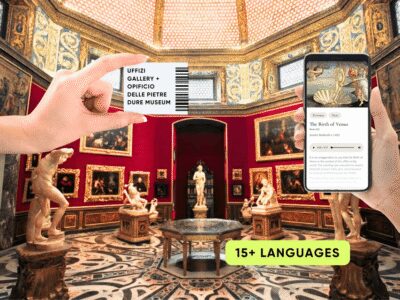
Uffizi Priority Ticket & Masterpieces Audio App
Read our review →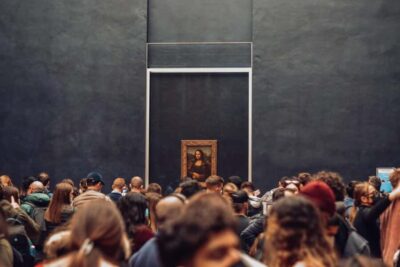
Louvre Museum Hosted Entry and Mona Lisa Audioguide
Read our review →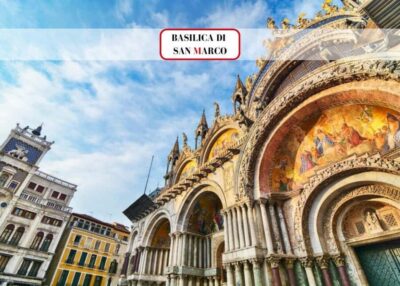
St. Mark Basilica Ticket, Audioguide+History Gallery
Read our review →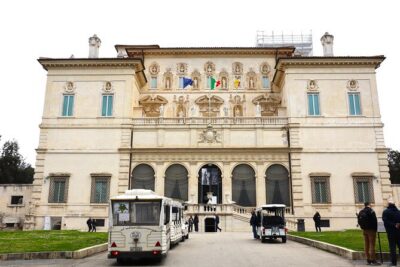
Borghese Gallery Skip-the-Line Ticket & Audioguide
Read our review →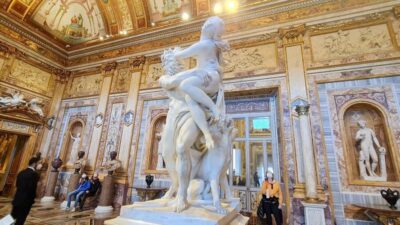
Borghese Gallery Ticket + Audioguide or Guided Tour
Read our review →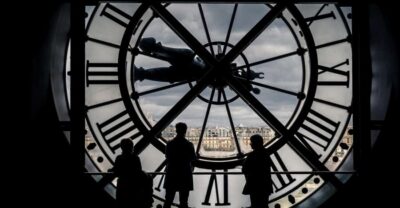
Orsay Museum Entry Ticket and Digital Audio Guide App
Read our review →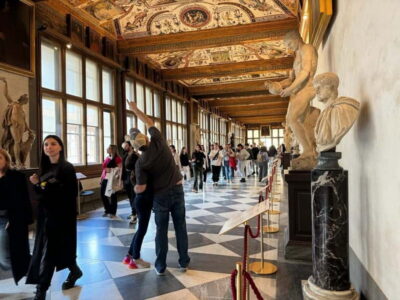
Uffizi Gallery Timed Entry Ticket & Audio Guide
Read our review →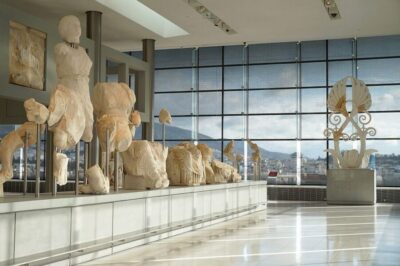
Acropolis Museum Ticket with optional Audio Guide
Read our review →Browse the lists this tour appears in