REVIEW · ITALY AUDIO TOURS
Alghero: Anghelu Ruju Necropolis with Audio Guides
Ancient tombs hide in plain sight. Anghelu Ruju gives you a close look at Sardinia’s domus de janas, prehistoric underground chambers cut into stone and shaped to resemble homes for the dead. For just $10, I like the chance to explore one of the island’s largest prehistoric cemeteries, and I like that the audio guide comes in five languages.
The visit is short, about 45 minutes, so it fits neatly into a day around Alghero. The main drawback is that this is a self-guided stop, not a guided tour, and the numbering system may be hard to follow. Bring headphones, use the map carefully, and do not expect staff to lead you from tomb to tomb.
The site is open from 10 a.m. to 2 p.m. from November through March, and from 10 a.m. to 6 p.m. from April through October. I would allow extra time to find the entrance, since one visitor had difficulty reaching the site and found little explanation on arrival. Once inside, the archaeological setting is quiet, unusual, and worth the modest admission price.
Key points before you go
- Prehistoric domus de janas: Explore rock-cut tombs dating from the Neolithic and Copper Age, some simple and some surprisingly elaborate.
- Bull-head symbols: Look for carved ritual forms linked to ancient beliefs about death, nature, and protection.
- Audio guide rather than live guide: You receive access to tracks in Italian, English, French, German, or Spanish, but no personal guide accompanies you.
- Short independent visit: The route takes about 45 minutes and follows a numbered map with audio stops.
- Bring your own headphones: The audio tracks are downloaded to your phone through a QR code and password.
- Good value at $10: The low price makes this a practical add-on for anyone interested in Sardinian archaeology, though navigation is not completely foolproof.
Why Anghelu Ruju matters in Sardinia
Anghelu Ruju is more than a collection of old burial chambers. It gives you a direct look at how prehistoric Sardinian communities understood the boundary between life and death.
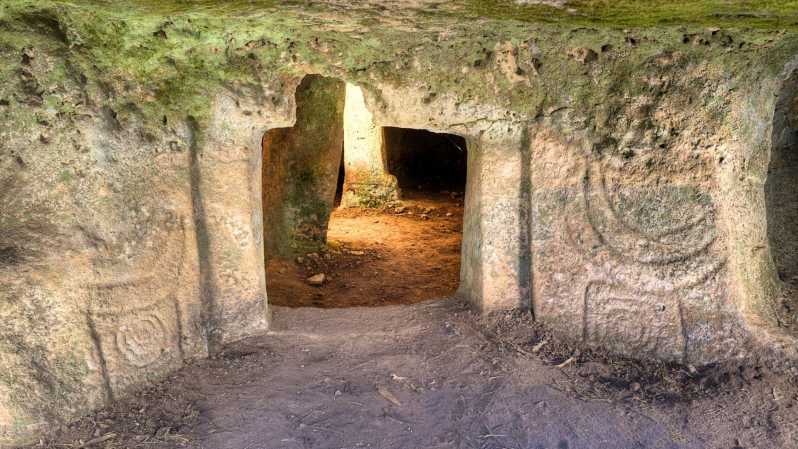
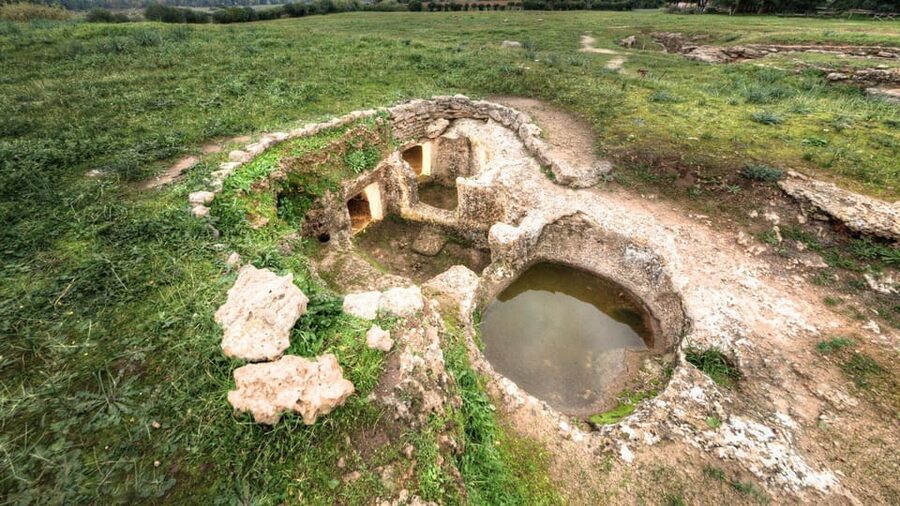
The tombs are known as domus de janas, or fairy houses. The name sounds like folklore, but the chambers served a serious purpose. They were underground burial spaces used by Sardinian communities during the Neolithic and Copper Age, placing the site within a very long period of island history.
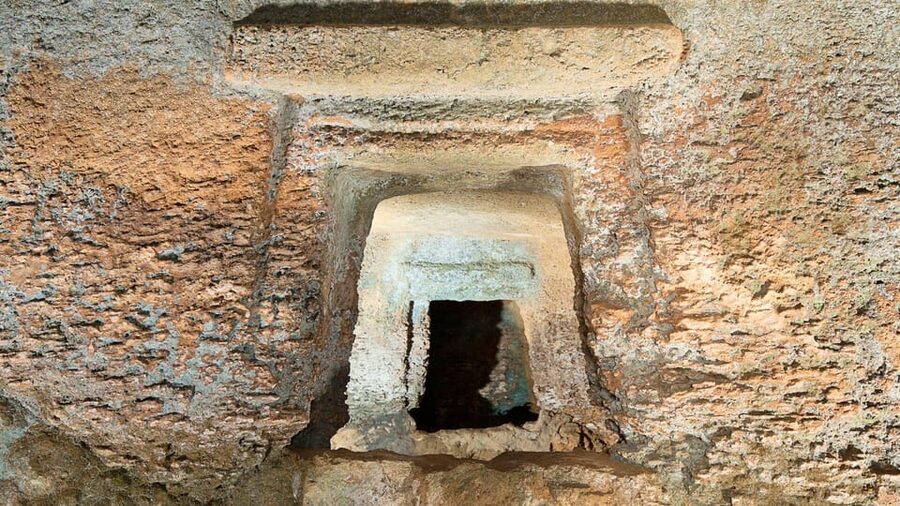
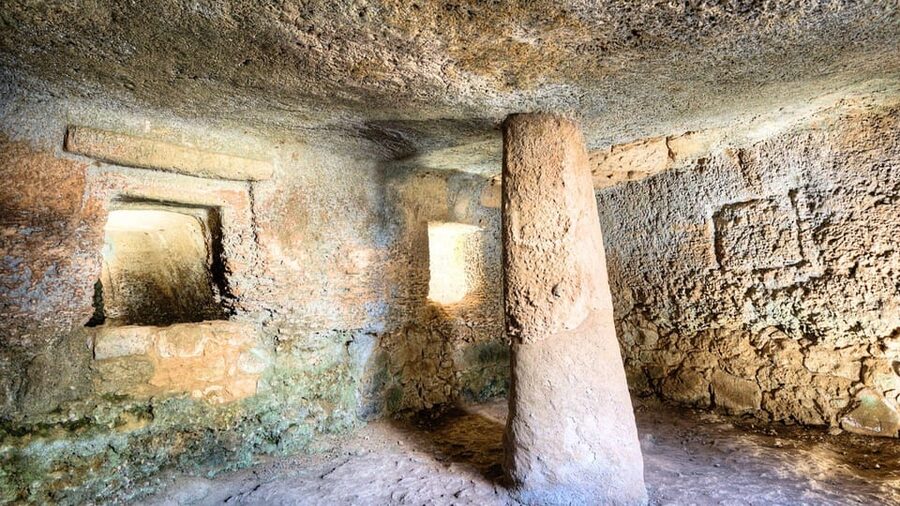
What makes these tombs especially interesting is the way they copy details from ordinary houses. Inside, you may see carved steps, pillars, cornices, false lintels, false doors, and false windows. These were not practical features needed for a burial chamber. They suggest that the dead were given a symbolic home, complete with familiar architectural forms.
That idea makes the site easier to understand. You are not simply looking at holes in rock. You are seeing a carefully shaped place where people tried to preserve the idea of home after death.
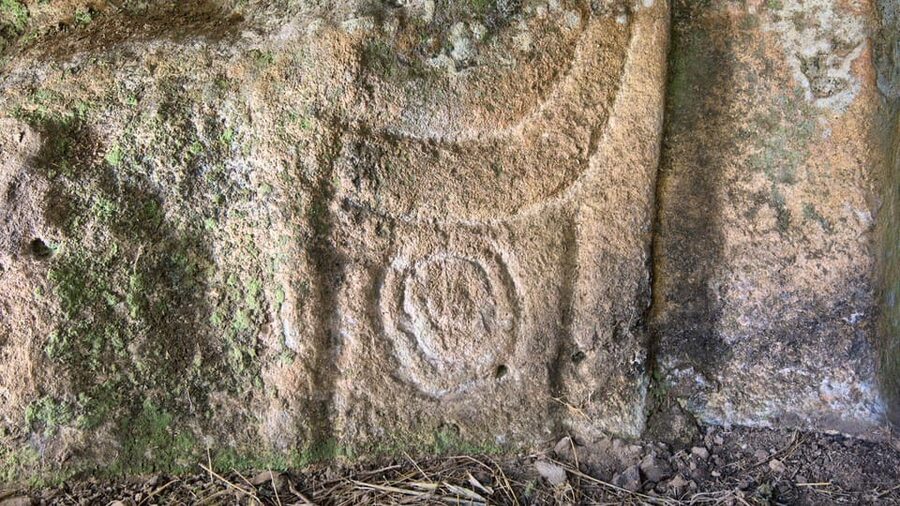
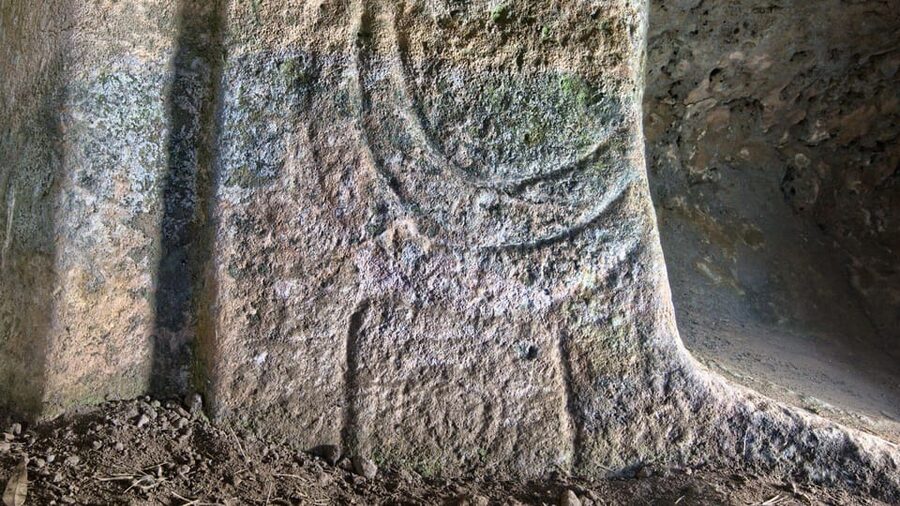
The chambers also reflect a strong connection between religious belief and the natural world. Bull-head carvings and other enigmatic symbols point to rituals meant to protect, honor, or help the dead. Their exact meanings are not always certain, which is part of the appeal. You can see the marks clearly, but you still have room to think about what they meant to the people who made them.
A few more audio tours around Italy worth a look
- Rome: Pantheon Fast-Track Ticket and Official Audioguide
★ 4.5 · 27,353 reviews - Rome: Colosseum & Forum with Audio Guide App -Optional Arena
★ 4.2 · 24,770 reviews - Florence: Timed Entry to Michelangelo’s David + Audio App
★ 4.6 · 19,496 reviews
Starting at the ticket office
Your visit begins at the archaeological site’s ticket office. Staff provide a multilingual audio guide, a QR code, and a password so you can download the audio tracks directly to your phone.
You also receive a site map. It shows the walking route, the tomb numbers, and the locations where you can stop for the related audio track. This is important because the visit does not operate like a conventional guided walk. You are expected to move independently and match each numbered point with the correct recording.
Take a moment at the start to check that the audio loads properly. Put on your headphones before walking away from the ticket office, and glance at the map so you understand the order of the stops. The map must be returned when you leave.
That last detail is easy to forget. Keep it safe during the visit, but remember to hand it back at the end.
The system is simple in theory, though not perfectly clear in practice. A French-speaking visitor had trouble following instructions because a tomb number mentioned by the audio was not easy to find on the ground. That is a useful warning for everyone, especially if you are visiting alone. Keep the map open, compare the number on the audio with the number on the site, and do not rush to the next chamber until you are sure you are in the right place.
Following the 45-minute route
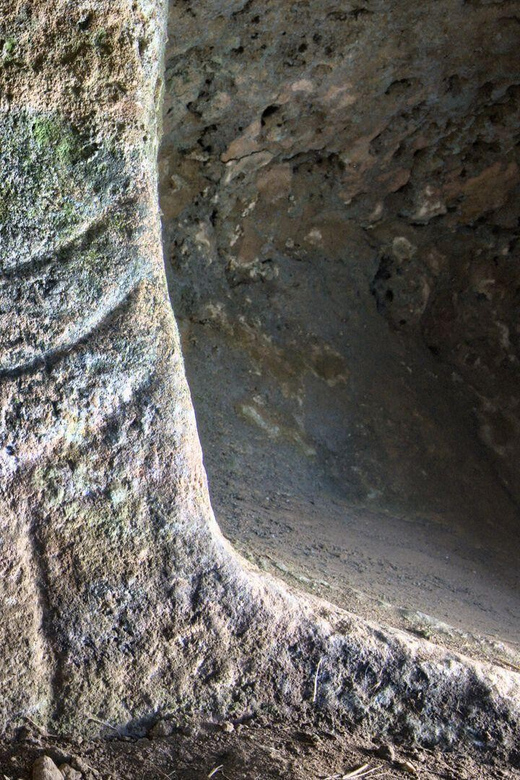
The visit takes about 45 minutes, giving you enough time to see the main features without turning the stop into a half-day commitment. The exact pace is yours. You can listen to every track, pause to study the carvings, or move more quickly through the simpler chambers.
The route leads you through tombs of different sizes and designs. Some are modest spaces, while others are more monumental. That variety helps you see that the cemetery was not built as one single project with one standard plan. The architecture changes from chamber to chamber, giving you a sense of different periods, choices, and levels of effort.
The audio guide should help explain what you are looking at, but it is worth treating the map as an equal part of the experience. The recordings are useful only when you are standing at the correct point. If you listen out of order, details about a particular chamber may become confusing.
I would plan to spend the first few minutes getting organized, then follow the route slowly. Comfortable shoes matter because you will be moving around an archaeological site rather than walking through a polished museum. Comfortable clothes, a hat, and sunscreen are also sensible, particularly during the warmer months.
The site is open longer from April through October, when you can visit between 10 a.m. and 6 p.m. From November through March, the hours narrow to 10 a.m. through 2 p.m. That shorter winter schedule makes an early start more important if you are fitting Anghelu Ruju between other stops.
Reading the tomb architecture
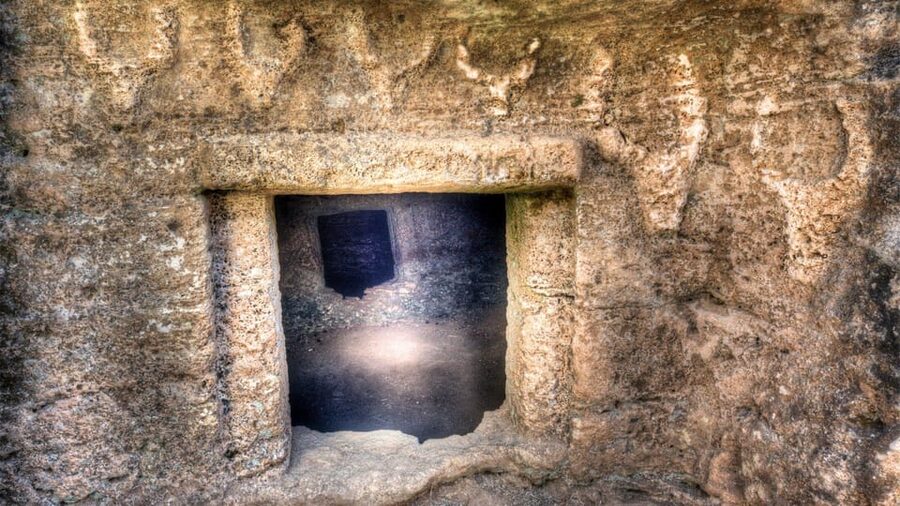
The most rewarding part of the visit is learning to read the details inside the chambers. At first, a small rock-cut room might seem plain. Then you notice a false door, a carved pillar, or a line that imitates a domestic feature.
These details show that the tombs were designed with care. A false door, for example, could suggest a symbolic passage between the world of the living and the world of the dead. The exact meaning should not be treated as certain, but the repeated use of house-like forms gives the chambers a clear symbolic character.
The carved steps and pillars also help you picture the original intentions of the builders. The tombs were not simply hollowed out for convenience. Their interiors were shaped to create a recognizable setting, one connected to everyday life.
The audio guide is valuable here because it gives context that you might miss by looking alone. Without explanation, the carvings can appear abstract. With the right track, you can start to notice the difference between a structural feature, a decorative detail, and a ritual symbol.
The bull-head motifs deserve special attention. They are among the most striking symbols associated with the site and are linked to ancient Mediterranean religious ideas. The material describes them as magical-ritual signs connected with propitiatory rites, meaning ceremonies intended to gain favor, protection, or a good outcome.
You should not expect every symbol to have a neat modern translation. Prehistoric belief systems do not come with written instructions. The uncertainty makes the experience more thoughtful, not less worthwhile. You can see what survives and consider what these signs may have meant to people who lived thousands of years ago.
Same place, a different route to walk:
- Rome: City Sightseeing Hop-on Hop-off Bus with Audioguide
★ 4.0 · 16,045 reviews - Pompeii: Entry Ticket with Audio Guide
★ 4.1 · 13,491 reviews - Venice: La Fenice Opera House Entry Ticket with Audio Guide
★ 4.6 · 11,742 reviews - Rome: Colosseum, Forum, Palatine Hill Entry & Audioguide App
★ 4.4 · 10,957 reviews
What the audio guide does well
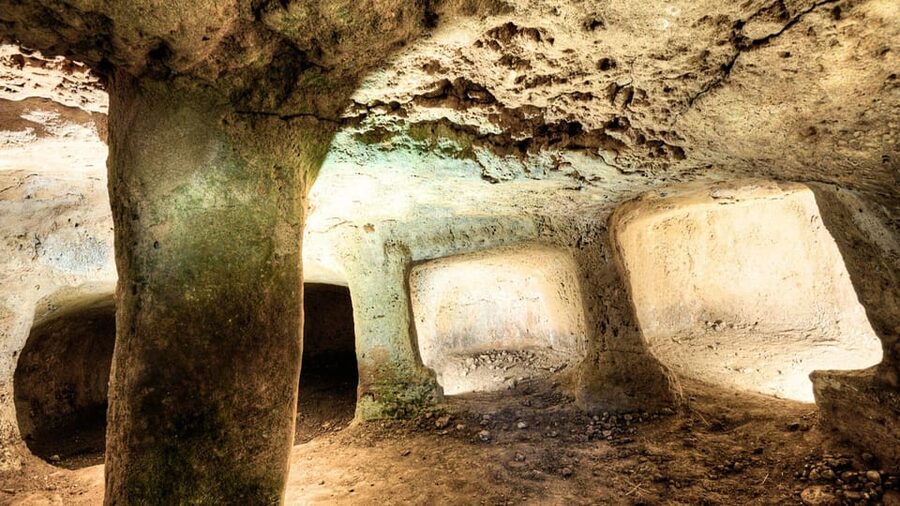
A self-guided audio visit gives you freedom. You are not tied to the speed of a group, and you can stop whenever you want to inspect a chamber or take a breath outside.
The five language choices are a real advantage. English, Italian, French, German, and Spanish are available, so you can choose the language in which archaeological details make the most sense to you.
The audio format also suits a quiet site. Ancient burial chambers are places where many people prefer to look and think rather than listen to a long speech from a guide. You can hear the explanation, then pause the track while you examine the architecture.
Still, you should know what this format does not provide. There is no live guide included, and the ticket office staff do not escort you around the cemetery. A French visitor described the service as difficult because nobody explained enough on arrival. That does not mean the audio system cannot work, but it does mean you need to take responsibility for setting it up correctly.
Bring your own headphones. The information specifically recommends them, and they will make the tracks easier to hear while keeping the site quiet for other people. A charged phone is also practical because the recordings are accessed on your own device.
Getting your bearings without frustration
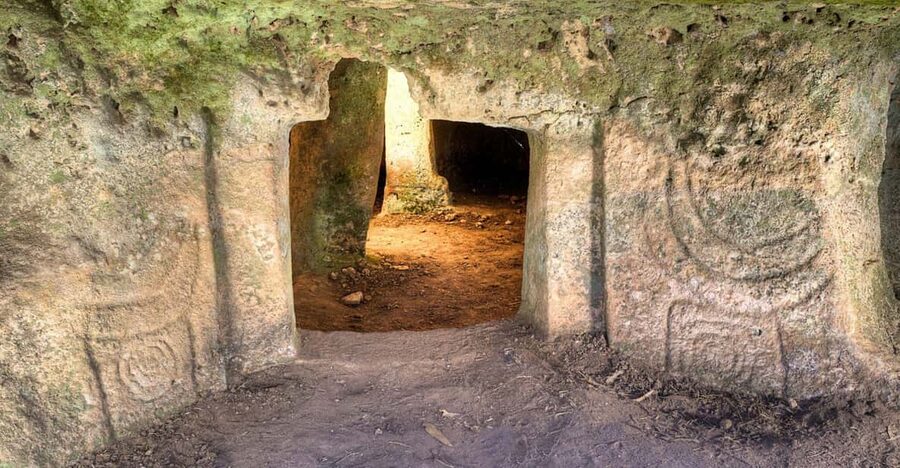
The largest practical issue is wayfinding. The site map is meant to solve this problem, but the numbering may not always be obvious from the path. If a track refers to a tomb number that you cannot see, stop and compare the map with the location around you.
Do not assume the first chamber you see is the next one on the audio. Follow the route shown on the map and look for the numbered points. If you feel lost, return toward the ticket office rather than wandering randomly through the cemetery.
The criticism about reaching the site is also worth taking seriously. No transport directions are provided in the available information, so you should not assume the entrance will be effortless to find. Check your route before setting out and leave extra time, especially if you have a timed plan for the rest of your day.
At the ticket office, make sure you know three things:
- Which language track you are using
- How to open the QR code download
- Where the first numbered stop is located
Those few minutes can make the rest of the visit much smoother.
The $10 price and overall value
At $10 per person, Anghelu Ruju is reasonably priced for a short archaeological visit. The admission includes entry and the audio guide, so you are not paying extra for the basic explanation once you arrive.
The value depends on your interests. If you enjoy ancient sites, symbolic art, burial customs, or unusual architecture, the price is easy to justify. You get access to a significant prehistoric cemetery and a guide in your preferred language for less than the cost of many standard attractions.
If you are mainly looking for a long guided outing with personal conversation and detailed questions answered on the spot, the value is less convincing. This is an independent visit, and the audio guide cannot adapt to your interests or rescue you instantly if the numbering is confusing.
The 45-minute duration is another part of the value calculation. You are unlikely to spend an entire day here, but that is useful if you are building a larger Alghero itinerary. You can pair the visit with other sights in the area without giving up a large block of time.
I see it as a low-cost cultural stop rather than a full excursion. The price is modest, the subject is unusual, and the experience offers something you cannot get from a standard town walk.
Comfort, access, and small practical details
The experience is listed as wheelchair accessible, which is important information for anyone planning ahead. Because the site includes underground tombs and archaeological paths, you should still confirm any personal mobility needs with the provider before booking if you require very specific access details.
There is one toilet for men, women, and disabled visitors. Plan accordingly, since the facilities are limited.
Pets are allowed. Small dogs may enter on a leash, while larger dogs require a muzzle and leash. Keep those rules in mind before arriving, since the site is not a place where you want to discover a restriction at the entrance.
Wear comfortable shoes and clothes. A hat and sunscreen are useful, especially during the April to October opening period when the site is available until early evening. Headphones are the one item I would consider essential rather than optional, because the audio guide is central to the experience.
The location is in the territory of Alghero, in northwestern Sardinia. The available information does not include a specific transport service or transfer, so this is best treated as a self-arranged visit to an archaeological site rather than an excursion with transportation included.
Who should book Anghelu Ruju
I would recommend this experience to anyone who wants a short, affordable look at Sardinia before the Roman and medieval periods. It suits people who enjoy archaeology, ancient religion, unusual buildings, and places that leave a few questions unanswered.
Families with older children may also like it, especially if the children enjoy symbols and underground spaces. The audio guide lets each person move at a comfortable speed, though younger children may find the explanations or the 45-minute route less engaging.
Independent visitors should be comfortable using a phone, reading a map, and solving minor navigation problems. If you strongly prefer a human guide who points out every feature, answers questions, and keeps the group moving, this may feel too bare-bones.
I would also choose it for a hot day because the visit is short and the tomb interiors offer a change from open-air sightseeing. Just bring sun protection for the parts of the route outside the chambers.
Should you book this experience?
Book Anghelu Ruju if you want an inexpensive, focused encounter with Sardinia’s prehistoric past and you are happy to explore without a live guide. The tomb architecture, bull-head carvings, and house-like details give the visit real substance, while the five-language audio guide adds useful context.
Skip it if you need door-to-door transport, personal guiding, or a perfectly clear route with no effort on your part. The weak point is not the archaeology. It is the setup and navigation.
For the best visit, arrive with headphones, a charged phone, comfortable shoes, and enough time to find the entrance. Read the map before you start, match every audio track to its number, and return the map to the ticket office when you leave. At $10 and about 45 minutes, this is a sensible choice for curious visitors building a day around Alghero.
FAQ
How long does the Anghelu Ruju visit take?
The experience lasts about 45 minutes. You follow the route independently and listen to the audio tracks at the marked points.
What languages are available for the audio guide?
Audio guides are available in Italian, English, French, German, and Spanish.
Is a live guide included?
No. The experience includes entry and an audio guide, but not a personal guide. Staff at the ticket office provide the audio access details and a site map.
What should I bring?
Bring comfortable shoes, a hat, sunscreen, comfortable clothes, and headphones for your phone. Your phone is used to access the audio tracks through a QR code and password.
What are the opening hours?
From November through March, the site is open from 10 a.m. to 2 p.m. From April through October, it is open from 10 a.m. to 6 p.m.
Are pets allowed at the necropolis?
Yes. Small dogs may enter on a leash. Other dogs must wear a muzzle and remain on a leash.
Just added around Italy
- Torino Walking Tour with Audio and Written Guide by a Local★ 4.5 · 35 reviews
- Medieval Canals and Fountains: A Treviso Self-Guided Audio Tour★ 4.5 · 4 reviews
- Trapani Walking Tour with Audio and Written Guide by a Local★ 4.0 · 8 reviews
- Trento Walking Tour with Audio and Written Guide★ 4.5 · 11 reviews
- Sicily: Selinunte Park Entry Ticket & Sicily Digital Audio Guide★ 4.5 · 4 reviews
- Taormina Walking Tour with Audio and Written Guide by a Local★ 4.5 · 41 reviews
- Taranto Walking Tour with Audio and Written Guide by a Local★ 5.0 · 5 reviews
- Siracusa Walking Tour with Audio and Written Guide by a Local★ 5.0 · 59 reviews
Italy Audio Tours, compared.
Pantheon Fast-Track Ticket and Official Audioguide
Read our review →
Colosseum & Forum with Audio Guide App -Optional Arena
Read our review →
Timed Entry to Michelangelo’s David + Audio App
Read our review →
La Fenice Opera House Entry Ticket with Audio Guide
Read our review →
Colosseum, Forum, Palatine Hill Entry & Audioguide App
Read our review →
St. Peter’s Basilica & Dome Entry Ticket & Audio Tour
Read our review →