
REVIEW · ROME AUDIO TOURS
Rome: National Etruscan Museum Ticket & App Audioguide
Ancient Rome has an older story. The National Etruscan Museum at Villa Giulia offers a focused look at the people who shaped central Italy before Rome’s rise, with beautiful Renaissance courtyards and some remarkable objects. I especially like the Sarcophagus of the Spouses and the museum’s strong finds from Vulci, Veio, and Cerveteri.
I also like that the $20 ticket includes an app audioguide, giving you some help as you move through the displays without the cost of a personal guide. The main drawback is practical: the audio appears to be available only in English or Italian, and it is supplied without earphones, which can make listening awkward.
- The Sarcophagus of the Spouses is the museum’s star object, showing a married couple reclining together in a striking terracotta sculpture.
- Villa Giulia itself is part of the visit, with Renaissance courtyards, a nymphaeum, frescoes, and calm garden areas.
- The Pyrgi Tablets connect Etruscan and Phoenician writing and offer a rare glimpse into ancient Mediterranean culture.
- Vulci, Veio, and Cerveteri are represented through bronzes, terracotta work, tomb objects, and other finds arranged by place and type.
- The Temple of Alatri reproduction gives you a useful visual sense of Etruscan religious architecture.
- The two-hour visit works well for a focused museum stop, but the audio guide may not suit you if you prefer to read labels or need another language.
Why Villa Giulia Makes a Good Etruscan Museum Visit
Rome is filled with famous imperial monuments, so it is easy to forget that the city’s story began long before the Colosseum and the Roman Forum. The Etruscans were a major culture in central Italy, especially across the area north of Rome known as southern Etruria.
The National Etruscan Museum gives you a chance to see that earlier world through objects recovered from ancient settlements and tombs. It is not a general-purpose Rome museum. The focus is narrow, which is good news if you want a clear introduction to Etruscan art rather than another enormous collection where you lose the thread.
I like the setting as much as the subject. Villa Giulia was built for Pope Julius III between 1550 and 1555. Its courtyards, decorative details, nymphaeum, and painted scenes of the Seven Hills of Rome create a graceful setting for objects that are several centuries older.
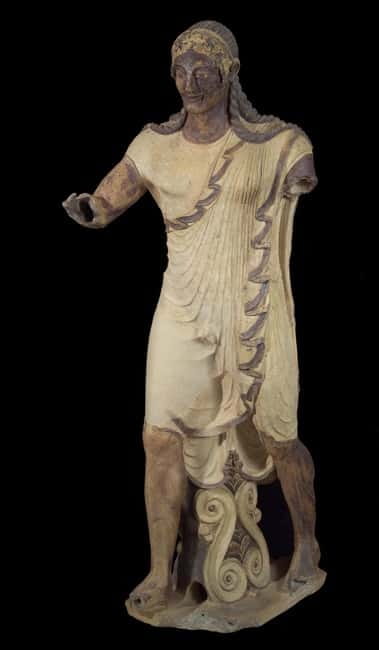
That contrast is part of the pleasure. You move from Renaissance architecture into galleries filled with ancient bronzes, ceramics, jewellery, inscriptions, and funerary sculpture. The building is not just a container for the collection. It shapes the visit.
Starting at Piazzale di Villa Giulia
Your meeting point is Piazzale di Villa Giulia 9 in Rome. You need to exchange your voucher at the ticket office for the official museum entry ticket, so do not head straight into the galleries with only the digital booking confirmation in hand.
Arriving about 15 minutes early is sensible. The check-in step is simple, but allowing time for the ticket exchange means you are not rushing at the start of a relatively short visit.
The booking includes entrance to the museum and a digital audio guide app. Instructions for using the app arrive with your booking confirmation. You should check those instructions before you arrive and make sure your phone is charged.
There is no personal guide included. That gives you freedom to set your own pace, but it also means the audio app has to do the explaining. One important limitation is language. The audio guide has been reported as available only in English or Italian, so check that it suits you before booking.
More Museum Audio Tours in Italy
- Rome: Borghese Gallery Skip-the-Line Ticket & Audioguide
★ 4.3 · 4,318 reviews - Rome: Borghese Gallery Ticket + Audioguide or Guided Tour
★ 4.6 · 3,219 reviews - Rome: Borghese Gallery Skip-the-Line Tickets with Audioguide
★ 4.6 · 2,562 reviews
Walking Through Julius III’s Renaissance Villa
The first pleasure is the building. Julius III commissioned Villa Giulia in the mid-sixteenth century, and the design includes courtyards and a nymphaeum that make the museum feel more like a country residence than a standard exhibition hall.
You will see frescoes connected with the Seven Hills of Rome, along with architectural details that reward a slower look. I would not rush through the entrance areas simply because the main collection is waiting. The villa helps explain why this museum feels different from Rome’s larger archaeological sites.
The nymphaeum is one of the most distinctive parts of the property. The museum also offers special routes into underground areas, including the nymphaeum and the Virgin aqueduct. The available information does not promise that every underground area will be part of your standard two-hour route, so ask at the museum if this is a priority for you.
The building can make the visit feel less linear than a modern museum. The app may help you understand the order of the rooms, but you should still give yourself permission to pause in the courtyards and enjoy the architecture.
The Etruscan Collection, Organized by Place and Type
The displays are arranged using topographical and typological criteria. In plain terms, that means you will encounter objects grouped both by where they were found and by what kind of object they are.
This approach helps you compare different Etruscan centres. Instead of seeing isolated treasures with no connection, you can begin to notice regional differences in craft, burial customs, religious objects, and decoration.
The sections connected with Vulci and Veio are particularly important. Vulci is represented by bronzes, while Veio contributes terracotta decorations. These materials give you two different views of Etruscan skill.
Bronze objects can be small but powerful. Their value is not only in appearance. They show how ancient artists handled metal, shaped figures, and created objects for practical, ceremonial, or funerary use.
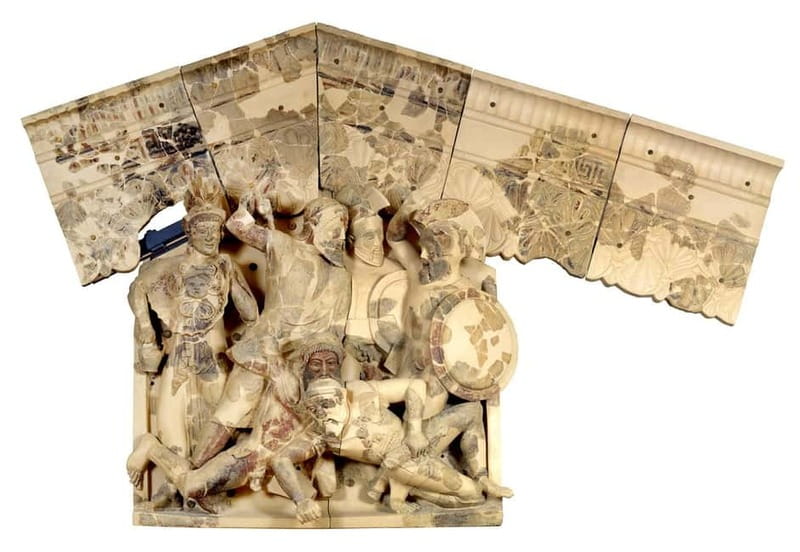
The terracotta work from Veio gives the collection another character. Terracotta was used for architectural decoration, so these pieces help you picture buildings that no longer survive in complete form. You are not simply looking at pottery. You are seeing fragments of an ancient visual world.
The app audioguide should be most useful here, because a short explanation can clarify why a material, town, or object type matters. If listening proves difficult because you do not have earphones, use the app selectively and spend more time with the written labels.
The Sarcophagus of the Spouses at Cerveteri
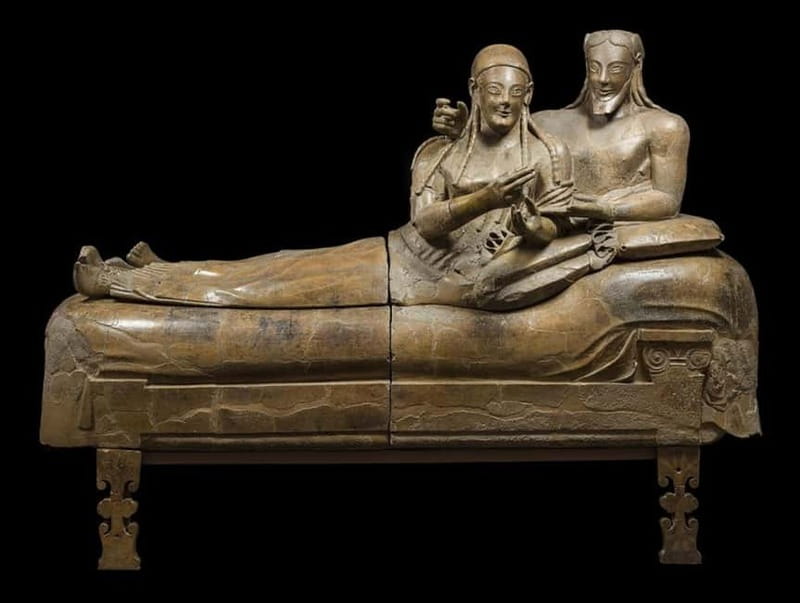
The museum’s best-known object is the Sarcophagus of the Spouses from Cerveteri. It is a large terracotta funerary sculpture showing a married couple reclining together.
This is the piece many people come to see, and it deserves time rather than a quick photograph. The couple’s shared pose gives the work an unusually personal quality. You are looking at a tomb object, but it also communicates companionship and social identity.
Cerveteri was known for its large necropolises and monumental tombs. The sarcophagus helps you understand how Etruscan burial practices could combine architecture, sculpture, and ideas about the afterlife.
The figures are not presented as a gloomy pair hidden away in death. They appear together, alert and composed. That makes the work easy to remember, even if ancient Etruscan art is new to you.
Photography is allowed in the museum, but flash photography is not permitted. Turn off the flash before you enter the galleries, and follow any local instructions around the sculpture.
More Museum Audio Tours in Rome
- Rome: Borghese Gallery Skip the line ticket and Audioguide
★ 4.3 · 1,535 reviews - Rome: Borghese Gallery Ticket and Optional Audio Guide
★ 4.3 · 902 reviews - Borghese Gallery, Home to Canova’s Art – Entry with Audioguide
★ 4.0 · 884 reviews - Rome: Borghese Gallery Skip-the-Line Ticket & Audioguide
★ 4.0 · 768 reviews
Reading the Pyrgi Tablets
The Pyrgi Tablets offer one of the museum’s most unusual encounters. Their inscriptions appear in both Etruscan and Phoenician, providing a rare link between two ancient languages and cultures.
You do not need to read either language to appreciate why the tablets matter. Their importance comes from the evidence they provide about contact across the ancient Mediterranean.
This is where the audioguide can add real value. Without context, inscribed metal tablets can look small and severe. With a clear explanation, they become evidence of diplomacy, religion, and communication.
I would give the tablets a few quiet minutes. They are less immediately eye-catching than jewellery or sculpture, but they reward attention. They show that Etruscan culture was connected to a wider world rather than existing in isolation.
Castellani Jewellery and Smaller Treasures
The Castellani collection brings a change of scale. Here, the attraction is the fine jewellery and the close attention needed to appreciate its workmanship.
Jewellery can be easy to skip in a museum filled with large sculpture and architectural pieces. I would resist that temptation. Small objects often reveal details of taste, status, technique, and personal decoration that large monuments cannot.
You might find this section especially appealing if you enjoy metalwork or design. The pieces provide a more intimate side of the collection and break up the heavier focus on tombs, inscriptions, and architectural fragments.
The app may help you connect individual pieces to the wider collection. Still, the display itself should be allowed to work at close range. Move slowly, look for repeated patterns and materials, and avoid treating the jewellery as a quick stop between larger exhibits.
The Gardens and the Temple of Alatri Reproduction
The visit concludes in the gardens of Villa Giulia. This is a useful change of pace after the indoor galleries, particularly if you have been concentrating on labels and audio commentary for most of the two hours.
The garden setting is calm, and the reproduction of the Temple of Alatri gives you a chance to think about Etruscan religious architecture in a more complete form. Many museum objects are fragments, so a life-size reproduction can help you picture scale and arrangement.
It is important to see the reproduction as an aid to understanding rather than an ancient original. Its value is visual. It helps you imagine how a temple might have appeared and how architectural decoration related to the structure around it.
I like ending here because the garden gives the visit a natural pause. You can review what you have seen without immediately stepping into another crowded Roman street or another demanding museum.
Using the App Audioguide Without Losing Your Pace
The audio guide is included in the ticket, so it adds value if you use it well. You can listen to explanations while moving through the collection, but you are not required to hear every available section.
I recommend selecting the objects that interest you most. The Sarcophagus of the Spouses, the Pyrgi Tablets, the Vulci bronzes, the Veio terracottas, and the Castellani jewellery are good places to focus.
The main problem is sound quality. The audio is supplied without earphones, and listening directly from a phone can be poor in a quiet gallery. It can also be uncomfortable if other people are nearby.
If you have compatible earphones, bring them. The supplied information does not say that earphones are provided, so you should not count on receiving a pair at the museum.
The language issue matters just as much. The audio guide has been described as available in English or Italian. If you need another language, plan to rely on the museum’s written information and the objects themselves.
Is Two Hours Enough for Villa Giulia?
Two hours is a reasonable target for a first visit. It gives you time to see the main collection, listen to selected audio sections, appreciate the villa, and reach the gardens without turning the visit into an all-day commitment.
You could spend longer if you read every label or take a strong interest in one area. The museum contains enough material to reward a slower visit, particularly if you already know something about Etruscan culture.
On the other hand, the two-hour length is helpful if you are fitting the museum between other Rome plans. It is long enough to feel worthwhile but short enough to combine with another activity in the city.
I would not plan this as a rushed 45-minute stop. You would probably see the famous sarcophagus and a few major objects, but you would miss the wider story told through Vulci, Veio, Cerveteri, Pyrgi, and the architecture of the villa.
What the $20 Ticket Is Worth
At $20 per person, the ticket is not the cheapest museum entry you will find in Rome. Its value depends on your interest in ancient Italy and on how much you want a focused collection rather than another headline attraction.
The price includes the official entrance and the digital audio guide app. You are paying not only to see one famous sarcophagus, but also for access to a substantial collection in an important Renaissance setting.
I consider it good value if you enjoy archaeology, ancient art, architecture, or quieter museums. It is less convincing if your Rome plans are already packed with major Roman monuments and you are only mildly curious about the Etruscans.
The free cancellation option, available up to 24 hours before the visit, and the reserve-now-pay-later choice also make the booking easier to fit into a changing Rome schedule. These policies do not improve the museum itself, but they reduce the risk of fixing the visit too early.
Who Should Book This Museum Experience?
I would recommend it to you if you want to understand Rome before Rome became Rome. It suits people who like archaeological collections, ancient inscriptions, sculpture, jewellery, and the connection between objects and their original sites.
It is also a good choice if you prefer a museum with a clear subject and a beautiful setting. Villa Giulia gives you more than display cases, while the garden and Temple of Alatri reproduction add space and visual context.
Families with an interest in ancient history may find the sarcophagus and temple reproduction easier to appreciate than rows of small fragments. The two-hour duration also keeps the visit manageable.
I would hesitate to recommend it if you need an audio guide in a language other than English or Italian. I would also think twice if you do not have earphones and find phone audio irritating, since that weakness can affect how much you get from the app.
The museum has accessible services and is wheelchair accessible. That makes it a practical choice for visitors who need accessible facilities, though you can confirm any specific access needs when arranging your visit.
Should You Book the National Etruscan Museum?
Book it if you want a thoughtful break from imperial Rome and enjoy seeing how a culture is presented through objects, places, and burial traditions. The Sarcophagus of the Spouses, the bilingual Pyrgi Tablets, and the Renaissance villa give you three strong reasons to go.
The $20 price is fair for the entrance and app, especially if you use the audio selectively and take time with the gardens. Bring earphones if you have them, check the audio language before booking, and arrive 15 minutes early for the voucher exchange.
Skip it only if your schedule is extremely tight or if your main interest is exclusively ancient Roman monuments. For anyone curious about the people and art that came before Roman power, Villa Giulia offers a rewarding two-hour visit with a welcome touch of calm.
FAQ
Where is the National Etruscan Museum of Villa Giulia?
The museum is at Piazzale di Villa Giulia 9, 00196 Rome, Italy.
What does the ticket include?
The ticket includes entrance to the National Etruscan Museum of Villa Giulia and a digital audio guide app.
Is a personal guide included?
No. The booking includes a digital audio guide app, not a personal tour guide.
In which languages is the audio guide available?
The audio guide has been reported as available in English and Italian.
Do I need to exchange my voucher?
Yes. You need to exchange the voucher at the museum ticket office for the official entry ticket.
How long does the visit take?
The stated duration is two hours. You can check available starting times when booking.
Is the museum wheelchair accessible?
Yes. Accessible services are available, and the museum is wheelchair accessible.
Can I take photographs inside?
Yes, photography is allowed, but flash photography is not permitted.
Just added around Rome
- Pantheon Skip the Line Entry Tickets with Digital Audio Guide★ 3.5 · 52 reviews
- Trastevere: A Self-guided Audio Tour of Rome’s Medieval Village★ 4.5 · 3 reviews
- St. Peter’s Basilica: Dome Climb with Lift & Audioguide★ 4.5 · 13 reviews
- Audio guide in Vatican Museums and Sistine Chapel★ 4.5 · 12 reviews
- Navova square underground with audioguide★ 4.5 · 17 reviews
- The Roman Jewish Ghetto: A Self-Guided Audio Tour★ 4.0 · 8 reviews
- Experience: The Pantheon Audio Tour★ 4.5 · 4 reviews
- St. Mary’s Basilica, Pope Francis Tomb Audio Tour with Crypt★ 4.0 · 3 reviews
Museums, compared.
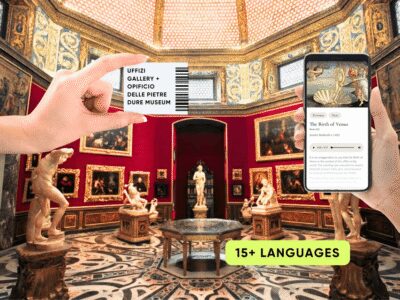
Uffizi Priority Ticket & Masterpieces Audio App
Read our review →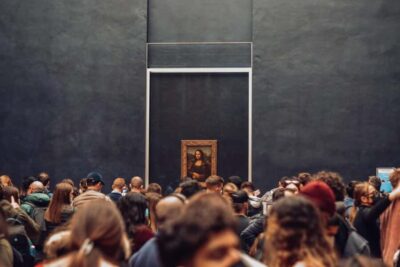
Louvre Museum Hosted Entry and Mona Lisa Audioguide
Read our review →
St. Mark Basilica Ticket, Audioguide+History Gallery
Read our review →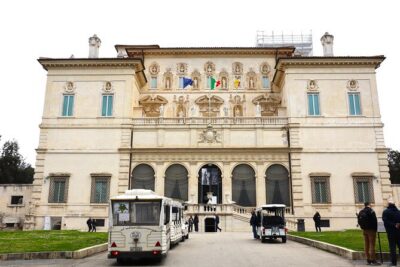
Borghese Gallery Skip-the-Line Ticket & Audioguide
Read our review →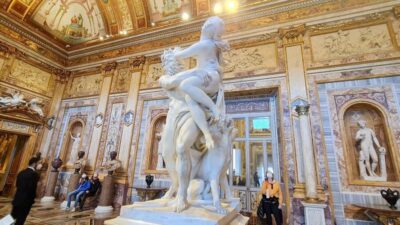
Borghese Gallery Ticket + Audioguide or Guided Tour
Read our review →
Orsay Museum Entry Ticket and Digital Audio Guide App
Read our review →
Uffizi Gallery Timed Entry Ticket & Audio Guide
Read our review →
Acropolis Museum Ticket with optional Audio Guide
Read our review →Browse the lists this tour appears in