
REVIEW · MOAB AUDIO TOURS
Utah Mighty 5 Adventure Bundle: 8 Self-Guided Audio Tours
Southern Utah rewards a little planning. This phone-based audio bundle turns a major road trip into a guided route through Zion, Bryce Canyon, Capitol Reef, Canyonlands, Arches, the La Sal Mountains, and several lesser-known stops. I like the automatic GPS narration and the useful trail advice, which help you decide when to park, hike, or keep driving.
I also like the offline maps and lifetime access. Remote Utah is not the place to depend on a strong signal. The main drawback is that this is only an audio guide, not a driver, shuttle reservation, park pass, or hiking permit. You still need to manage fuel, timing, weather, entry fees, and route changes yourself.
What makes this Utah audio bundle useful
- GPS-triggered stories: Narration, directions, travel tips, and music begin as you drive past points of interest.
- Offline operation: Download the tours over strong Wi-Fi, then use the maps and GPS without mobile data.
- One price per vehicle: The $31.19 price covers a group of up to 15 people, not each person separately.
- Mighty 5 coverage: Routes include Zion, Bryce Canyon, Capitol Reef, Canyonlands, and Arches, plus La Sal and other southern Utah areas.
- Practical hiking detail: The commentary explains trail lengths, difficulty, permits, viewpoints, and where a short walk is enough.
- Flexible timing: You can pause, skip stops, and spread the tours across several days. Access does not expire.
How the Shaka Guide app works on the road
After booking, you receive confirmation and instructions by email. You download the Shaka Guide app, enter the redemption code, and save the selected tours before leaving Wi-Fi. In the app, open the My Stuff tab, choose your route, select the starting point, and follow the GPS directions.
The hands-free setup is the main attraction. As you approach a viewpoint or trailhead, the app provides background, directions, and suggestions. It is more engaging than driving from one pin to another on a standard map because you get context while the scenery is in front of you.
You should still use a phone mount and keep the phone plugged into power. GPS use can drain a battery, especially if you leave the tour running while walking or stop for the day. Turn the route off when you are no longer driving.
The narration also helps with small decisions. It can tell you that a viewpoint is a few steps from the car, while another stop requires a strenuous climb. That lets you shape the day around your energy rather than treating every stop as mandatory.
More Self-Guided Audio Tours in the USA
- Arches National Park Self-Guided Driving Audio Tour
★ 4.5 · 288 reviews - Arches and Canyonlands NP Self-Guided Driving Audio Bundle Tour
★ 4.5 · 68 reviews - Canyonlands National Park Self-Guided Driving Audio Tour
★ 4.5 · 54 reviews
Days 1 and 2: Zion and Bryce Canyon
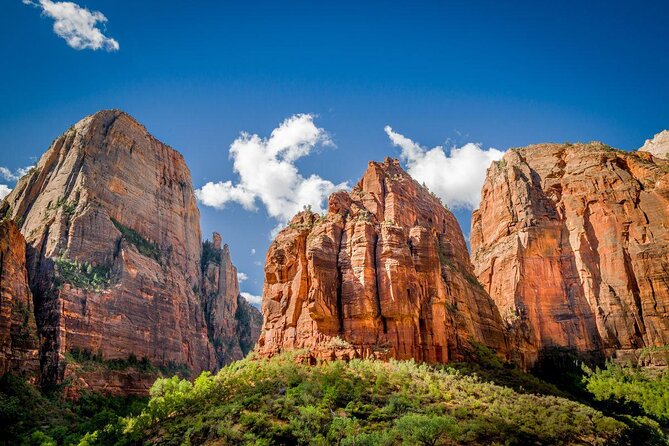
The Zion route begins in the park’s less crowded Kolob Canyons section. At Kolob Canyons Visitor Center, you can show your park pass, then walk the short Timber Creek Overlook Trail. This easy route gives you broad views of the canyon, Pine Valley Mountains, and Red Butte. It is a smart first stop because it offers a major view without demanding a full morning.
The route continues past La Verkin Overlook, Lava Point, and the Subway area. The Subway is not a casual roadside stop. It requires a wilderness permit, and the top-down route involves technical canyoneering. The audio guide does a good job of flagging this difference, but you must arrange the permit separately.
Grafton adds a welcome human story to the red-rock scenery. The old Mormon settlement is an agricultural ghost town, not a mining camp, with preserved buildings and a cemetery. The town hall and cabins offer a look at early settlement life, and the location appeared in the famous bicycle scene from Butch Cassidy and the Sundance Kid.
Zion Canyon then brings the major park sights. Stop at the visitor center for water, maps, permits, restrooms, and ranger information. During shuttle season, the route explains an alternative: walk the paved Pa’rus Trail to the Human History Museum and board the shuttle there. It is 1.7 miles, so this saves a queue but not necessarily time or effort.
Inside the canyon, the stops include the Court of the Patriarchs, Emerald Pools, Angel’s Landing, Weeping Rock, and the Temple of Sinawava. The Lower Emerald Pools hike is about two miles and suits families better than the big summit trails. Angel’s Landing is roughly five miles round trip and includes a chain-assisted section. You now need a permit, and that permit is not included.
The route also points out the Great Arch, Canyon Overlook, Checkerboard Mesa, and the East Entrance Ranger Station. Canyon Overlook is a useful choice if you want a major view without committing to a long, high-exposure climb. The East Zion section offers access to longer trails such as Observation Point and the East Rim Trail, but you should ask a ranger about conditions and distance before setting out.
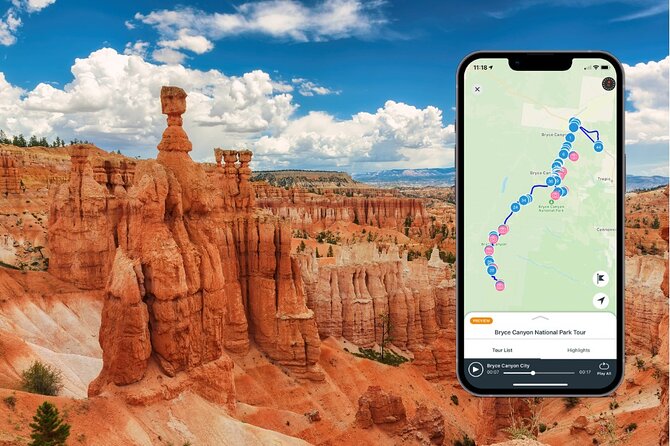
Day 2 moves to Bryce Canyon, where the audio guide covers both the amphitheater and the long scenic drive. Bryce City and Ruby’s Inn are practical supply stops. Inside the park, the visitor center has exhibits, a 20-minute film, a bookstore, and ranger information.
The scenic drive runs 18 miles to Rainbow Point and Yovimpa Point, then returns past viewpoints such as Black Birch Canyon, Ponderosa Canyon, Agua Canyon, Farview Point, Piracy Point, and Swamp Canyon. Rainbow Point reaches 9,100 feet, while Yovimpa Point reveals layers of the Grand Staircase. The route gives you a reason to stop at the less famous viewpoints rather than spending the whole day around the main amphitheater.
At the amphitheater, Bryce Point, Inspiration Point, Sunset Point, and Paria View offer different angles on the hoodoos. Sunset Point is the starting point for the Navajo Loop, while Bryce Point leads toward Peek-a-Boo Loop. Mossy Cave, outside the main park entrance area, adds a short one-mile walk to a cool grotto and waterfall.
The weakness here is time. Bryce has enough viewpoints and hikes to fill more than one day. Use the audio guide as a menu, not a command. Pick a few major viewpoints and one or two walks instead of racing through all of them.
Day 3: Capitol Reef, Fruita, and the Waterpocket Fold
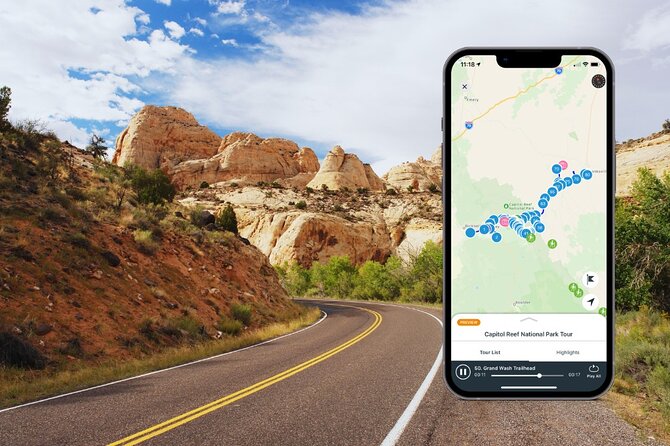
Capitol Reef is best approached with supplies from Torrey. It is the last practical fuel and food stop before Hanksville on this route, so stock up before entering the park.
Early stops include Chimney Rock, Panorama Point, and Goosenecks Overlook. Chimney Rock Loop is a strenuous 3.6-mile hike with a 590-foot climb. Panorama Point and Goosenecks offer strong views with much less effort, making them useful choices if you are saving energy for the park interior.
The visitor center provides exhibits, a short film, restrooms, water, and ranger advice. Then the route moves through Fruita, the historic settlement known for its old orchards. In season, you may pick fruit under park rules. At the Gifford House, you can see how families lived and buy fresh fruit pie.
The Scenic Drive runs 7.9 miles and includes unpaved spur roads to Grand Wash and Capitol Gorge. The supplied guidance says a normal passenger car is generally suitable, but weather can close roads, and flash floods are a real hazard. Do not enter a canyon spur under threatening storm clouds.
Grand Wash is an easy walk through narrowing canyon walls. Cassidy Arch requires a strenuous climb, while Capitol Gorge offers ancient Fremont petroglyphs, the Pioneer Register, and the Tanks. The Fruita Schoolhouse and Fremont Petroglyphs add cultural detail without demanding long hikes.
Farther east, the Waterpocket Fold is the geological centerpiece. You can see the rock layers tilted at striking angles, then continue through Notom, Factory Butte, and Hanksville. This portion is long and more spread out than Zion or Bryce. The benefit of the audio format is that it fills the drive with geology, settlement stories, and route guidance.
Keep in mind that Capitol Reef has several extra charges. The Scenic Drive entry is listed at $20 per car, and some attractions or areas have separate admission notes. Park entry is not included in the bundle.
Day 4: Canyonlands Island in the Sky
The Canyonlands route focuses on the Island in the Sky district, with a possible side trip to Dead Horse Point State Park. Start at the visitor center because it is the only place in this district with potable water and flushing toilets.
Dead Horse Point offers a different view from Canyonlands, despite sitting on the same broad mesa. Inside the park, Shafer Canyon Overlook shows the narrow switchbacks of the Shafer Trail. That road is an option only for a suitable vehicle and confident driver.
Mesa Arch is an easy half-mile round trip and one of the most popular sunrise stops in the region. The parking area can fill before dawn. If you do not want an early start, the guide suggests trying in the afternoon.
Other stops include Buck Canyon, White Rim, Orange Cliffs, Grand View Point, and Green River Overlook. The views are huge, with canyons cut by the Colorado and Green rivers far below. Grand View has a two-mile round-trip trail, while White Rim Overlook offers a shorter 1.8-mile route with broad views.
The walking options continue at Aztec Butte, Whale Rock, and Upheaval Dome. Aztec Butte combines views with ancestral Puebloan granaries dating to about 1200 AD. Upheaval Dome has a short route to overlooks and a much harder eight-mile circuit. The audio commentary is especially useful here because it warns you away from treating every marked route as a quick stop.
More Self-Guided Audio Tours in Moab:
- Utah Mighty 5 National Parks Self-Guided Driving Audio Tours
★ 4.5 · 25 reviews - Self Guided Audio Tour in Arches and Canyonlands
★ 4.5 · 16 reviews - Self Guided Audio Driving Tour in Arches National Park
★ 3.5 · 6 reviews - Canyonlands National Park Self-Guided Audio Tour
★ 4.0 · 5 reviews
Days 5 and 6: La Sal Mountains and Arches
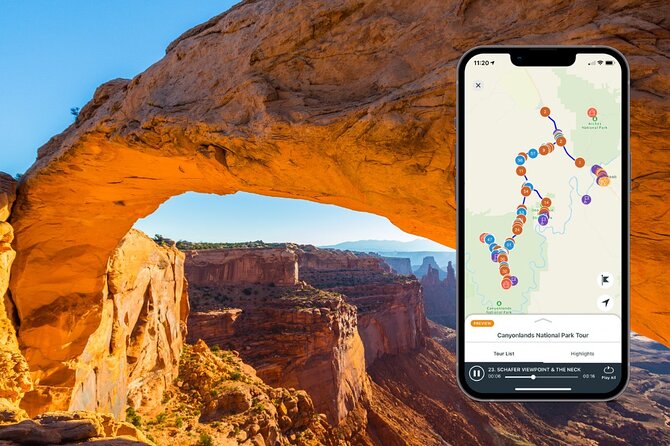
The La Sal route gives your road trip a change of pace. Ken’s Lake, Oowah Lake, and Warner Lake bring alpine water, fishing, mountain reflections, and cooler elevations. Oowah Lake sits around 8,800 feet, and the short connection between Oowah and Warner is about 1.6 miles.
Castle Valley, Castleton Tower, Parriott Mesa, and Fisher Towers return you to tall sandstone. The Fisher Towers area has a popular hiking trail and has appeared in films and television productions. The route also includes dinosaur tracks at Bull Canyon, the Moab Giants museum, Courthouse Wash pictographs, and river access points such as Salt Wash and Takeout Beach.
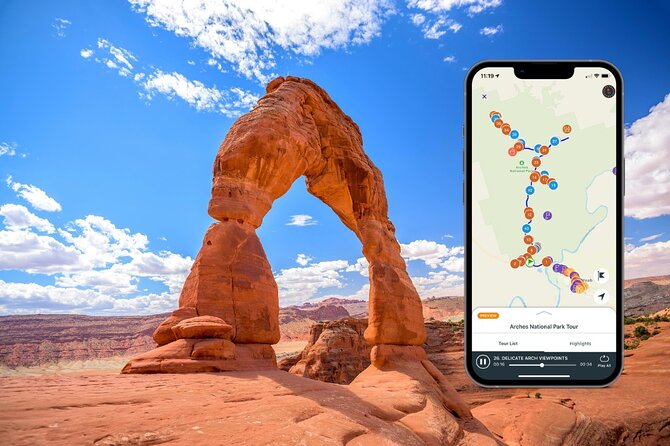
Arches National Park gets a full day. Fill water bottles and buy snacks at the visitor center because there is no food outlet farther into the park. Park Avenue, Courthouse Towers, Balanced Rock, the Windows, Turret Arch, Double Arch, and the Garden of Eden provide many short walks and viewpoints.
Delicate Arch is the headline stop, but the famous three-mile hike is not the only way to see it. Lower and upper viewpoints offer shorter walks. The Fiery Furnace requires a permit, and the route does not recommend attempting it casually.
At the north end, Sand Dune Arch, Skyline Arch, and Devils Garden offer more options. Devils Garden includes Landscape Arch, the longest arch in North America, along with picnic tables and a restroom. Arches entry is not included, and parking or trail access can shape your timing, so start early if you want the major stops.
Day 7: Goblin Valley and slot canyons
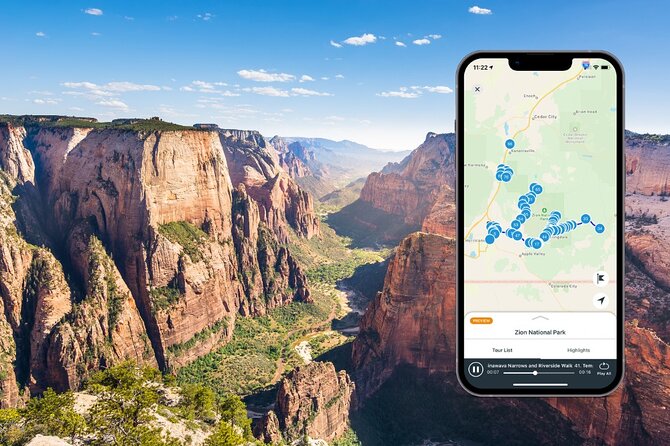
Goblin Valley adds playful shapes to the trip. Begin with the Temple Mountain Wash pictographs, then consider the Wild Horse Window Trail, a moderately challenging 1.8-mile walk.
The main Goblin Overlook gives you a broad view of the hoodoo-filled valley. Three Sisters is an excellent short stop, while Entrada Canyon offers an easy 1.8-mile route. Little Wild Horse Canyon is family-friendly but includes narrow sections where you may need to turn sideways.
This is one of the more relaxed days, but the guide still helps you understand the difference between a viewpoint and a hike. The visitor center is a useful place for restrooms and ranger advice.
Day 8: Southern Utah extras and Scenic Byway 12

The final route is less tidy than the Mighty 5 loop. It includes dinosaur tracks near Kanab, Sand Caves, Peek-A-Boo Slot Canyon, Elkheart Cliffs, and other short canyon walks. Some are easy, while others involve sand, scrambling, dry falls, or possible pools. Conditions matter, so use caution and do not treat a GPS-triggered stop as a guarantee that the route is suitable for you that day.
The route then reaches Kodachrome Basin, Escalante Petrified Forest, Escalante, Boulder, and Scenic Byway 12. Kodachrome offers sandstone spires, hiking, camping, and dark skies. Escalante Petrified Forest focuses on fossilized trees, while the Escalante Interagency Visitor Center can provide maps, permits, and current local advice.
Byway 12 brings wide views at Hole in the Rock, Head of the Rocks, Boynton Overlook, the Hogback, and Calf Creek. Lower Calf Creek Falls is a six-mile round trip to a 126-foot waterfall, with little shade. Upper Calf Creek Falls is shorter at two miles round trip but steeper and more demanding.
Kiva Koffeehouse, Boulder, the Anasazi State Park Museum, and the Maynard Dixon gallery add food, art, and local culture to a route otherwise focused on rock and trails. This day works best as an optional extension rather than a rushed finish.
Price, value, and who should book
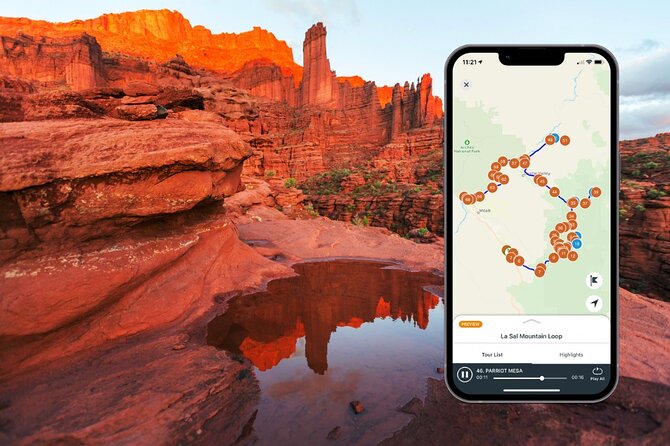
At $31.19 per group of up to 15, the value is excellent if you use the routes across several days. A single vehicle can carry a family or a full group without paying per person. Lifetime access also means you can pause the trip, return later, or reuse the tours on another Utah visit.
You still pay for national park entry, the rental car, food, and special permits. The bundle does not replace a park map or ranger advice. Its value comes from saving planning time and adding useful narration to long drives.
I recommend it for independent road trippers, families, first-time visitors, and anyone who likes to choose stops at their own pace. It is less suitable if you want a live guide, fixed group outings, or a tightly managed schedule with reserved transport.
The cancellation policy is simple: cancel at least 24 hours before the start time for a full refund. Service animals are allowed, and most people can participate, but trail difficulty varies sharply from easy paved walks to exposed climbs and long desert hikes.
Should you book this Utah audio tour bundle?
Book it if you want a private, low-cost guide that tells you what you are seeing and what to expect when you leave the car. The strongest features are the automatic narration, trail detail, offline access, and freedom to skip stops.
Skip it if you prefer silence, already know southern Utah well, or need someone to handle permits, driving, reservations, and safety decisions. For most self-driving visitors, though, $31.19 is a small price for eight days of useful company on some very long roads.
FAQ
How much does the Utah Mighty 5 Adventure Bundle cost?
The price is $31.19 per group, with up to 15 people included.
How long does the experience last?
The bundle is designed for approximately eight days, but the tours can be paused and used over multiple days.
Which national parks are included?
The core tour coverage includes Zion, Bryce Canyon, Capitol Reef, Canyonlands, and Arches National Parks.
Does the bundle include La Sal Mountains?
Yes. The itinerary includes a La Sal Mountains route with Ken’s Lake, Oowah Lake, Warner Lake, Castle Valley, and other stops.
Does the tour work without Wi-Fi or mobile data?
Yes. You need strong Wi-Fi to download the tour first, but the map and GPS work offline afterward.
Do the tours expire?
No. The tours do not expire, so you can use them when you want.
Are national park entry fees included?
No. National park entry fees are separate, and the Capitol Reef Scenic Drive also has a listed $20 per-car fee.
Is an Angel’s Landing permit included?
No. Angel’s Landing requires a permit, and the permit is not included in the tour price.
Can I choose which stops to visit?
Yes. You can pause the tour, skip stops, and decide how long to stay at each location.
What happens if I cancel?
You can receive a full refund if you cancel at least 24 hours before the experience start time. Cancellations within 24 hours are not refunded.
Just added around Moab
- Utah Mighty 5 National Parks Self-Guided Driving Audio Tours★ 4.5 · 25 reviews
- Self Guided Audio Tour Bundle for Utah’s Mighty Five★ 5.0 · 3 reviews
- Self Guided Audio Driving Tour in Arches National Park★ 3.5 · 6 reviews
- Goblin Valley Self Guided Driving Audio Tour★ 4.0 · 4 reviews
- Delicate Arch Trail Self-Guided Audio Walking Tour★ 4.0 · 2 reviews
- Self Guided Audio Driving Tour of Canyonlands★ 5.0 · 2 reviews
- Self Guided Audio Tour in Arches and Canyonlands★ 4.5 · 16 reviews
- Canyonlands National Park Self-Guided Audio Tour★ 4.0 · 5 reviews
Self-Guided Tours, compared.

Acropolis Ticket & Optional Self-Guided Audio Tours
Read our review →
Ultimate Acadia National Park Self-Guided Driving Audio Tour
Read our review →

Santorini: Akrotiri Ticket with Optional Self-Guided Audios
Read our review →
Browse the lists this tour appears in