
REVIEW · PARIS AUDIO TOURS
Royal Palace & Covered Passages, audioguided tour
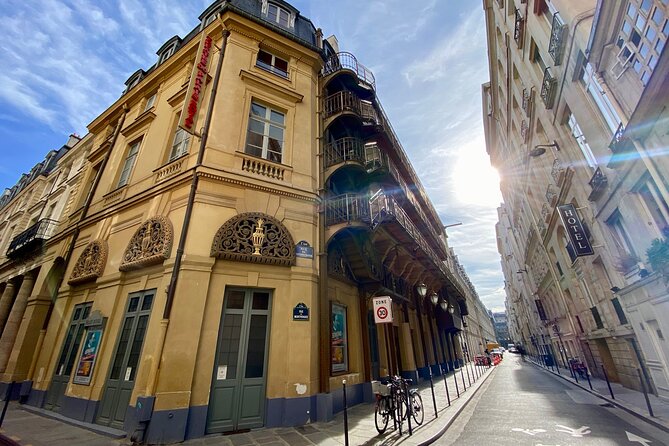
Paris hides its shopping history under glass. This Rewind audio walk links the Palais-Royal with several 19th-century covered passages, using location-triggered commentary and lively historical anecdotes. I like the freedom to pause and restart, and I like that the route leads you to places many Paris visitors pass by. The main drawback is practical: the app and meeting directions have caused real trouble for some users.
You begin at the Buren Columns in the Palais-Royal courtyard and finish at Passage Verdeau. The route takes about one to one and a half hours, although the self-guided format lets you linger. At $11.56 per person, it is a modest price for a private experience, but you should test the app and read the activation instructions before setting out.
The strongest part is the sense of walking through old Paris at your own pace. The weakest part is the technology. When it works, the voices and location-based stories add plenty. When the first passage is closed or the app refuses to play, there is no guide beside you to fix the problem.
Key points to know before you go
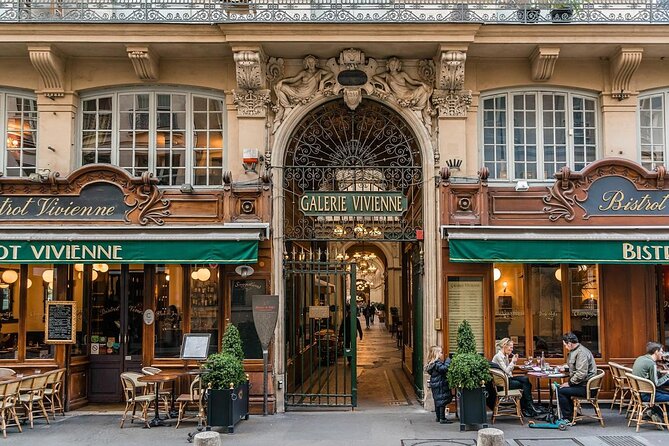
- A walk through five historic locations: Palais-Royal, Galerie Vivienne, Passage des Panoramas, Passage Jouffroy, and Passage Verdeau.
- Location-triggered audio: Commentary begins at the places connected to each story, rather than following a fixed group schedule.
- A strong history-and-anecdote focus: Expect stories about cafés, exotic animals, theater, shopping, wax figures, and Parisian expressions.
- A short central Paris route: The listed duration is one to one and a half hours, with free admission to the stops.
- A self-guided experience for your group: No live guide or shared group is involved, and you can stop when you like.
- Technology needs attention: Several poor experiences involved activation, unclear directions, or audio that failed to play.
Why the covered passages are worth your time
Paris once had close to 150 covered passages. Only about thirty remain, so this walk introduces a small but distinctive part of the city’s past.
These passages were built as elegant pedestrian routes with glass roofs, paved floors, shops, and cafés. They offered a more comfortable way to stroll away from rain and sun. In their own period, they were fashionable places to see and be seen. Today, their scale feels intimate compared with modern shopping centers, but the basic idea is familiar: browse, eat, window-shop, and move through the city without facing every passing carriage or shower.
That old shopping function is still visible. You may find specialist shops, restaurants, old signs, and decorative details rather than the grand monuments that fill most first-time Paris itineraries. The appeal is not one spectacular sight. It is the steady change of mood as you move from a royal courtyard into narrow, roofed arcades.
The audio format suits this setting well. Instead of stopping for a long lecture, you hear short stories while looking at the place being discussed. The best moments are likely to come when the commentary explains something easy to miss, such as why Passage des Panoramas is linked with the beginnings of cinema or how the arcades competed for customers with unusual entertainment.
More Castle and Palace Audio Tours in France
- Palace of Versailles: tickets, audio guide and transfer
★ 4.5 · 7 reviews - Versailles Palace with Audio Guide
★ 4.0 · 21 reviews - Versailles Palace Passport with optional Audio Guide
★ 4.5 · 17 reviews
Starting at the Palais-Royal and Buren Columns
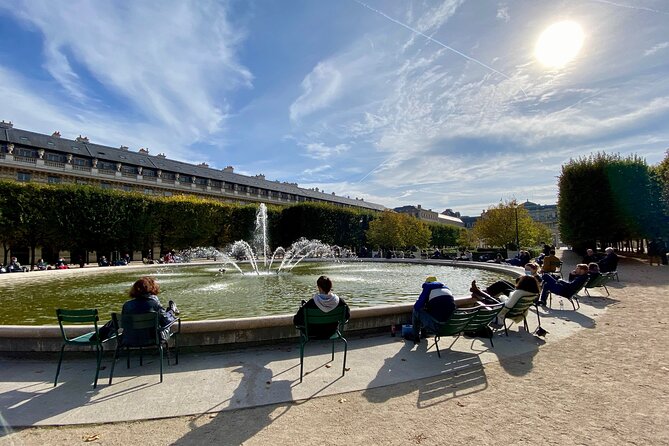
The meeting point is at the Colonnes de Buren, also called Les Deux Plateaux, in the Galerie de la Cour d’Honneur at 2 Rue de Montpensier, 75001 Paris.
This is a useful starting point because the Palais-Royal gives you room to get oriented before the narrower passages begin. The courtyard is easy to recognize, though the modern black-and-white columns can make the setting feel more contemporary than royal. Open the app before you begin, locate the first stop, and allow a few minutes to check that the audio responds correctly.
The Palais-Royal was a fashionable meeting point from the 17th century onward. Its arcades and gardens brought together royal connections, shops, cafés, theatergoers, and people out for a fashionable stroll.
The tour highlights the Comédie-Française, one of the great names in French theater. It also brings in lighter stories, including the old Blind’s Café and the expression midi pétante, a phrase connected with noon sharp. These details give the opening section a playful tone. You are not simply looking at a palace courtyard. You are hearing how ordinary speech, entertainment, food, and social life developed around it.
Allow around 15 minutes here, though the gardens invite a slower look. Admission to this stop is free. Since the tour is self-guided, you can pause the audio and enjoy the courtyard without holding up a group.
The Palais-Royal was also a major food center in 19th-century Paris. That detail helps explain why the site mattered beyond royal architecture. It was a place for eating, meeting, browsing, gossiping, and passing time. I like that the route starts with this social side of Paris rather than treating the palace as a silent monument.
Galerie Vivienne and the golden age of passages
From the Palais-Royal, the route moves toward the covered passages, including Galerie Vivienne. This is where the tour’s central idea comes into focus.
The galleries were early versions of modern shopping centers, but with a very different feel. Their glass roofs brought in daylight. Their paved floors and decorated interiors offered protection from bad weather. Their shops competed for attention in a city where leisurely shopping was becoming a major part of urban life.
The audio explains that passage owners went to surprising lengths to attract customers. Exotic animals, clowns, and acrobats were used as attractions. You can picture the difference between a quiet arcade today and the noisy spectacle these spaces once offered.
Galerie Vivienne is one of the route’s most attractive settings, but the experience depends on looking around while the commentary plays. Notice the proportions of the walkway, the glass overhead, and the shopfronts. The audio provides the background, while the building supplies the atmosphere.
The route also points out old Parisian addresses, including a chocolate maker founded in 1761. That is a useful reminder that these passages are not only architectural displays. They remain commercial spaces, with businesses continuing a tradition of browsing and indulgence.
The listed time here is about 10 minutes. That may be enough for the audio section, but you can take longer if you want to examine shop windows or stop for something to eat. The route does not include admission fees for the passage itself.
Between the arcades, theater and the former Stock Exchange
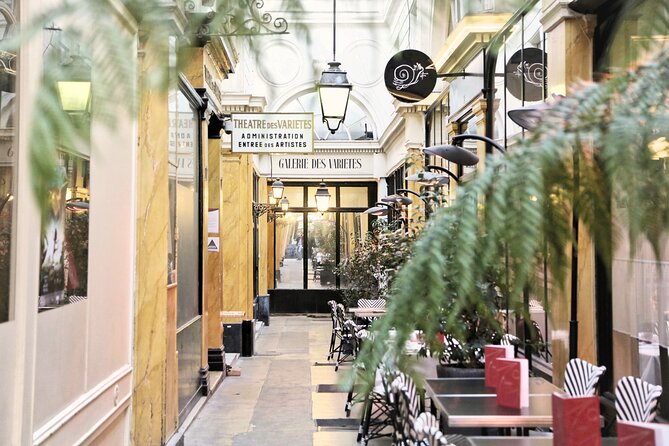
The walk connects several passages rather than keeping you inside one building. Along the way, you pass emblematic Paris locations, including the oldest theater still operating since 1807 and the former Paris Stock Exchange.
These short connecting sections matter because they show how the covered passages fit into the wider city. They were not isolated attractions. They linked busy streets, theaters, shops, restaurants, financial institutions, and public meeting places.
The audio route is strongest when it explains those connections. You gain a sense of why these galleries appeared in this part of Paris and why they once attracted such a mix of people. It also gives the walk a pleasant rhythm: courtyard, street, arcade, street, then another arcade.
This is not a museum tour with objects behind glass. The city itself is the setting, and you need to look up from your phone. Keep one ear aware of your surroundings, especially while moving between passages and streets.
More Castle and Palace Audio Tours in Paris:
- Prague: Skip-the-line Castle Ticket and Optional AudioGuide
★ 4.3 · 11,121 reviews - Amsterdam: Royal Palace Entry Ticket + Audio guide
★ 4.6 · 7,889 reviews - Topkapi Palace and Harem Skip-the-Line-Tickets & Audio Guide
★ 4.3 · 4,745 reviews - Milan: Sforza Castle Entry Ticket with Digital Audio Guide
★ 4.0 · 2,675 reviews
Passage des Panoramas and the ancestor of cinema
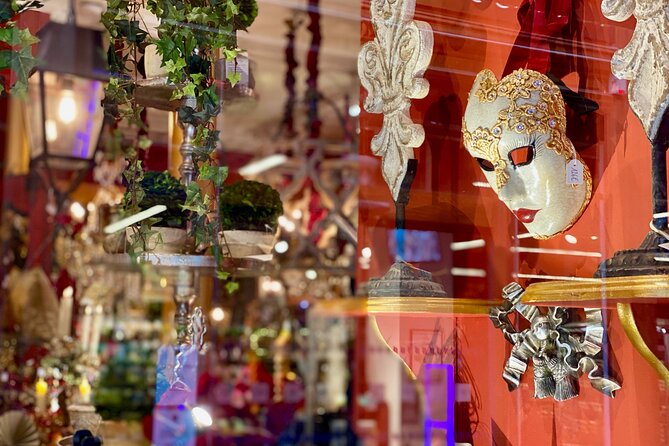
Passage des Panoramas is one of the key stops and receives about 10 minutes in the route.
Its main story is why it is considered an ancestor of cinema. The passage was connected with panoramic images, a popular form of visual entertainment that allowed people to experience distant places and scenes before modern film became common.
That idea gives the passage extra meaning. You are not only walking through an old shopping arcade. You are standing in a place where people once paid to see carefully arranged images and feel transported somewhere else. The audio can make that connection clear in a way that a quick walk-through might not.
Passage des Panoramas also helps show the variety of the route. Galerie Vivienne is associated with polished elegance, while Passage des Panoramas has its own character and historical role. The tour encourages you to compare them rather than treating every arcade as the same.
A possible problem is access. One poor experience involved the first passage being closed, followed by difficulty playing later explanations. Covered passages are working urban spaces, so opening conditions can change. Check the route before you start and stay flexible if one section is unavailable.
Passage Jouffroy, the Grévin Museum and Sega’s gallery
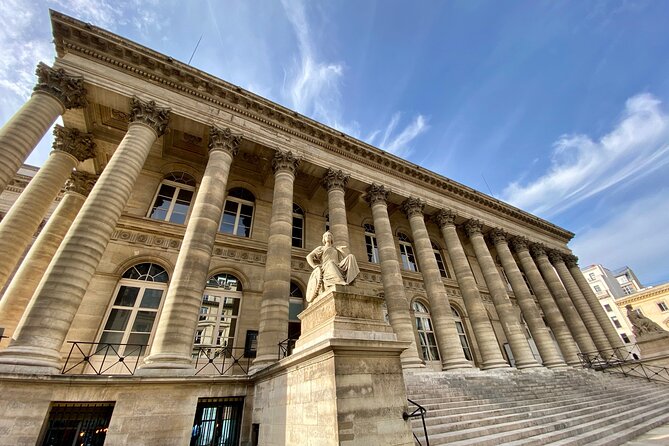
The next major stop is Passage Jouffroy, again with about 10 minutes of audio.
The passage is associated with the Grévin wax museum, a famous Paris attraction. You do not receive a museum admission as part of this audio walk, but the route uses the area to explain the entertainment culture surrounding the passage.
This is an important theme. The galleries were not just places to buy goods. They offered novelty and spectacle. Wax figures, unusual displays, performers, and other attractions helped turn a simple walk into an outing.
The route also points to the Sega Gallery, described as a place hiding many treasures. The wording suggests a stop worth exploring slowly, especially if you enjoy unusual collections and small specialist shops. Since no detailed inventory is provided, treat it as an optional place to look around rather than a guaranteed museum-style visit.
You should allow enough time to browse. The official timing is short, but the self-guided setup gives you control. Pause the audio, step inside a shop if it interests you, and resume when ready.
Passage Verdeau and Hôtel Drouot
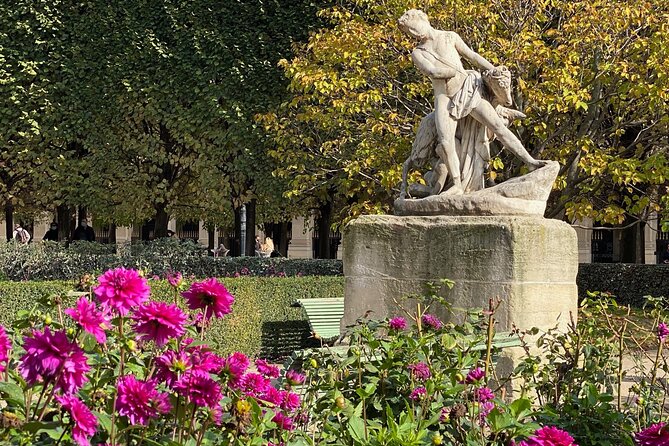
Passage Verdeau is the final stop and the end point at Pass. Verdeau, 75009 Paris.
The passage continues the arcades theme, but its main nearby attraction is Hôtel Drouot, known for antique and collectors’ auctions. This adds another layer to the route. The covered passages were connected with shopping and entertainment, while Drouot represents the city’s long-running market for objects, art, antiques, and collectibles.
The route finishes here rather than returning to the Palais-Royal, so plan the walk as a one-way outing. That is convenient if you are continuing through the 9th arrondissement, but less convenient if you left something at the start or expected a loop.
Passage Verdeau is a good ending because it leaves you near another part of Paris with its own character. You can finish the audio, continue exploring, or simply use the nearby streets to reach your next destination.
How the Rewind app changes the experience
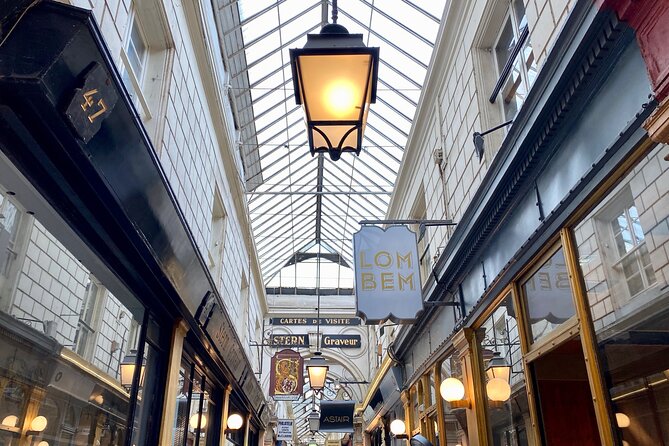
The app is the main reason to choose this tour instead of reading about the passages in advance.
Commentary is designed to trigger automatically at the relevant places. The strongest reports describe clear location-based movement, good narration, and anecdotes that are easy to follow. One especially useful feature is the ability to stop and restart. You are not forced to maintain a group’s pace, and you can take a second walk through a passage if something catches your eye.
The voices are also part of the appeal. The audio has been praised for creating a strong sense of presence at the site, rather than sounding like a generic file played anywhere in Paris. That matters here because the route depends on small details and atmosphere.
The weak point is reliability. The app has failed for some people, and support was not always reachable by email or phone. Another poor experience involved confusion over whether tickets needed to be exchanged. In practice, you should carefully read the booking confirmation, activate the tour before walking away from the start, and make sure you know where the first audio point is.
Do not assume that paying for one person automatically covers two people listening together. The price is per person, and one user specifically found the two-payment requirement frustrating even though both people listened on one phone. If you plan to share a device, confirm the provider’s current rules before buying.
Price, timing and who gets the best value
At $11.56 per person, this is inexpensive by Paris tour standards. You are paying for a location-based audio experience rather than a live guide, museum entry, or reserved access.
I think the value is good if you enjoy history in small portions and are comfortable managing your own phone. The route covers several places, and the free admission means your main cost is the audio content. It is also useful for a private group because only your party participates.
The value drops if you need personal help, guaranteed commentary, or a polished technical setup. A live guide could redirect the route if a passage closes and answer questions on the spot. This app cannot offer that same safety net.
The listed duration is one to one and a half hours. I would keep extra time available for the gardens, photographs, shop windows, and any stop at the passages. The listed operating hours are Monday through Sunday, 8:30 a.m. to 6 p.m. The date range shown with those hours ends June 16, 2026, so check current availability when booking.
Most people can participate, and service animals are allowed. The route is near public transportation. Free cancellation is available up to 24 hours before the experience begins. Within 24 hours, the payment is not refunded.
Who should book this audio walk?
I would choose this experience if you enjoy lesser-known corners of Paris, short historical stories, and the freedom to set your own pace. It works especially well for someone who has already seen the major monuments and wants a quieter urban walk.
It also suits history fans who like the everyday side of the past. You hear about cafés, theater, shopping habits, chocolate, visual entertainment, collectors, and slang. Those details make the route feel human.
Families and couples may appreciate the private format, but remember that the cost is per person. If one phone will serve the whole party, settle the licensing question first.
I would be more cautious if your Paris schedule is tight or if an app failure would ruin your day. The route depends on accurate starting directions and functioning location audio. Keep the confirmation handy and allow enough time to solve a technical problem before giving up.
Should you book the Palais-Royal and covered passages tour?
Book it if you want a low-cost, flexible walk through an overlooked side of central Paris. The historic arcades are the real attraction, and the audio adds the useful details that can turn a pretty passage into a memorable place.
I would not book it expecting a live guide, instant support, or guaranteed access to every section. The best plan is to treat the audio tour as a helpful companion, not the entire outing. Start early enough to troubleshoot, take the route slowly, and enjoy the passages even if you pause the commentary.
For the right person, this is a charming way to see Paris through old shopping arcades, theatrical gossip, visual entertainment, and everyday city life. Its modest price makes the risk reasonable, as long as you are prepared for the app to be the least dependable part of the experience.
FAQ
Where does the audio tour start?
It starts at the Colonnes de Buren, also called Les Deux Plateaux, in the Galerie de la Cour d’Honneur at 2 Rue de Montpensier, 75001 Paris.
Where does the tour end?
The tour ends at Passage Verdeau, Pass. Verdeau, 75009 Paris.
How long does the experience take?
The estimated duration is one hour to one and a half hours. Since it is self-guided, you can stop and restart during the walk.
What places are included?
The route includes the Palais-Royal, Galerie Vivienne, Passage des Panoramas, Passage Jouffroy, and Passage Verdeau. It also highlights the Comédie-Française, the former Paris Stock Exchange, the Grévin wax museum area, Sega Gallery, and Hôtel Drouot.
Is this a private tour?
Yes. Only your group participates. It is an app-based audio experience rather than a tour led in person by a guide.
Can I cancel for a full refund?
Yes, if you cancel at least 24 hours before the experience start time. Cancellations made within 24 hours are not refunded.
Just added around Paris
- The Tuileries Garden’s Classic Sights: A Self-Guided Audio Tour★ 4.0 · 3 reviews
- Self-Guided Audio Tour -The Eiffel Tower, Exterior★ 4.0 · 9 reviews
- Audioguide – The Eiffel Tower and its secrets★ 4.0 · 4 reviews
- A Self-Guided Audio Tour Around Parc Montsouris★ 3.5 · 6 reviews
- The French Revolution: Self Guided Audio Tour of Paris★ 4.5 · 3 reviews
- Summit Eiffel Tower Audio Guide Tour with Unlimited Time Access★ 4.5 · 58 reviews
- Self-Guided Audio Tour – Montmartre: The heart of art and bohemia★ 3.5 · 7 reviews
- Latin Quarter, Paris Walking Tour with Audioguide★ 4.5 · 2 reviews
Castle & Palace Audio Tours, compared.
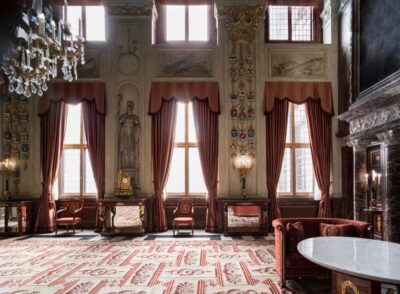
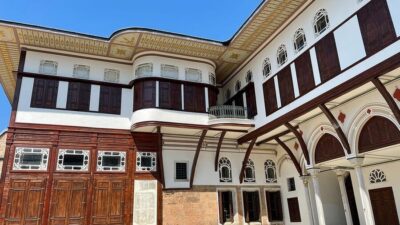
Topkapi Palace and Harem Skip-the-Line-Tickets & Audio Guide
Read our review →
Sforza Castle Entry Ticket with Digital Audio Guide
Read our review →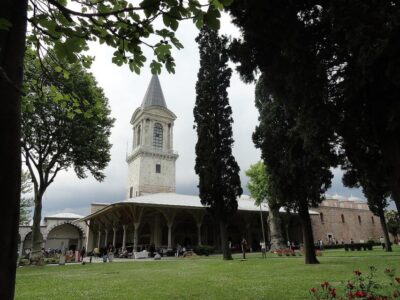
Topkapi Palace and Harem Ticket with Audio Guide
Read our review →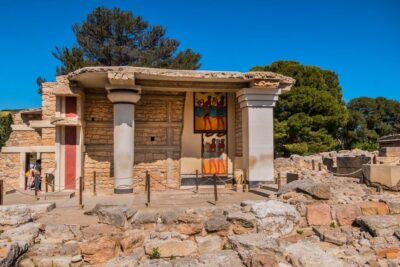
Knossos Palace Entry Ticket with Optional Audio Guide
Read our review →
Dolmabahce Palace and Harem Fast-Track & Audio
Read our review →
Browse the lists this tour appears in