
REVIEW · MUSEUMS
Nusa Dua: Museum Pasifika Admission Ticket with Audio Guide
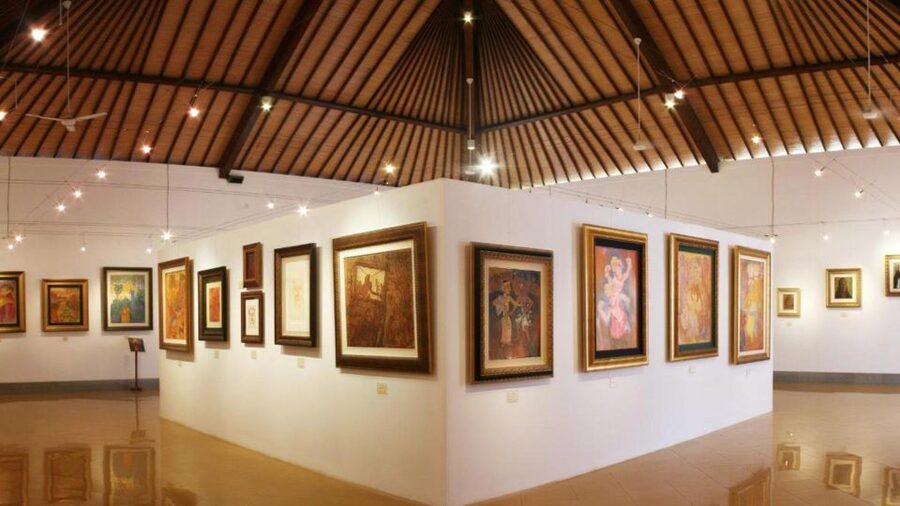
Art rewards a slower pace. Museum Pasifika gives you that pace in Nusa Dua, with more than 600 paintings and sculptures by about 200 international artists, all gathered in a museum that feels calm rather than crowded. For $7, you can spend a full day with Indonesian masters, European artists inspired by Bali, and an important collection from the Pacific Islands.
I like the museum’s wide sweep, from Raden Saleh and Affandi to Paul Gauguin and Auguste Rodin. I also like the quiet, relaxed atmosphere, which lets you stop in front of a work without being hurried along. The main consideration is the building itself: one verified October 2025 visit described it as nice and quiet, while another visitor found the presentation underwhelming because some art appeared unprotected and the open doors and lack of air conditioning raised concerns in Bali’s humid climate.
Key points to know before visiting
- More than 600 works: The collection covers Indonesian, Asian, European, and Pacific art by around 200 artists.
- A strong Indonesian section: Look for works by Raden Saleh, Lempad, Affandi, Hendra, and Kobot, along with more than 50 other Indonesian artists.
- Around 200 Oceanian sculptures: The Michoutouchkine and Pilioko Collection represents art from 10 Pacific nations.
- A useful audio guide: Information is available in English and Indonesian, giving more context than a quick walk through the rooms.
- A $7 cultural stop: The admission price is modest, especially if you take time with the large collection and included refreshment.
- Easy practical setup: The museum has parking, a café, free Wi-Fi, wheelchair access, and a reception desk where you show your ticket.
The Nusa Dua setting and first impression
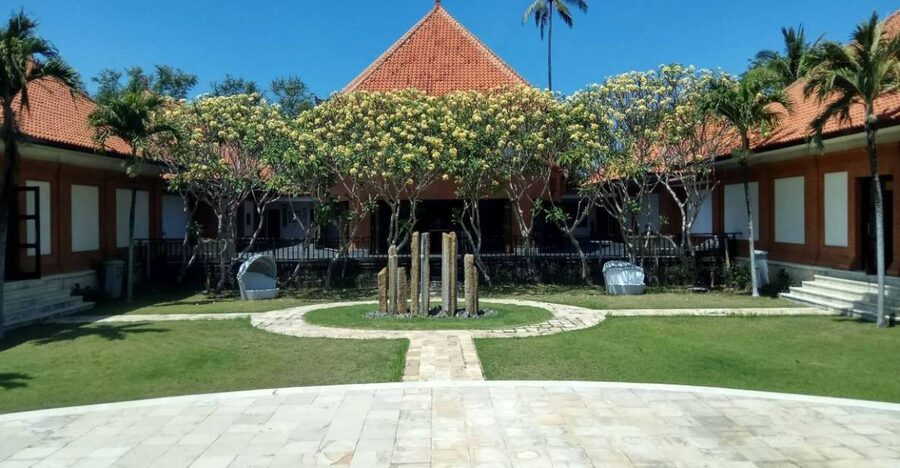
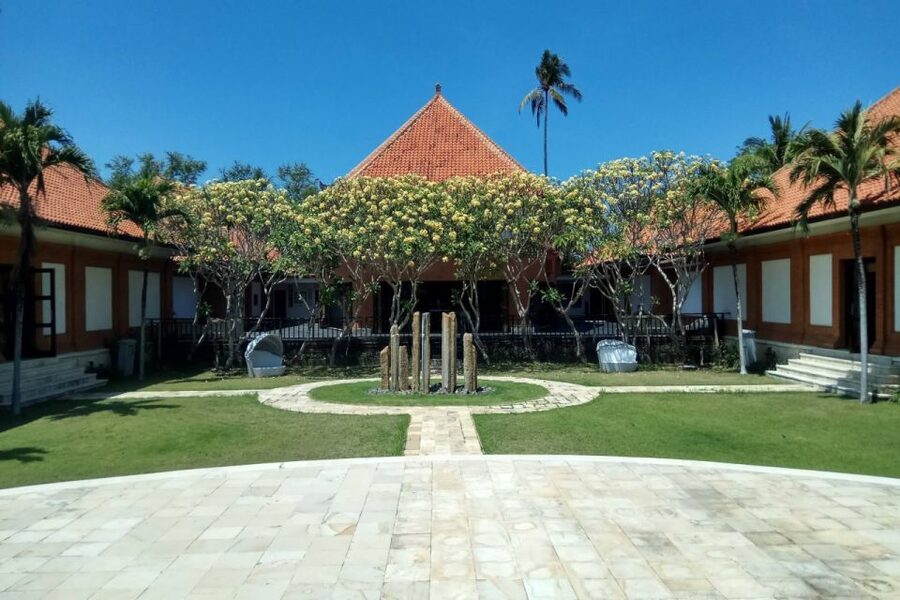
Museum Pasifika is in Nusa Dua, Bali, a resort area known for large hotels, planned streets, and polished facilities. It is not the sort of museum you stumble across while wandering old lanes, so you will need to make it part of your day’s plan.
At the reception area, you show your ticket before entering. The ticket is valid for the date you select, and the visit can be used at any time during that day’s availability. There is no hotel pickup or drop-off, so you arrange your own way to Nusa Dua.
The building has a large parking area, which is useful if you are already exploring the southern part of Bali by car or hired driver. A café and free Wi-Fi are available onsite. A cold towel and a drink such as tea, coffee, or infused water are also included, a small but welcome touch in Bali’s heat.
The first thing I would set aside is the idea of rushing through this as a quick photo stop. The collection is too broad for that. You will get more from it if you give yourself time to read the audio guide material and compare works from different parts of the Asia Pacific region.
More Museum Audio Tours in the world:
- Florence: Uffizi Priority Ticket & Masterpieces Audio App
★ 4.2 · 6,402 reviews - Paris: Louvre Museum Hosted Entry and Mona Lisa Audioguide
★ 4.6 · 5,235 reviews - Venice: St. Mark Basilica Ticket, Audioguide+History Gallery
★ 3.9 · 4,780 reviews
Indonesian masters and the many faces of Bali
The Indonesian section is the heart of the museum for many visitors. It includes more than 50 Indonesian artists, so you get a wider picture than a single room devoted to one famous painter.
Look for works by Raden Saleh, Lempad, Affandi, Hendra, and Kobot. These names give the collection a useful backbone, but the value comes from seeing them alongside less familiar artists. You can consider how Indonesian art changes across periods and styles without needing to know every name before arriving.
This section also helps correct a common Bali art assumption. Bali is often reduced to decorative scenes and souvenir-shop paintings. A serious museum collection shows a wider range of artistic ideas, techniques, and subjects. The works here reflect Indonesian art as more than one local style.
The audio guide can help if you do not already know the artists. It is available in English and Indonesian, and the extra explanation should make the collection easier to follow. I would use it selectively rather than listen to every entry. Choose the artists or works that catch your attention, then let the rest of the museum unfold at your own speed.
Because the museum has no stated fixed tour duration, you can shape the visit around your interest. Someone with a casual interest in art may be satisfied with a shorter visit. If you enjoy painting, sculpture, or Indonesian culture, the broad collection can support a much longer stay.
Indo-European artists inspired by Indonesia
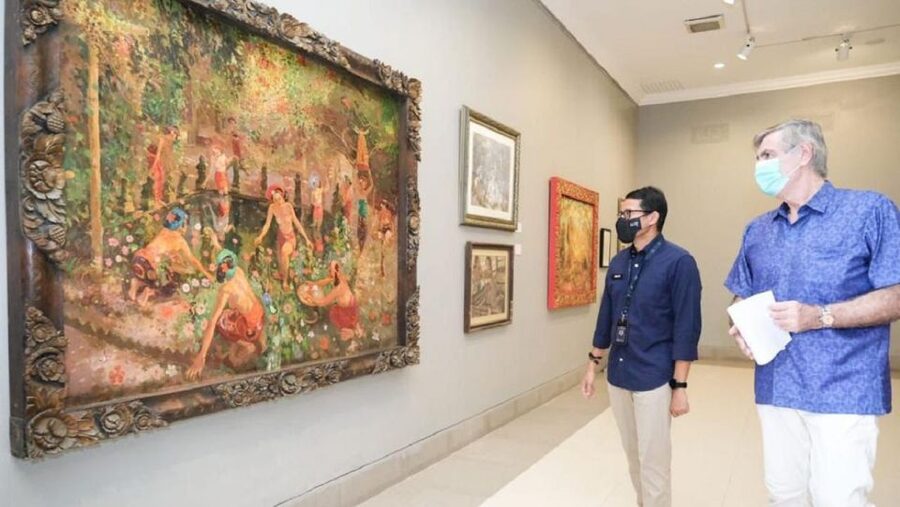
Another section focuses on artists from Europe who were influenced by Asia, especially Indonesia and Bali. The museum includes Italian, French, and Dutch creators, with names such as Walter Spies, Miguel Covarrubias, Jean Le Mayeur, and Charles Sayers.
This part is useful because it shows Bali through several artistic viewpoints. You are not only looking at Indonesian art made in Indonesia. You are also seeing how foreign artists responded to the island, its people, and its visual character.
The material can raise questions about outside interpretations of Bali. That is part of the value. A museum visit is not only about admiring attractive paintings. It can also help you ask who was looking, what they chose to paint, and how an outsider’s view differs from local artistic traditions.
The rooms devoted to these artists should appeal to anyone interested in the long connection between Bali and European art. They also provide a change of pace from the Indonesian masters. Instead of treating the collection as one large block, I would use these rooms to compare local and foreign approaches to the same place.
Hanoi-trained artists and a wider Asian connection
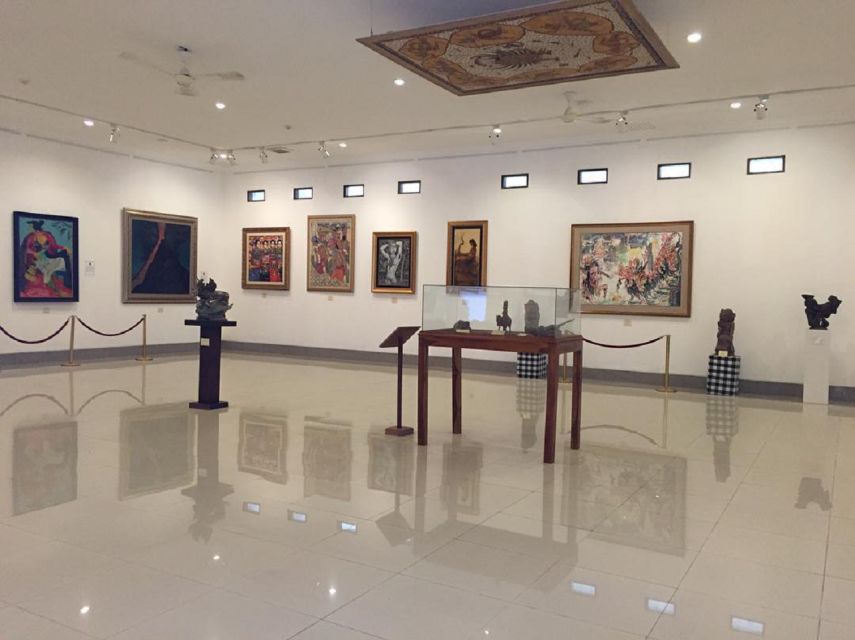
The museum also displays works by Indonesian students of the Beaux-Arts School of Hanoi. This is an easy section to miss if you only come for famous European names, but it adds useful regional context.
The school has been recognized in contemporary international exhibitions and publications. Its inclusion shows that the museum is not limited to a simple Bali and Europe story. Art education, travel, and cultural exchange moved across Asia as well.
For you, this section gives the collection more depth. It links Indonesia with Vietnam and places Indonesian artists within a larger Asian art network. The audio guide is particularly helpful here because the names and background may be less familiar.
I would not expect every gallery to have the same impact. Some pieces will speak to you immediately, while others may feel more academic. That is normal in a collection this broad. The benefit is variety, but variety also means the visit will not feel perfectly even from room to room.
A few more audio tours around the world worth a look
- Barcelona: Sagrada Familia Entry Ticket with Audio Guide
★ 4.6 · 105,312 reviews - Rome: Pantheon Fast-Track Ticket and Official Audioguide
★ 4.5 · 27,353 reviews - Barcelona: Casa Batlló Entry with Self-Audioguide Tour
★ 4.7 · 25,359 reviews - Rome: Colosseum & Forum with Audio Guide App -Optional Arena
★ 4.2 · 24,770 reviews
The Michoutouchkine and Pilioko Pacific collection
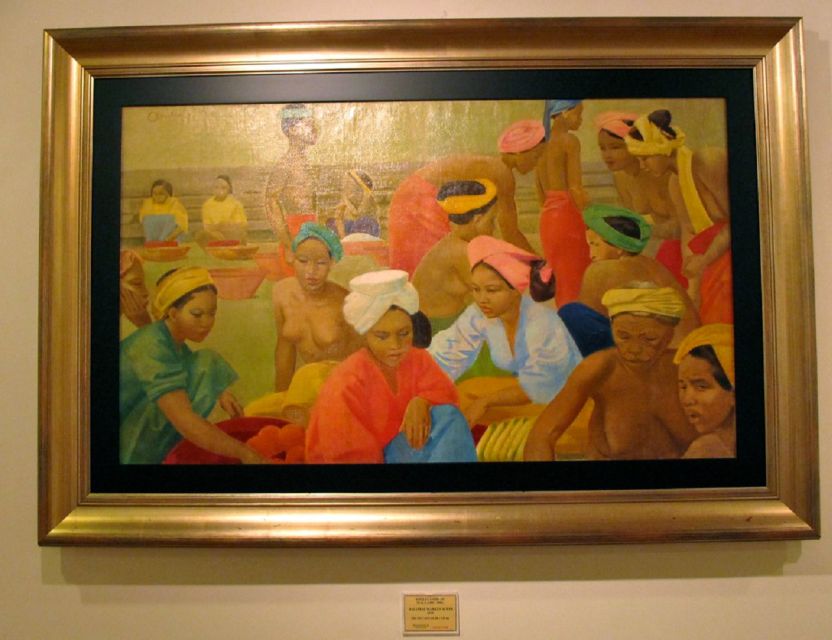
The largest single highlight is the Michoutouchkine and Pilioko Collection of Premier Art of Oceania. It contains around 200 sculptures from 10 nations across the Pacific Ocean.
The collection was assembled over 50 years by the two artists. Its scale gives Museum Pasifika a real reason to visit beyond the Indonesian rooms. You are seeing objects from a part of the world that many Bali museums barely cover.
Sculpture changes the way you move through a museum. Paintings usually ask you to face a wall. Three-dimensional works let you consider shape, material, and space from several angles. The Pacific collection should feel like a clear shift from the painted works in the earlier rooms.
The museum describes it as one of the most complete collections of its kind worldwide. Even if you do not know much about Oceania, you can appreciate the range of forms and the work involved in collecting across 10 nations.
The audio guide can be valuable here, since context matters when the traditions and places are unfamiliar. Take your time with the sculptures rather than treating this as a passage to the next gallery. For many people, this will be the most distinctive part of the museum.
Gauguin, Matisse, Rodin, and the Western artists
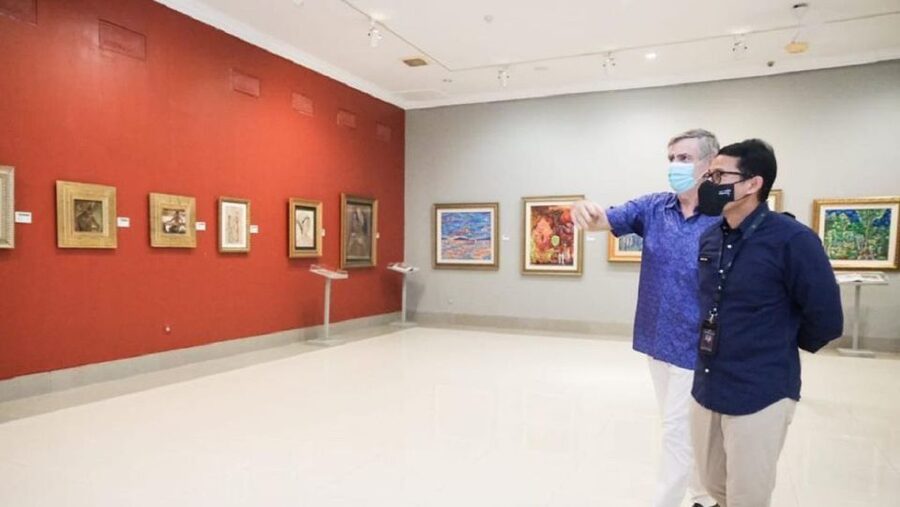
The Legendary Western Artists Exhibition adds a final layer of famous names. It includes sculptures and woodcuts connected with Paul Gauguin’s Tahiti period, along with pieces by Henri Rousseau, Henri Matisse, Auguste Rodin, Marvina Hoffmann, and Bernard Buffet.
These works are presented in connection with Asia and the Pacific, particularly the way Western artists responded to time spent in those regions. The Gauguin material is likely to attract the most attention, but the group is broader than one artist.
This section works best when you resist the temptation to judge it only by fame. Rodin and Matisse are familiar names, but the surrounding material gives you a chance to think about how Western art used Pacific and Asian subjects as sources of inspiration.
The collection is not a replacement for a major European art museum. It is a smaller, focused presentation within a Bali museum. That distinction matters. You come here for the connection between regions, not for a huge survey of every artist’s career.
Why the audio guide matters
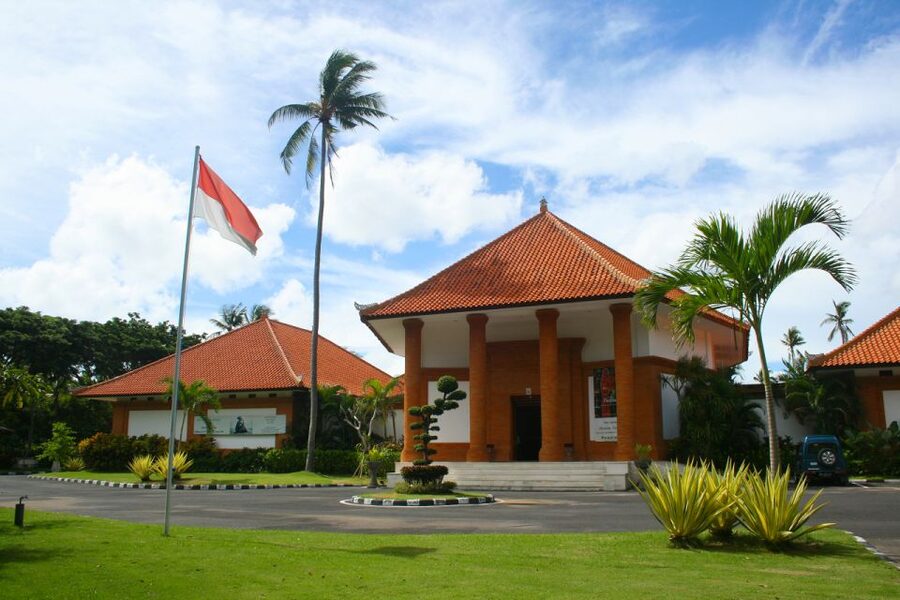
An audio guide can turn a large collection into a more understandable visit. Without some explanation, 600 works by 200 artists can become a long series of names and images. With guidance, you can see why certain artists are grouped together and how the Indonesian, European, Asian, and Pacific sections relate.
English and Indonesian are the stated language options. The guide is described as optional, so you can use it when you want background and put it aside when you prefer a quiet look at the work.
I would start with a few minutes of silent viewing. Then use the guide for artists you do not recognize, especially in the Hanoi and Oceania sections. That approach keeps the visit personal instead of turning it into an audio checklist.
The guide also helps you judge the collection fairly. A work may seem plain at first glance, but its artist, place, or technique can make it more meaningful. At the same time, no explanation will make every piece appealing. You should feel free to move on.
The real condition of the galleries
The museum’s peaceful atmosphere is a clear plus. One verified visit in October 2025 described it as nice and quiet, and that matches the kind of setting many people want for art.
But the physical conditions deserve honest attention. A verified December 2023 visit raised concerns about art that did not appear well protected, along with a lack of air conditioning and doors left open in humid weather. Bali’s climate is tough on artworks, so these are not minor points if you care about conservation.
You may find the galleries comfortable enough for a normal visit, but do not expect a highly controlled national museum environment. The presentation can feel more relaxed than formal. That may appeal to you if you prefer an unhurried local museum, but it may disappoint you if you expect polished, climate-controlled rooms.
The best approach is to focus on the collection while keeping expectations realistic. The museum offers an unusual range of art at a low price, but its facilities may not match the importance of every object on display.
Is the $7 ticket good value?
At $7 per person, the ticket is inexpensive by international museum standards. You receive admission, access to an audio guide, and a refreshment that may include tea, coffee, or infused water. Children aged 0 to 11 enter free, which makes the museum easier to add to a family day in Nusa Dua.
Value depends on your pace. If you spend only 20 minutes inside, the ticket is still affordable, but you will miss the reason to come. The collection covers enough ground to justify a longer visit, especially if you take time with the Indonesian masters and Pacific sculptures.
The price also makes the museum a low-risk choice. You do not need to commit to an expensive guided excursion or a full-day activity. If you enjoy art, the cost is easy to defend. If you only have a short Bali itinerary and are choosing between several major sights, the museum may be less urgent than the island’s temples, beaches, or outdoor attractions.
I see it as a good add-on for a Nusa Dua day, particularly when you want a break from resort activities. It is less useful as a destination requiring a long cross-island journey, since no hotel transport is included and the museum’s appeal depends on your interest in art.
Who should visit Museum Pasifika?
I would recommend it most strongly to:
- People interested in Indonesian painting and sculpture
- Visitors curious about Pacific and Oceanian art
- Anyone who enjoys comparing local and foreign views of Bali
- Families looking for a wheelchair-accessible cultural stop
- Art students and museum fans who want an unusual regional collection
- Nusa Dua visitors who need a quiet indoor activity
It is also a practical choice for visitors who do not want a guided group tour. You can move at your own speed, use the audio guide when useful, and pause for a drink onsite.
I would be more cautious if your main goal is a pristine, modern museum building. The concerns about protection, ventilation, and humidity are worth considering. The art collection is the reason to come, not sophisticated museum technology.
Wheelchair and motorized wheelchair access is available throughout the galleries and facilities. Flash photography, tripods, weapons, and sharp objects are not allowed. These rules protect the art and keep the rooms easier for everyone to use.
My verdict on this quiet Nusa Dua museum
Museum Pasifika offers an unusually broad art collection for a $7 ticket. I like its calm mood, its serious Indonesian section, and the chance to see around 200 Pacific sculptures in one place. The audio guide gives the visit structure, while the included refreshment makes the low-cost ticket feel even more practical.
The main weakness is the condition and presentation of the galleries. Reports of open doors, no air conditioning, and works that may not be well protected should temper your expectations. You are not paying for a flawless museum building.
Book it if you are staying in Nusa Dua, enjoy art, or want to understand Bali through more than beaches and resort life. Skip it if you have little interest in museums or if your schedule is packed with outdoor sights. For the right visitor, this is a quiet and worthwhile cultural stop, with enough range to reward a thoughtful hour or several.
FAQ
Where is Museum Pasifika located?
Museum Pasifika is located in Nusa Dua, Bali, Indonesia.
How much does admission cost?
The listed admission price is $7 per person.
How long is the ticket valid?
The ticket is valid for one day, on the visit date selected.
Are children admitted free?
Children aged 0 to 11 can enter free of charge.
Is an audio guide available?
Yes. An audio guide is available, with English and Indonesian listed as the language options. The audio guide is optional.
Is the museum wheelchair accessible?
Yes. The galleries and facilities are accessible to wheelchairs and motorized wheelchairs.
Is transportation included?
No. Hotel pickup and drop-off are not included.
Where do I show my ticket?
Show your ticket at the reception area of Museum Pasifika Bali.
What items are not allowed?
Weapons, sharp objects, flash photography, and tripods are not allowed.
Does the museum have onsite facilities?
Yes. The museum has a large parking area, a café, free Wi-Fi, and drinks such as tea, coffee, or infused water. A cold towel is also included.
Just added around the world
- Coba Ruins: Self-Guided Walking Audio Tour in Mexico★ 3.5 · 2 reviews
- Self Guided Driving Audio Tour of Saguaro National Park★ 3.0 · 4 reviews
- Torino Walking Tour with Audio and Written Guide by a Local★ 4.5 · 35 reviews
- Self-Guided Audio Driving Tour of Mount Lemmon★ 5.0 · 4 reviews
- Trondheim’s Inner Circle: A Self-Guided Audio Tour★ 4.0 · 15 reviews
- A Tromsø Introduction: A Self-Guided Audio Tour★ 3.5 · 19 reviews
- Panorama Bus Tour with Audio Guide★ 4.0 · 3 reviews
- Saguaro National Park Self-Guided Audio Tour★ 3.5 · 11 reviews
Museums, compared.
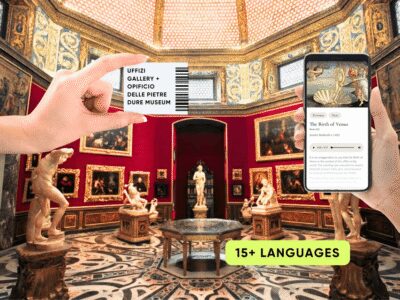
Uffizi Priority Ticket & Masterpieces Audio App
Read our review →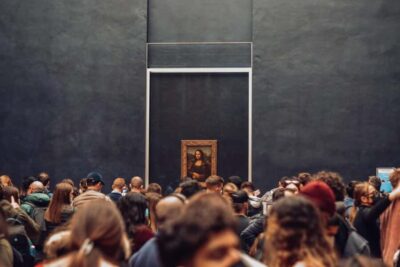
Louvre Museum Hosted Entry and Mona Lisa Audioguide
Read our review →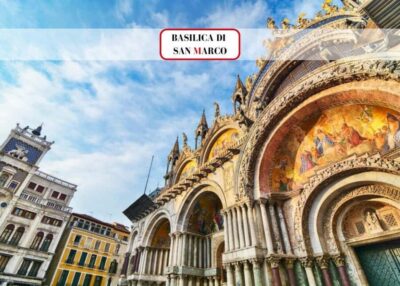
St. Mark Basilica Ticket, Audioguide+History Gallery
Read our review →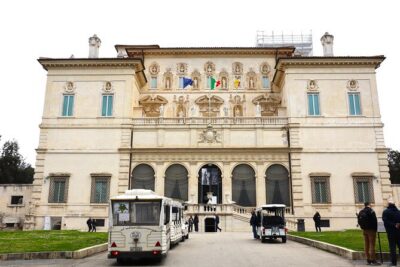
Borghese Gallery Skip-the-Line Ticket & Audioguide
Read our review →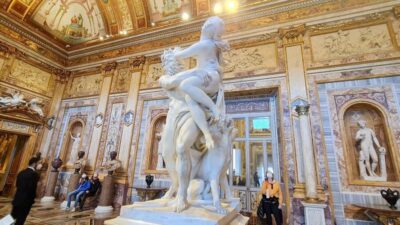
Borghese Gallery Ticket + Audioguide or Guided Tour
Read our review →
Orsay Museum Entry Ticket and Digital Audio Guide App
Read our review →
Uffizi Gallery Timed Entry Ticket & Audio Guide
Read our review →
Acropolis Museum Ticket with optional Audio Guide
Read our review →Browse the lists this tour appears in