
REVIEW · MALTA AUDIO TOURS
Mdina: The Mdina Experience Audio-Visual Show (Open Ticket)
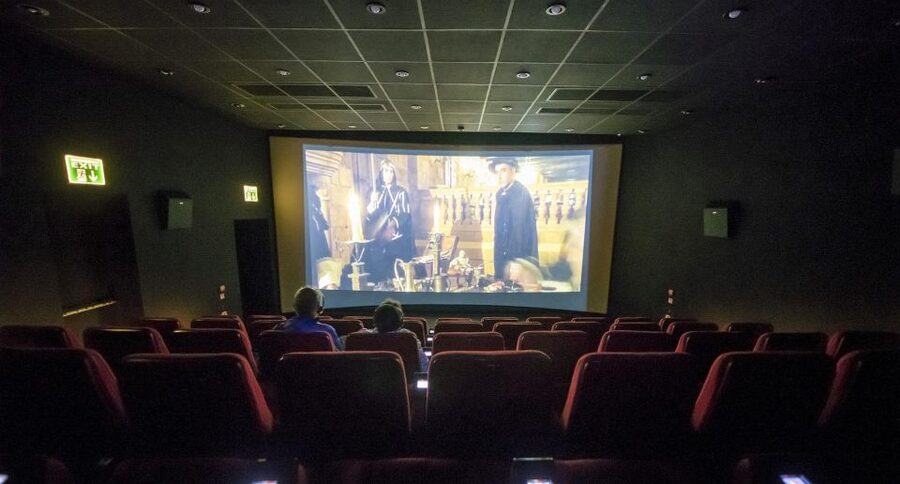
History comes alive in Mdina. This 30-minute audio-visual show gives you a quick, polished introduction to Malta’s former capital, from the mother goddess cult to St. Paul’s shipwreck and the earthquake that damaged much of the city. I like the clear historical sweep and the 12-language headset commentary, which make the show easy to follow for many visitors. The main drawback is simple: it depends heavily on sound, so it is not suitable for people with hearing impairments.
I also like the open ticket. You can arrive on any day during the theatre’s opening hours, then choose an available hourly show instead of racing across Malta to meet a strict appointment. At $7 per person, it is a fair add-on to a walk around Mdina, though you should remember that food and drinks at the medieval tavern cost extra.
Key points about the Mdina Experience
- A 30-minute history show: The presentation covers around 7,000 years of Mdina’s past, including major disasters and turning points.
- Hourly shows from 11:00 a.m. to 5:00 p.m.: The last show begins at 5:00 p.m., with times subject to change.
- Twelve audio languages: Choose from English, German, French, Dutch, Spanish, Italian, Russian, Turkish, Greek, Swedish, Japanese, and Maltese.
- One-time entry: The open ticket gives you flexibility over the day, but you cannot leave and return using the same ticket.
- Modern projection and sound: High-resolution panoramic projection and headset-based surround sound carry the presentation.
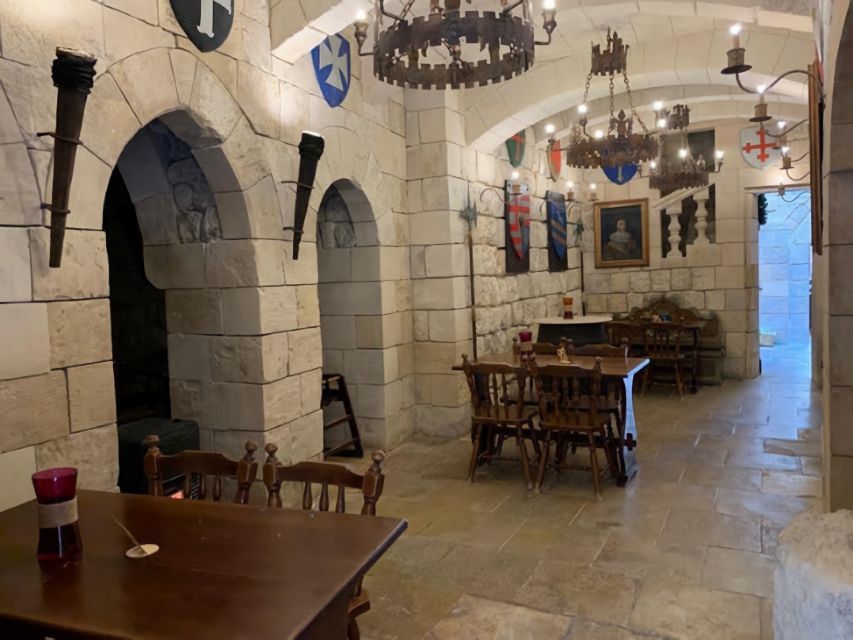
- A medieval tavern afterward: Freshly prepared food and drinks are available after the show, but they are not included in the admission price.
Why this short show helps you understand Mdina
Mdina is easy to admire without knowing much about it. Its old streets, fortified setting, and quiet atmosphere do much of the work. But the city’s long story can be difficult to piece together during a casual walk. The Mdina Experience provides that missing timeline in one compact sitting.
The presentation reaches back 7,000 years, so it is not limited to the best-known medieval and Knights of Malta chapters. You are introduced to early religious beliefs, including the cult of the mother goddess, then guided through later events that shaped Mdina and Malta.
That wide time span matters. Mdina was not created in one historical period and frozen there. Its identity developed through successive changes, periods of success, conflict, destruction, and rebuilding. A 30-minute show cannot explain every detail, but it can give you the basic structure you need before exploring the city on foot.
I see this as an orientation experience rather than a complete history lesson. It works best at the start of your Mdina visit, when the city’s walls and lanes are still waiting outside. Afterward, the old capital has more meaning because you have some idea of the forces that shaped it.
More Shows and Performances in the world:
- Valletta: “The Malta Experience” Audio-Visual Show Ticket
★ 4.4 · 468 reviews - Maltese Islands History Audio-Visual Show and La Sacra Infermeria Tour
★ 4.0 · 344 reviews - Valletta: Malta 5D Audio-Visual Show
★ 4.0 · 91 reviews
From the mother goddess to St. Paul

The early part of the show deals with Malta’s ancient religious past. The reference to the mother goddess cult gives you a glimpse of beliefs that existed long before Mdina became the city visitors see today.
This is a useful reminder that Malta’s story began thousands of years before the medieval period. If your main interest is the age of the Knights, you may find the ancient section brief. Still, it gives the show a proper sense of scale and prevents Mdina from being reduced to a single chapter of history.
The story then moves through the arrival and influence of Christianity. One featured event is the shipwreck of St. Paul, an important part of Malta’s religious tradition and historical identity.
The show connects these subjects rather than presenting a pile of disconnected dates. That is one of its strengths. You get a broad explanation of why Mdina mattered, how its role changed, and why the city still carries such symbolic weight.
For children and visitors who do not usually enjoy museums, this format should be easier to follow than a wall of printed panels. The combination of images, narration, and sound gives the past a clear sequence. Adults who already know Malta’s history may find some material familiar, but the presentation remains useful as a quick refresher.
The earthquake and Mdina’s rebuilding
One of the more dramatic parts of Mdina’s story is the devastating earthquake that destroyed half of the city. The important point is not only the damage itself, but what followed: Mdina was rebuilt.
This section gives you a practical way to read the city’s appearance. Old towns often look like a single, perfectly preserved scene, but Mdina contains layers of change. Destruction, rebuilding, and adaptation all helped create the city you walk through today.
The show presents triumphs and tribulations together. That balance is valuable. You are not given a postcard version of Mdina in which every century was peaceful and every building survived untouched. Instead, you see a city shaped by difficult events as well as pride and renewal.
Because the attraction uses a large screen and panoramic projection, major events can be presented with more visual force than a spoken explanation alone. The supplied information does not promise a live performance or a particular type of special effect, so I would think of it as a polished audio-visual history presentation, not a theatrical play.
What the projection and sound add
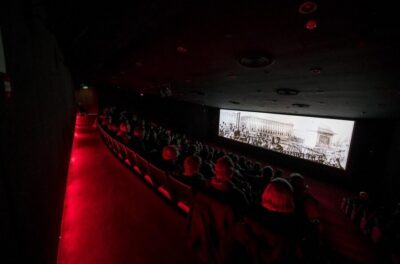
The Mdina Experience uses multi-controlled, high-resolution projection systems with a large screen. The goal is sharp panoramic imagery that supports the narration and gives the show a sense of scale.
You also receive a modern headset with surround sound. This is important in a presentation offered to an international audience. Rather than relying on one shared spoken track, the theatre can provide simultaneous language options through the audio system.
The audio commentary is available in 12 languages:
- English
- German
- French
- Dutch
- Spanish
- Italian
- Russian
- Turkish
- Greek
- Swedish
- Japanese
- Maltese
English is also listed as the host or greeter language. If you need help at the theatre, that is the language to expect from the staff.
The sound system is both a strength and a limitation. It helps you follow the show without depending on a live guide, and it keeps the presentation consistent. But the attraction specifically states that it is not suitable for people with hearing impairments. If hearing is central to your ability to follow an attraction, this is not the right choice.
A few more audio tours around the world worth a look
- Barcelona: Sagrada Familia Entry Ticket with Audio Guide
★ 4.6 · 105,312 reviews - Rome: Pantheon Fast-Track Ticket and Official Audioguide
★ 4.5 · 27,353 reviews - Barcelona: Casa Batlló Entry with Self-Audioguide Tour
★ 4.7 · 25,359 reviews - Rome: Colosseum & Forum with Audio Guide App -Optional Arena
★ 4.2 · 24,770 reviews
Planning your visit around the hourly schedule
The open ticket is one of the most useful features. You may use it on any day within the theatre’s opening hours and available time slots. That gives you room to fit the show around your walk through Mdina rather than building your entire day around one exact departure time.
Shows are scheduled every hour from 11:00 a.m. through 5:00 p.m., with the 5:00 p.m. show being the last one. The theatre is open every day of the week throughout the year except Christmas Day, December 25.
The wording matters: an open ticket does not mean unlimited access at any time. You still need to arrive during opening hours and use an available show time. Opening hours can change, so you should confirm the schedule with the service provider if the timing matters to your plans.
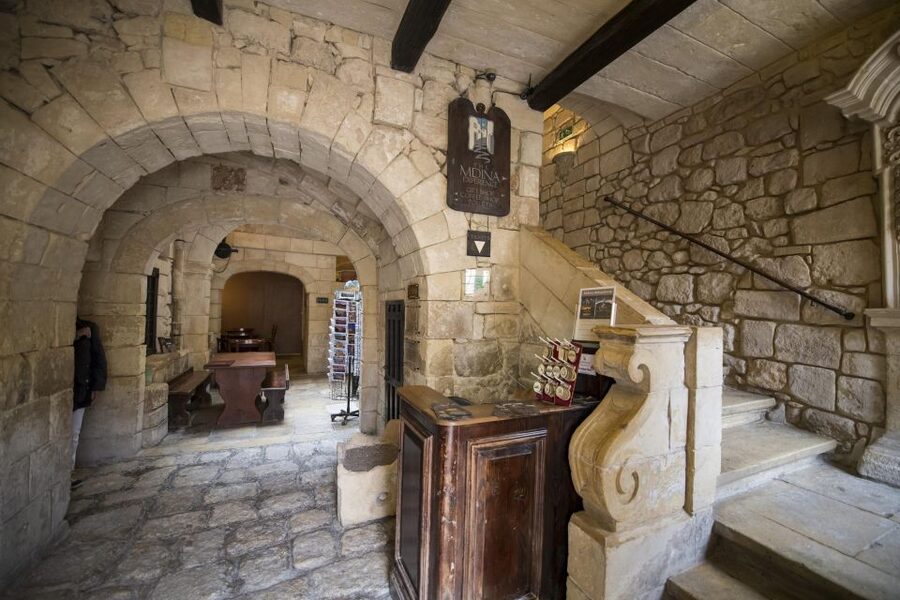
When you arrive, enter through the front door of the Mdina Experience and check in at the reception area. The supplied information does not specify a required arrival time before the show, so I would avoid cutting it close and allow enough time to find the theatre and check in.
The ticket is valid for one entry only. You cannot leave partway through and return later using the same admission. That makes the timing of your visit worth considering, especially if you are combining the show with a meal or a longer walk around Mdina.
How the tavern fits into the visit
After the presentation, you can step back in time at the on-site medieval tavern. Freshly prepared food and drinks are available there, giving you an easy way to continue the Mdina theme without immediately moving on to another attraction.
Food and drinks are not included in the $7 ticket. That is reasonable, since the admission is for the show, but you should treat the tavern as an optional extra rather than part of the ticket package.
I like the idea of using the tavern after the show because the presentation gives context to the setting. You can first hear about Mdina’s past, then pause for food and drink before continuing around the city.
Do not assume that buying the show ticket reserves a meal. The information provided does not state that food service requires a reservation, what dishes are served, or how long a meal takes. If you have a tight schedule, ask at the theatre about current service details when you arrive.
Is $7 a fair price?
At $7 per person, the Mdina Experience is priced as a modest introduction rather than a major attraction that needs half a day. You receive admission to a 30-minute presentation, the audio commentary, and the benefit of a professional projection and sound setup.
The value is strongest if you are visiting Mdina for the first time or want a quick explanation before sightseeing. The price is also easy to justify for families, since the show is designed for all ages and does not demand a long attention span.
The value is weaker if you want a personal guide, detailed discussion, or a highly interactive activity. No tour guide is included. This is a self-contained theatre presentation, and you should not expect to ask questions during the show or receive a customized explanation of the city.
There is also no hotel pickup or drop-off. You are responsible for reaching the theatre in Mdina. That is not a serious problem for a visitor already planning to explore the city, but it is worth remembering when comparing the cost with a guided excursion that includes transportation.
Who should choose this experience?
I would recommend the show to first-time Mdina visitors, families, and anyone who enjoys history in a visual format. It is also a sensible choice if you have limited time and want the basic story without committing to a long guided tour.
The open ticket suits flexible schedules. You can plan your day around the available hourly presentations, then continue sightseeing afterward. The 30-minute length also makes it easy to fit between other activities.
It may appeal less to visitors who prefer quiet independent exploration only. Mdina itself can be enjoyed without an indoor presentation, and some history enthusiasts may want a longer, more detailed account than this short show can provide.
The hearing limitation is important. The presentation relies on audio commentary and is specifically not suitable for hearing-impaired people. Pets are not allowed, so you should plan accordingly.
My practical take on the Mdina Experience
I like this attraction because it does not ask you to surrender an entire day. You get a focused introduction to Mdina, with enough material to make the city’s ancient origins, Christian associations, earthquake damage, and rebuilding easier to understand.
The best plan is to use the show as a first stop, if the timing works. Check in at the reception area, choose an available hourly presentation, and then walk through Mdina with the story fresh in your mind. You can finish with food or drinks at the medieval tavern, keeping in mind that those costs are separate.
The presentation’s biggest strength is its balance of education and entertainment. It does not replace seeing Mdina in person, but it can make that visit more meaningful. The biggest weakness is that the format offers no live guide and depends on sound, so it will not suit everyone.
Should you book the Mdina Experience?
Book it if you want an affordable, family-friendly introduction to Mdina’s 7,000-year story, especially if you appreciate clear visuals and multilingual audio. The open ticket makes it easy to fit into a flexible day, and the $7 price is reasonable for a short historical presentation.
Skip it if you need a live guide, extensive detail, or a hearing-accessible attraction. For everyone else, it is a useful half-hour primer before exploring the Silent City under your own power.
FAQ
How long does the Mdina Experience show last?
The audio-visual show lasts 30 minutes.
How much does admission cost?
The price is $7 per person.
Is the ticket open dated?
Yes. You can use the ticket on any day within the theatre’s opening hours and available time slots.
How often are shows scheduled?
Shows are scheduled every hour from 11:00 a.m. until 5:00 p.m. The 5:00 p.m. show is the last one.
Is the theatre open every day?
The theatre is open Monday through Sunday all year, except Christmas Day on December 25. Opening hours may change, so confirm them with the service provider if needed.
Can I leave and return with the same ticket?
No. The ticket is valid for one-time entry only, and re-entry is not allowed.
Which languages are available for the audio commentary?
Audio commentary is available in English, German, French, Dutch, Spanish, Italian, Russian, Turkish, Greek, Swedish, Japanese, and Maltese.
Are food and drinks included?
No. Food and drinks at the medieval tavern are available after the show but must be paid for separately.
Is the experience suitable for people with hearing impairments?
No. The experience is specifically listed as unsuitable for hearing-impaired people.
Just added around the world
- Coba Ruins: Self-Guided Walking Audio Tour in Mexico★ 3.5 · 2 reviews
- Self Guided Driving Audio Tour of Saguaro National Park★ 3.0 · 4 reviews
- Torino Walking Tour with Audio and Written Guide by a Local★ 4.5 · 35 reviews
- Self-Guided Audio Driving Tour of Mount Lemmon★ 5.0 · 4 reviews
- Trondheim’s Inner Circle: A Self-Guided Audio Tour★ 4.0 · 15 reviews
- A Tromsø Introduction: A Self-Guided Audio Tour★ 3.5 · 19 reviews
- Panorama Bus Tour with Audio Guide★ 4.0 · 3 reviews
- Saguaro National Park Self-Guided Audio Tour★ 3.5 · 11 reviews
Show, compared.
“The Malta Experience” Audio-Visual Show Ticket
Read our review →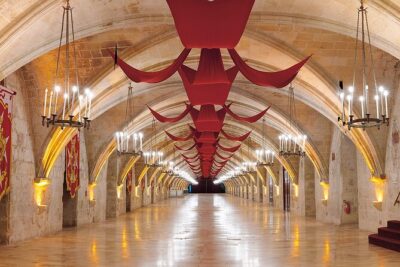
Maltese Islands History Audio-Visual Show and La Sacra Infermeria Tour
Read our review →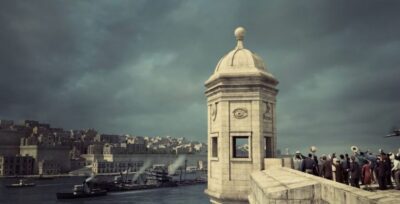
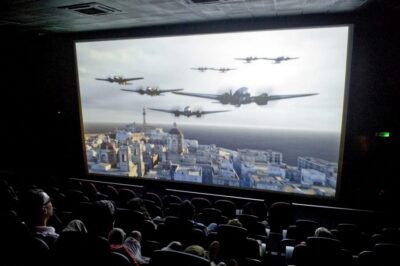
20-Minute Audio-Visual Show + Optional Valletta Audio Guide
Read our review →
Cappadocia Whirling Dervish Show With Audio Guide
Read our review →
30-Minute Mdina Experience Audio-Visual Show Ticket (Open Ticket)
Read our review →Browse the lists this tour appears in