REVIEW · SELF-GUIDED TOURS
Kuala Lumpur Self-Guided Audio Tour
Fourteen stops, one phone, Kuala Lumpur. This $9 self-guided audio tour links railway stations, temples, museums, gardens, markets, mosques, and skyscrapers into a flexible city introduction. I like the freedom to start and finish wherever you wish, and I like the Google My Maps route, which helps you connect places that are spread across central Kuala Lumpur.
The low price is another advantage, especially if you want basic orientation without joining a group. The main caution is that the narration is fairly brief and basic, with some English-language awkwardness, and the SoundCloud playlist can feel clumsy to operate. You may learn just as much from some of the public information boards around the city.
Key points at a glance

- Fourteen major sights: The route covers Kuala Lumpur Sentral, Brickfields, temples, Chinatown, Central Market, Merdeka Square landmarks, KLCC Park, and the Petronas Twin Towers.
- Start anywhere: You choose your own beginning and end point, so you can fit the tour around your hotel, train arrival, or sightseeing plans.
- Two useful links: One opens the audio playlist, while the other opens an interactive Google My Maps route with each attraction connected to its recording.
- A low-cost introduction: At $9 per person, the tour can be worthwhile if you want simple background information rather than a live guide.
- Extra admission costs: Entry is not included for the Islamic Arts Museum, Kuala Lumpur Butterfly Park, or the Petronas Twin Towers.
- Best for independent visitors: You control the pace, can skip stops, and can spread the route over as many as six days.
What the $9 Kuala Lumpur audio tour actually offers
This is not a guided walk with a person waiting at a meeting point. It is a private audio activity delivered through two links sent by email before your selected start time.
The first link opens a SoundCloud playlist. You can play the stops one at a time or listen through the recordings before setting out. The second link opens a Google My Maps file showing all 14 locations. Each map point connects to its matching audio segment.
I like this setup in principle. You do not have to follow a fixed route, and you can decide which sights deserve your time. If you arrive through Kuala Lumpur Sentral, you can begin there. If you are already near the Petronas Twin Towers, you can begin at KLCC Park and work backward.
The practical weakness is the audio platform. A playlist is less tidy than a dedicated tour app, and moving between tracks may take a little patience. You should open both links before leaving your hotel and check that the audio plays on your phone. The map is likely to be the most useful part of the package.
The advertised duration is about three hours. That is enough for short visits at each location, but it does not allow leisurely museum time, extended temple visits, shopping, or long breaks. Fourteen stops in three hours means roughly ten minutes per stop before you account for transport between them.
You can also use the links for up to six days. That changes the value of the tour. You do not need to force every sight into one hot afternoon. I would split the route into two or three outings, especially if you want to spend meaningful time inside the museum, gardens, butterfly park, or Petronas Towers.
More Self-Guided Audio Tours in the world:
- Athens: Acropolis Ticket & Optional Self-Guided Audio Tours
★ 4.1 · 2,542 reviews - Gettysburg Battlefield Self-Guided Driving Audio Tour
★ 4.5 · 910 reviews - Joshua Tree National Park Self-Guided Driving Audio Tour
★ 4.5 · 762 reviews
Kuala Lumpur Sentral and the colors of Brickfields
Kuala Lumpur Sentral Railway Station
Starting at Kuala Lumpur Sentral makes sense if you arrive by train or need a clear point of orientation. Malaysia’s largest transit hub is presented as a modern architectural project and an important connection point for the city.
The recording helps you look beyond the station’s practical role. Instead of treating it as a place to change trains, you get an introduction to how Kuala Lumpur connects its districts and suburbs.
Allow about ten minutes here. This stop is useful for context, but it is not the sort of place where you need to linger for an hour. If you are already familiar with the station, use it as your starting marker and move on.
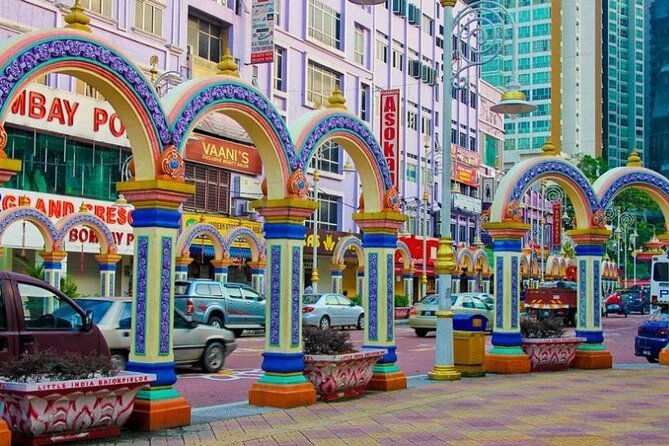
Little India Brickfields
Brickfields changes the tone quickly. The area is known for Indian shops, restaurants, colors, and scents, and the audio explains its cultural importance and development.
This is one of the better early stops because it shows Kuala Lumpur as a city shaped by several communities, not just a collection of modern towers. I would listen while walking through the district rather than standing still with your phone in hand.
The short recording gives you a frame for the neighborhood, but it cannot replace time spent looking around. Give yourself extra time here if food, shopping, or street life interests you. The ten-minute estimate covers the audio stop, not a full visit to the area.
A few more audio tours around the world worth a look
- Barcelona: Sagrada Familia Entry Ticket with Audio Guide
★ 4.6 · 105,312 reviews - Rome: Pantheon Fast-Track Ticket and Official Audioguide
★ 4.5 · 27,353 reviews - Barcelona: Casa Batlló Entry with Self-Audioguide Tour
★ 4.7 · 25,359 reviews - Rome: Colosseum & Forum with Audio Guide App -Optional Arena
★ 4.2 · 24,770 reviews
Temples and Islamic art near the city center
Thean Hou Temple
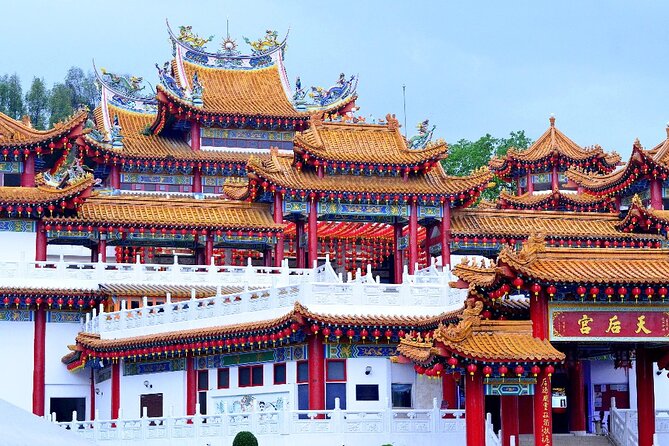
Thean Hou Temple is one of Southeast Asia’s largest Chinese temples. The audio points out the meaning behind its design and explains its place in Kuala Lumpur’s Chinese community.
This is a stop where the recording can add value. Decorative temple features may look beautiful at first glance, but understanding their symbols gives the visit more depth. You can listen while taking in the building, then pause the audio when you want a closer look.
The schedule allows only ten minutes, which is short for a major temple. Because the tour is flexible, I would not treat that time as a rule. Spend longer if the architecture interests you, and shorten another stop that feels less important.
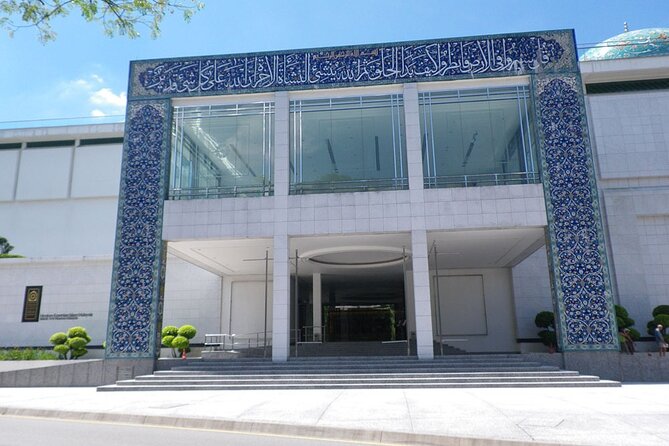
Islamic Arts Museum Malaysia
The Islamic Arts Museum introduces Islamic decorative art and its influence on Malaysian society. It is the first stop where an entry fee is specifically not included, so you should budget separately before deciding to go inside.
The museum is likely to reward a slower visit than the basic audio schedule allows. Ten minutes is enough to identify the location and hear the introduction, but not enough to properly view a substantial collection.
I see this stop as optional for a quick city circuit and more important for anyone interested in art, religion, design, or Malaysia’s cultural connections. The audio gives you a reason to visit, but the admission charge and available time are worth considering.
Taman Botani Perdana
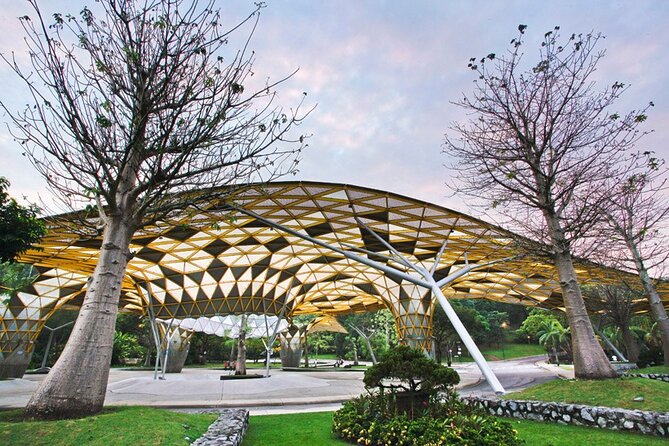
Taman Botani Perdana offers a change from buildings and traffic. The recording covers the park’s origins and botanical collections, while the setting gives you room to pause.
I like having a garden in the middle of this route. It breaks up the architecture and gives you a place to rest between indoor and outdoor sights. The ten-minute stop is enough for a quick look, but you may want more time if you enjoy plants or simply need shade and quiet.
Because the tour does not provide transport, you will need to use the map and your own local transport or walking plan between districts. The audio tells you what to notice, but it does not arrange the journey.
Kuala Lumpur Butterfly Park
The butterfly park is another paid stop. It is described as a tropical setting with thousands of butterflies and a focus on conservation and the park’s ecosystem.
This attraction may suit families and anyone who wants a nature break during a city visit. It also adds variety to a route otherwise dominated by urban sights, religious buildings, and shopping areas.
The main limitation is again the time allowance. Ten minutes is more of an introduction than a complete visit. If you pay to enter, I would schedule additional time rather than rushing through just to keep pace with the audio.
Chinatown, temples, and the old market district
Chinatown
Chinatown brings the route back into one of Kuala Lumpur’s best-known commercial and cultural areas. The audio follows the district’s development and changing role in the city.
I would use the recording as a walking companion here. The value is not only in reaching a particular building. It is in understanding how the neighborhood has changed over time and how commerce, migration, and culture shaped it.
The area can easily take more than ten minutes if you want to browse. Treat the suggested stop length as the time for the recording, not a command to leave.
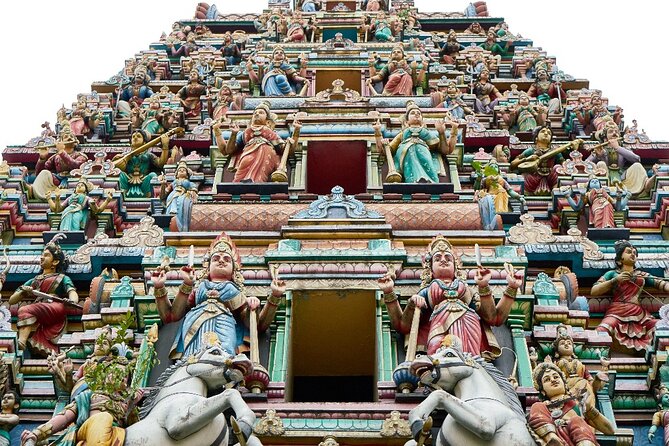
Sri Maha Mariamman Temple
Sri Maha Mariamman Temple is identified as Kuala Lumpur’s oldest Hindu temple. The guide explains its architecture and religious importance.
This stop pairs naturally with Brickfields and the Chinese temple because the route keeps showing you different religious traditions within the same capital. I appreciate that the tour does not present Kuala Lumpur only through colonial buildings and corporate towers.
The visit is free according to the tour details, but you should still behave respectfully inside any active place of worship. The audio can explain what you are seeing, while your own pace should determine how long you stay.
Central Market Kuala Lumpur
Central Market began as a wet market and later became an arts and crafts center. That change gives the stop a useful story about Kuala Lumpur’s growth and the way old commercial spaces can take on new roles.
This is one of the easiest places to combine sightseeing with shopping. You can listen to the history, look at local crafts, and decide for yourself if you want to buy anything.
The audio stop is brief, so do not expect detailed shopping advice or individual shop recommendations. Its strength is explaining why the market matters, not guiding you through every stall.
Merdeka Square and Kuala Lumpur’s colonial-era center
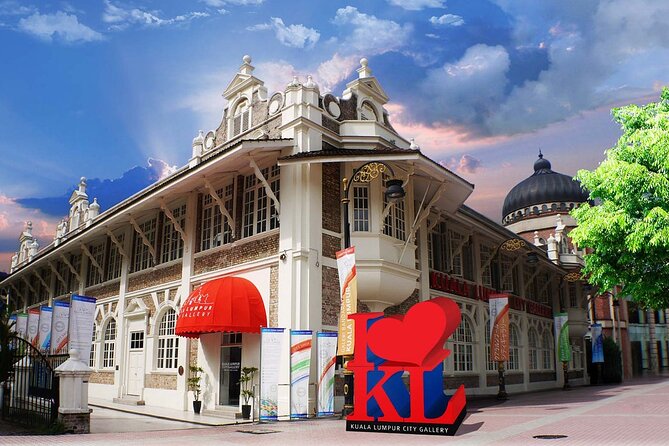
Kuala Lumpur City Gallery
The city gallery presents Kuala Lumpur’s past, current development, and future plans. It also helps explain the city’s famous landmarks and rapid urban change.
This stop works well before Sultan Abdul Samad Building and Jamek Mosque because it gives you a larger picture before you examine individual monuments. If you want to understand how a colonial administrative center became a modern capital, this is a useful link in the route.
Admission details are not listed as included, so check the current arrangements before planning a long indoor visit. The audio itself remains part of your tour access, but any attraction entry is your responsibility.
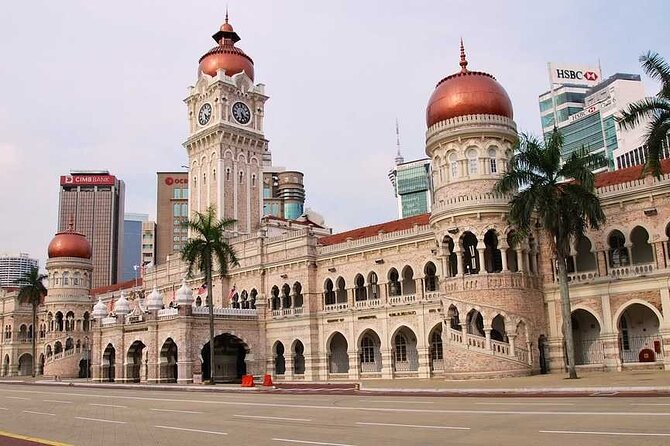
Sultan Abdul Samad Building
The Sultan Abdul Samad Building is one of Kuala Lumpur’s most recognizable examples of Moorish-style architecture. The audio covers its historical role and its connection to Malaysian independence.
This is a rewarding exterior stop because the building helps explain the city’s colonial past without requiring a long visit inside. The contrast with the Petronas Towers later in the route also makes the city’s rapid change easy to see.
You can listen from the public area and take time to study the details. Since the stop is free, it offers good value even if you are keeping the day inexpensive.
Jamek Mosque
Jamek Mosque is described as Kuala Lumpur’s oldest mosque, with Moorish and Islamic design elements. The recording explains its position in the city’s religious life.
This is a particularly useful stop for understanding how the city developed around important places of worship. It also complements the Hindu and Chinese temples earlier in the route.
As with all religious sites, follow any posted visiting rules and dress expectations. The tour details do not provide specific entry instructions, so I would check conditions on arrival rather than assume the same access applies every day.
From KLCC Park to the Petronas Twin Towers
KLCC Park
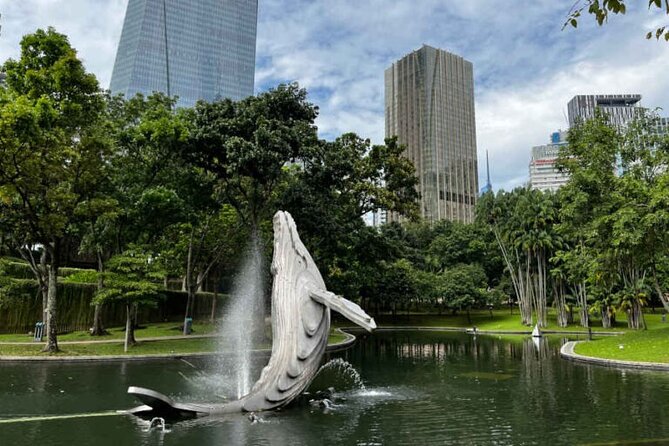
KLCC Park is an urban green space beside the Petronas Towers. The audio discusses its planning and sustainable design, giving you a chance to consider how Kuala Lumpur uses open space alongside high-rise development.
This is an excellent pause in the final part of the route. You can look up at the towers, sit for a while, and hear how the park fits into the city’s plan.
The stop is free, and you do not need to hurry through it. If your legs are tired after the older districts, this is a sensible place to take a longer break before the final landmark.
Petronas Twin Towers
The Petronas Twin Towers are the tour’s modern symbol of Malaysian development. The recording covers their design and what they represent in the country’s move toward a modern global capital.
Entry is not included, so you need to pay separately if you want to go inside or access paid areas. If you only want the exterior view, the tour still gives you useful context without adding that cost.
I would save this stop for a time when you can enjoy the towers without rushing. The ten-minute audio is only an introduction. The wider KLCC area and park can easily occupy more time, particularly if this is your first visit to Kuala Lumpur.
Is the audio quality good enough?
The content is short, basic, and easy to follow in concept. It covers the main point of each location, with attention to culture, religion, architecture, history, and urban development.
The English narration is not always smooth. One detailed assessment described the voice as coming from a non-native English speaker and found the descriptions too simple. That is a fair warning if you expect polished storytelling or the depth of a professional private guide.
You may also find the SoundCloud format awkward. The Google map is more helpful than the audio playlist because it makes the route visible and lets you select stops directly.
I would buy this for orientation, not for expert interpretation. It works best when you want a little context while exploring independently. It is less suitable if you want long stories, local conversation, personal recommendations, or someone to answer questions on the spot.
How to plan the route without rushing
Although the stated duration is about three hours, the route crosses several parts of Kuala Lumpur. You should allow time between stops and remember that the tour does not include pickup, drop-off, or transportation.
A practical approach is to split the route:
- Southern and cultural sights: Kuala Lumpur Sentral, Brickfields, Thean Hou Temple, the Islamic Arts Museum, Taman Botani Perdana, and the Butterfly Park.
- Old central Kuala Lumpur: Chinatown, Sri Maha Mariamman Temple, Central Market, Kuala Lumpur City Gallery, Sultan Abdul Samad Building, and Jamek Mosque.
- Modern Kuala Lumpur: KLCC Park and the Petronas Twin Towers.
The links remain valid for up to six days, so this split is allowed. You can also skip paid attractions and focus on free exterior sights, which improves the value if you are keeping expenses low.
Before starting, download or bookmark the email, open the SoundCloud page, test the audio, and load the Google map. That small preparation can save you from standing on a street corner trying to make a playlist behave.
Who gets good value for $9?
I think the price is fair for an independent visitor who wants a simple introduction and does not need a live guide. The map alone can help organize a large group of sights, and the audio gives you more context than walking with no preparation.
The value is weaker if you expect detailed research, natural narration, or a polished app. The information is basic enough that some public signs and street boards may cover similar ground, especially around the older central landmarks.
The tour suits solo visitors, couples, and private groups who want full control. It also suits people with changing schedules because you choose the start point, end point, pace, and order.
It is less suitable for anyone who wants transportation included, a tightly managed walking route, or guaranteed access to every paid attraction. The $9 price does not cover entry fees, and the non-refundable policy means you should be confident about your dates before booking.
Should you book this Kuala Lumpur audio tour?
Book it if you want a low-cost framework for seeing many sides of Kuala Lumpur: Indian Brickfields, Chinese and Hindu temples, Islamic art, colonial buildings, green parks, Chinatown, and the Petronas Towers.
I would not book it as your only source of information if you care deeply about history or expect rich narration. Use it as a flexible starting point, open the map before you leave, and spread the 14 stops over several days if you want to enjoy them properly.
At $9, the tour earns its keep through flexibility more than through exceptional audio. If that is what you need, it is a reasonable buy. If you want depth and personal guidance, spend your budget on a live guide instead.
FAQ
How long does the Kuala Lumpur self-guided audio tour take?
The tour is listed as taking approximately three hours. The 14 audio stops are each planned for about ten minutes, but you should allow extra time for transportation, paid attractions, shopping, and breaks.
Where does the tour start and end?
You choose both the starting point and ending point. The tour does not require a fixed meeting location because it is self-guided.
What do I receive after booking?
You receive a private SoundCloud link for the audio guide and a private Google My Maps link showing the 14 attractions. The links are sent by email before your selected starting time.
How long do the access links remain valid?
The private access links remain valid for up to six days. You can use that flexibility to split the route across several outings.
Are admission fees included?
No. Entry fees are not included where they apply. The Islamic Arts Museum Malaysia, Kuala Lumpur Butterfly Park, and Petronas Twin Towers are specifically identified as attractions where admission is not included.
Is transportation included?
No. Pickup, drop-off, and transportation between locations are not included. You use the map to plan your route and arrange movement between stops yourself.
Just added around the world
- Coba Ruins: Self-Guided Walking Audio Tour in Mexico★ 3.5 · 2 reviews
- Self Guided Driving Audio Tour of Saguaro National Park★ 3.0 · 4 reviews
- Torino Walking Tour with Audio and Written Guide by a Local★ 4.5 · 35 reviews
- Self-Guided Audio Driving Tour of Mount Lemmon★ 5.0 · 4 reviews
- Trondheim’s Inner Circle: A Self-Guided Audio Tour★ 4.0 · 15 reviews
- A Tromsø Introduction: A Self-Guided Audio Tour★ 3.5 · 19 reviews
- Panorama Bus Tour with Audio Guide★ 4.0 · 3 reviews
- Saguaro National Park Self-Guided Audio Tour★ 3.5 · 11 reviews
Self-Guided Tours, compared.

Acropolis Ticket & Optional Self-Guided Audio Tours
Read our review →


Ultimate Acadia National Park Self-Guided Driving Audio Tour
Read our review →

Santorini: Akrotiri Ticket with Optional Self-Guided Audios
Read our review →