
REVIEW · NEW ORLEANS AUDIO TOURS
Explore New Orleans: Self-Guided Audio Tour
New Orleans tells stories at every corner. This self-guided audio tour links wartime history, Gulf Coast wildlife, Southern food, Catholic heritage, slavery, Bourbon Street, and traditional jazz in one city walk. I like the freedom to set my own pace and the wide range of subjects, from a Higgins boat at the National WWII Museum to live jazz at Preservation Hall. The main catch is that the audio directions can be hard to download and follow.
At $15.90, this is a low-cost way to get organized commentary without paying for a private guide. You should know that admission fees, transportation, food, drinks, and an audio device are not included. The suggested route also covers a lot of ground, so completing every stop in two to three hours may feel rushed.
Key things to know before you go
- Seven very different stops: The route moves from the National WWII Museum and Audubon Aquarium to Bourbon Street and Preservation Hall.
- Your phone is the guide: Audio files and a GPS map are included, but you must download them before setting out.
- Admission costs are extra: The price covers the self-guided audio experience only, not museum, aquarium, cathedral, or music entry.
- A flexible route: You may choose your own starting and ending points, though starting at Stop 1 makes the directions easier to manage.
- English only: Commentary is offered only in English, with no physical guide supplied.
- A practical warning from the route itself: The nominal timing gives each stop about 15 minutes, but several places deserve much longer if you enter.
What this New Orleans audio tour is really like
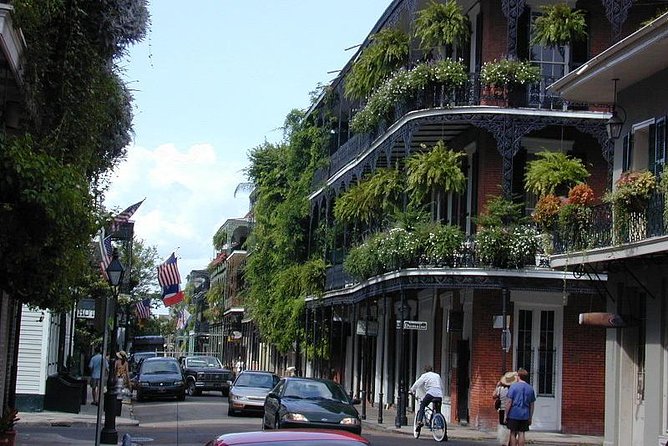
This is best understood as a GPS walking companion, not a full museum tour or guided excursion. You receive audio files and a map, then move between seven points around New Orleans on your own schedule.
The route begins at the National WWII Museum, listed at 945 Magazine Street, and ends near Memorial Park Drive. Yet the experience is self-guided, so you can begin elsewhere and finish where it suits you. That flexibility sounds useful, but the route directions are easier to manage if you begin with Stop 1 and follow the numbered sequence.
The supplied timing gives roughly 15 minutes to each stop. That works for standing outside, getting the main story, and moving on. It does not work as well if you want to visit the National WWII Museum, explore the aquarium, attend a Preservation Hall performance, or spend time inside the Southern Food and Beverage Museum.
I would treat the two to three hours as a basic listening route, not a complete day of sightseeing. The audio gives you a framework. Your own choices determine how much time you spend at each place.
More Self-Guided Audio Tours in the USA
- Gettysburg Battlefield Self-Guided Driving Audio Tour
★ 4.5 · 910 reviews - Joshua Tree National Park Self-Guided Driving Audio Tour
★ 4.5 · 762 reviews - Ultimate Acadia National Park Self-Guided Driving Audio Tour
★ 4.0 · 521 reviews
The National WWII Museum opens the story
The first stop gives the tour a strong start. The National WWII Museum is known for major wartime exhibits, including a Higgins boat, a British Spitfire aircraft, and a German Sherman tank.
The Higgins boat is especially important. This landing craft carried Allied troops toward the beaches during the Normandy landings, so it connects an ordinary-looking boat with one of the best-known operations of the Second World War. The Spitfire adds a British perspective, while the Sherman tank brings the machinery of ground combat into view.
The audio stop is listed at 15 minutes, and admission is not included. That means you have a choice: listen from outside and continue, or pay separately and allow much more time for the museum. I would not try to do a full museum visit inside the tour’s two to three hour estimate. The museum alone can easily become the main event of your day.
This stop suits you if you like historical context before moving into the city’s other stories. It also gives the route more substance than a simple French Quarter stroll.
Audubon Aquarium connects the city to its waters
The second stop shifts from war to wildlife and the waterways that shape New Orleans. Audubon Aquarium presents more than 10,000 animals from North and South America, with four main areas focused on the Mississippi, the Amazon, the Caribbean, and the Gulf of Mexico.
The Mississippi section is a natural fit for New Orleans. The river is not just a backdrop to the city. It has influenced trade, settlement, food, transport, and the city’s place in the wider region. The Amazon area adds piranhas, while the Caribbean exhibit broadens the picture beyond Louisiana.
The Gulf of Mexico section has a particularly serious purpose. Life beneath an Oil Rig looks at marine life around offshore structures and gained added importance after the BP oil disaster. The Audubon Institute helped coordinate cleanup work after the spill, and the aquarium served as a base for volunteers.
That context gives the stop more weight than a simple list of colorful animals. You get a chance to consider both the Gulf’s beauty and the pressures placed on it.
Again, admission is extra, and 15 minutes is only enough for a quick introduction. If aquariums are a major interest for you, plan a separate visit and ignore the tight audio schedule.
Southern Food and Beverage Museum explains what goes on the plate

New Orleans food needs more than a quick restaurant recommendation. The Southern Food and Beverage Museum looks at the eating and drinking traditions of the Southern United States, a natural subject in a city famous for its restaurants.
The exhibits are eclectic. One focuses entirely on Elvis and his love of food, while other displays examine Southern culinary culture. The museum also offers courses connected with beer and wine making and sometimes hosts guest chef demonstrations.
This stop adds a useful cultural layer to the route. Food here is not treated only as fuel or entertainment. It becomes a way to understand regional habits, ingredients, businesses, and personalities.
The audio schedule allows 15 minutes, and admission is not included. That is enough to hear the main explanation and decide if the museum deserves your time. I would give it longer if you want to read exhibits or attend a course or demonstration, since those activities are separate from the audio tour and may not be happening during your visit.
Same place, a different route to walk:
- Los Angeles: Hop-On Hop-Off Bus Tour with Audio Guide
★ 3.7 · 2,030 reviews - City Sightseeing Hop-On Hop-Off Bus Tour with Audio Guide
★ 3.0 · 1,083 reviews - Medieval Torture Museum Ticket with Audio Guide and Ghost Hunting
★ 5.0 · 962 reviews - San Francisco: Alcatraz, Ferry & Audio Tour w/ Night Option
★ 4.4 · 617 reviews
St. Louis Cathedral anchors Jackson Square
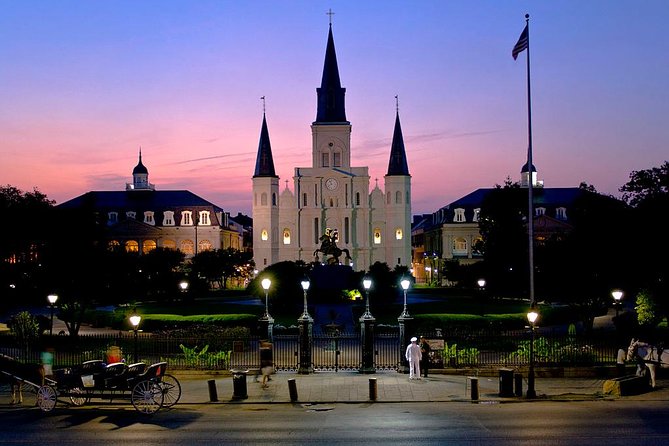
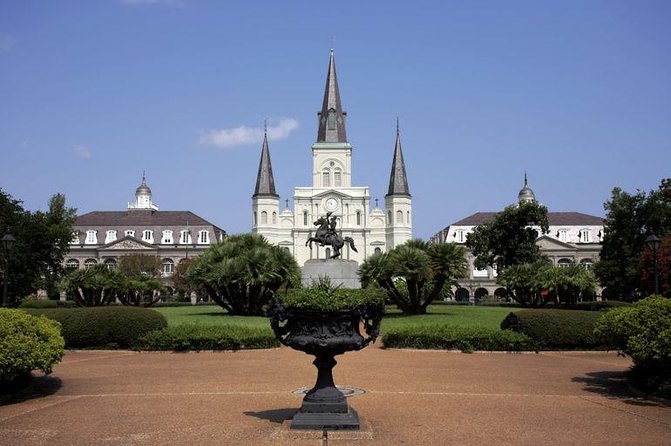
St. Louis Cathedral is one of the clearest visual markers in the French Quarter. It overlooks Jackson Square and is described as the oldest Roman Catholic cathedral of its kind in the United States.
The site has held three Roman Catholic churches since the area was first colonized. The current version was completed in 1850, giving the building a long connection with New Orleans worship and public life.
This is a good stop for understanding how the French Quarter developed. The cathedral is not simply a photogenic building in a square. Its history reflects the city’s colonial beginnings and its enduring Catholic identity.
The listed audio time is 15 minutes, with admission not included. You can listen, admire the exterior, and continue, or check separately if you want to enter. The tour does not promise admission, a church service, or a guided interior visit, so keep your expectations focused on the audio commentary and the site itself.
LaLaurie Mansion brings a darker chapter
The LaLaurie Mansion stop deals with slavery and alleged abuse in the American South through the story of Madame LaLaurie, a New Orleans socialite associated with the torture of enslaved people.
A fire at the mansion exposed evidence of abuse when residents went to rescue the enslaved people inside. News spread, and a mob attacked the building. LaLaurie is thought to have fled to Paris, where she later died, although the details of her final life were never verified.
The building later remained in ruins before restoration from an unknown source in 1888. It was then used for several local services, including a school and a library.
This is a difficult stop, and it should be treated with care. The story is dramatic, but the subject is not entertainment. The audio offers a way to place the mansion within the larger history of slavery, violence, and the causes of the American Civil War.
The route allows about 15 minutes, and there is no admission included. You will mainly be hearing the story from the outside. That makes this stop quick, but its subject may stay with you longer than some of the lighter parts of the route.
Bourbon Street shows New Orleans at its loudest
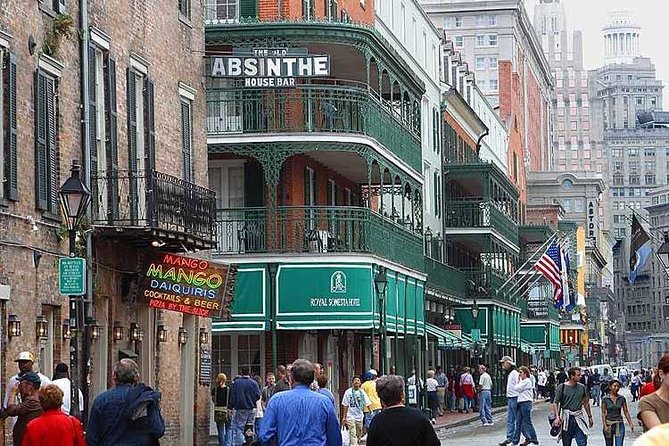
Bourbon Street is probably the most recognizable address on the route. It runs through the French Quarter and draws visitors to its bars, restaurants, gift shops, and nightlife.
The upper section is described as the busiest tourist area. This is the place for broad impressions rather than quiet reflection. You can hear the audio, look at the street scene, and decide how much time you want to spend among the businesses and crowds.
Unlike the other stops, Bourbon Street has no admission fee. That makes it easy to include even if you are watching your budget. Still, free does not mean effortless. The street can be noisy and distracting, which may make listening to phone audio harder.
I would use this stop as a short pause rather than expecting the audio to explain every part of the French Quarter. The route gives Bourbon Street a place in the city story, while your own experience supplies the sights, sounds, and atmosphere.
Preservation Hall ends with traditional jazz
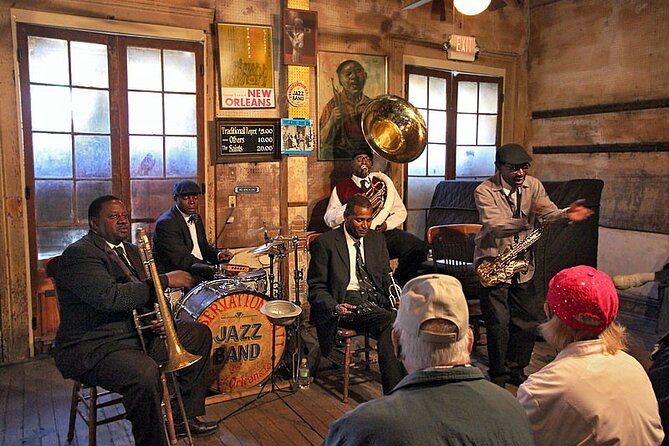
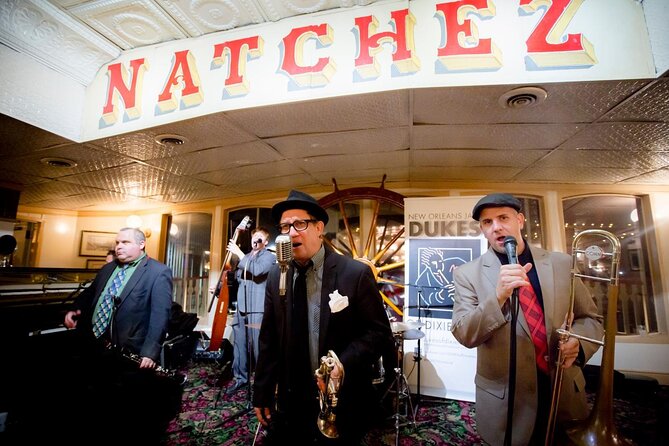
The final listed stop is Preservation Hall, a fitting place to finish a New Orleans route. The hall is dedicated to preserving traditional jazz, and its house band carries that music to audiences both in New Orleans and elsewhere in the United States.
Performances in New Orleans often sell out. The audio stop itself does not include admission, so do not assume the $15.90 price gets you into a concert. If you want to attend a performance, check separately and plan around the schedule.
This stop explains why traditional jazz remains important to the city. It also gives the route a strong closing idea: New Orleans is not only a place where music happened in the past. It is a place where musicians and institutions continue to keep an old style in public view.
The 15-minute audio window is enough to understand Preservation Hall’s role. It is not enough to experience a full performance, so think of the tour as preparation for a separate music outing.
The $15.90 price: good value with clear limits
At $15.90 per person, the price is modest for a city orientation. You get audio files and a GPS map, and you can move at your own pace instead of joining a fixed group.
The value is strongest if you want a broad introduction to New Orleans and plan to choose only a few stops for longer visits. The route covers subjects that do not usually appear together: wartime equipment, river wildlife, Southern cooking, Catholic history, slavery, nightlife, and jazz.
The value drops if you expect entrance tickets or a full guided visit. You must pay separately for admission, arrange your own transportation, buy your own food and drinks, and use your own phone or audio device.
I also would not make the 31-day average booking lead time a reason to book far ahead. The important practical step is making sure the audio is downloaded and ready before you leave. One person had trouble with the downloading instructions and completed only the French Quarter portion, while another found that the information worked and gave useful explanations at the stops.
That difference tells you exactly where this experience succeeds and fails. The content can be helpful, but the setup requires patience.
How to make the route work better
Download the audio before you start. Do not wait until you are standing on a street corner, since the instructions may take time to understand.
Begin with the National WWII Museum if you want the numbered route to make sense. Although you are allowed to start anywhere, jumping between sections can make the directions confusing.
Use the 15-minute estimates as listening blocks, not strict visit limits. If you want to enter the museum, aquarium, or food museum, plan for extra time and separate admission costs.
Bring a charged phone and have the map ready. The tour is self-paced, but it is not independent of technology. If your phone, audio files, or GPS setup fails, there is no physical guide to take over.
The activity allows service animals and is near public transportation. It calls for a moderate level of physical fitness, so you should be comfortable moving between stops on foot or arranging transportation as needed. The maximum listed group size is 50, although the self-guided format means you are not following a single guide-led group.
Who should choose this experience?
I would recommend it to independent visitors who like to control the day. You can listen for 15 minutes, pause for lunch, enter a museum, skip a stop, or stop altogether without waiting for a group.
It also suits first-time visitors who want a quick map of New Orleans culture. The range of stops helps you decide what deserves a second visit, especially the National WWII Museum, Audubon Aquarium, Southern Food and Beverage Museum, and Preservation Hall.
It is less suitable if you want a personal guide, detailed directions from a human being, or included entry to attractions. It is also a poor fit if you dislike downloading files or want commentary in a language other than English.
The route may work well for families with older children, provided everyone can manage the walking and the subject matter at LaLaurie Mansion. Younger children may be more interested in the aquarium and the tank than in the longer historical explanations.
FAQ
How long does the self-guided audio tour take?
The estimated duration is two to three hours. Each of the seven listed stops is allocated about 15 minutes, but entering attractions or attending a performance will require additional time.
What is included in the price?
The price includes audio files and a GPS map. The tour is self-paced.
Are admission fees included?
No. Admission fees are not included, including entry to the National WWII Museum, Audubon Aquarium, Southern Food and Beverage Museum, St. Louis Cathedral, or any event at Preservation Hall.
Do I need my own phone or audio device?
Yes. An audio device is not included. You should download the audio file and have it ready before beginning.
Can I start the tour somewhere other than the National WWII Museum?
Yes. You choose your own starting and ending points according to your schedule. Starting at Stop 1 may make the directions easier to follow.
Is the tour available in languages other than English?
No. The experience is offered only in English.
Is transportation provided?
No. Transportation is not included. The route is near public transportation, but you must arrange and pay for your own transport.
Can I cancel for a full refund?
Yes, if you cancel at least 24 hours before the local start time. Cancellations or changes made within 24 hours are not refunded or accepted.
Should you book this New Orleans audio tour?
Book it if you want a low-cost introduction to several sides of New Orleans and are happy to manage your own phone, route, timing, and admission costs. The strongest parts are the useful range of subjects and the freedom to pause or skip stops.
Skip it if you want a polished guided walk with clear human directions and tickets included. The downloading instructions need care, and the full route can feel ambitious in only two to three hours.
My practical choice would be to use it as a flexible orientation. Download everything at home, begin with the National WWII Museum, and choose two or three major stops to explore properly. That approach gives you the best value without turning New Orleans into a race between audio prompts.
Just added around the USA
- Self Guided Driving Audio Tour of Saguaro National Park★ 3.0 · 4 reviews
- Self-Guided Audio Driving Tour of Mount Lemmon★ 5.0 · 4 reviews
- Saguaro National Park Self-Guided Audio Tour★ 3.5 · 11 reviews
- A Self Guided Audio Tour in Tombstone★ 4.0 · 11 reviews
- Catskills Scenic Byway Self-Guided Driving Audio Tour★ 4.0 · 9 reviews
- Big Bend National Park Self Guided Audio Tour Guide★ 5.0 · 12 reviews
- Self-Guided Audio Driving Tour in Catskills Scenic Byway★ 4.5 · 7 reviews
- Shiloh Battlefield Self-Guided Driving Audio Tour★ 4.0 · 9 reviews
Self-Guided Tours, compared.

Acropolis Ticket & Optional Self-Guided Audio Tours
Read our review →


Ultimate Acadia National Park Self-Guided Driving Audio Tour
Read our review →

Santorini: Akrotiri Ticket with Optional Self-Guided Audios
Read our review →
Browse the lists this tour appears in