
REVIEW · MADRID AUDIO TOURS
Madrid: Reina Sofía Museum Ticket with In-App Audio Guide
Picasso’s Guernica changes the room. This one-day ticket gives you self-paced access to Madrid’s Reina Sofía, where you can see major works by Picasso, Dalí, and Miró without joining a group. I like the freedom to move slowly through the collection, and I like the separate entrance that lets you skip the ticket-office queue. The main caution is the in-app audio guide, which requires internet access and has not worked reliably for everyone.
The museum’s former hospital setting adds character, and the permanent collection gives you a useful look at 20th-century Spanish art. At $35 per person, the ticket can be good value if you want the convenience of advance entry, but the audio guide is not the museum’s official version and may not justify the full price by itself.
Key Points to Know Before You Go
- Guernica is the main event: Picasso’s enormous anti-war painting is the work most visitors plan around, and it deserves quiet time rather than a quick glance.
- The ticket is valid for one day: You can explore at your own pace, with starting times based on availability.
- The audio guide needs internet: Bring your own headphones, and do not assume the app will be ready for immediate use after a last-minute booking.
- The permanent collection centers on 20th-century Spanish art: Picasso, Salvador Dalí, and Joan Miró are among the key names.
- The museum occupies a former hospital: The 18th-century neoclassical building gives your art visit a strong sense of place.
- The experience has a mixed satisfaction record: The museum itself is a major Madrid sight, but the ticket delivery and audio application require careful preparation.
Arriving at the Former General Hospital
The Reina Sofía sits in Madrid’s Atocha area, a lively part of the city with a major cultural feel. The museum opened in 1992 inside an 18th-century neoclassical building that once served as Madrid’s General Hospital.
That setting matters. You are not entering a purpose-built white box with no connection to the city. You pass into an old institutional building whose long corridors and large rooms give the art a serious setting. The architecture does not compete with the collection, but it gives the visit a stronger sense of place.
Your meeting point is not a traditional guide-led gathering spot. You are told to check your email for the entry tickets, then use the separate entrance for ticket holders. That makes the visit independent, but it also means you need to take responsibility for the practical details.
Check the email carefully before leaving your hotel. One person lost time because the meeting-point address was unclear, and a ticket arriving by email is not much help if you cannot find the right entrance. Keep the ticket available on your phone, and avoid deleting the message after you open it.
More Museum Audio Tours in Spain
- Madrid: Prado Museum Ticket with In-App Audio Guide
★ 3.6 · 1,154 reviews - Madrid: Archaeological Museum E-Ticket and Audio Guide
★ 4.3 · 115 reviews - Las Ventas Madrid Bullring & Bullfighting Museum with Audioguide
★ 4.5 · 106 reviews
What the $35 Ticket Actually Gives You
The price is $35 per person for one day. The basic product is entry to the Museo Nacional Centro de Arte Reina Sofía, with access to the permanent collection and a digital audio guide in Spanish, English, French, or Italian.
The separate entrance is the main practical benefit. Madrid’s major museums can draw a steady flow of visitors, and skipping the ticket-office line saves energy at the start of your visit. It does not turn the museum into a private tour, though. You still explore on your own, and the ticket does not include a human guide, hotel transportation, food, or drinks.
I see the price as reasonable for someone who values advance admission and wants to visit independently. I see less value in it if you mainly want the audio commentary. The application is an extra resource, not the official museum audio guide, and its coverage may be thin compared with the number of important works on display.
The ticket is valid for one day, not a guided session with a fixed route. That is useful if you want to spend extra time with a few paintings or take a break before returning to the collection. Check the available starting time before booking, since the activity operates according to available entry slots.
Starting with Picasso’s Guernica
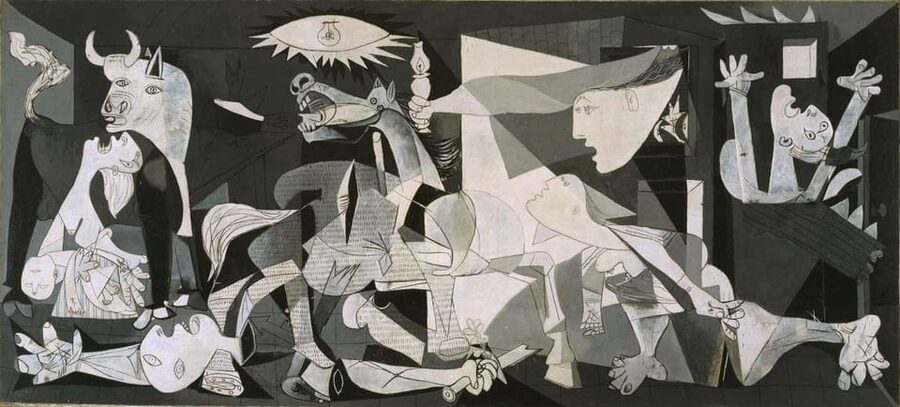
Make Guernica your first major target. Picasso’s 1937 painting is the museum’s emotional center, and its scale gives the work an impact that a reproduction cannot match.
The painting responds to the bombing of the Basque town of Guernica during the Spanish Civil War. You do not need an art degree to understand its force. The fractured bodies, distorted faces, stark black-and-white palette, and sense of panic create a work that feels both historical and immediate.
Give it time. It is easy to walk into the room, take a photograph in your mind, and move on because you have already seen the image in books. That would miss the point. Look at the repeated gestures, the figures reaching upward, and the horse at the center. The painting asks you to stay with discomfort.
The audio application may help explain the painting’s context, but do not let a malfunction ruin the visit. If the commentary does not load, Guernica remains powerful without it. You can also spend a few minutes simply looking, which is often the best way to meet a work this large and complicated.
Moving Through Picasso, Dalí, and Miró
The permanent collection is focused on Spanish art of the 20th century, so you are not getting a general survey of every period in European art. The museum is strongest when you approach it as a story about Spanish artists responding to war, politics, modern life, and changing ideas about the human mind.
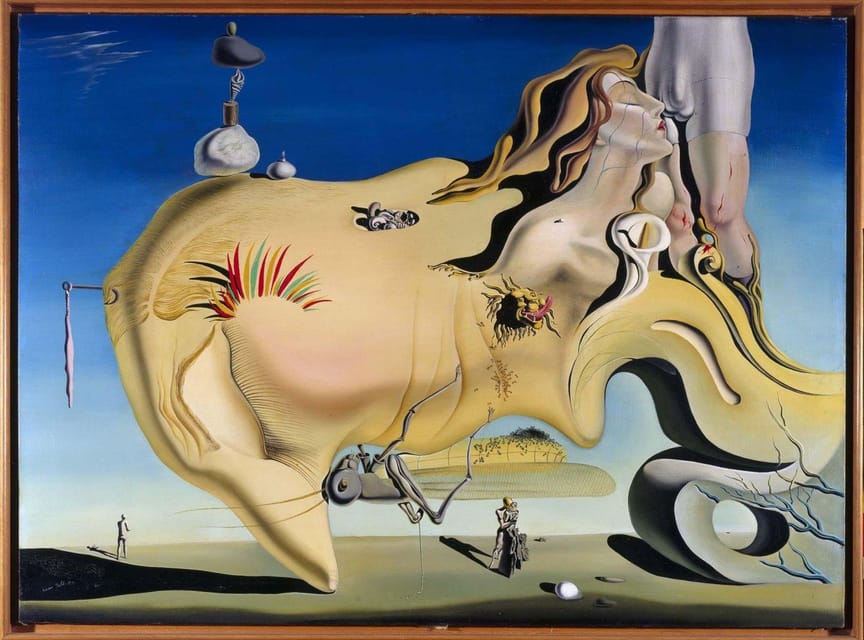
Picasso gives you the broadest emotional range, from fractured forms to political anger. Dalí brings a different mood. His Rostro del gran masturbador is strange, theatrical, and unmistakably tied to the artist’s interest in dreams and private symbolism. It is the kind of picture that can seem comic, disturbing, or baffling, sometimes all at once.
Joan Miró adds another visual language. His work tends toward signs, simplified forms, and open space rather than the dense human drama of Guernica. Seeing Picasso, Dalí, and Miró within the same museum helps you compare three very different ways of breaking with traditional painting.
The collection is not designed to please everyone. Some people will find the modern art exciting and direct. Others may find parts of it difficult, unusual, or even irritating. That is not a flaw in itself, but you should choose this museum because you want experimental 20th-century art, not because you expect a conventional collection of famous old paintings.
More Museum Audio Tours in Madrid:
- Skip-the-line entrance to the Prado Museum with Digital Audio Guide
★ 3.0 · 91 reviews - Madrid: Lázaro Galdiano Museum Entry Ticket with Audio Tour
★ 3.9 · 14 reviews - Madrid National Archaeological Museum with Audio Tour
★ 4.5 · 11 reviews - Madrid Las Ventas Bullring and Museum Tour with Audio Guide
★ 4.5 · 8 reviews
Using the In-App Audio Guide
The digital guide is available in four languages: Spanish, English, French, and Italian. It is meant to add context while you walk through the museum at your own speed.
Bring headphones. They are not included, and using a phone speaker in galleries is a poor solution for both you and everyone nearby. You also need an internet connection to access the audio content, so download or open everything before you enter if your connection allows it.
This is the weak point of the package. The guide is not the Reina Sofía’s official audio guide. It is a separate aid intended to make the visit easier, but its selection may not match the museum’s full collection. Some descriptions may refer to works that are not available during your visit, and the application does not provide a strong museum map or clear visiting direction.
I would treat it as a bonus rather than the foundation of your visit. If the application works, it can give you useful background and help you choose where to pause. If it does not, you should still have a worthwhile museum visit. You may also prefer the official museum audio guide if you want fuller coverage and a more structured route, but that is an additional cost according to the information provided.
There is another practical issue with timing. A last-minute purchase made only a few hours before entry did not allow enough time for one person to receive the audio link. Customer service later resolved that case with a refund for the unused audio portion, but the lesson is simple: book ahead if the commentary matters to you.
The Museum’s Extra Venues in El Retiro
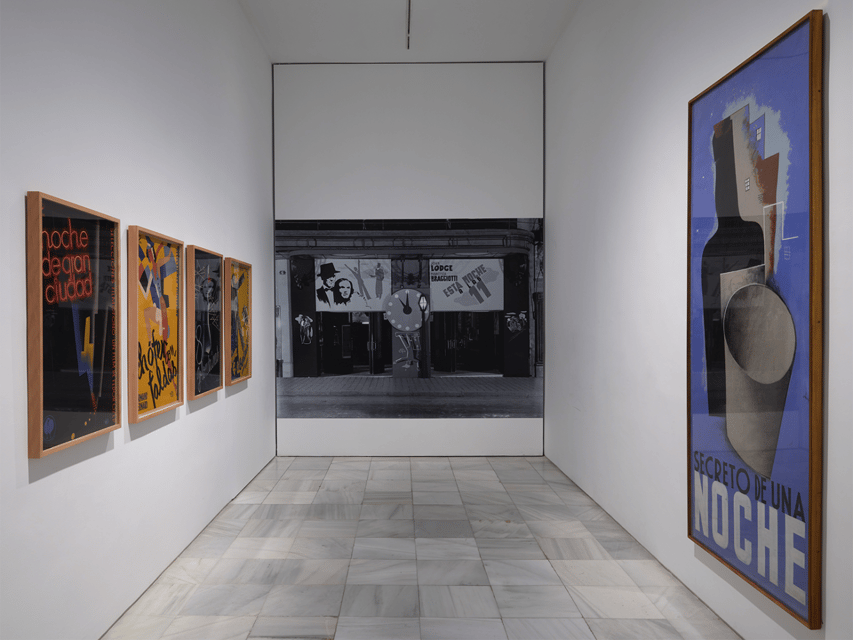
The Reina Sofía also operates two exhibition spaces in Parque de El Retiro: the Palacio de Cristal and the Palacio de Velázquez.
The Palacio de Cristal is known for its glass architecture and natural setting. It offers a very different mood from the old hospital building, with art and installations presented in a light-filled structure within the park. The Palacio de Velázquez is a historic exhibition building used for temporary shows.
These spaces complement the main museum, but you should check exactly what your ticket includes before building your day around them. The information describes them as part of the Reina Sofía’s wider group of venues, while the main ticket specifically grants entry to the museum in the Atocha area and its permanent collection.
If access is included or separately available during your visit, the two park buildings can add variety. If not, the main museum still gives you the core Reina Sofía experience. Do not assume that every temporary exhibition or branch venue is covered simply because it carries the same museum name.
How Much Time Should You Allow?
The ticket is valid for one day, but no fixed visit length is provided. Your ideal time depends on how closely you look and how much modern art you normally enjoy.
I would plan enough time to see Guernica, Dalí’s Rostro del gran masturbador, and the surrounding rooms without rushing. Add more time if you want to work through a larger portion of the permanent collection or use the audio guide.
The self-paced format is useful here. You can move quickly through pieces that do not speak to you, then stop for ten minutes at a work that catches your eye. A group tour would give you structure, but it would also force you to follow someone else’s rhythm.
The lack of a clear app-based route is the trade-off. You may need to rely on museum signs and your own judgment. That can feel disorganized at first, but it also leaves room for a personal visit rather than a checklist.
Accessibility and Booking Details
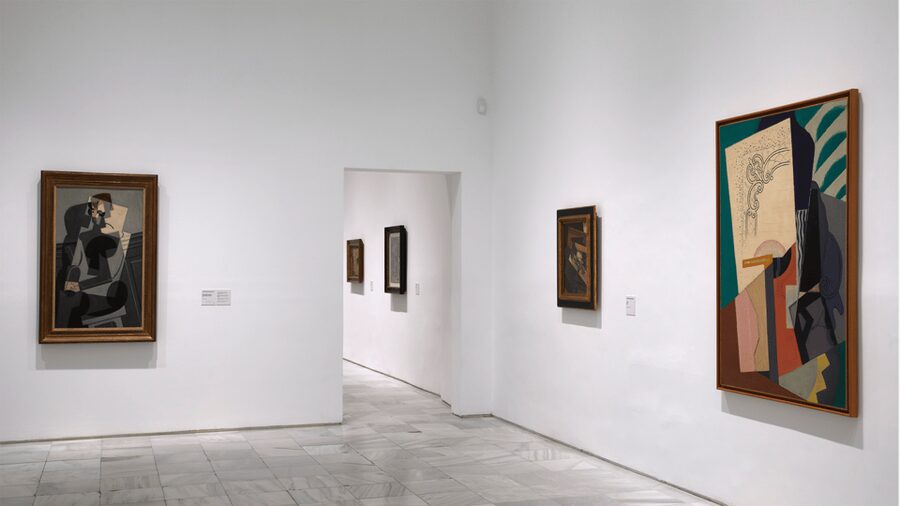
The museum is wheelchair accessible. Hotel pickup and drop-off are not included, so you make your own way to the Reina Sofía in the Atocha area.
Entry tickets are scheduled to arrive by email the day before the visit. That timing is worth noting if you are organizing several museum days or traveling without dependable internet. A purchase made shortly before entry may not deliver every part of the package in time.
The booking terms allow free cancellation up to 24 hours in advance, and you can reserve now and pay later. Those terms are useful if your Madrid plans are still shifting, but they do not solve a same-day ticket or audio-link problem.
Who Will Enjoy This Reina Sofía Visit?
I would recommend this experience to you if you want to see Guernica, prefer exploring without a group, and like the idea of choosing your own pace. It also suits visitors who already know that 20th-century Spanish art is their main interest.
It is a good fit for an independent museum visit, especially if skipping the ticket-office line matters to you. The building, the permanent collection, and the chance to compare Picasso, Dalí, and Miró provide plenty of substance without a formal guide.
I would be more cautious if you need a dependable, fully structured audio tour. The application requires internet, excludes headphones, and may have limited or mismatched content. Families or first-time modern-art visitors may prefer a clearer official guide, though the ticket still gives you freedom to keep the visit short if the art is not holding your attention.
The overall rating is 3.1 out of 5, which fits the package well. The museum itself is a major cultural stop, but the digital extras and ticket communication are less dependable than the headline description suggests.
Should You Book the $35 Ticket?
Book it if your priorities are Guernica, independent exploration, and skipping the ticket-office queue. Download or check the audio link early, bring headphones, and confirm the entrance details in your email.
Do not book it solely for the in-app guide. The commentary is unofficial, internet-dependent, and not as complete or well organized as the museum’s own guide may be. At $35, the value comes mainly from admission and convenience.
My practical call: this is a worthwhile Reina Sofía entry option for a prepared visitor, but not a flawless all-in-one museum package. Go for the art, use the audio if it works, and keep your expectations realistic.
FAQ
Where is the Reina Sofía Museum located?
It is in Madrid’s Atocha area, in the Community of Madrid, Spain.
What does the ticket include?
It includes entry to the Museo Nacional Centro de Arte Reina Sofía and access to the permanent collection, along with a digital audio guide.
Is the audio guide the museum’s official guide?
No. It is an additional resource supplied for the visit, not the museum’s official audio guide.
Which languages are available for the audio guide?
The audio guide is available in Spanish, English, French, and Italian.
Do I need an internet connection?
Yes. An internet connection is required to access the audio content.
Are headphones included?
No. You need to bring your own headphones.
How long is the ticket valid?
The ticket is valid for one day.
Can I skip the ticket-office line?
Yes. The ticket provides access through a separate entrance that skips the ticket-office line.
Is the museum wheelchair accessible?
Yes. The experience is described as wheelchair accessible.
When will I receive my entry ticket?
The entry ticket is scheduled to arrive by email the day before the visit.
Just added around Madrid
- Self-Guided Audio Tour – Cervantes Literary Experience in Madrid★ 4.0 · 6 reviews
- Self Guided Tours Madrid With 100 Captivating Audio Stories★ 5.0 · 2 reviews
- Royal Palace of Madrid Entry Ticket with Audioguide★ 3.0 · 68 reviews
- Self-Guided Audio Tour – Ghosts of Madrid: History and terror★ 3.5 · 9 reviews
- Skip-the-line entrance to the Prado Museum with Digital Audio Guide★ 3.0 · 91 reviews
- Madrid National Archaeological Museum with Audio Tour★ 4.5 · 11 reviews
- Madrid Las Ventas Bullring and Museum Tour with Audio Guide★ 4.5 · 8 reviews
- Manzanares River’s Story: A Self-Guided Audio Tour in Madrid★ 5.0 · 8 reviews
Museums, compared.
Uffizi Priority Ticket & Masterpieces Audio App
Read our review →
Louvre Museum Hosted Entry and Mona Lisa Audioguide
Read our review →
St. Mark Basilica Ticket, Audioguide+History Gallery
Read our review →
Borghese Gallery Skip-the-Line Ticket & Audioguide
Read our review →
Borghese Gallery Ticket + Audioguide or Guided Tour
Read our review →
Orsay Museum Entry Ticket and Digital Audio Guide App
Read our review →
Uffizi Gallery Timed Entry Ticket & Audio Guide
Read our review →
Acropolis Museum Ticket with optional Audio Guide
Read our review →Browse the lists this tour appears in