
REVIEW · AMSTERDAM AUDIO TOURS
Amsterdam: Museum of the Canals Ticket with Audio Guide
Amsterdam’s canals tell the city’s story. I like the beautiful 17th-century canal house and the way the multimedia exhibition explains why the waterways shaped Amsterdam’s growth, trade, and daily life. The included audio tour, offered in nine languages, also lets you take the experience at your own pace.
The main drawback is presentation. One recent assessment called the animation dated for 2026, so you may find the technology less polished than expected for the $22 price. Still, if you want context before a canal cruise or a walk along the Herengracht, this is a useful and easy-to-fit-in museum stop.
Key points about the Museum of the Canals
- A 400-year story in one canal house: The museum traces Amsterdam’s past and present through the waterways that organize the city.
- Classical rooms add atmosphere: You explore a 17th-century home on the Herengracht, not a plain modern gallery.
- Multimedia explains the big picture: The presentation connects canal building with movement, urban growth, and the lives of Amsterdam’s inhabitants.
- Audio support is broad: Dutch, English, German, French, Spanish, Italian, Russian, Japanese, and Chinese are available.
- Temporary exhibitions are included: Your ticket covers both the permanent display and any temporary exhibition on show.
- Good for a one-day plan: The ticket is valid for one day, and the museum can work well before or after other central Amsterdam sights.
Why Amsterdam’s canals deserve their own museum
Amsterdam is easy to recognize from its canals, but recognition is not the same as understanding. You can photograph the water, cross a humpback bridge, and admire the narrow houses without knowing why the canal belt was created or why it remains so important.
This museum gives you that missing framework. Its central idea is simple: the canals are not just pretty waterways. They helped move people and goods, shaped the city’s growth, and continue to affect how Amsterdam works.
I like that the museum uses the canals as its main subject instead of treating them as a decorative backdrop. You get a clearer sense of Amsterdam as a planned city, one built around water and movement.
The experience reaches back roughly 400 years, connecting the city’s past with its present and future. That broad time span matters because it keeps the visit from feeling like a single historical snapshot. You are encouraged to think about why the canals mattered then and why they still matter now.
More Museum Audio Tours in the Netherlands
- Amsterdam Van Gogh Museum with Audio or Guided Tour
★ 4.0 · 266 reviews - Van Gogh Museum Skip the Queue with Audio Guide
★ 4.0 · 261 reviews - Van Gogh Museum Amsterdam Entry with Optional Audio Guide
★ 4.0 · 111 reviews
Entering the 17th-century house on the Herengracht
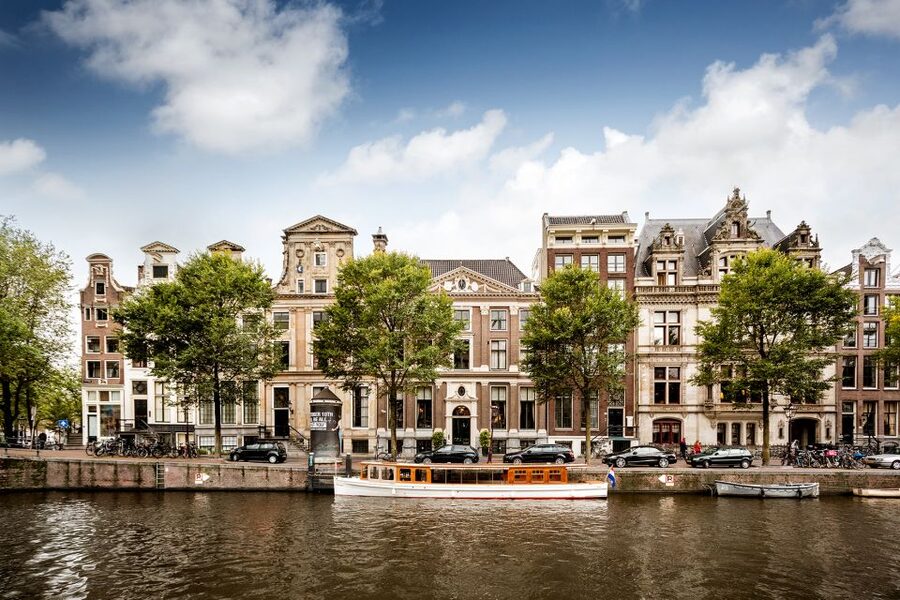
The setting is one of the strongest reasons to visit. The Museum of the Canals occupies a 17th-century canal house on the Herengracht, one of Amsterdam’s best-known central canals.
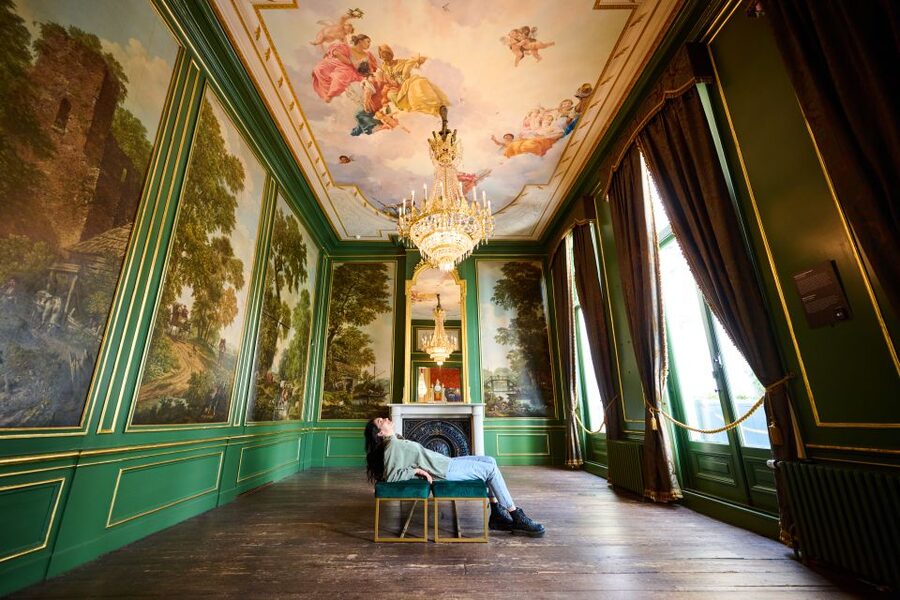
The classical period rooms give the visit a physical sense of place. Instead of learning about Amsterdam’s waterways in an anonymous exhibition hall, you are standing inside the kind of canal-side building that forms the city’s famous streetscape.
That setting helps bridge the gap between the city outside and the story inside. Before or after your visit, you can look at the Herengracht with a sharper eye. The canal house is part of the lesson, not merely a convenient address.
The period rooms may appeal most to you if you enjoy architecture and interiors. They also give the museum a calmer, more traditional feel, while the multimedia presentation supplies the modern interpretive layer.
Do not expect a vast palace or a full day of rooms. The available information describes a museum visit in a historic house, with permanent and temporary exhibitions. Its appeal comes from the combination of location, subject, and presentation rather than sheer size.
How the multimedia presentation explains the city
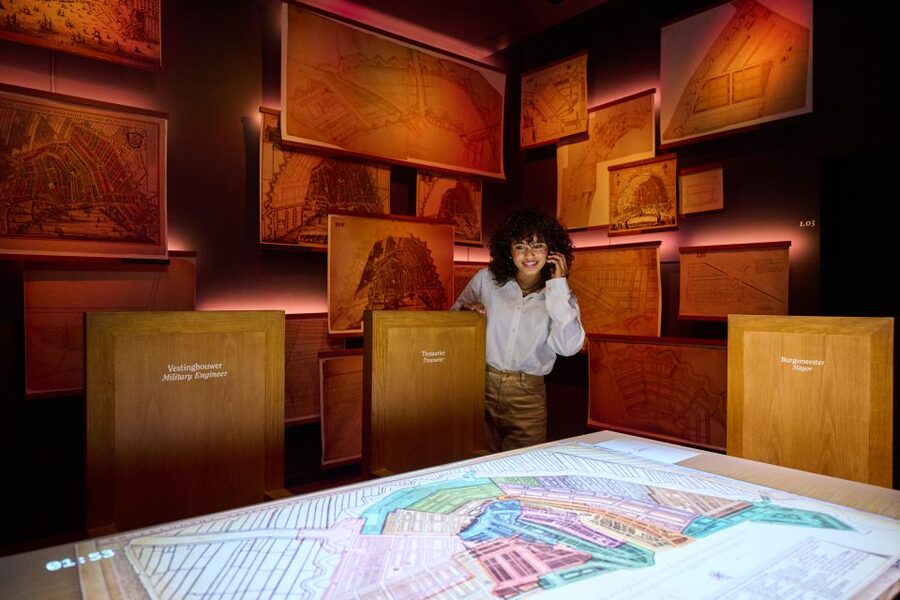
The multimedia exhibition is designed to show how Amsterdam developed through its canals. It focuses on the evolution of the city and the role of the waterways in moving inhabitants and shaping urban life.
That approach is helpful because canal history can otherwise become a string of dates and construction facts. Here, the subject is tied to practical questions: Why were the canals needed? How did they support the city? Why do they remain central today?
I would pay close attention to the links between the water and movement. The exhibition is not only about canal engineering. It is also about how the waterways helped people and goods circulate through Amsterdam.
The museum also asks you to think ahead. Its subject includes the importance of the canals for the future, not just their role in the past. That gives the visit a useful present-day angle, although the supplied details do not identify specific future projects or modern solutions.
There is one fair warning about the technology. A recent rating described the animation as old-fashioned for 2026 and felt that the price-to-quality balance was weak. You should therefore come for the explanation and setting first, and treat the multimedia as a supporting tool rather than the main reason to pay $22.
The permanent exhibition and temporary displays
Your admission includes the permanent canal exhibition and temporary exhibitions on display. That makes the ticket more useful than a single-theme presentation if a temporary show catches your interest.
The permanent display is the anchor. It explains the city through its canals and provides the basic context you need. The temporary exhibitions may change the emphasis from one visit to the next, so you should check what is currently on display if that matters to your decision.
Because the ticket is valid for one day, you have some flexibility around the timing of your museum stop. The available information does not give a fixed visit length or a detailed room-by-room sequence, so I would avoid building a tightly timed schedule around it.
A practical plan is to place it alongside other central Amsterdam activities. The museum is in the city center, and the Herengracht setting makes it especially easy to connect with a walk along the canal belt. You can use the museum to give meaning to what you see outdoors, rather than treating the indoor visit as an isolated stop.
More Museum Audio Tours in Amsterdam:
- Van Gogh Museum with Audio Guide
★ 3.5 · 80 reviews - Van Gogh Museum Ticket with Audio Guide and Unlimited Access Time
★ 5.0 · 25 reviews - Houseboat Museum Amsterdam Self Guided Audio Tour
★ 5.0 · 3 reviews - Florence: Uffizi Priority Ticket & Masterpieces Audio App
★ 4.2 · 6,402 reviews
Using the included audio tour
The audio guide is included, which is important because the museum’s subject benefits from explanation. Without some background, the canal houses and waterways can remain attractive but vague.
The audio guide is available in Dutch, English, German, French, Spanish, Italian, Russian, Japanese, and Chinese. That broad choice is one of the ticket’s practical strengths, especially if you prefer listening in your strongest language.
The host or greeter languages are Dutch and English. The wider language list applies to the audio guide, not necessarily to personal assistance at the entrance.
I like the control an audio tour gives you. You can listen at your own pace and spend more time with sections that interest you. It also avoids the need to join a scheduled group explanation.
At the same time, an audio guide is only as useful as its content and delivery. If you prefer lively interaction with a guide, this may feel quiet and self-directed. The available information does not identify individual guides, so you should not expect a named personal tour leader.
What the $22 ticket delivers
At $22 per person, the museum is priced above a quick pop-in, so value depends on how much context you want. You are paying for entry to a historic canal house, access to the permanent and temporary exhibitions, and the audio tour.
I think the price makes the most sense for you if Amsterdam’s urban design, architecture, or canal system is a real interest. The visit gives you a framework that can improve the rest of your time in the city.
The value is less certain if you only want a short look at old interiors. The museum’s main purpose is interpretation, and the presentation has received a fair criticism for feeling dated. If you expect cutting-edge animation, you may feel the ticket is expensive.
A strong way to judge the cost is to ask what you will do with the information afterward. If you plan to walk the canals, take a boat ride, or spend time studying the canal houses, the museum can make those activities more meaningful. If you are already short on time and mainly want famous views, an outdoor canal walk may suit you better.
The 4.7 rating from 150 ratings suggests that the experience works well for many people, while the lower assessment is a useful reminder not to confuse a high overall score with flawless production. The museum’s strongest assets are its subject and historic setting. Its weakest point may be the age of parts of the presentation.
Who will get the most from this visit
I would recommend the museum to first-time visitors who want a clear explanation of Amsterdam’s layout and development. It is also a good choice for anyone who likes architecture, urban planning, local history, or historic houses.
Families may find the multimedia format easier to follow than a room full of written panels, though the supplied information does not specify child-focused activities. If you are bringing children, the canal theme offers a simple question to frame the visit: how did water help a city grow?
The museum can also suit you if you have already seen Amsterdam’s canals but want more meaning behind them. The permanent display connects familiar sights with the forces that shaped them.
I would be more cautious if your priority is a cutting-edge museum production. The dated animation criticism matters, particularly because the ticket costs $22. You may still appreciate the historical setting and audio content, but keep your expectations realistic.
Practical planning for your day
The ticket is valid for one day, with starting times dependent on availability. That gives you flexibility, but you should check the available time before building the rest of your schedule.
Free cancellation is available up to 24 hours in advance for a full refund. You can also reserve now and pay later, which may help if your Amsterdam plans are still changing.
The museum is wheelchair accessible. Food and drinks are not included, so plan to eat separately rather than treating the visit as a combined meal and attraction.
Since the museum is in the city center, it fits naturally into a day of walking. The provided information does not give transport details, group size, or a required visit length, so I would leave some breathing room around the entry time.
A particularly sensible sequence is to visit the museum before spending time along the canals. That way, the waterways outside become examples of the story you have just heard. You can also reverse the order if you first want to see Amsterdam’s famous canal views and then understand them indoors.
Is the Museum of the Canals worth booking?
Book it if you want more than attractive canal photographs. The historic canal house, clear focus on the city’s waterways, multilingual audio guide, and included temporary exhibitions make this a useful cultural stop at a reasonable price for the right audience.
Think twice if you expect a polished, high-tech spectacle. The animation may feel dated, and the $22 cost can seem high if you move quickly through museums or care little about urban history.
My practical call is this: choose the Museum of the Canals early in your Amsterdam stay if you want a helpful introduction to the city. It will give your later walks and canal views more meaning. If your schedule is tight, prioritize the outdoor canals and book this museum only if the story behind them matters to you.
FAQ
Where is the Museum of the Canals located?
It is located in central Amsterdam, in a 17th-century canal house on the Herengracht.
How long is the Museum of the Canals ticket valid?
The ticket is valid for one day.
What does the ticket include?
It includes entrance to the permanent exhibition, any temporary exhibition on display, and the audio tour.
Is an audio guide included?
Yes. An audio guide is included with admission.
Which languages are available for the audio guide?
The audio guide is available in Dutch, English, German, French, Spanish, Italian, Russian, Japanese, and Chinese.
Are food and drinks included?
No. Food and drinks are not included.
Is the museum wheelchair accessible?
Yes. The Museum of the Canals is wheelchair accessible.
Can I cancel my booking?
Yes. You can cancel up to 24 hours in advance for a full refund.
Just added around Amsterdam
- Van Gogh Museum with Audio Guide★ 3.5 · 80 reviews
- Van Gogh Museum Ticket with Audio Guide and Unlimited Access Time★ 5.0 · 25 reviews
- Self Guided Tours Amsterdam With 100 Captivating Audio Stories★ 4.5 · 3 reviews
- Combo Ticket: Rijksmuseum Amsterdam & 1h Cruise with Audio Guide★ 3.0 · 83 reviews
- Self-Guided Audio Tour of The Red Light District★ 5.0 · 5 reviews
- Houseboat Museum Amsterdam Self Guided Audio Tour★ 5.0 · 3 reviews
- Self-Guided Audio Tour Holocaust Series: The Jewish Quarter★ 5.0 · 5 reviews
- Amsterdam Walking Tour with Audioguide on Your Smartphone★ 3.5 · 3 reviews
Museums, compared.
Uffizi Priority Ticket & Masterpieces Audio App
Read our review →
Louvre Museum Hosted Entry and Mona Lisa Audioguide
Read our review →
St. Mark Basilica Ticket, Audioguide+History Gallery
Read our review →
Borghese Gallery Skip-the-Line Ticket & Audioguide
Read our review →
Borghese Gallery Ticket + Audioguide or Guided Tour
Read our review →
Orsay Museum Entry Ticket and Digital Audio Guide App
Read our review →
Uffizi Gallery Timed Entry Ticket & Audio Guide
Read our review →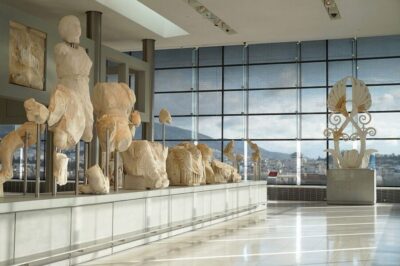
Acropolis Museum Ticket with optional Audio Guide
Read our review →Browse the lists this tour appears in