
REVIEW · NASHVILLE AUDIO TOURS
Country Music Hall of Fame Admission with Audio Guide
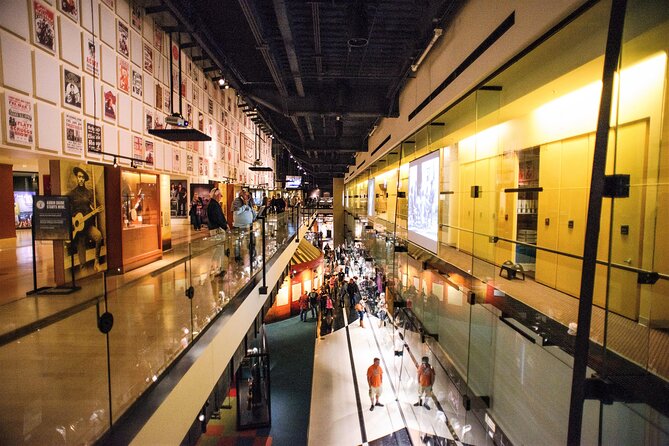
Old songs come alive here. The Country Music Hall of Fame gives you a self-guided look at country music’s past and present, with costumes, cars, instruments, films, letters, and personal objects from major performers. I especially like the freedom to move at your own pace and the audio guide in five languages, which adds stories you might miss from the display labels alone.
I also like the museum’s mix of classic stars and newer names, including displays connected with Dolly Parton and Taylor Swift. The main drawback is the sheer amount of material: you can feel overloaded, and the handheld audio device may be awkward to use while reading crowded display cases.
Key points to know before you go
- Plan on two to three hours: You can move faster, but careful readers and music fans may need about four hours.
- Use the audio guide selectively: It adds useful background, though some stops take a long time and the device can be hard to hear.
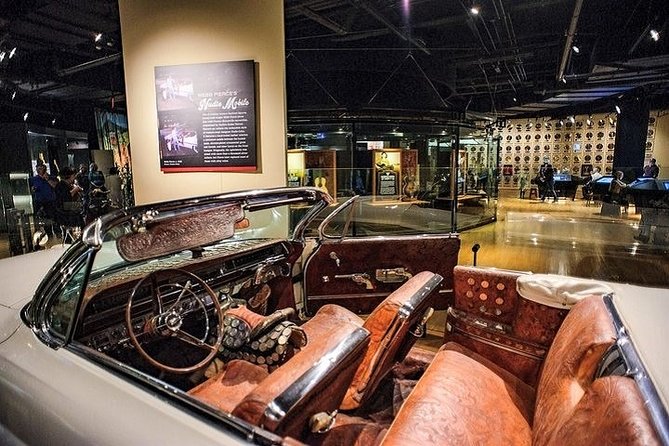
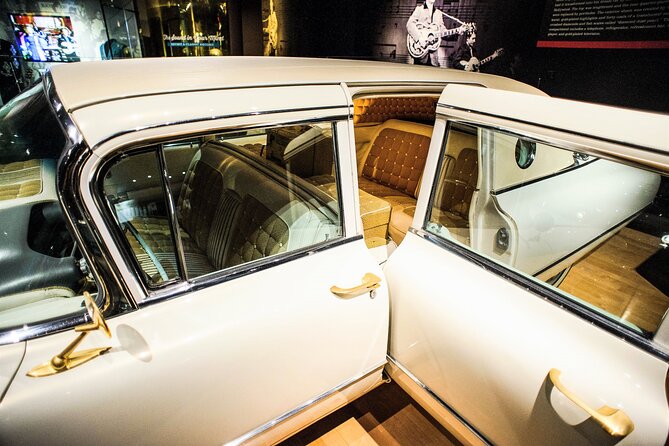
- Expect famous cars and stage clothes: Elvis Presley’s Cadillac and Nudie’s colorful cars are among the most memorable objects.
- The museum covers old and new country music: The displays reach from early performers to artists active in the last 10 to 20 years.
- Admission costs $36.95: That is a reasonable price if you enjoy music history, films, and memorabilia, but less appealing if country music is not your thing.
- Go early if you want breathing room: The museum can get crowded, especially around popular exhibits and interactive areas.
Nashville’s best starting point for country music

At $36.95 per person, this is not a quick walk-through attraction. It is a substantial museum visit, and the price makes the most sense when you give it real time.
You receive admission to the Country Music Hall of Fame and Museum, then explore on your own. There is no fixed group tour and no guide leading you from room to room. That freedom is useful because you can linger over a favorite performer, skip a display that does not interest you, or pause for a film without worrying about holding up a group.
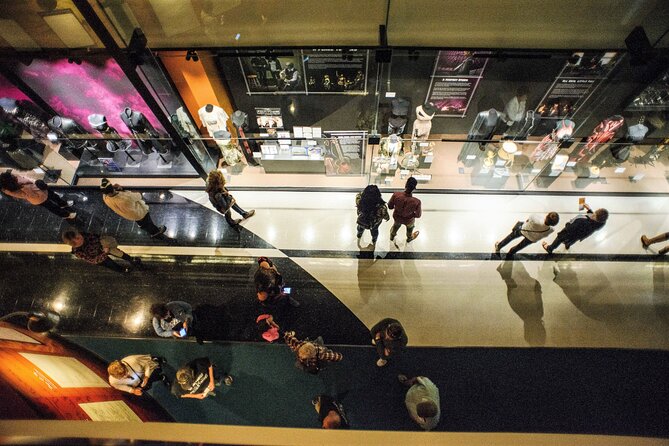
The museum works best for you if you enjoy seeing the objects behind the music. You will find stage clothing, instruments, handwritten letters, photographs, vehicles, videos, and career material. The result is more personal than a simple wall of famous names. You get a sense of how performers built public careers and how country music changed over time.
If you are mainly looking for live music, this admission does not guarantee a concert or performance. One visit included an unexpected hour-long performance, but you should not count on that when planning your day. The ticket is for the museum and audio guide.
A few more audio tours around the USA worth a look
- Los Angeles: Hop-On Hop-Off Bus Tour with Audio Guide
★ 3.7 · 2,030 reviews - City Sightseeing Hop-On Hop-Off Bus Tour with Audio Guide
★ 3.0 · 1,083 reviews - Medieval Torture Museum Ticket with Audio Guide and Ghost Hunting
★ 5.0 · 962 reviews
What you see inside the Country Music Hall of Fame
The museum’s main strength is variety. One case may hold a famous costume, while another explains a songwriter’s work or shows how a particular instrument shaped a recording. This makes the visit easy to personalize.
The collections include both professional and personal material. You might spend several minutes looking at stage clothes, then move to letters, instruments, cars, or video clips. Some exhibits tell a performer’s story in broad strokes, while others focus on a particular recording period or career moment.
The cars are a major draw, even for people who do not know every country performer. Elvis Presley’s Cadillac is a memorable centerpiece, and Nudie’s cars provide plenty of visual drama. These objects help break up the reading and give the museum a few big, instantly recognizable sights.
The display also reaches beyond the older stars. Areas connected with Dolly Parton and Taylor Swift add a more current feel, while material from the last 10 to 20 years keeps the museum from becoming only a tribute to country music’s early decades.
That range is important. If your knowledge stops with classic country, you can learn about newer performers. If you mainly listen to current artists, you will get a clearer picture of the musicians and traditions that came before them.
Still, the coverage cannot satisfy every personal favorite. Some performers receive more attention than others, and the displays change over time. If you are visiting mainly for one specific artist, check the current exhibits before you book if that is possible.
How the audio guide changes the visit
The audio guide is included with the admission and is available in English, French, Spanish, German, and Japanese. For many people, it adds enough context to justify using it.
I would not try to listen to every single stop. The museum contains too much material for that approach to feel relaxed. Instead, use the device at the exhibits that catch your eye, especially when you want more detail about a performer, object, or period.
The strongest value of the audio guide is the extra story. A display label may tell you what an item is, while the audio can explain why it matters. That added context helps if you are not already familiar with country music’s performers and traditions.
There are a few practical limits. The handheld device can be difficult to hear in a crowded area, and using it while reading a long label can feel clumsy. Some audio stops are long enough that you may feel you are holding up people nearby. On the second floor, audio use may not be as consistent at every display.
For that reason, I would treat the audio guide as a tool rather than a required path. Listen to the sections that interest you. Skip ahead when the narration is too long. You will get more from the museum by staying curious than by trying to complete every numbered stop.
Allow three hours, or more if you read everything
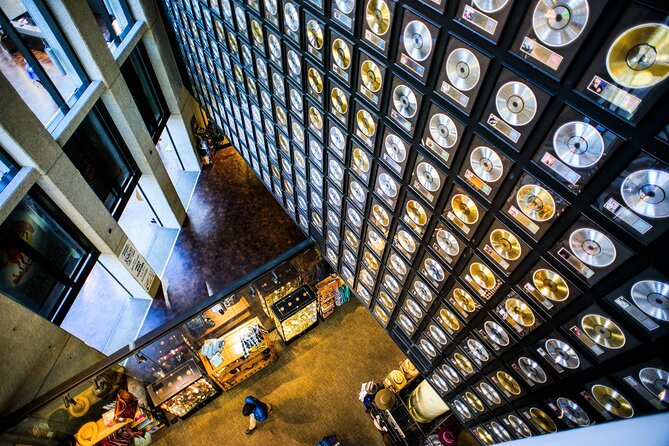
The advertised visit takes about two to three hours, but your pace matters a lot. A quick pass can take about an hour and a half if you focus on the largest displays and move briskly.
If you read most of the labels, watch films, use the audio, and stop for photos, three hours is a safer plan. One careful visit took about four hours. That is not a problem, but it changes how you should fit the museum into your Nashville schedule.
I would avoid placing this visit between two tightly timed activities. The museum has enough material to make you lose track of time, especially if you enjoy music stories or old performance footage.
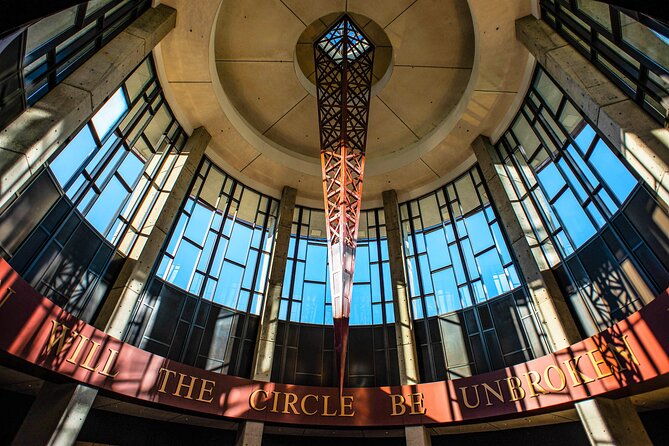
The building’s layout can also slow you down. The museum occupies a large building, though the museum portion itself is mainly two floors. Some people find the stairs and elevator difficult to locate, and the displays can feel scattered at first.
When you enter, take a moment to get your bearings. You do not need to follow every section in perfect order. If you find yourself tired from reading, switch to the films, cars, costumes, and interactive elements. A change of pace helps.
Same place, a different route to walk:
- Gettysburg Battlefield Self-Guided Driving Audio Tour
★ 4.5 · 910 reviews - Joshua Tree National Park Self-Guided Driving Audio Tour
★ 4.5 · 762 reviews - San Francisco: Alcatraz, Ferry & Audio Tour w/ Night Option
★ 4.4 · 617 reviews - Ultimate Acadia National Park Self-Guided Driving Audio Tour
★ 4.0 · 521 reviews
Where the exhibits work best, and where they do not
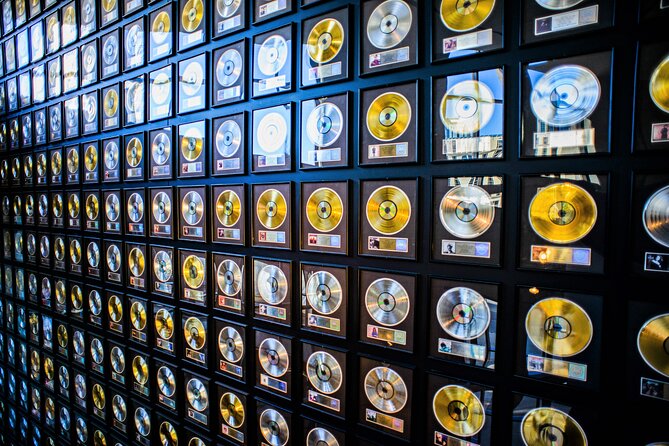
The exhibits are at their best when they combine an object with a strong story. A costume becomes more interesting when you know when it was worn. An instrument matters more when you understand its connection to a performer or recording. The films also help put names and dates into a human setting.
The museum’s mix of personal and professional stories is another strength. You are not only seeing polished stage images. You may also encounter letters, career details, and small objects that show how public success was built.
The weaker moments come when the museum asks you to read too much from behind glass. Handwritten letters can be hard to make out, and long labels may compete with the audio guide, video screens, and other visitors. If you prefer hands-on displays or a fast-moving attraction, parts of the museum may feel slow.
Some displays are interactive, with videos, music, and other elements that make the visit more active. Even so, much of the collection remains traditional museum material. Expect plenty of cases and written explanation, not a nonstop entertainment show.
That balance is worth knowing before you buy. I would recommend it readily to music fans and people who enjoy museums. If you have little interest in country music and dislike reading exhibit labels, the experience may feel ordinary.
Timing, crowds, and a calmer visit
The museum is open daily from 9:00 a.m. to 5:00 p.m. Arriving early is the simplest way to make the visit more comfortable.
Popular displays can draw a crowd, and narrow areas may become difficult when several people stop to use the audio devices at once. Early arrival gives you a better chance to spend time with the major exhibits before the rooms fill.
A weekday morning is likely to feel calmer than a busy afternoon, though the information provided does not promise a specific crowd level. If you visit later in the day, keep your expectations flexible and allow time for slower movement.
The museum also has a small cafe. It can be useful if you need a break without leaving the building, and the food has been praised as reasonably priced. That makes a longer visit easier, particularly if you are spending most of the day downtown.
Getting there and handling the parking issue
The museum is near public transportation, so you do not need to make parking your first concern. A rideshare can also be a practical choice if you are staying elsewhere in Nashville.
Parking prices in the surrounding area can be high. One useful local tip points to Publix parking as a possible option, while another report says nearby parking can cost about $30 for every two hours. Because parking rules and rates can change, check the signs carefully before leaving your car.
This is one area where the $36.95 ticket price can grow quickly. If you are driving, include parking in the real cost of the visit. If you are already downtown or can use public transportation, the admission feels like a better value.
The museum is designed for most people to participate, and confirmation arrives when you book. The available information does not give detailed accessibility instructions, so if you need a specific arrangement, contact the provider before your visit.
Is the $36.95 admission good value?
For a country music fan, yes, especially if you plan to stay for three hours and use the audio guide. You are paying for a large collection, films, interactive material, and the chance to examine objects connected with many performers in one place.
The value is also good for a family with older children or teenagers who already enjoy music. The cars, costumes, videos, and current artists provide visual variety, while the audio guide gives extra explanation without requiring a scheduled tour.
For people who are not country music enthusiasts, the value is less certain. The museum still offers American music and cultural history, but much of the visit depends on your willingness to read and follow performer stories. If your group includes mixed interests, agree in advance on a shorter visit or plan time for the cafe.
I would not judge the ticket by the number of famous names alone. The museum is most worthwhile when you want to understand how the music developed, how performers presented themselves, and why certain objects became part of the public story.
Who should book this Nashville museum visit?
You should consider booking if you:
- Enjoy country music from classic performers through current stars.
- Like costumes, instruments, cars, films, and personal objects.
- Want to explore without a fixed guide or group schedule.
- Prefer a museum where you can choose your own pace.
- Have at least two hours available.
- Are visiting with older teens or adults who enjoy music and American cultural history.
You may want to skip it if you want a short attraction with little reading, or if you are hoping for a guaranteed live performance. The audio guide helps, but it does not turn every exhibit into a fast, dramatic presentation.
The museum is also a good choice for a rainy-day plan, but the provider says the experience requires good weather and may offer a new date or a full refund if poor weather causes cancellation. Most people can participate, and the attraction is near public transportation.
Cancellation and booking details
You can cancel for a full refund up to 24 hours before the scheduled start time. Cancellations or changes made less than 24 hours ahead are not refunded or accepted.
The cutoff uses local Nashville time. Confirmation is provided when you book, and the experience is often reserved well ahead, with an average booking lead time of about 48 days. If your Nashville dates are fixed, booking early is sensible.
Should you book the Country Music Hall of Fame?
I would book it if country music is part of your Nashville plans, not simply because it is famous. The museum earns its place through the range of objects, the strong films, the famous cars, the mix of older and current performers, and the freedom to set your own pace.
Buy the audio guide, but use it with some restraint. Listen closely at the displays you care about, then move on when the narration becomes too long. Arrive early, allow three hours, and avoid paying for expensive parking if public transportation or rideshare works for you.
If you are unsure about country music, the museum can still work as a cultural visit, but keep your expectations modest. You may find the cars, clothing, and American music stories engaging, while the long labels and glass cases may test your patience. For committed fans, though, this is one of Nashville’s most useful places to connect the songs with the people and objects behind them.
FAQ
How much does admission to the Country Music Hall of Fame cost?
Admission costs $36.95 per person and includes entry to the Country Music Hall of Fame and Museum with the audio guide.
How long should I plan for the museum?
Plan for about two to three hours. A fast visit may take around an hour and a half, while careful reading, films, and audio stops can stretch the visit to four hours.
What languages are available for the audio guide?
The audio guide is available in English, French, Spanish, German, and Japanese.
What are the opening hours?
The museum is open Monday through Sunday from 9:00 a.m. to 5:00 p.m. The listed hours apply throughout 2025 and 2026.
Can I cancel for a full refund?
Yes. You must cancel at least 24 hours before the experience start time for a full refund. Cancellations or changes made within 24 hours are not accepted and are not refunded.
Is the experience suitable for most people?
Yes. Most people can participate, and the museum is near public transportation. Detailed accessibility arrangements are not provided, so contact the provider in advance if you need a specific accommodation.
Just added around the USA
- Self Guided Driving Audio Tour of Saguaro National Park★ 3.0 · 4 reviews
- Self-Guided Audio Driving Tour of Mount Lemmon★ 5.0 · 4 reviews
- Saguaro National Park Self-Guided Audio Tour★ 3.5 · 11 reviews
- A Self Guided Audio Tour in Tombstone★ 4.0 · 11 reviews
- Catskills Scenic Byway Self-Guided Driving Audio Tour★ 4.0 · 9 reviews
- Big Bend National Park Self Guided Audio Tour Guide★ 5.0 · 12 reviews
- Self-Guided Audio Driving Tour in Catskills Scenic Byway★ 4.5 · 7 reviews
- Shiloh Battlefield Self-Guided Driving Audio Tour★ 4.0 · 9 reviews
Nashville Audio Tours, compared.
The Heart of Downtown Nashville: A Self-Guided Audio Tour
Read our review →
Nashville Music City Smart Phone Self-Guided Audio/App Walking Tour
Read our review →
Nashville’s Famous Ghosts Self Guided Audio Walking Tour
Read our review →
Nashville’s Bicentennial Capitol Mall State Park: A Self-Guided Audio Tour
Read our review →Browse the lists this tour appears in