

REVIEW · MIAMI AUDIO TOURS
Big Cypress National Preserve Self Guided Driving Audio Tour
Swamp roads tell surprising stories. This self-guided drive through Big Cypress links wildlife stops, Seminole and Miccosukee history, and old roads across South Florida. I like the hands-free audio directions, which start as you reach each point, and the freedom to stop for five minutes or half an hour. The main catch is the road itself: Loop Road can be rough and potholed, so this is not a polished scenic highway tour.
You pay $16.99 for the whole car, up to four people, not per person. I also like the lifetime access, which lets you return on another trip or break the route into smaller pieces. Bring a phone with GPS, download the tour over strong internet before you leave, and plan extra care for Gator Hook Trail, where wet footwear may be needed.
Key things to know before driving
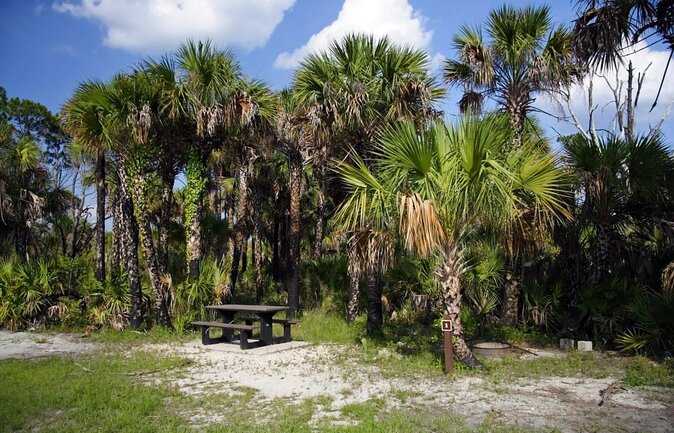
- The route covers more than 42 miles: Allow about two to three hours for the drive itself, or longer if you stop often and add hikes.
- The tour begins near Buffalo Tiger’s boat shop: The stated starting point is 29701 Southwest 8th Street in Miami.
- The audio works offline: Download the Action’s Tour Guide app and tour before heading into areas with weak service.
- The strongest wildlife stop is H.P. Williams Roadside Park: Its boardwalk follows a waterway used by alligators, turtles, snakes, herons, egrets, and hawks.
- Gator Hook Trail gets wet: This five-mile round trip can involve water reaching your knees or hips, depending on your height.
- Road conditions are part of the experience: Loop Road may be potholed and rough, so drive carefully and do not treat the audio as a reason to rush.
What this Big Cypress drive is really like
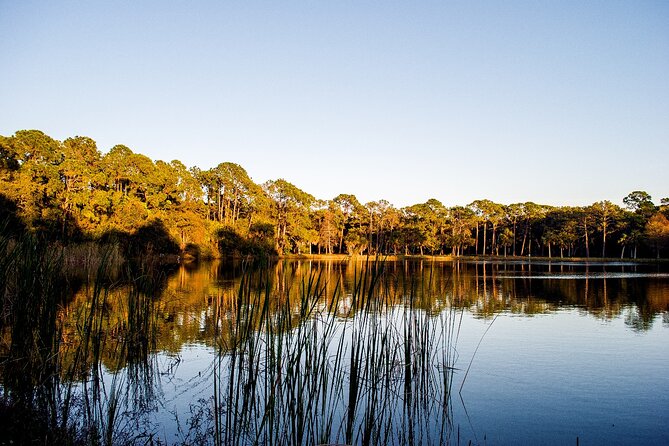
Big Cypress National Preserve is best understood from a car with time to spare. This is not a bus excursion with a fixed departure or a guide waiting at every stop. You follow a route, listen to stories tied to your location, and decide how much time each stop deserves.
The audio tour includes more than 27 stories along a route listed as 42-plus miles. Another section describes the full route as 48-plus miles and three to five hours, so I would plan for the longer figure if you want walks, photographs, wildlife watching, or a meal break. The basic drive may take two to three hours, but rushing through the preserve defeats much of the point.
The narration gives context to what might otherwise look like a long, wet road through trees. You hear about the Miccosukee and Seminole peoples, the Calusa, failed development plans, early road building, and the preserve’s fight against a proposed airport. That background gives each stop more meaning.
The app plays stories automatically as you reach each point. It also gives directions between stops, so you do not need to keep checking a map while driving. Connect your phone to the car with Bluetooth, USB, or AUX if possible. Headphones make more sense if you leave the vehicle for a walk.
More Self-Guided Audio Tours in the USA
- Gettysburg Battlefield Self-Guided Driving Audio Tour
★ 4.5 · 910 reviews - Joshua Tree National Park Self-Guided Driving Audio Tour
★ 4.5 · 762 reviews - Ultimate Acadia National Park Self-Guided Driving Audio Tour
★ 4.0 · 521 reviews
Starting near Miami and the Miccosukee story
The tour begins at 29701 Southwest 8th Street in Miami, near Buffalo Tiger’s boat shop. No one meets you there. You open the Action’s Tour Guide app, select the correct version if more than one route appears, and enter the first story point.
The opening stretch on US Highway 41 sets up the human story of South Florida. The narration explains that the Miccosukee were not the only people to live here. The Calusa were an important earlier power in the region, while the Seminole later formed from Creek people who came from Georgia.
This is a useful beginning because Big Cypress is not empty wilderness in the historical sense. The roads cross a place shaped by Native communities, settlement, transport, and conservation. You get that context before the route turns its attention to wildlife and trails.
The Miccosukee Indian Village is the next notable cultural stop. It is operated by members of the Miccosukee Tribe and includes Native arts and crafts along with a museum about Miccosukee history. The audio explains how roughly 100 people fled into the Everglades during the Indian Wars of the 1800s to avoid capture.
The village is an optional stop rather than a required part of the drive. Entry tickets are not included, so check the current arrangements before counting on a visit. The tour points it out well, but you decide if you want to stop and how long to stay.
Tree snails, boardwalk wildlife, and the first short walks
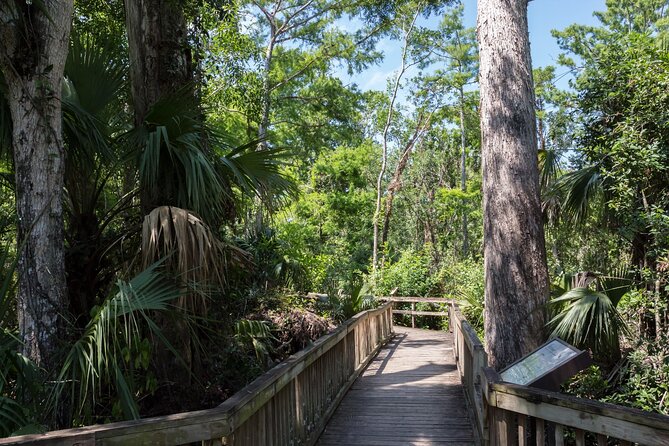
The Tree Snail Hammock Trail is a small but memorable stop. The quarter-mile loop passes through hardwood forest and can be walked in about five minutes if you only need to stretch your legs.
The reason to stay longer is the tree snail. The audio calls attention to this elusive creature, giving you a reason to slow down and inspect the forest rather than simply taking a quick walk. The stop is a good fit if you want a short nature break without committing to a long hike.
H.P. Williams Roadside Park is a better choice if wildlife is high on your list. A boardwalk follows a waterway where you might see alligators, turtles, and an occasional snake. Herons and egrets wade along the edge, while hawks may perch in the trees.
No wildlife sighting is guaranteed, of course. The value here is the easy access. You can get a close look at wetland habitat without taking a long trail, and the boardwalk gives you a safer, clearer viewing point than simply pulling onto the roadside.
This is also a place where patience helps. The audio suggests the stop, but it cannot produce an animal on command. Pause the narration, look along the water, and give yourself time before moving on.
Loop Road and the preserve’s near miss with an airport
Loop Road is one of the most revealing parts of the drive, even if it is not the smoothest. The road is easy to follow in terms of navigation, but its condition can be rough. One report described enough potholes to make the drive unpleasant and claimed the road encouraged hurried driving. That is an important warning: slow down and expect uneven pavement.
The road dates back to an ambitious 1915 idea by Miami businessman James Jaudon. He imagined a highway across the South Florida swamp to move goods more easily. The story gives this ordinary-looking road a practical purpose. You are not just driving through trees. You are following an old attempt to make the wet interior useful for transport.
County Road 94 brings a larger conservation story. When Everglades National Park was created in the 1940s, the federal government could not buy all the privately owned land in the area. That left the Big Cypress region open to development.
In the 1960s, officials proposed building the Big Cypress Jetport here. The plan called for what would have been the largest airport in the world at that time. The preserve exists in part because that plan failed and public concern grew around protecting the area.
I find this section especially valuable because it explains why Big Cypress is a national preserve rather than simply another scenic drive. The land was not automatically protected. Its future was once tied to roads, commercial development, and an airport on a huge scale.
More Driving Audio Tours in the USA:
- Ultimate Lake Tahoe Self-Guided Driving Audio Tour
★ 4.5 · 435 reviews - Scenic Newport, RI Self-Guided Driving Audio Tour
★ 4.5 · 325 reviews - Arches National Park Self-Guided Driving Audio Tour
★ 4.5 · 288 reviews - Yellowstone National Park Self-Guided Driving Audio Tour
★ 4.5 · 249 reviews
Gator Hook Trail requires real preparation
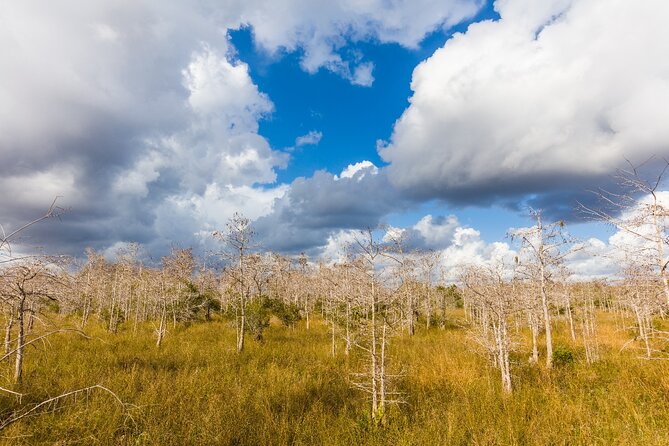
Gator Hook Trail is the most demanding stop on the route. It is a moderately challenging five-mile round trip that begins on dry ground and then moves into water.
The water may reach your ankles first, then your knees, and possibly your hips if you are shorter. This is not a casual stroll in sneakers. One useful improvement suggested for the tour is a clearer preparation note about footwear, and I agree. If you plan to attempt the trail, bring shoes suitable for getting wet.
The trail is not required to enjoy the audio tour. You can listen to its story and continue driving if the conditions, time, or clothing are not right. That flexibility is one of the benefits of a self-guided route.
Do not treat the five-mile distance as the only planning factor. Wading takes more effort than walking a dry path, and water conditions can affect how comfortable you feel. The supplied information does not promise a particular water depth on every visit, so use judgment and prepare for the wettest description.
Kirby Storter Roadside Park offers the classic cypress view
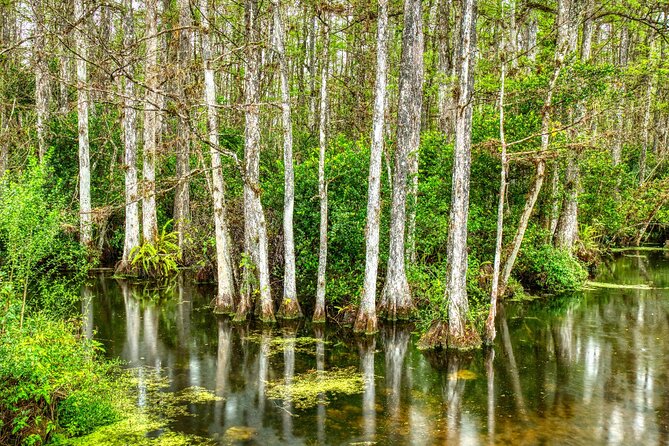
Kirby Storter Roadside Park is one of the best all-around stops. Its mile-long boardwalk passes through hardwood and cypress trees, with shade and dense green growth around the path.
The boardwalk makes this stop accessible to anyone who wants a substantial walk without entering the water. It also gives you a stronger sense of the preserve than a quick roadside pull-off. If you have time for only one longer boardwalk, this is a strong choice.
The audio does not force you to finish the entire mile. You can walk partway, turn around, and continue the route. Or you can pause the tour while you take photographs and listen to the forest around you.
Ochopee Post Office and the visitor center
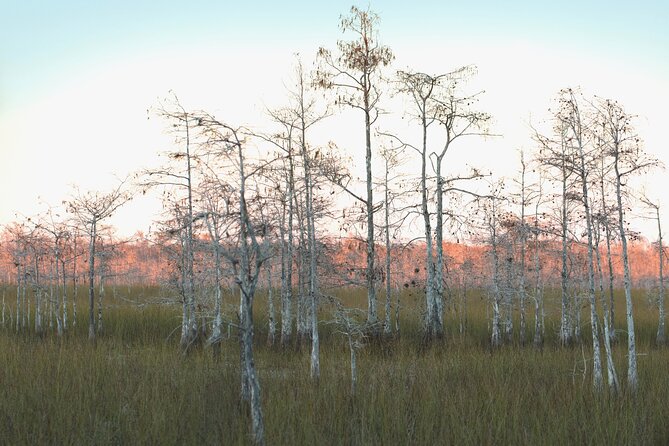
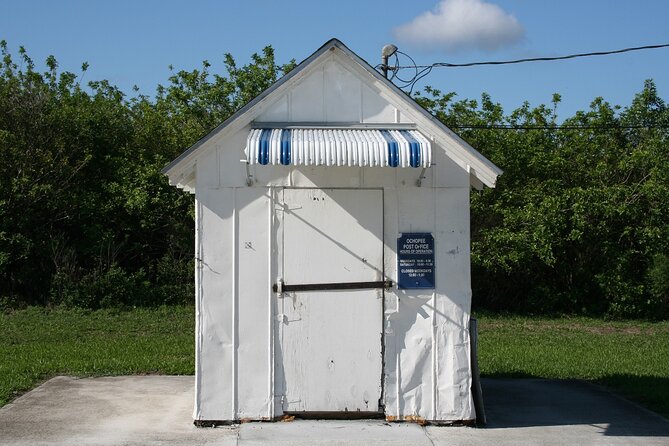
Along Tamiami Trail, keep watch for a small white building. The Ochopee Post Office is described as the smallest post office in North America. You may be able to stop and have a postcard postmarked there, creating a small souvenir that connects directly to the route.
It is the kind of brief stop that works well on a self-guided drive. You do not need to build the day around it, but you also do not want to pass by without noticing the building.
The Nathaniel P. Reed Visitor Center marks the end of the main tour. It offers standard visitor facilities and displays some paintings by Everglades artist Sam Vinikoff. The building itself was designed with energy conservation in mind, which fits the larger story of protecting a demanding environment.
The route information gives the end point as the visitor center, although the wider stop list also includes Big Cypress Bend Boardwalk. Because the tour descriptions give slightly different route lengths and timing, check the app’s current route once downloaded and follow the version matching your starting point and direction.
Big Cypress Bend Boardwalk adds a final cypress walk
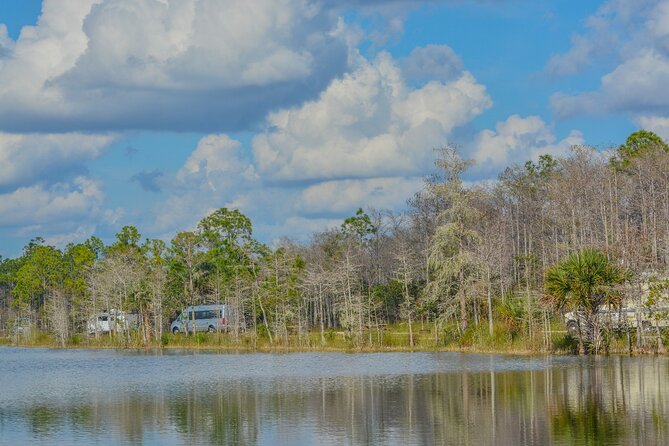
Big Cypress Bend Boardwalk is about ten miles from the Nathaniel P. Reed Visitor Center. Its half-mile path passes through an old-growth cypress grove and offers the kind of scenery many people picture when they think of Big Cypress.
This is shorter than Kirby Storter Roadside Park, so it fits well near the end of a long day. The old-growth trees and shaded route make it a pleasant final stop, especially if you skipped Gator Hook Trail or want one more walk without wading.
The tour presents this boardwalk as part of the broader Big Cypress experience rather than a quick roadside attraction. If you have the energy, it helps round out the day with a second look at cypress forest from a different trail.
Price, app setup, and practical value
At $16.99 per group of up to four people, the price is low if you fill a car. Four people would pay about $4.25 each, though even two people get a reasonable deal compared with a private guided outing. You are paying for narration, route guidance, offline mapping, and flexibility, not for admission to attractions.
That distinction matters. The Miccosukee Indian Village and any other attraction requiring an entry ticket are not included. The listed nature stops do not have admission charges, but you should still account for food, fuel, and any optional activities.
The app requires a little preparation. After booking, you receive setup instructions and a password by email and text. Search for audio tour if you do not see them quickly. Download the separate Action’s Tour Guide app and download the tour while you have strong Wi-Fi or cellular service.
Once downloaded, the route works offline. The recommended devices are an iPhone with iOS 15 or later, an Android device running version 9 or later, or an iPad or tablet with GPS and cellular connectivity. Apple CarPlay is supported, while Android Auto support is still being developed according to the supplied information.
The tour is offered in English. You can start, pause, skip a stop, take a side break, and return later. The access is described as lifetime with no expiry, even though the basic tour summary gives a one-year availability period. I would rely on the newer lifetime-access instruction, but keep your booking email and app password.
Free cancellation is offered if you cancel at least 24 hours before the local start time. Inside that window, changes and refunds are not accepted.
Who should book this self-guided drive?
I would choose this tour if you enjoy driving, want control over your schedule, and like having historical context without joining a group. It suits couples, families, and small groups sharing one car, especially because the price covers up to four people.
It is also a good choice for a return visit. You can use the access again on another trip, listen to missed stories, or split the route across multiple days.
I would be more cautious if you expect smooth roads, a polished sightseeing bus, or a guide who handles every decision. Loop Road may be rough, and the route can feel slow if you only want major attractions. The audio is useful, but it cannot replace checking trail conditions, choosing safe footwear, or paying attention to the road.
Should you book the Big Cypress audio tour?
Book it if you want a flexible introduction to Big Cypress with clear directions and stories about Native communities, old roads, wildlife, and conservation. The best value comes when you use the whole route, stop at H.P. Williams, walk Kirby Storter or Big Cypress Bend, and take advantage of the lifetime access.
Skip it if potholes, slow driving, or self-guided navigation will frustrate you. Also skip Gator Hook Trail unless you are prepared for serious wet walking. For most independent visitors, though, $16.99 per car is a fair price for a route that helps turn a long swamp drive into a planned day rather than a road trip with no context.
FAQ
How long does the Big Cypress audio tour take?
The main drive takes about two to three hours. The route information also describes a 48-plus-mile version that can take three to five hours when you include stops, walks, and breaks.
How long is the driving route?
The route is described as more than 42 miles long. Another description gives the full route as more than 48 miles, so check the downloaded app for the exact version connected to your starting point.
Where does the tour start?
The tour begins at 29701 Southwest 8th Street in Miami, near Buffalo Tiger’s boat shop. You go to the starting point yourself because no guide meets you there.
Does someone guide the group in person?
No. This is a private, self-guided activity. Audio stories and directions play through the Action’s Tour Guide app as you reach each location.
Does the tour work without cell service?
Yes, but you must download the tour while you have strong Wi-Fi or cellular service. Once downloaded, the maps and audio work offline.
What does the $16.99 price include?
The price covers one group of up to four people in the car. It includes the audio stories, route directions, offline maps, and app access. Attraction passes, entry tickets, and reservations are not included.
Is Gator Hook Trail suitable for a quick walk?
No. Gator Hook Trail is a moderately challenging five-mile round trip that enters water. It can reach knee or hip depth, so wet-appropriate footwear and proper preparation are important.
Is the tour available in other languages?
The tour is offered in English.
Can I cancel for a full refund?
Yes, if you cancel at least 24 hours before the experience start time. Cancellations or changes made within 24 hours are not refunded.
Just added around the USA
- Self Guided Driving Audio Tour of Saguaro National Park★ 3.0 · 4 reviews
- Self-Guided Audio Driving Tour of Mount Lemmon★ 5.0 · 4 reviews
- Saguaro National Park Self-Guided Audio Tour★ 3.5 · 11 reviews
- A Self Guided Audio Tour in Tombstone★ 4.0 · 11 reviews
- Catskills Scenic Byway Self-Guided Driving Audio Tour★ 4.0 · 9 reviews
- Big Bend National Park Self Guided Audio Tour Guide★ 5.0 · 12 reviews
- Self-Guided Audio Driving Tour in Catskills Scenic Byway★ 4.5 · 7 reviews
- Shiloh Battlefield Self-Guided Driving Audio Tour★ 4.0 · 9 reviews
Driving Audio Tours, compared.



Ultimate Acadia National Park Self-Guided Driving Audio Tour
Read our review →



Browse the lists this tour appears in