
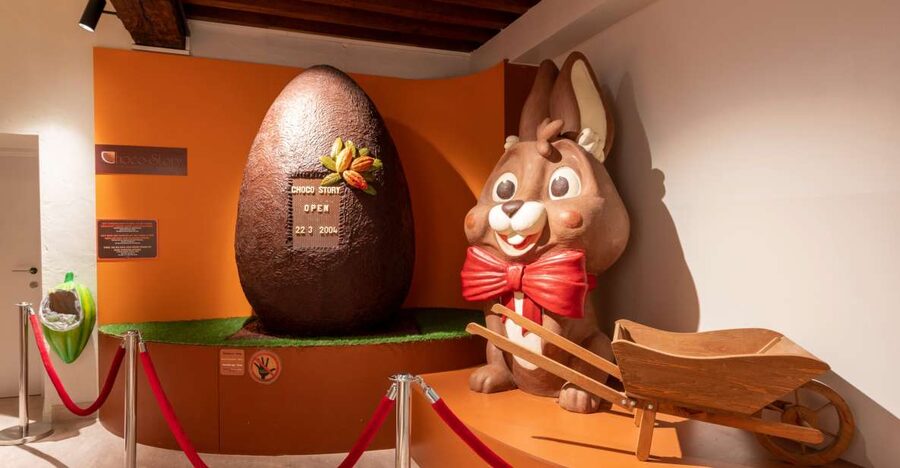
REVIEW · BELGIUM AUDIO TOURS
Bruges: Choco-Story Museum with Audio Guide and Tastings
Chocolate has a 4,000-year story. Choco-Story Bruges makes that story easy to follow, from cacao’s early use in Maya and Aztec cultures to the pralines sold across Belgium today. I especially like the self-paced audio guide and the way the museum combines old tools, displays, games, and tastings. The short live demonstration is another strong point, though the museum can feel crowded and the route through the exhibits is not always obvious.
At $18 per person, this is a fair-value indoor activity in central Bruges. You get about 90 minutes of content, several chocolate tastings, an audio guide in 11 languages, and a demonstration of filled chocolates. Just know that this is not a traditional guided tour with a person leading the whole visit. It is a self-guided museum experience, followed by a short presentation.
Key things to know before you go
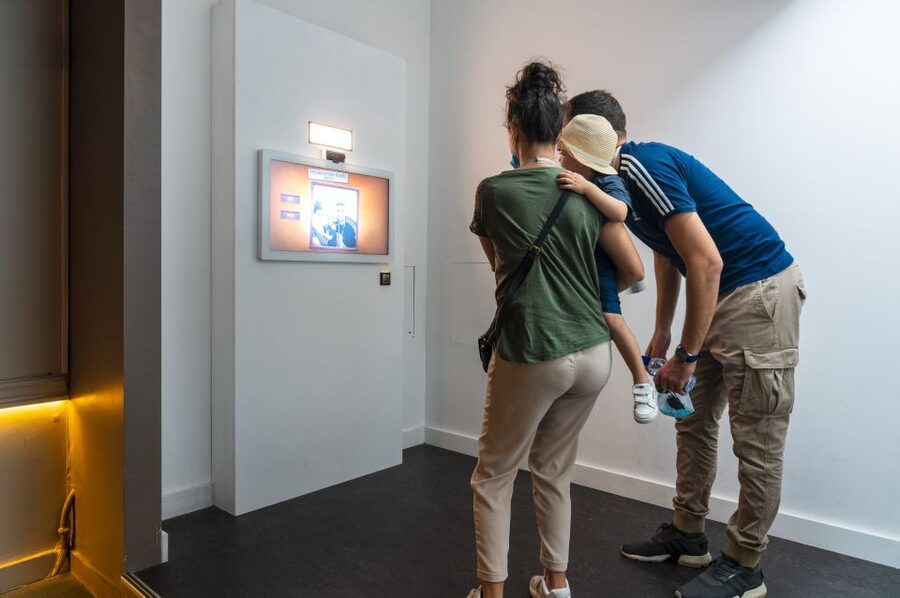
- The story runs from cacao pod to praline: You learn about cultivation, shipping, processing, ingredients, and packaging, not just Belgian candy.
- The audio guide sets your pace: Choose from 11 languages, including a children’s version, and move through the museum at your own speed.
- The tasting is a real part of the visit: Sample chocolate buttons and, at the demonstration, try filled chocolates made in front of you.
- The displays suit families: Interactive games, quizzes, and a chocolate-preference quiz help keep children involved.
- The museum is near Bruges’ central square: The meeting point is Wijnzakstraat 2, 8000 Bruges, making it easy to add to a day in the old center.
- Allow the full 90 minutes: You can rush through in an hour, but you may miss exhibits, the demonstration, or part of the tasting.
Starting at Wijnzakstraat 2 in central Bruges
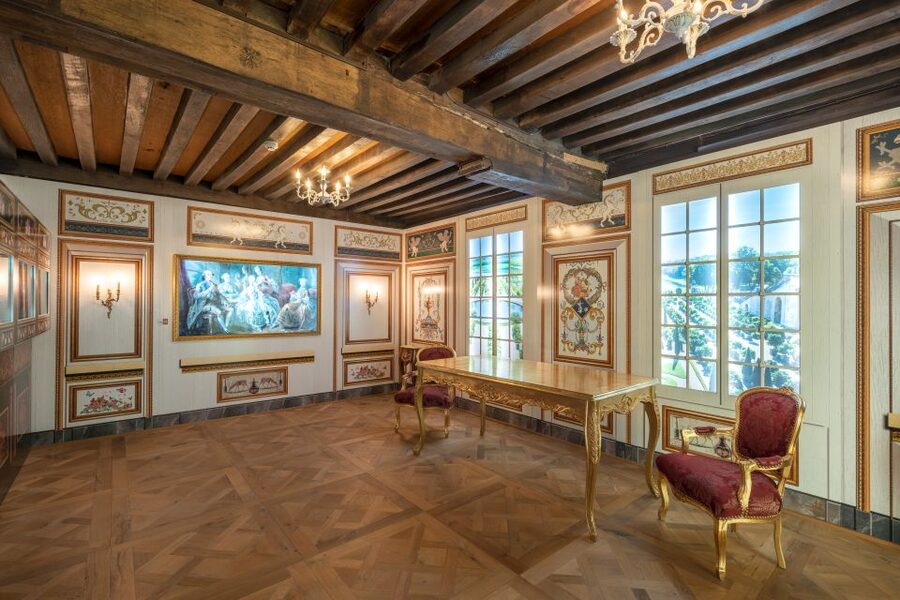
Choco-Story is located at Wijnzakstraat 2, close to Bruges’ central square. That central position makes it easy to fit into a walking day, especially if rain has arrived and you need a warm indoor stop.
The visit begins with an entrance ticket and an audio device. The audio guide is available in Dutch, English, French, Spanish, Arabic, German, Italian, Russian, Chinese, and Japanese. A children’s version is also available, which makes a real difference for families with younger listeners.
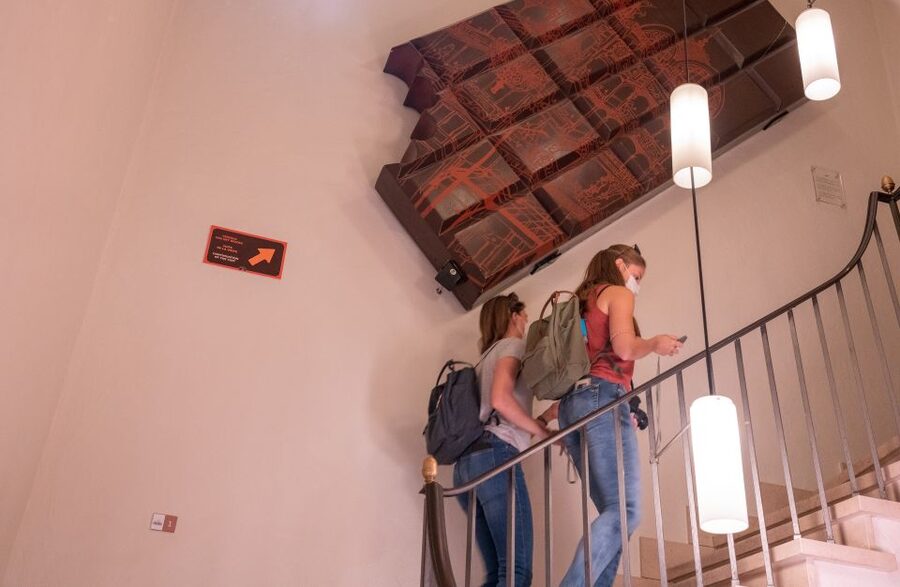
Do not arrive expecting a live guide to gather everyone and lead a fixed route. You move through the museum on your own, tapping the audio device at numbered points. This gives you freedom, but the numbering can be confusing. A few signs and prompts are not placed in a clear order, and some visitors find themselves backtracking.
I would allow at least 90 minutes, even though a quick visit can take less than an hour. Start early enough to see the demonstration rather than treating it as an optional extra. The museum closes at a set time, and arriving late in the afternoon can leave you racing through the displays.
More Museum Audio Tours in Belgium:
- Bruges: The Beer Experience Museum Entry with Audio Guide
★ 4.4 · 201 reviews - Florence: Uffizi Priority Ticket & Masterpieces Audio App
★ 4.2 · 6,402 reviews - Paris: Louvre Museum Hosted Entry and Mona Lisa Audioguide
★ 4.6 · 5,235 reviews
The first gallery: cacao before European chocolate
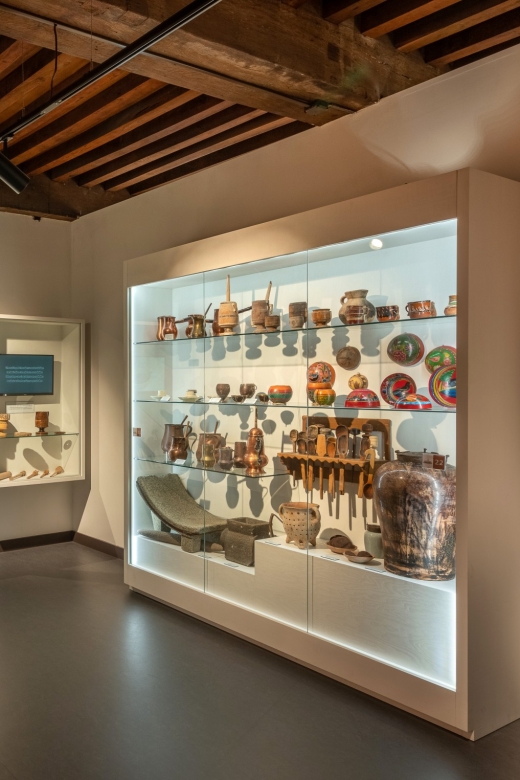
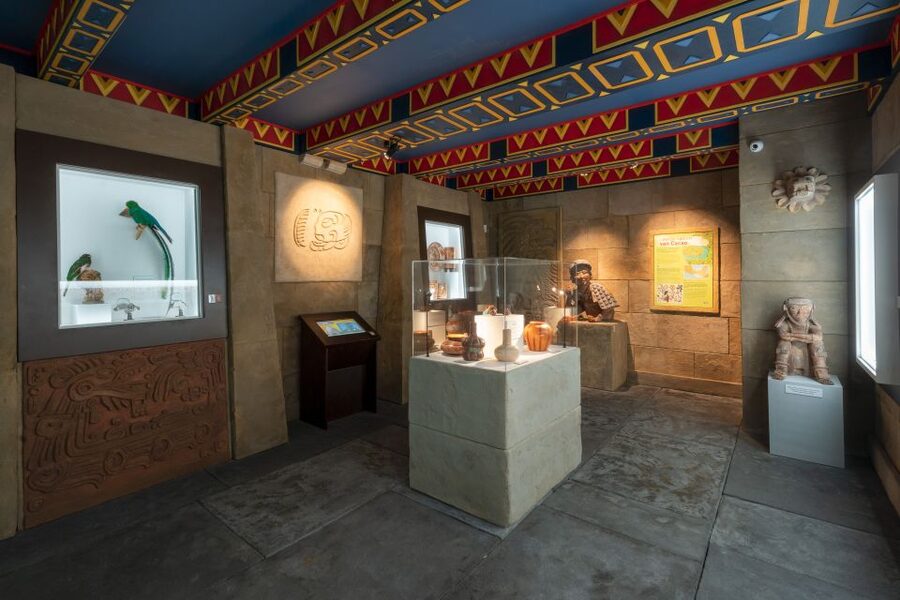
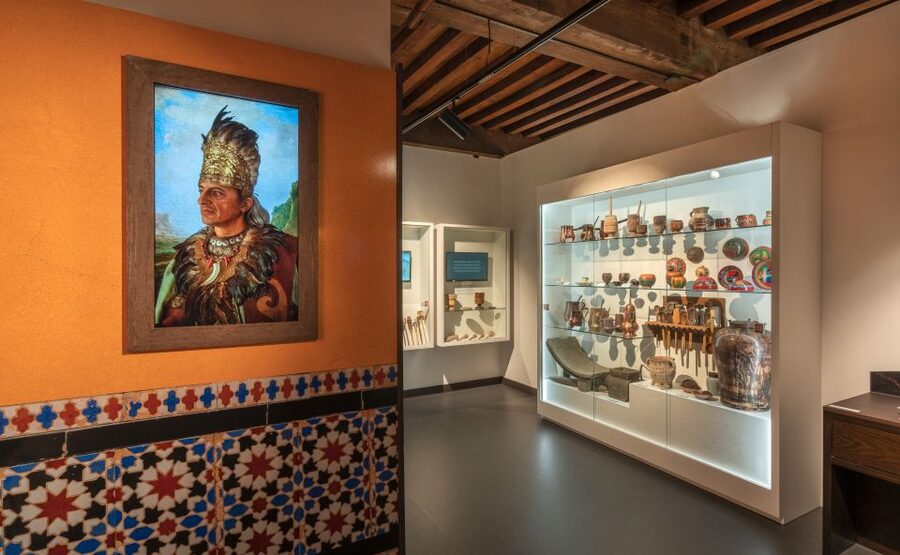
The museum begins with the long story of cacao. Chocolate was not always a sweet bar or a creamy drink. The earliest sections explain how cacao was used in Maya and Aztec civilizations, where it was prepared as a spiced drink rather than the sweet chocolate many people know today.
This is one of the most useful parts of the visit because it corrects a common assumption: chocolate did not begin as a European confection. You see how its role and flavor changed after cacao reached Europe, where sugar and new production methods helped turn a bitter, spicy drink into a fashionable treat.
The audio guide fills in the details while you look at the displays. You can listen carefully to the history, or move more quickly if your attention is mainly fixed on the chocolate at the end. I like this flexibility, since adults and children often want different amounts of background information.
The museum presents the story with objects, pictures, written panels, and older equipment. The collection includes more than 500 chocolate-related objects, and the full collection is described as containing almost 1,000 pieces. You will find items connected with cacao, chocolate preparation, advertising, packaging, and the changing ways people have consumed chocolate.
Some of the displays are more interesting to history lovers than to very young children. Families with children around 8 to 13 often get the best balance, since the subject is simple enough to understand but broad enough to support serious questions about trade, farming, and manufacturing.
From cacao pod to finished bar
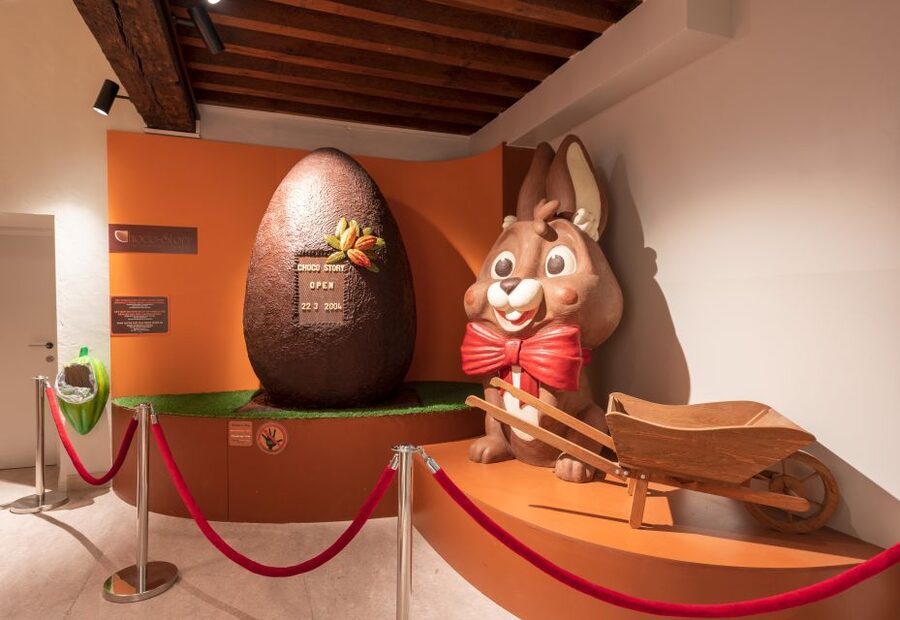
The next part explains how cacao becomes chocolate. You learn about the raw ingredients, where cacao grows, how it is shipped, and the steps involved in processing it into the finished product.
This section gives the visit more substance than a simple collection of sweets. You begin with the plant and follow the supply chain through transport, processing, mixing, shaping, and packaging. It helps you appreciate why a small chocolate is the end result of a surprisingly involved process.
The museum also addresses the human side of cacao production. Sustainable farming and fair trade receive attention, along with the difficult question of exploitation in the countries where cacao is grown. The treatment is part of the story rather than a separate lecture, which keeps the subject connected to the food in front of you.
I found this context valuable because Belgian chocolate is often presented as if quality begins in a Bruges shop window. Here, you are reminded that the story starts much farther away, with farmers and raw cacao beans. The museum does not only celebrate the finished product. It also explains the work and trade behind it.
The displays include old-fashioned methods alongside more modern production. You might find the information repetitive if you read every panel and listen to every audio stop, but you can control the pace. Families can focus on the games and objects, while adults can spend more time on farming, ingredients, and manufacturing.
Interactive games for children and curious adults
Choco-Story is not designed as a silent gallery. Small games, quizzes, and interactive elements appear through the visit. These activities test what you have learned and give children something to do between the information panels.
A leaderboard is available for some of the games, adding a playful challenge for siblings or friends. Near the end, another quiz suggests the type of chocolate that may suit your tastes. You can then look for similar products in the museum shop.
The children’s audio guide makes the experience easier for families, but the museum is not purely a children’s attraction. Adults who enjoy food history, manufacturing, or Belgian traditions will find enough material to hold their attention. The balance does lean toward an accessible family museum rather than a specialist study of chocolate.
Very young children may have less patience for the audio sections. A three-year-old, for example, may enjoy the tasting and the chocolate demonstration more than the historical displays. There are also stairs, so the route may be tiring for small children or difficult for anyone with limited mobility.
A few more audio tours around Belgium worth a look
- Bruges Scavenger Hunt and Highlights Self Guided Audio Tour
★ 4.0 · 54 reviews - AudioGuide Ghent
★ 4.5 · 23 reviews - Antwerp: City Walk with Audio Guide in 7 Languages on your Phone
★ 3.0 · 15 reviews - Bruges Walking Tour with Audioguide on Your Smartphone
★ 4.5 · 14 reviews
A short chocolate-making demonstration
The demonstration takes place toward the end of the museum. A staff member shows how filled chocolates are made, with particular attention to the smooth texture and careful handling needed for good chocolate.
This is not a long factory tour. It is a short presentation, but it gives the earlier information a practical finish. Instead of only reading about ingredients and production, you see chocolate being worked into a finished praline.
The demonstration has been a high point for me because it connects the museum’s history with something you can eat immediately. The presenter is described as friendly and funny, which helps the session feel less formal. You may also see decorative chocolate figures, some of which are remarkably detailed.
Space can be tight around the demonstration, especially when the museum is busy. If you want a clear view, arrive near the start of the presentation and avoid leaving the museum galleries until you know when it begins. A few people have missed it after arriving late or finding the area too crowded.
The demonstration also varies in how much it satisfies different visitors. If you hope to see the entire process of making chocolate from cacao bean to finished bar, this will feel brief. It focuses mainly on making a filled chocolate, not on running a full production line.
Tasting chocolate buttons and filled pralines
The tasting is the reward at the end, though it is more than a token sample. The museum offers several types of chocolate buttons, including different flavors and colors. One variety described as amber has a butterscotch-like taste and has been a favorite for many people.
The sample station may allow repeated tasting inside the museum, with a request that you do not carry the chocolate away. That makes the tasting more generous than the usual single-piece sample. Availability can vary, though, and some flavors may run out during busy periods.
After the demonstration, you usually receive a filled chocolate or praline made in the presentation. This is a better finale than simply buying a packaged bar because you have just watched the method used to make it.
The tasting is especially helpful for families. Children get an immediate reward for paying attention, and adults can compare the flavors with the information they have just heard. It also gives you a sense of the museum’s own chocolate before you enter the shop.
Keep your expectations sensible. If you are hoping for a large box of premium Belgian pralines, the included samples will feel modest. If you see them as part of a 90-minute museum visit, they add good value to the admission price.
The gift shop and finding your preferred chocolate
The exit leads to a chocolate shop with a broad range of products. You can find different chocolates, sweets, gift items, and chocolate-themed objects. The earlier taste quiz can point you toward flavors you may want to try.
This is a useful stop if you want to take Belgian chocolate home, but you are not required to buy anything. The shop has been described as reasonably priced, which makes it easier to pick up a small gift without turning the final minutes into a major expense.
I would taste before buying when possible. The amber chocolate, dark or milk varieties, and filled pieces can appeal to different palates. Since the museum explains how ingredients affect the final taste, the shop becomes more useful than a standard souvenir counter.
The shop also sells non-food chocolate-themed items, including objects such as soaps, candles, and toys. That gives non-chocolate gifts a place here, though the main reason to visit remains the museum itself.
Is $18 a fair price for 90 minutes?
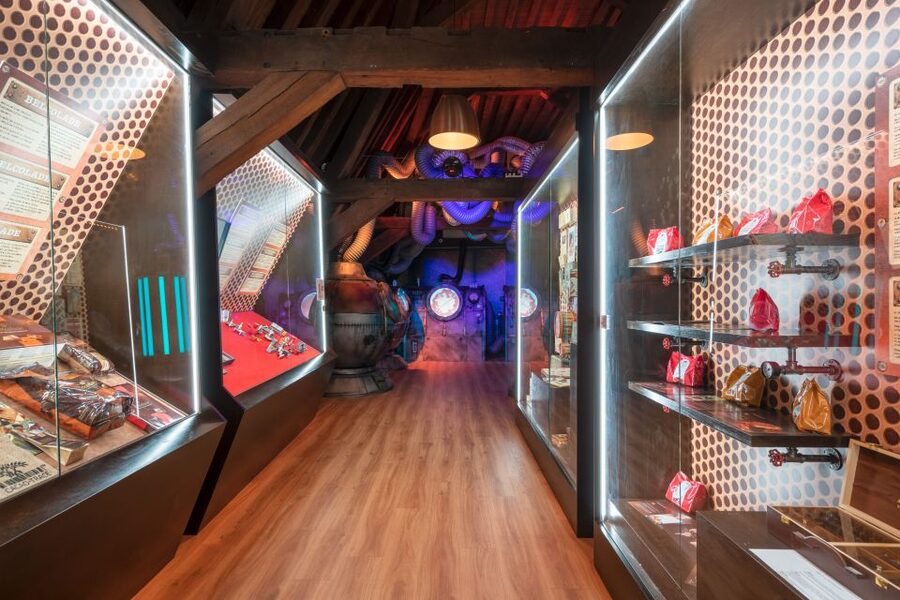
At $18 per person, I consider Choco-Story good value for a central Bruges attraction, particularly if you use the audio guide fully and stay for the demonstration. The price includes admission, the audio device, the chocolate tasting, and the live presentation.
The value is strongest for families, since several people can use the games and children’s audio guide rather than simply walking past display cases. It also works well as a rainy-day activity or a break from Bruges’ outdoor sights.
You may find better value through the Bruges Museum Pass if you plan to visit several other museums. The museum is part of that pass, so check your wider sightseeing plans before paying for a separate ticket.
The price feels less attractive if you only want to sample chocolate. You can finish quickly, but doing so means skipping much of the history and production story. I would book it for the combination of education, exhibits, demonstration, and tasting, not as a stand-alone chocolate shop visit.
Timing, crowds, and practical limits
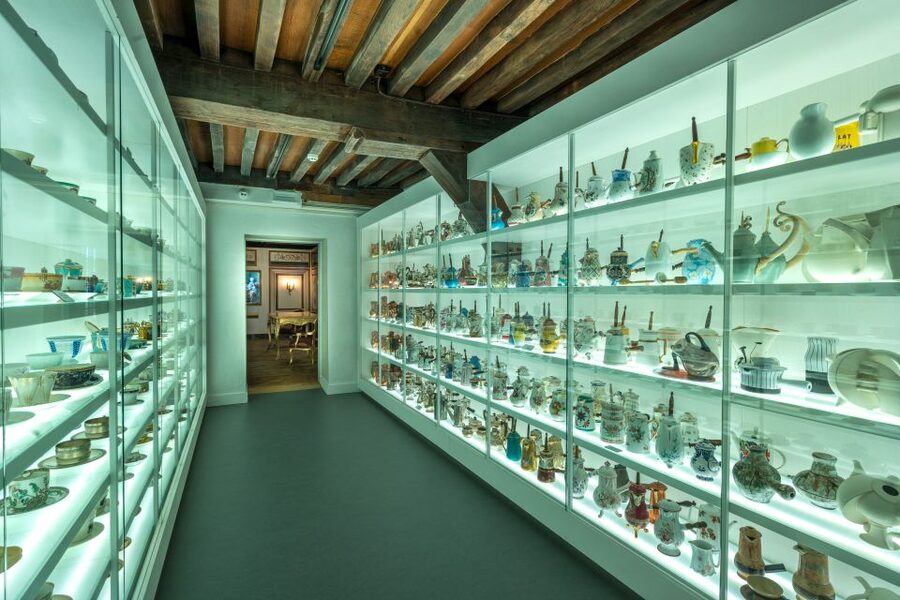
The museum takes around 90 minutes, though your pace matters. A careful visit with the full audio commentary can take the stated time, while a faster visit may take an hour or less.
Busy periods make the route harder to follow. You may need to wait at audio points, and crowding near the demonstration can make it difficult to see. The museum feels much calmer when you can move at your own pace without a group pressing behind you.
The route includes stairs, and the experience is not suitable for wheelchair users. Pets are not allowed. These limits matter if you are planning a family day with a stroller, a mobility aid, or an assistance animal, so check your needs before booking.
Cancellation is free up to 24 hours before the visit, and you can reserve now and pay later. Those options are useful if your Bruges schedule depends on weather or a changing day trip plan.
Who will enjoy Choco-Story most?
I would recommend the museum to families with school-age children, couples who enjoy food culture, and anyone curious about how chocolate reached its modern form. The interactive games and children’s audio guide help keep younger visitors involved, while the farming and production sections give adults something worthwhile to consider.
It also suits people who like self-guided museums. You can stop, listen, skip, and return to displays without following a fixed group. The trade-off is that you need to manage your own route and watch the time.
Chocolate fans will enjoy the tasting, but you do not need to be a serious chocoholic to appreciate the museum. The best part is the connection between ancient cacao drinks, European sugar, modern processing, Belgian pralines, and the people who produce the raw ingredient.
I would be less enthusiastic for visitors who want an expert-led tour, a long hands-on workshop, or a full factory visit. The demonstration is short, the audio route can be slightly confusing, and some sections repeat similar points.
Should you book Choco-Story Bruges?
Book it if you want an easy, informative indoor activity with real tastings and a short live demonstration. The combination works particularly well for families, rainy afternoons, and anyone who wants more context before buying Belgian chocolate.
Skip it if you only have a short time in Bruges and already plan to visit several museums. Also think twice if stairs are a problem or if you strongly prefer a live guide to an audio tour.
For most visitors, the strongest plan is simple: allow the full 90 minutes, start early enough to catch the demonstration, use the children’s audio guide if needed, and sample the different chocolate buttons before choosing something in the shop. At $18, it is a pleasant and useful addition to a day in Bruges, with enough chocolate at the end to keep the history lesson sweet.
FAQ
Where is Choco-Story Bruges located?
The museum is at Wijnzakstraat 2, 8000 Bruges, in central Bruges near the main square.
How long does the museum visit take?
The stated duration is 90 minutes. You can move faster and finish in about an hour, but a slower visit gives you more time for the audio guide, displays, games, tasting, and demonstration.
Is the tour led by a live guide?
No. The museum visit is self-guided with an audio device. A chocolate-making demonstration takes place near the end.
Which languages are available for the audio guide?
The audio guide is available in Dutch, English, French, Spanish, Arabic, German, Italian, Russian, Chinese, and Japanese. A children’s version is also included.
Are chocolate tastings included?
Yes. Free tastings are included in the museum visit. These include chocolate buttons, and the demonstration includes a filled chocolate or praline to taste.
Is the chocolate demonstration included?
Yes. A chocolate demonstration is included with admission. It focuses on making filled chocolate and takes place toward the end of the visit.
Is the museum suitable for children?
Yes. Interactive games, quizzes, and a children’s audio guide make it suitable for families. Very young children may find the longer audio sections less engaging.
Is the museum wheelchair accessible?
The experience is listed as not suitable for wheelchair users. The route also includes stairs.
Just added around Belgium
- Lost Lanes and Secret Gardens Self Guided Audio Tour★ 5.0 · 3 reviews
- Liege Scavenger Hunt and Highlights Self Guided Audio Tour★ 4.0 · 9 reviews
- Ghent Scavenger Hunt and Highlights Self Guided Audio Tour★ 3.5 · 3 reviews
- Ghent Walking Tour with Audioguide on Your Smartphone★ 4.5 · 13 reviews
- Ghent: City Walk with Audio Guide in 7 Languages on your Phone★ 4.5 · 3 reviews
- Hidden Ghent: A Self-Guided Audio Tour Of The Flemish City★ 5.0 · 2 reviews
- Brussels: City Walk with Audioguide in 7 Languages on your Phone★ 3.5 · 4 reviews
- Brussels Scavenger Hunt and Highlights Self Guided Audio Tour★ 5.0 · 4 reviews
Museums, compared.
Uffizi Priority Ticket & Masterpieces Audio App
Read our review →
Louvre Museum Hosted Entry and Mona Lisa Audioguide
Read our review →
St. Mark Basilica Ticket, Audioguide+History Gallery
Read our review →
Borghese Gallery Skip-the-Line Ticket & Audioguide
Read our review →
Borghese Gallery Ticket + Audioguide or Guided Tour
Read our review →
Orsay Museum Entry Ticket and Digital Audio Guide App
Read our review →
Uffizi Gallery Timed Entry Ticket & Audio Guide
Read our review →
Acropolis Museum Ticket with optional Audio Guide
Read our review →Browse the lists this tour appears in