

REVIEW · BOSTON AUDIO TOURS
Self-Guided Boston’s Beacon Hill Underground Railroad Audio Tour Walking Tour
Beacon Hill keeps its freedom story underfoot. This self-guided audio walk brings Boston’s Underground Railroad to life through the homes, schools, and meeting places tied to Black abolitionists and freedom seekers. I like the location-aware narration and the freedom to start, pause, or finish when your schedule allows.
I also like how the tour puts names to the story, from John J. Smith and Lewis Hayden to John Sweat Rock and Harriet Tubman. The main drawback is the app: most people find the route clear, but a few have struggled with activation, registration, or returning from the optional extra material to the main story.
Plan for hills, comfortable shoes, and about an hour outdoors. The tour costs $9.75 per person, is offered in English, and ends at the African Meeting House, a powerful final stop. Bring water, and open the ticket instructions before you reach Charles Street.
Key points to know before you go
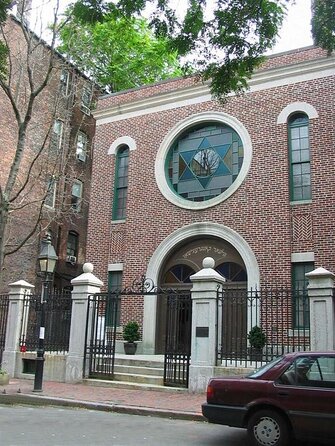
- Historic route through Beacon Hill: Visit homes and public sites linked to Boston’s Underground Railroad.
- Self-guided and private: Your group walks alone, using a phone rather than meeting a guide.
- Strong theatrical narration: Multiple voices and dramatic storytelling help put human feeling behind the names.
- Flexible timing: Start, pause, rewind, and finish when it suits you, with daily access listed from midnight to 11:30 p.m.
- App setup matters: Use the View Ticket button for the WalknTours app instructions and activation code.
- A hilly walk: Wear good shoes and carry water, especially in warm weather.
Walking into Boston’s Underground Railroad story
This is not a tour of tunnels. The Underground Railroad was a loose network of people, homes, churches, boarding houses, and safe places that helped enslaved people seek freedom. In Beacon Hill, the story is tied to ordinary streets and private homes, which makes the subject feel close and personal.
The walk begins at the Charles Street Meeting House, at 70 Charles Street. From there, your phone supplies the narration and directs you to the next point. You are not following a guide with a flag, so the experience depends on your phone, your attention, and your willingness to stop and listen.
That format works well for families and small groups who want control over the pace. You can pause for a child, replay a section, or spend more time looking at a building. It also means you must manage the technology yourself. Before setting out, find the ticket instructions, download the WalknTours app, and have the experience code ready.
The route is listed as open every day from 12:00 a.m. to 11:30 p.m. through February 16, 2027. A daytime walk gives you the best chance to examine building details, while an evening outing can feel more atmospheric. If you go after dark, stay alert to your surroundings and keep your phone charged.
More Audio Walking Tours in the USA
- Self Guided Classic Freedom Trail Location Aware (GPS) Walking Audio Tour
★ 4.5 · 258 reviews - Cape Cod & Provincetown Self-Guided Driving & Walking Audio Tour
★ 4.0 · 207 reviews - Santa Fe Historic Downtown Smart Phone Audio App Self Guided GPS Walking Tour
★ 4.5 · 112 reviews
John J. Smith and the work behind the network
One early stop focuses on the John J. Smith House. Here you learn about Smith’s role as a station master and the people he helped through the Underground Railroad.
This is one of the tour’s strongest features: it replaces a broad national story with a particular person at a particular address. Instead of hearing only about famous abolitionists, you see how local residents used their homes and connections to protect people in danger.
The stop also helps explain how the Underground Railroad operated. There was no single organization or fixed route. Assistance came through a chain of trusted individuals, and every safe house carried serious risk for the person offering shelter.
The audio format is useful here because it can give you the background while you look at the site. You are free to stop on the sidewalk and absorb the account without trying to keep up with a group.
Harriet Tubman and John Sweat Rock on Phillips Street
The route continues to 83 Phillips Street, once the home of John Sweat Rock. Before reaching it, the narration adds context about Harriet Tubman’s life and her work in the struggle for freedom.
Rock is a particularly interesting figure because the stop highlights his many firsts in American history. The tour connects his professional and public achievements to the wider fight against slavery and racial discrimination.
You may find this portion especially useful if you know Harriet Tubman mainly through her later national reputation. The audio places her work beside the efforts of Boston residents, showing that the fight for freedom depended on both famous leaders and local organizers.
This is also a good point to use the app’s optional extra information. The go deeper feature lets you spend more time with a person or topic when your group is interested. If you prefer a brisk walk, you can stay with the main route.
Lewis Hayden’s home and the risks of rescue
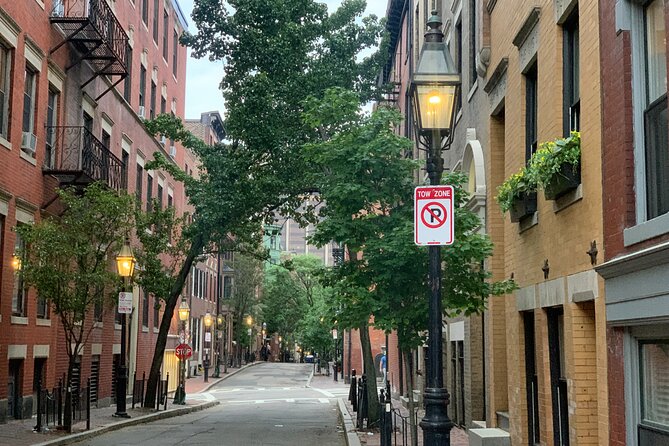
The next major stop is the former home of Lewis Hayden, a station master who helped many freedom seekers. His house was not simply a private residence. It was part of a dangerous support system in which sheltering someone could bring legal punishment, violence, or financial ruin.
The narration presents Hayden’s courage through the choices he made at home. That setting matters. You are not hearing about an abstract political debate. You are standing near the kind of doorway where a person might arrive exhausted, frightened, and pursued.
This stop gives the tour emotional weight without requiring a museum visit. The street itself becomes the prompt for the story. You look at the house and then consider what it meant to make a home available to someone running for freedom.
The experience is most effective when you take your time here. Let the narration finish, then look around before moving on. The app allows you to pause, so you do not need to rush through the most serious parts.
More Self-Guided Audio Tours in the USA
- Gettysburg Battlefield Self-Guided Driving Audio Tour
★ 4.5 · 910 reviews - Joshua Tree National Park Self-Guided Driving Audio Tour
★ 4.5 · 762 reviews - Ultimate Acadia National Park Self-Guided Driving Audio Tour
★ 4.0 · 521 reviews - Ultimate Lake Tahoe Self-Guided Driving Audio Tour
★ 4.5 · 435 reviews
Leonard Grime and the ordinary homes of resistance
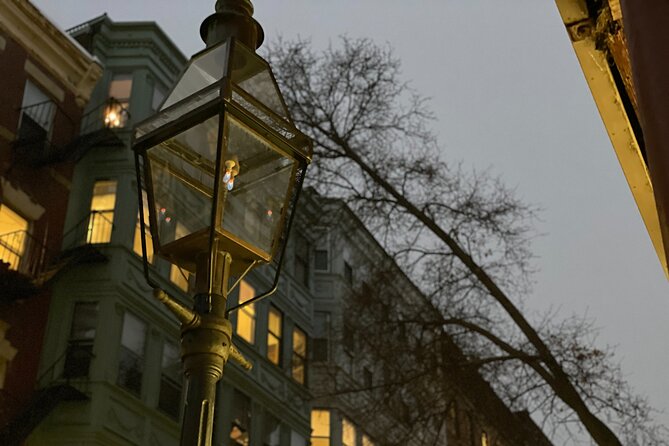
Another stop marks the former home of Leonard Grime, a conductor on the Underground Railroad. The word conductor can sound grand, but it referred to a person who helped guide freedom seekers from one place to another.
Grime’s stop reinforces a central lesson of the walk: the network depended on many kinds of people. Some offered a room. Some provided directions. Some carried messages or guided people onward. Their work rarely came with public recognition, but it was essential.
This part of the route also shows why Beacon Hill is well suited to this subject. The story is spread through residential streets rather than confined to one large monument. As you walk from address to address, you can picture how a network might operate in a real neighborhood.
The tradeoff is that some stops are viewed from public streets rather than entered. You should expect a walking history lesson, not a series of interior visits.
The Old Temperance Boarding House
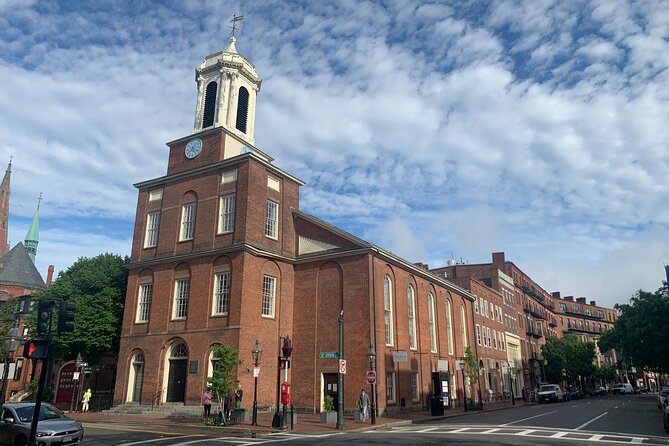
The Old Temperance Boarding House was another stop on the Underground Railroad. Boarding houses could provide a useful cover because people came and went, and a short stay might not attract the same attention as a private guest in a single-family home.
The stop helps broaden your understanding of the network. Safe places were not all alike. A house, school, meeting room, or boarding establishment could play a role, depending on the people involved and the circumstances.
I like this part of the tour because it shows how practical the Underground Railroad had to be. Freedom seekers needed more than courage. They needed food, rest, information, transportation, and people willing to take a serious personal risk.
As with the other locations, the power comes from knowing what happened at the place you are seeing. The building may look like part of a normal city block, but the narration adds the human stakes.
The Phillips School and early integrated education
The route then reaches the site of the old Phillips School. It was Boston’s first integrated school and the place where the first African American teacher at an integrated school taught.
This is an important change of focus. The walk is not only about escape and rescue. It also examines education, public life, and the struggle for equal participation in Boston.
The school stop gives families a useful discussion point. Children may understand the idea of a school more easily than the structure of the Underground Railroad, and the location connects the history of freedom with the right to learn together.
You will not be touring the old school building itself, so listen closely to the audio and use the location as a starting point. The stop works best when you pause to consider how unusual integrated education was at the time and what it required from students, teachers, and families.
The Vilna Shul and Boston’s Jewish community
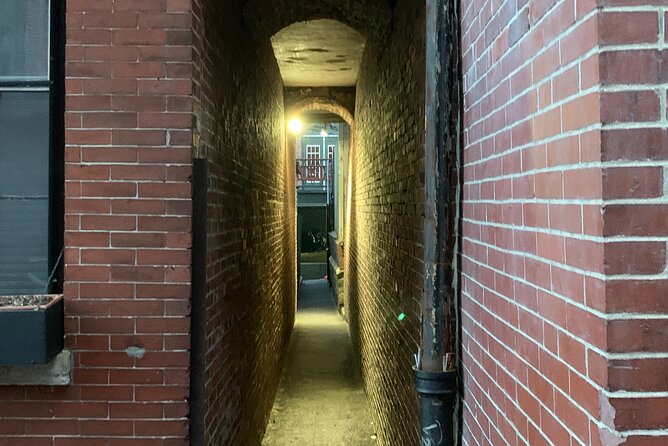
The tour passes the Vilna Shul, described as Boston’s oldest immigrant synagogue. Here the story turns to the Jewish community that helped with the Underground Railroad.
This is a valuable addition because it shows cooperation across communities. The fight against slavery was not limited to one group, one neighborhood, or one type of activist. Different communities could contribute shelter, money, information, and moral support.
The Vilna Shul also adds another layer to Beacon Hill’s past. The neighborhood’s history includes Black abolitionists, immigrant communities, reformers, educators, and political figures. The tour links these stories without requiring you to cross the city.
You pass the building rather than enter it as part of this audio route. If you want a fuller look at the synagogue, you would need to check separately for access, since the tour itself focuses on the outdoor walking route.
John Coburn’s home and gaming house
Another stop marks the former house of John Coburn, who also operated a gaming house. Coburn was a station master, adding a surprising detail to the picture of how Underground Railroad assistance could function.
A gaming house was a place where people gathered, talked, and moved through the neighborhood. That setting may have offered useful contacts and cover, though the tour’s key point is Coburn’s role in aiding freedom seekers.
This stop helps break the habit of imagining abolitionists as a single type of person. The people involved had jobs, businesses, homes, and reputations beyond their antislavery work. Their public and private lives overlapped with the cause.
It is also one of the more memorable locations because the building’s former use may not be obvious from the street. Listen before moving on, since the connection between the site and Coburn’s work is the reason for the stop.
Charles Sumner’s birthplace and the final walk
The route includes the birthplace of abolitionist Charles Sumner. Sumner was a major antislavery political figure, and his birthplace gives the tour a link to the public campaign against slavery as well as the private work of station masters.
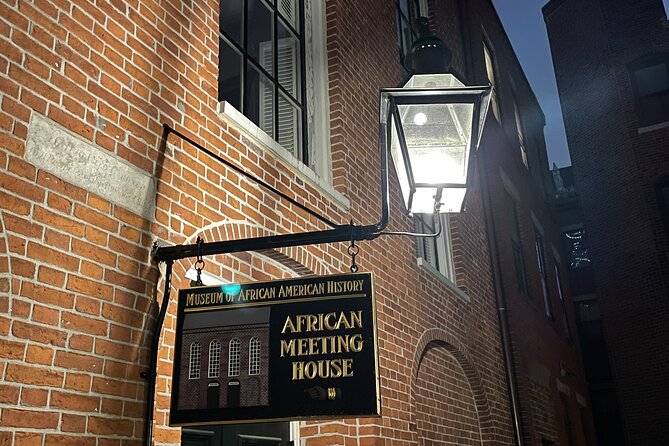
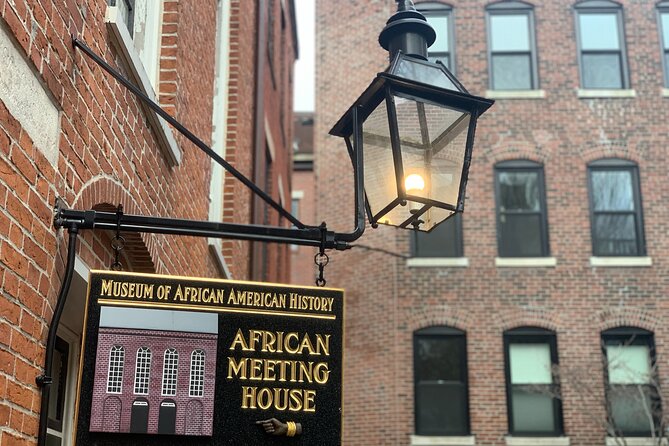
After following these streets, the walk ends at 46 Joy Street, at the African Meeting House. This is the oldest surviving Black church building in the United States, and it is a fitting place to finish.
The ending has more weight than a random return to the starting point. You have moved through houses, schools, and gathering places connected to resistance, and you finish at a building tied to Boston’s Black community.
The tour does not include admission to the African Meeting House as part of the audio walk. Think of the building as the final outdoor landmark. If you want to go inside, check separately for opening times and admission.
How the app works, and where it can go wrong
The self-guided design is the main advantage for people who dislike fixed departures. You can start whenever you like, walk only with your own group, pause for food, and replay sections when needed.
The narration uses several voices, which gives the production a more dramatic feel than a single monotone recording. The route also includes location-aware audio and an arrow that points toward the next stop. That arrow is particularly useful if you drift off course.
Still, you should not treat the app as foolproof. Some users have had trouble registering, logging in, activating the code, or returning from the extra information to the main story. The clearest preparation is to open View Ticket before arriving, follow the instructions for the WalknTours app, and test the code while you have a reliable connection.
If you lose your place, follow the arrow to the next stop rather than repeatedly rewinding the narration. That simple habit can save time. The route is usually manageable, but the app requires more attention than a live guide would.
Price, pace, and who gets good value
At $9.75 per person, this is a low-cost way to spend 45 to 55 minutes exploring a major Boston story. You are paying for location-aware audio, dramatic narration, route guidance, and the ability to use the tour privately with your own group.
The value is strongest if you already plan to walk Beacon Hill and want more context than a guidebook provides. It is also a good choice for families, couples, and friends who want to stop and start on their own schedule.
The value is weaker if you dislike phone-based tours or want detailed questions answered on the spot. A live guide can adjust the explanation to your interests, while this experience gives everyone the same recorded material.
Most people can participate, service animals are allowed, and the route is near public transportation. The walk includes hills, so comfortable shoes are not optional advice. Carry water and consider the weather, since the entire experience takes place outdoors.
The tour is offered only in English. If you need another language, this is not the right choice. Its average booking lead time is about 12 days, so advance planning is sensible, especially if you want a particular day.
Should you book this Beacon Hill walk?
I would book it if you want a focused introduction to Boston’s Black abolitionist history and prefer to set your own pace. The strongest parts are the named homes, the connection between different communities, the dramatic narration, and the ending at the African Meeting House.
I would skip it if app setup frustrates you, if you need a non-English option, or if you want to enter every historic building. Before booking, make sure your phone is ready, your walking shoes are comfortable, and your group is willing to follow directions carefully.
For $9.75, the tour offers a lot of history in a short walk. Just treat the technology as part of the preparation, not an afterthought. Free cancellation is available up to 24 hours before the scheduled start time, but changes or cancellations inside that window are not refunded.
FAQ
How long does the Boston Beacon Hill audio tour take?
The walk takes approximately 45 to 55 minutes.
Where does the tour begin?
It begins at the Charles Street Meeting House, 70 Charles Street, Boston.
Where does the tour end?
It ends at 46 Joy Street, at the African Meeting House.
Is the tour guided by a person?
No. It is a self-guided audio tour accessed through your phone and the WalknTours app.
What language is available?
The tour is offered in English only.
Can I cancel for a full refund?
Yes. You can cancel at least 24 hours before the experience start time for a full refund. Cancellations within 24 hours are not refunded.
Just added around the USA
- Self Guided Driving Audio Tour of Saguaro National Park★ 3.0 · 4 reviews
- Self-Guided Audio Driving Tour of Mount Lemmon★ 5.0 · 4 reviews
- Saguaro National Park Self-Guided Audio Tour★ 3.5 · 11 reviews
- A Self Guided Audio Tour in Tombstone★ 4.0 · 11 reviews
- Catskills Scenic Byway Self-Guided Driving Audio Tour★ 4.0 · 9 reviews
- Big Bend National Park Self Guided Audio Tour Guide★ 5.0 · 12 reviews
- Self-Guided Audio Driving Tour in Catskills Scenic Byway★ 4.5 · 7 reviews
- Shiloh Battlefield Self-Guided Driving Audio Tour★ 4.0 · 9 reviews
Self-Guided Tours, compared.

Acropolis Ticket & Optional Self-Guided Audio Tours
Read our review →


Ultimate Acadia National Park Self-Guided Driving Audio Tour
Read our review →

Santorini: Akrotiri Ticket with Optional Self-Guided Audios
Read our review →
Browse the lists this tour appears in