REVIEW · AUDIO TOURS
Rotorua Railcruising: Self-Drive Rail Car with Audio Guide
Rail cars make old tracks feel alive. Rotorua Railcruising gives you control of your own petrol-electric rail car, a front-row view of the North Island scenery, and an audio tour about the railway and local area. I like the slow pace and the freedom of unobstructed views. I also like the small historical details, including the chance to see the cars turned around at the far end.
This is a gentle heritage outing, not a thrill ride. The cars reach only 20 km/h, and the commentary may not provide enough scenic highlights for everyone. Families expecting speed should adjust their expectations, while anyone who enjoys railways, local stories, and unusual transport will find more to appreciate.
Key points to know before you go
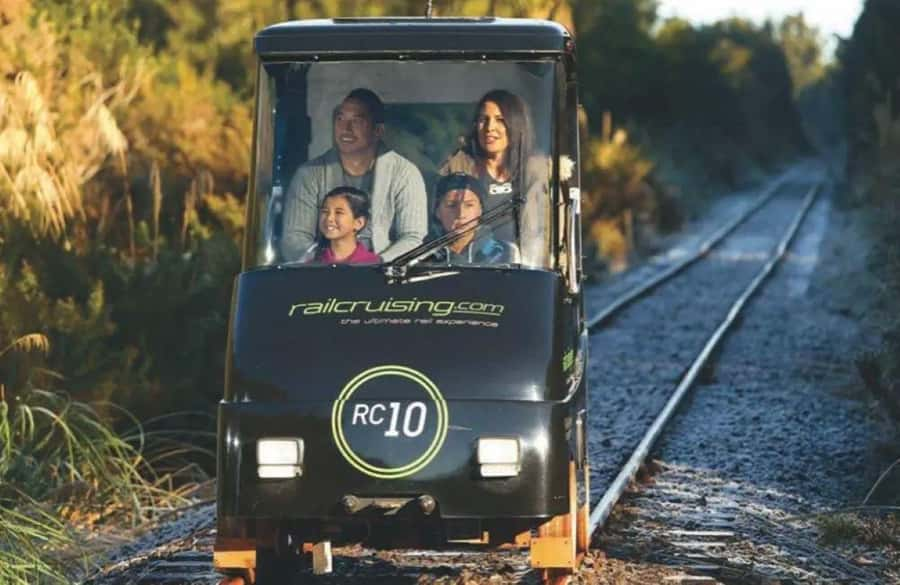
- You drive your own petrol-electric rail car along the historic Rotorua Railway.
- The 20 km/h speed keeps the ride calm, giving you time to watch the scenery and take photos.
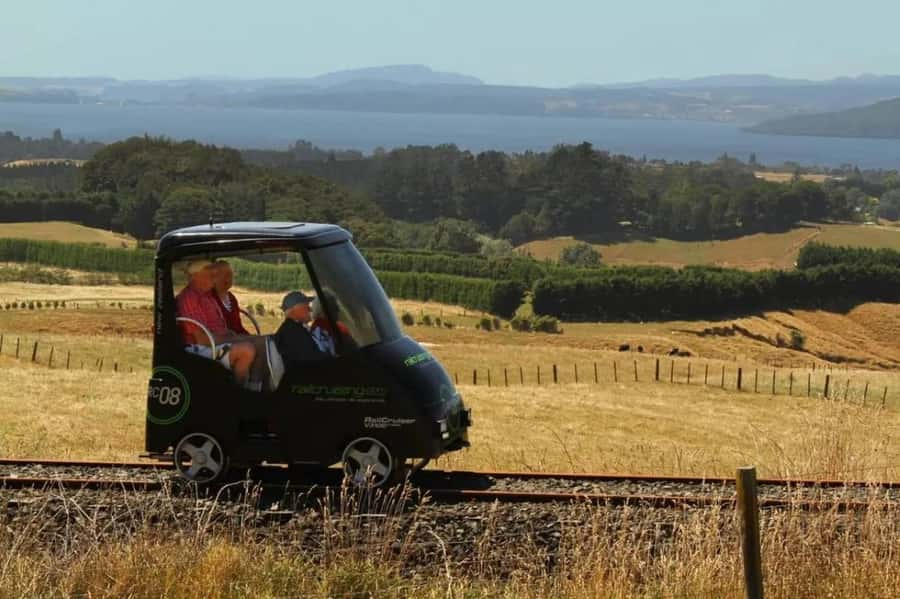
- Views can include Lake Rotorua and Mount Tarawera, with no standard train windows blocking your view.
- The audio guide explains railway and local history, though occasional static may affect the sound.
- Covered seating, clear waterproof side windows, and blankets help in cool, wet, or windy weather.
- Tea, coffee, and Milo are available at Mamaku Station, and a shuttle is included for a one-way trip.
A slow ride with a very unusual vehicle
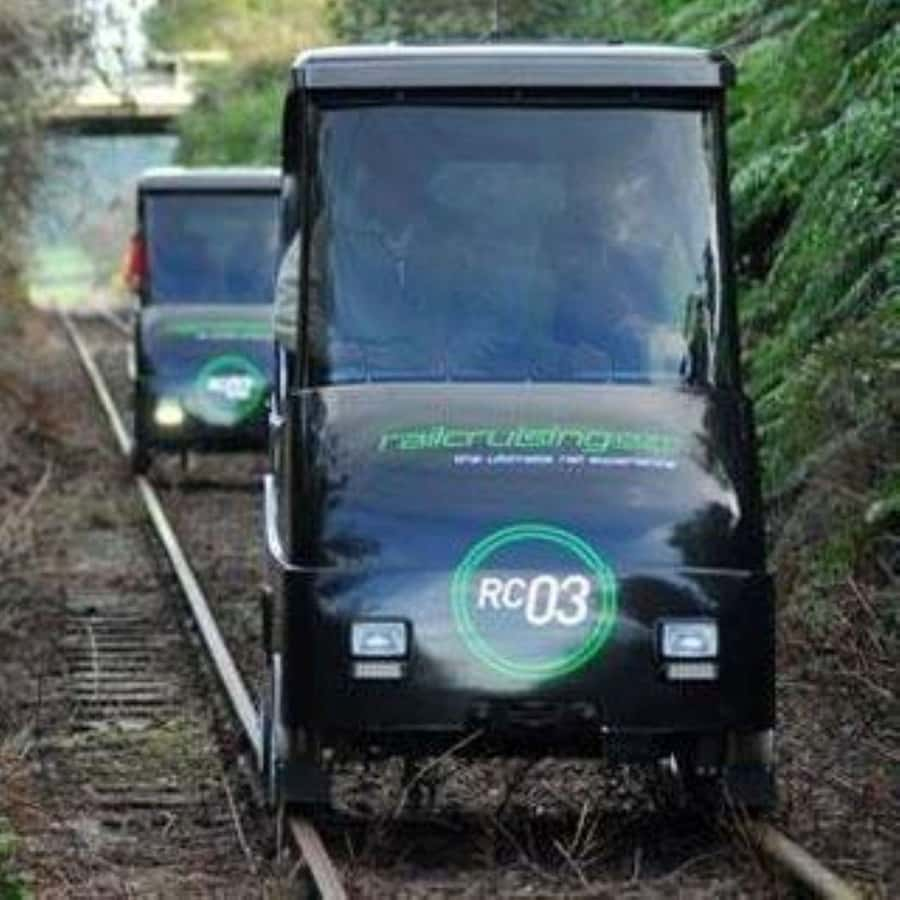
Rotorua Railcruising is built around a simple idea: put you in the driver’s seat of a small rail car and let you follow the tracks at your own relaxed pace. The vehicle is petrol-electric, so this is not a conventional train pulled by a locomotive. You sit in a compact car designed for the railway, with the track guiding your route.
That setup makes the outing feel more personal than riding in a standard carriage. You are close to the rails, close to the scenery, and able to look ahead without a driver’s cabin or large carriage windows in the way. It is a fine choice if you like unusual forms of transport and want to experience a working piece of railway heritage in a hands-on way.
The speed is limited to 20 km/h. I see that as a benefit for photography and scenery, but it also defines the entire mood. This is a quiet outing, with plenty of time to look around. If you want a fast ride, loud engine noise, or a dramatic adventure, this will feel tame.
A few more audio tours around the world worth a look
- Barcelona: Sagrada Familia Entry Ticket with Audio Guide
★ 4.6 · 105,312 reviews - Rome: Pantheon Fast-Track Ticket and Official Audioguide
★ 4.5 · 27,353 reviews - Barcelona: Casa Batlló Entry with Self-Audioguide Tour
★ 4.7 · 25,359 reviews
Starting from Ngongotaha or Mamaku Station
Your journey begins at either Ngongotaha Station or Mamaku Railway Station. The departure point matters, so check your booking details carefully before setting out. The experience lasts about two hours, giving you time to travel along the railway, listen to the commentary, enjoy the view, and watch the rail cars being turned at the destination.
Ngongotaha gives you a starting point near Lake Rotorua, while Mamaku provides the station setting where tea, coffee, and Milo are available. The supplied information does not describe a long stop program or several sightseeing stops, so think of the railway itself as the main attraction.
That is useful to know before you book. You are not signing up for a tour that moves from one major attraction to another. You are riding through the area, learning about the railway, and enjoying a slower view of the surroundings. The charm comes from the vehicle and the route, not from a packed schedule.
Driving the rail car at 20 km/h
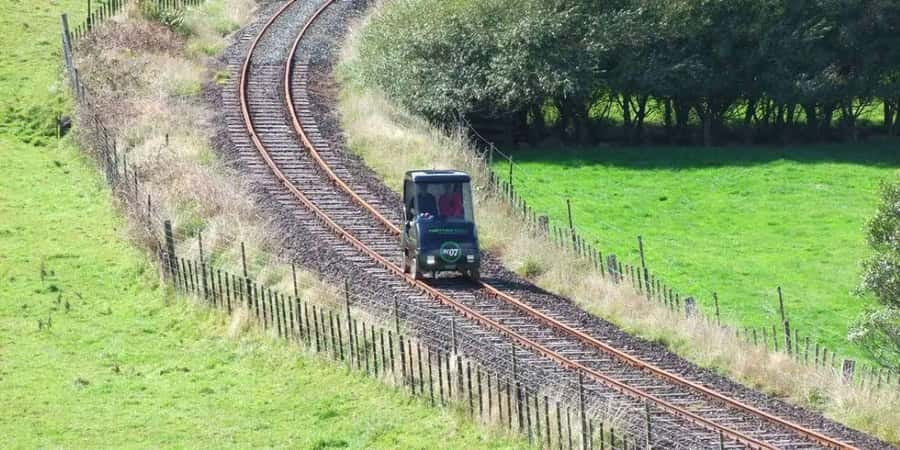
The self-drive element is the strongest reason to choose this experience. You are not simply sitting in a carriage while someone else handles the journey. You take part in the movement along the tracks, which gives the ride a playful, hands-on quality.
The speed remains gentle. At 20 km/h, you have time to notice changes in the scenery and take photographs without the blur you get from a faster train. You can also listen to the audio guide without needing to concentrate on a rapid sequence of sights.
The small car format should appeal to couples, families with older children, and anyone curious about railway equipment. It also suits people who want a private group outing rather than a crowded public tour. The experience is listed as a private group, which gives it a more personal feel.
Still, self-drive does not mean high-speed driving. The rail car follows the track, and the outing is designed for steady progress. One recent assessment described it as less exciting than expected and specifically warned that children hoping for a high-octane rail ride could be disappointed. I would take that warning seriously.
Scenery from Lake Rotorua to Mount Tarawera
The main views include Lake Rotorua and Mount Tarawera. The route gives you open sightlines, with no conventional carriage windows interrupting the view. That makes the ride especially pleasant on a clear day, when you can pause your attention between the railway ahead and the scenery on either side.
Rotorua is known for its volcanic setting, and Mount Tarawera adds a strong sense of place to the outing. You are not simply riding on an anonymous rural line. The view connects the railway to the wider Rotorua area and its volcanic past.
Weather will shape the experience. On a bright day, the open design should be ideal for photographs. On a wet or windy day, the covered seating and clear waterproof side windows become much more important. You still get the view, but with protection from the worst of the conditions.
Pack sunscreen, suitable clothing, and a camera. Bring a drink as well, since the ride lasts two hours. The weather can make a slow outdoor activity feel either peaceful or uncomfortable, so do not treat the forecast as a minor detail.
Same place, a different route to walk:
- Rome: Colosseum & Forum with Audio Guide App -Optional Arena
★ 4.2 · 24,770 reviews - Amsterdam: 75 Minute City Canal Cruise with Audio Guide
★ 4.4 · 19,938 reviews - Florence: Timed Entry to Michelangelo’s David + Audio App
★ 4.6 · 19,496 reviews - Amsterdam: City Centre Canal Cruise including Audioguide
★ 4.3 · 16,901 reviews
Audio stories about the railway and local area
The audio guide adds context to what could otherwise be a scenic ride with little explanation. It covers the railway and the local area, helping you understand why the line matters rather than simply watching the rails pass beneath you.
The focus appears to include the story of the person who built the railway. That human angle may appeal to anyone who enjoys local history and engineering tales. It also gives the journey a clear theme: you are learning how this railway came to be while traveling along it.
The commentary is not perfect. A small amount of static can occur in some locations, which may make parts of the audio harder to hear. The content also seems stronger for people already interested in railway history than for anyone looking for a long list of major scenic stops.
I would treat the audio as a useful companion, not the sole reason to book. The best experience combines the commentary with the self-drive element, the views, and the novelty of riding a small rail car.
What happens at the destination
At the destination, the rail cars are turned around for the return journey. This is one of the more distinctive parts of the outing. You get to see how the cars are prepared to head back instead of simply stepping off a train and finding another vehicle waiting.
The provided details do not promise a long guided visit at the destination. The turning process is part of the railway experience, not a separate attraction with a full sightseeing program. That makes the stop interesting for rail enthusiasts, but perhaps less compelling for anyone hoping for a major activity halfway through the trip.
If your route includes Mamaku Station, tea, coffee, and Milo are available there. That small refreshment stop adds comfort, especially on a cool day. It also gives the journey a friendly station-house feel, even though the main focus remains the ride itself.
A complimentary shuttle is available when you do a one-way trip. This may help with transport planning, particularly if you want to avoid returning in the rail car. Confirm how the shuttle fits your chosen departure and arrival arrangements when booking.
Comfort in changing Rotorua weather
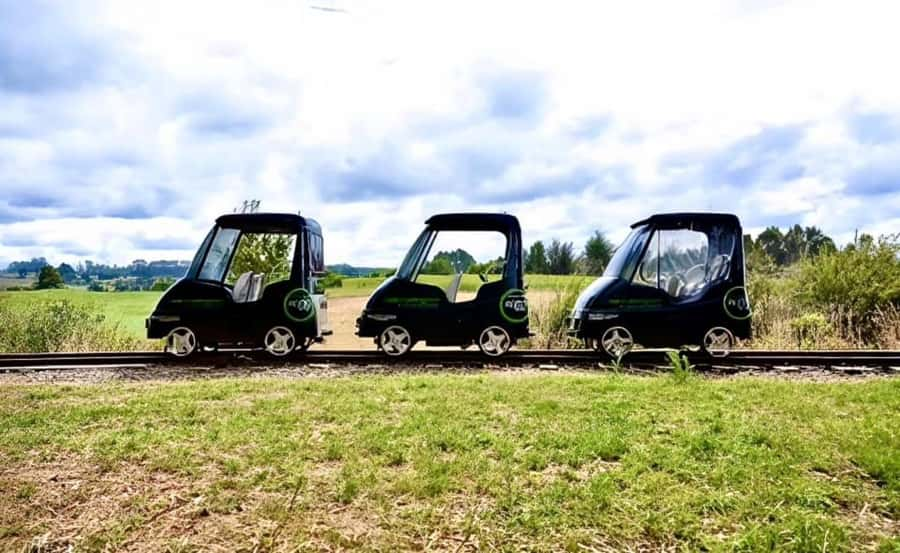
The rail cars have covered seating and blankets for cooler days. Clear waterproof side windows can be used during rain or strong wind. Those features show that the outing is meant to operate in typical New Zealand weather rather than only on perfect summer mornings.
I like the balance here. You get open views when conditions are good, but you are not completely exposed when the weather turns. The clear side protection also keeps the ride from becoming a battle with rain blowing across the car.
Comfort remains basic rather than luxurious. This is a small rail vehicle, not a heated sightseeing carriage with a café onboard. Bring weather-appropriate clothing and a charged smartphone. Your phone can serve as a camera and may help with booking details or audio-related needs.
People prone to motion sickness should think carefully before booking. Although the speed is low, the movement of a rail car can still bother some passengers. The experience is not suitable for wheelchair users, so accessibility needs should be checked before purchase.
Is $44 good value for two hours?
At $44 per person, this is not the cheapest way to spend two hours in Rotorua. Its value depends on whether you want a standard attraction or a rare transport experience.
You are paying for more than a view. The price includes the self-drive rail car, the audio tour, blankets, waterproof side windows, and access to a railway experience that is unusual in New Zealand. Tea, coffee, and Milo are available at Mamaku Station, and a shuttle is included for a one-way trip.
I think the price is fair for railway fans, couples looking for a quiet private outing, and people who value experiences that feel different from the usual sightseeing circuit. It becomes weaker value if your main goal is dramatic scenery or constant activity. The route is slow, and the commentary may not offer enough visual highlights for every passenger.
Before paying, ask yourself what you want from the day. If you want to operate a historic-style rail vehicle and hear about the railway while looking at Rotorua scenery, the price makes sense. If you want an action ride or a full schedule of attractions, spend the money elsewhere.
Who will enjoy Railcruising most?
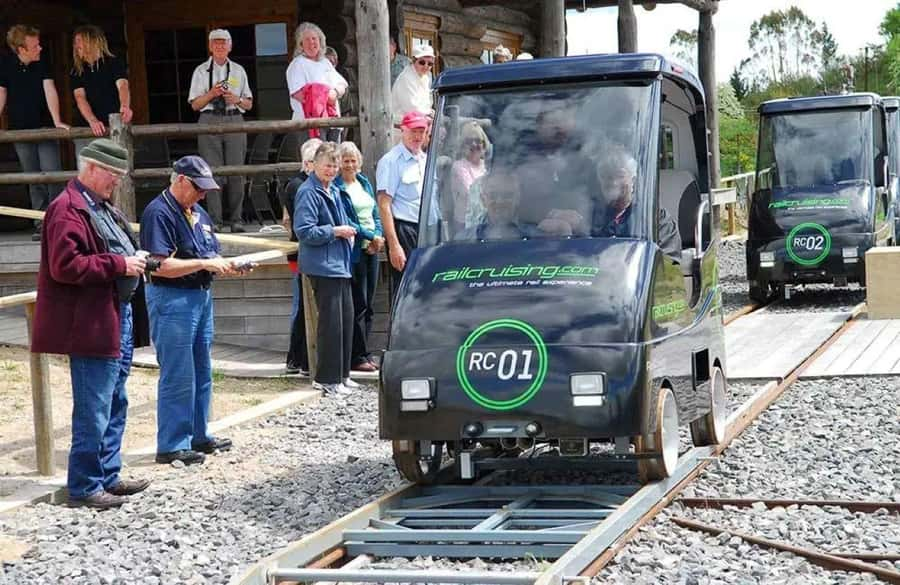
I would recommend this to:
- Railway enthusiasts who want more than a museum display
- Couples seeking a private and unusual Rotorua activity
- Families with children who enjoy vehicles, history, and gentle outdoor trips
- Photographers who value clear views and a slow pace
- People interested in local transport stories and railway engineering
- Visitors who do not mind spending two hours on one focused activity
I would be more cautious for families with young children who expect speed. The small rail car sounds exciting, but the actual ride is calm and steady.
I would also think twice if you dislike slow travel, have motion sickness, or need wheelchair access. A clear day will likely show the experience at its best, but the covered design and windows make it possible to enjoy in less settled weather.
The human side of the activity also matters. The staff at each end have been described as friendly and informative, with useful ideas for growing the business. That personal welcome may be a large part of the appeal, since this is a small-scale operation rather than a polished mass-market attraction.
Practical tips for a smoother ride
Arrive ready for the weather. Wear layers, pack sunscreen, and bring a drink. Even with blankets and clear side windows, you will enjoy the trip more if you are prepared for cool air, wind, or rain.
Charge your smartphone before leaving. You will want it for photographs, and the audio guide is part of the experience. A camera is also worth bringing because the slow speed gives you a good chance to capture the scenery.
Do not book this as a surprise high-speed adventure for children. Explain that the rail car moves at up to 20 km/h and that the focus is scenery, local stories, and railway heritage.
If you plan a one-way trip, check the shuttle arrangements before the day. The shuttle is included, but your departure point and route choice still matter. Also confirm whether you are starting from Ngongotaha or Mamaku Station.
The activity allows cancellation up to 24 hours in advance for a full refund, and you can reserve now and pay later. Those options are useful when Rotorua weather is uncertain or your itinerary is still changing.
Should you book Rotorua Railcruising?
Book it if you want a relaxed, hands-on railway experience with open views, local stories, and a private group setting. The self-drive rail car is the real draw, and the chance to see the vehicle turned around adds a pleasing bit of railway theater.
Skip it if you need speed, lots of stops, or a major attraction at the destination. This is a two-hour outing built around one idea, riding slowly along the Rotorua Railway. For the right person, that focus is exactly what makes it worthwhile.
FAQ
How long does Rotorua Railcruising last?
The experience lasts about two hours.
How fast does the rail car travel?
The rail car travels at speeds of up to 20 km/h.
Can I drive the rail car myself?
Yes. The experience includes a self-drive petrol-electric rail car.
Where does the journey begin?
You can begin at either Ngongotaha Station or Mamaku Railway Station. Check your booking details for the correct departure point.
Is an audio guide included?
Yes. An audio tour about the Rotorua Railway and the local area is included.
What happens at the destination?
The rail cars are turned around at the destination for the return journey.
Is the experience suitable for wheelchair users?
No. The activity is not suitable for wheelchair users. It is also not recommended for people with motion sickness.
Just added around the world
- Venice Walking Tour with Audioguide on Your Smartphone★ 4.0 · 19 reviews
- Venezia Walking Tour with Audio and Written Guide by a Local★ 4.5 · 49 reviews
- St. Peter’s Basilica Entry Ticket with audio guide★ 4.5 · 3 reviews
- Venice St Marks Basilica, Audioguide & Hosted entry optional Doge★ 3.5 · 9 reviews
- Self Guided Tours Venice With 100 Captivating Audio Stories★ 5.0 · 3 reviews
- St Peter Basilica and Papal Tombs with your Audio Guide★ 3.0 · 2 reviews
- Murano and Burano cruise with glass blowing & audio guide★ 4.0 · 6 reviews
- St. Peters Square & Basilica Vatican Walking Tour with Audioguide★ 4.5 · 6 reviews
Audio Tours, compared.
Sagrada Familia Entry Ticket with Audio Guide
Read our review →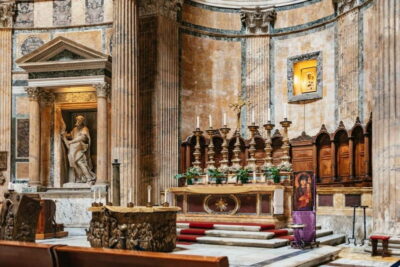
Pantheon Fast-Track Ticket and Official Audioguide
Read our review →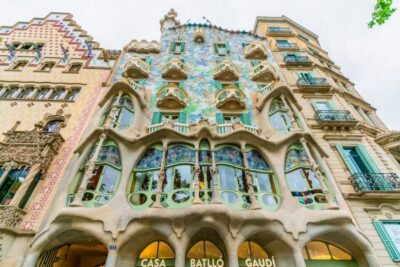
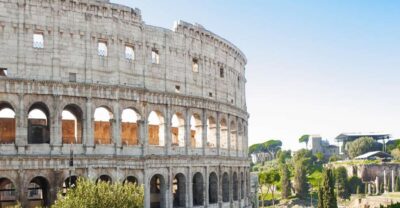
Colosseum & Forum with Audio Guide App -Optional Arena
Read our review →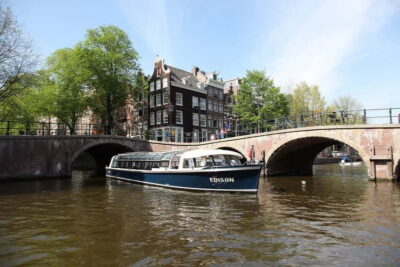
75 Minute City Canal Cruise with Audio Guide
Read our review →
Timed Entry to Michelangelo’s David + Audio App
Read our review →
City Centre Canal Cruise including Audioguide
Read our review →